Artwork
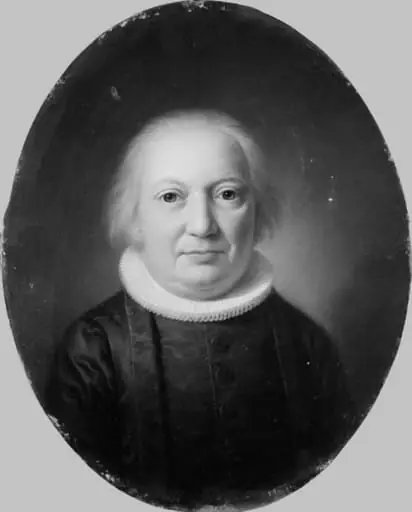
Amtsprovst Troels Smith, kunstnerens svigerfader
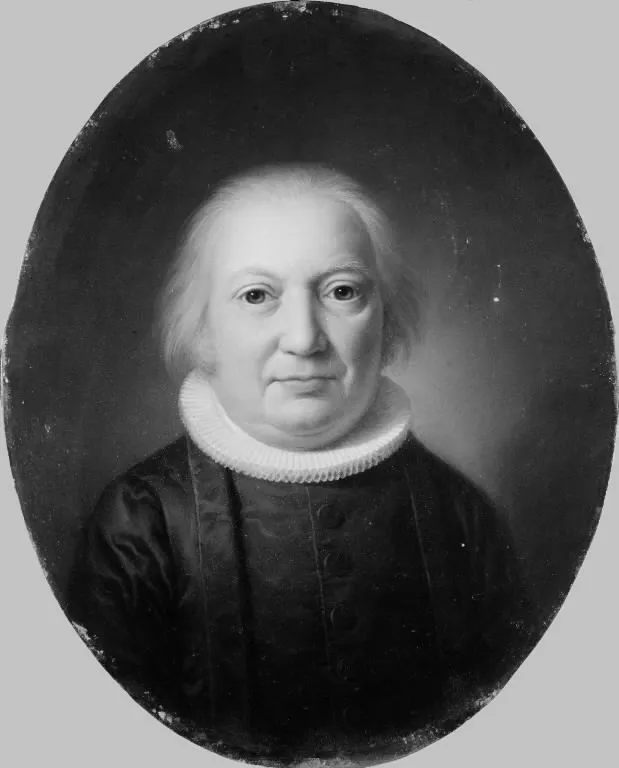
Amtsprovst Troels Smith, kunstnerens svigerfader is an unspecified painting by the Biedermeier artist Christian Gottlieb Kratzenstein-Stub. It dates from 1816 and is held in the collection of the Statens Museum for Kunst.
About this work
Overview
Executed with quiet precision, it belongs to the Biedermeier tradition, favoring intimate, unadorned depictions of everyday figures over grand narratives.
Painted in 1816, the final year of his life, Christian Gottlieb Kratzenstein-Stub’s portrait of Troels Smith captures a Danish ecclesiastical official and the artist’s father-in-law. Though Stub was primarily known for mythological themes, this work reflects a personal and restrained turn toward portraiture. Executed with quiet precision, it belongs to the Biedermeier tradition, favoring intimate, unadorned depictions of everyday figures over grand narratives.
Subject & Meaning
Troels Smith, an Amtsprovst or district provost, is portrayed not as a symbol of power but as a private individual. His white hair and formal attire suggest age and social standing, while his direct gaze conveys quiet dignity rather than authority. The absence of symbolic props or elaborate settings emphasizes his role as a family member, underscoring the portrait’s personal significance to the artist and its alignment with Biedermeier values of domestic sincerity.
Technique & Style
Stub employs chiaroscuro to model the subject’s face and ruffled collar, lending volume and tactile presence to the fabric and skin. The dark, unobtrusive background isolates the figure, focusing attention on subtle gradations of light. Brushwork is controlled and refined, avoiding theatricality; textures are rendered through careful tonal shifts rather than overt detail, reflecting the Biedermeier preference for restraint and quiet realism.
History & Provenance
The painting remained within the artist’s family after his death in 1816 and was later acquired by the Danish state. It entered the collection of Statens Museum for Kunst, where it has been preserved as part of Denmark’s 19th-century artistic heritage. Its survival and institutional placement reflect its value as both a personal memento and a representative work of the period’s portrait tradition.
Context
In early 19th-century Denmark, the Biedermeier style emerged as a cultural response to political instability, favoring domestic tranquility and personal introspection. Portraits like this one replaced aristocratic grandeur with middle-class solemnity. Stub’s shift from mythological subjects to intimate likenesses mirrors broader artistic trends, where private life became a legitimate subject for serious art.
Legacy
Though not among Stub’s most widely exhibited works, this portrait stands as a quiet testament to his versatility and emotional restraint. It contributes to the understanding of Danish Golden Age painting beyond its mythological and landscape traditions, illustrating how personal relationships and everyday roles were rendered with dignity in a time of cultural recalibration.
Artist & collection
Artist
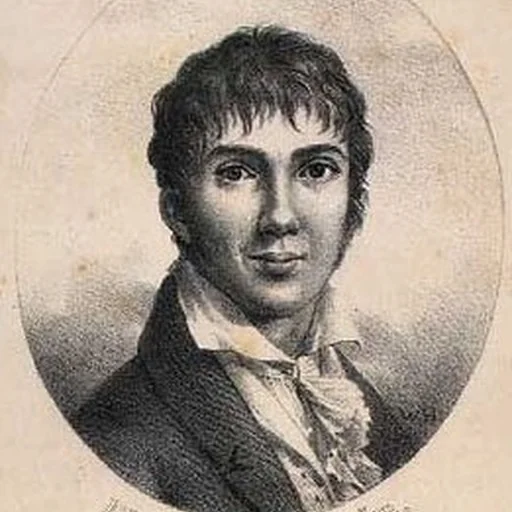
Christian Gottlieb Kratzenstein-Stub
Christian Gottlieb Kratzenstein Stub (15 August 1783 – 24 July 1816), also written Kratzenstein-Stub, was a Danish Golden Age painter.

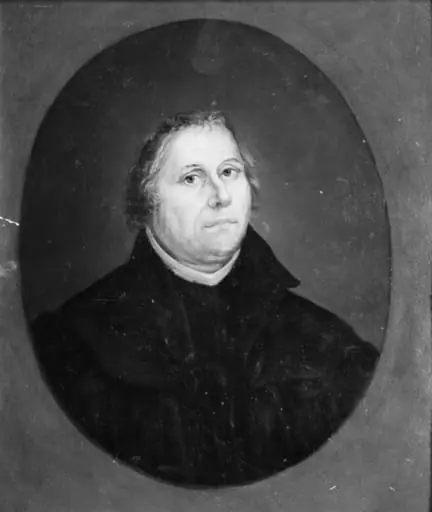 Portrait of Luther
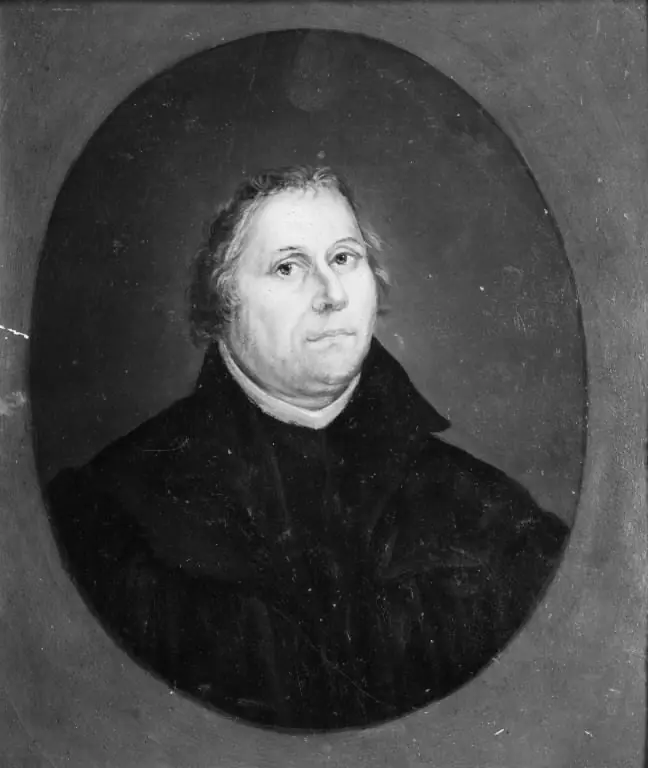 Portrait of Luther
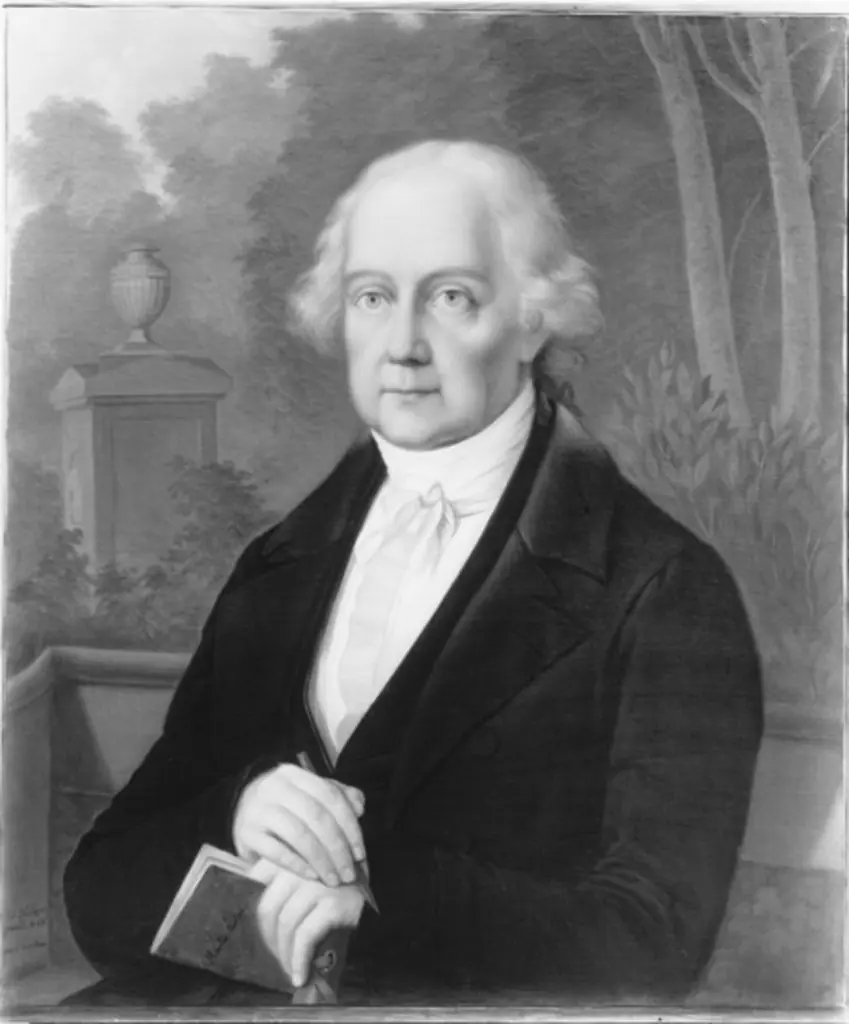 Bildnis des ersten Präsidenten der Zürcher Künstlergesellschaft, Johann Martin Usteri (1763-1827), im Hintergrund das Denkmal für Salomon Gessner auf dem Platzspitz
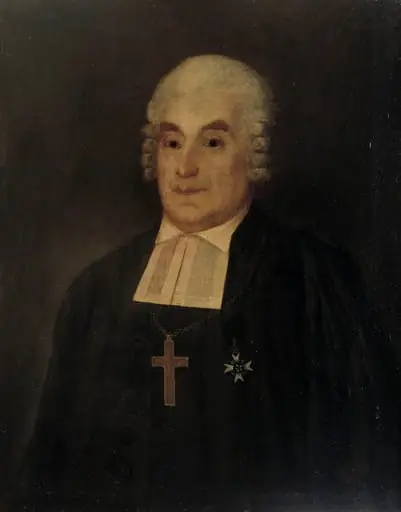 Piispa Zacharias Cygnaeus
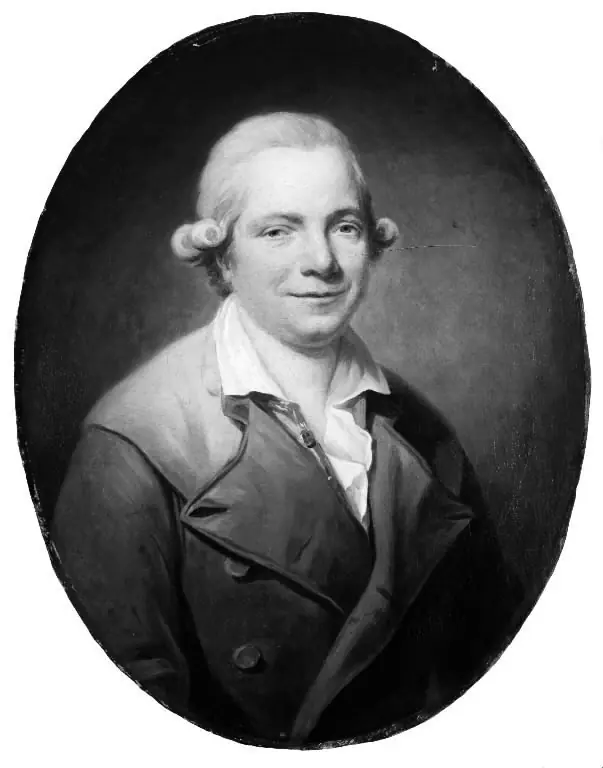 Mandsportræt
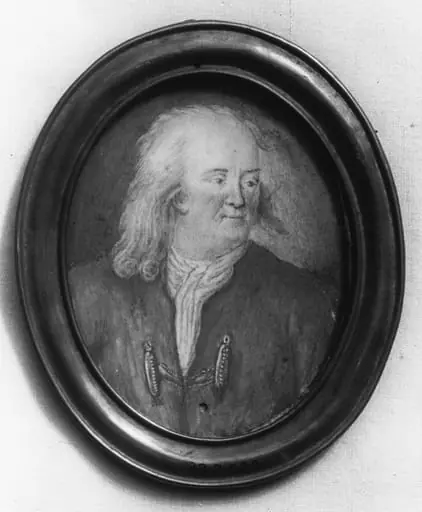 Plaque Portrait of Benjamin Franklin
 Mandsportræt
 Poul Johan Schouw, guvernør i Ostindien
 Portrait of a Man, perhaps a Member of the Klinkhamer Family
 Portrait of a Man
 Portrait of Pastor A.F. Byushing
 Amtsprovst Troels Smith, kunstnerens svigerfader