Artwork
The Triumph of Bacchus
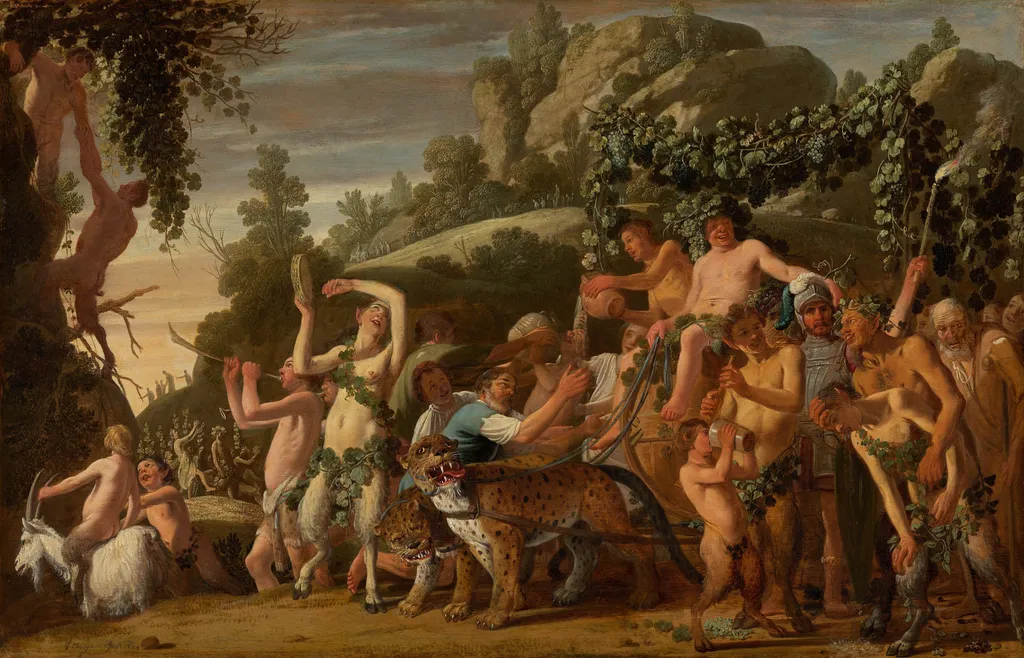
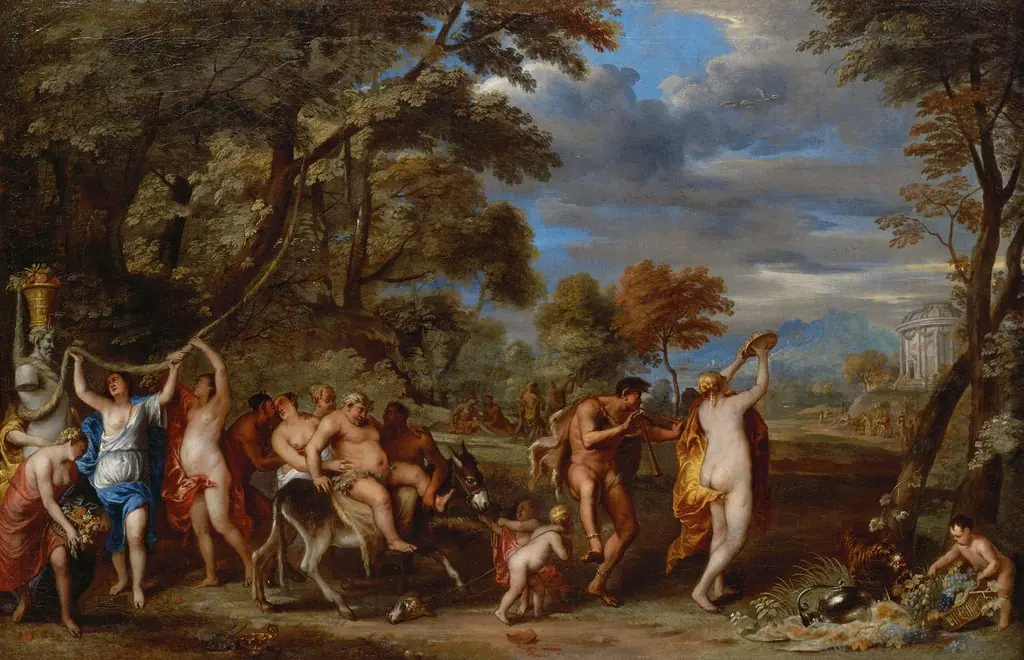
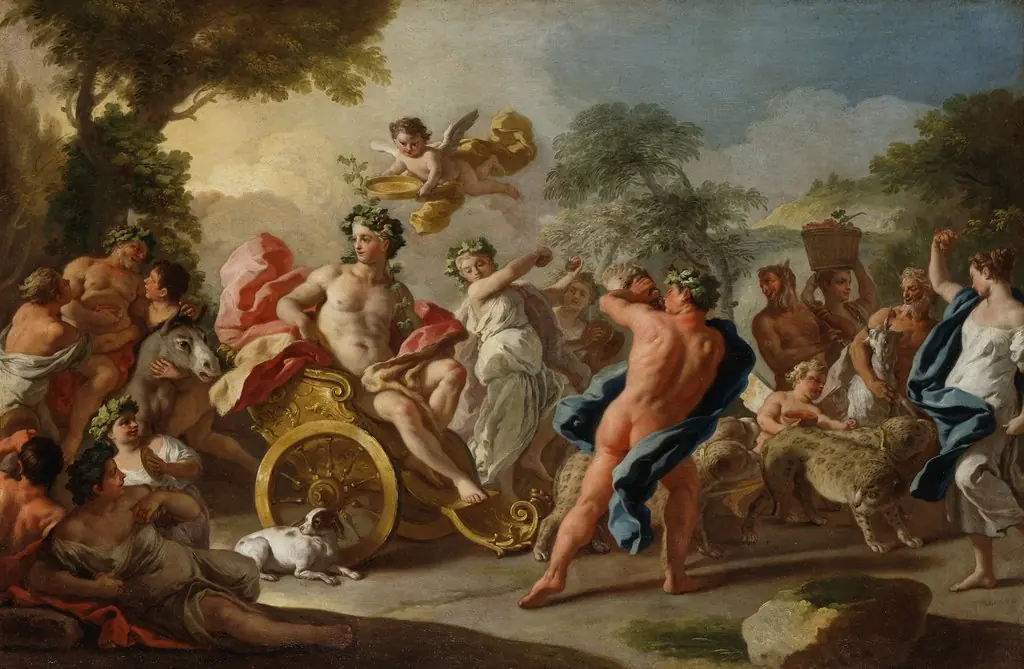
The Triumph of Bacchus is an oil painting by the Early Baroque Italian artist Claes Corneliszoon Moeyaert. It dates from 1624 and is held in the collection of the Mauritshuis.
About this work
Overview
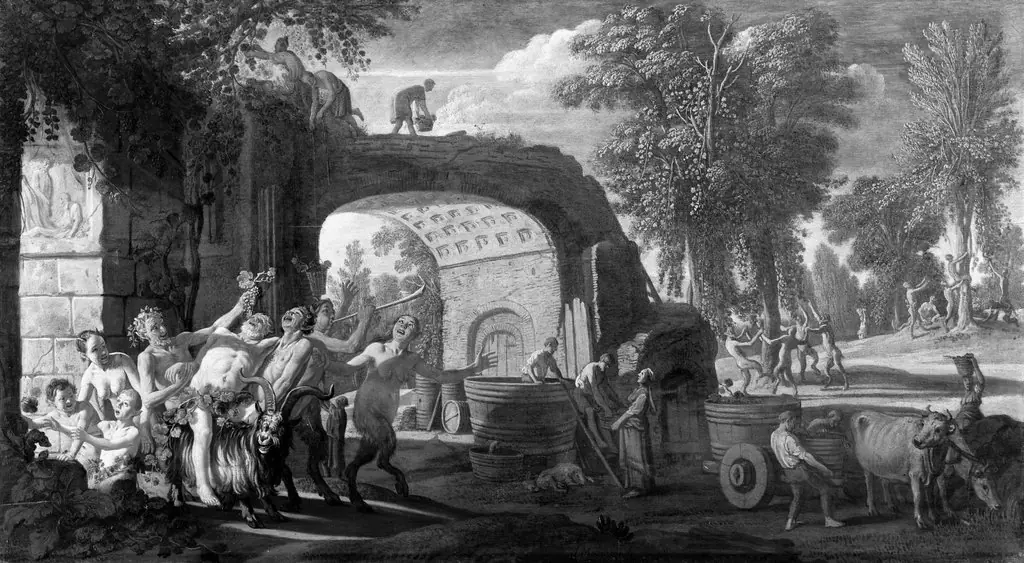
Created in 1624 by Dutch painter Claes Corneliszoon Moeyaert, this oil on canvas presents a bustling procession that celebrates the Roman god Bacchus. Central to the composition is an elaborate chariot drawn by a leopard, surrounded by revelers clutching wine vessels, vines, and musical instruments. The scene unfolds under a cloudy sky, with distant trees and hills framing the festive tableau.
Subject & Meaning
The work visualizes the mythic triumph of Bacchus, the deity of wine and ecstasy, emphasizing themes of abundance and communal joy.
The work visualizes the mythic triumph of Bacchus, the deity of wine and ecstasy, emphasizing themes of abundance and communal joy. Figures are engaged in dancing, drinking, and merrymaking, embodying the god’s association with liberation from restraint. The leopard, a symbol of exotic power, reinforces the triumphal character of the procession, while the abundance of wine vessels underscores the celebratory rite.
Technique & Style
Moeyaert employs a Baroque sensibility marked by dynamic movement and dramatic contrasts of light and shadow. The oil medium allows for rich, saturated colors that highlight the gleam of metal and the sheen of animal fur. Compositionally, the painting balances a crowded foreground with a receding landscape, using diagonal lines from the chariot’s ropes to guide the viewer’s eye through the scene.
History & Provenance
After its completion, the canvas entered the Dutch art market and eventually became part of the Mauritshuis collection in The Hague, where it remains on display. The museum acquired the piece as part of its broader effort to represent 17th‑century Dutch painting, situating Moeyaert alongside his contemporaries in a public context.
Context
Moeyaert’s career unfolded during the early Baroque period, a time when Dutch artists frequently traveled to Italy and absorbed its visual vocabulary. His exposure to Italian mythological painting informs the work’s theatricality and classical subject matter, reflecting a cross‑cultural exchange that enriched Dutch art in the early 1600s.
Own this work as a print
Artist & collection
Artist
Claes Corneliszoon Moeyaert or Nicolaes Moyaert or Mooyaert (1592–1655) was an authoritative Catholic Dutch painter.