Artwork
The Good Shepherd
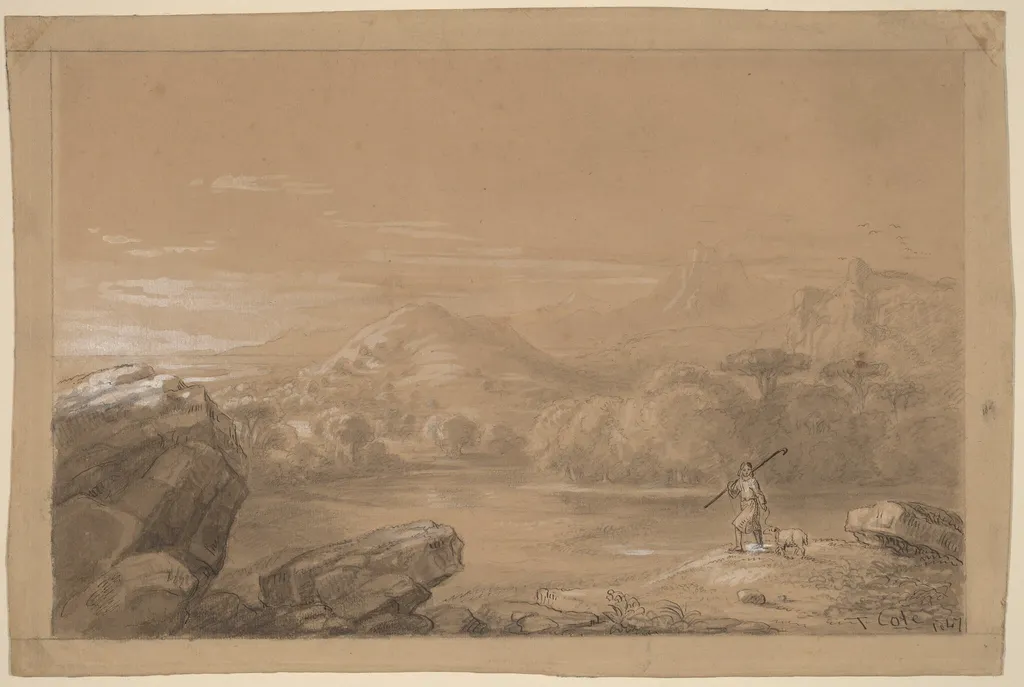
The Good Shepherd is a graphite drawing by the Romanticist artist Thomas Cole. It dates from 1847 and is held in the collection of the National Gallery of Art.
About this work
Overview
The Good Shepherd, a drawing by Thomas Cole from 1847, depicts a tranquil scene of a shepherd and sheep in a serene landscape.
Subject & Meaning
The composition focuses on a simply attired shepherd standing in the foreground with a staff, accompanied by a grazing sheep. The peaceful interaction between the two figures and the natural surroundings conveys a sense of harmony.
Technique & Style
Executed in graphite, pen and ink, tan and gray wash, and heightened with white on laid paper, the drawing achieves depth and texture. The shepherd and sheep are meticulously detailed, contrasting with the more expressive, loose rendering of the background landscape.
History & Provenance
Created in 1847 by Thomas Cole, specific provenance details are not provided in the available information.
Context
The work aligns with the aesthetic principles of the Romanticism movement, emphasizing emotional connection with nature and serene, idyllic scenes.
Legacy
While the broader impact of 'The Good Shepherd' is not detailed here, it reflects Cole's contribution to Romantic-era art, potentially influencing subsequent depictions of pastoral themes.
Own this work as a print
Artist & collection
Artist
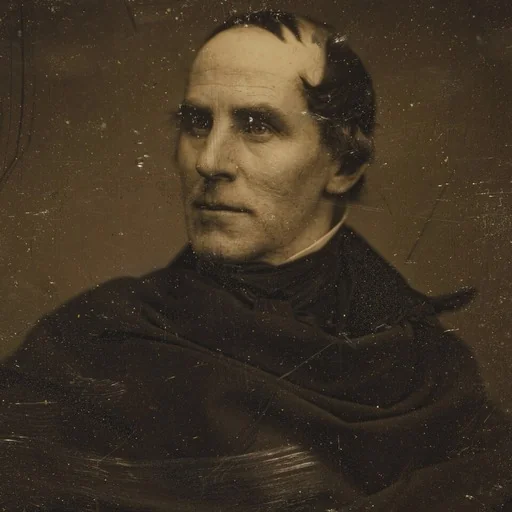
Thomas Cole (February 1, 1801 – February 11, 1848) was an Anglo-American artist who founded the Hudson River School art movement.

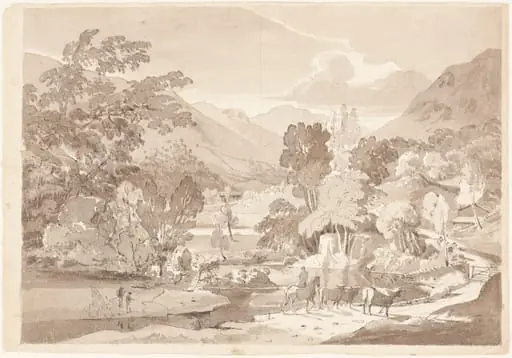 A Mountainous Landscape
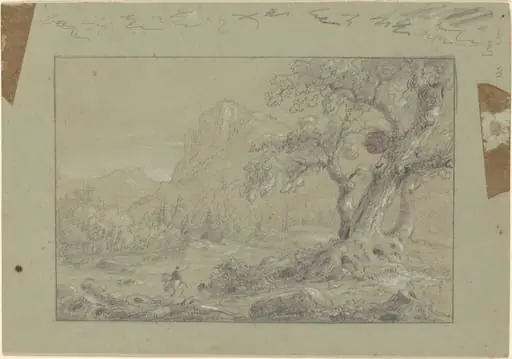 Study for "The Mountain Ford"
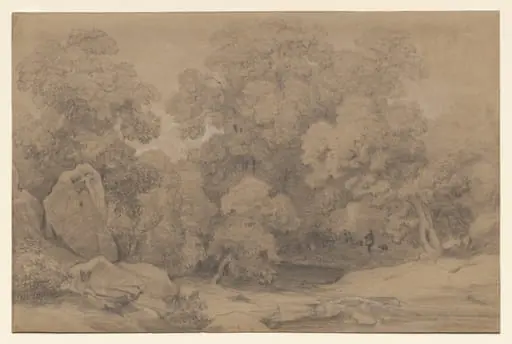 Landscape
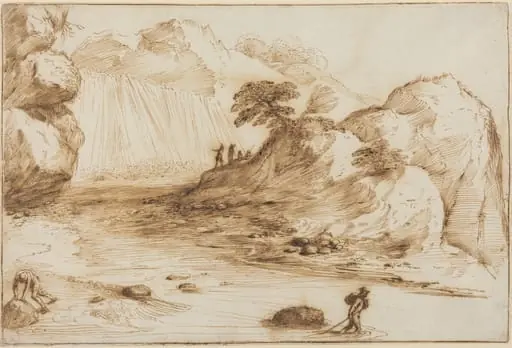 Landscape with a Waterfall
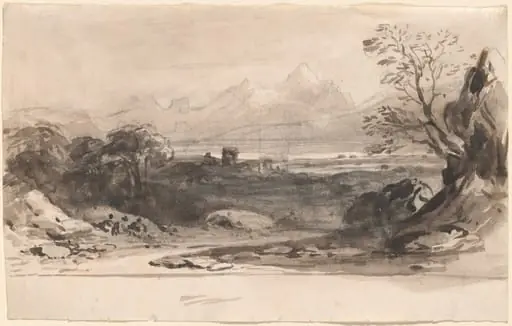 Landscape with Ruins
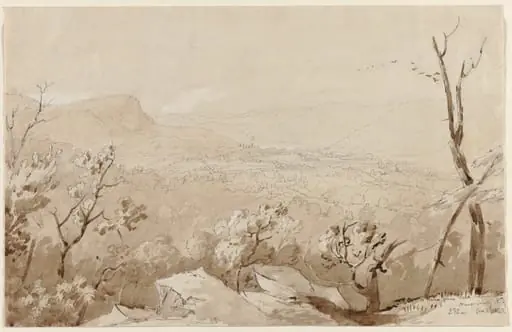 A View from Bald Mountain, Orange County, N.Y.
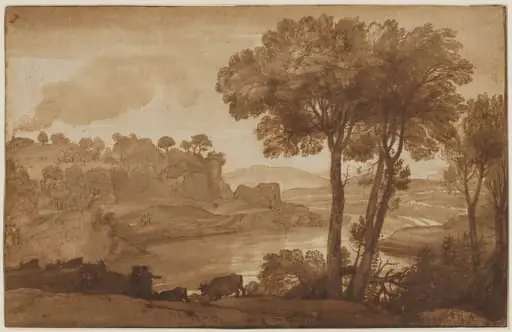 View of the Acqua Acetosa (recto)
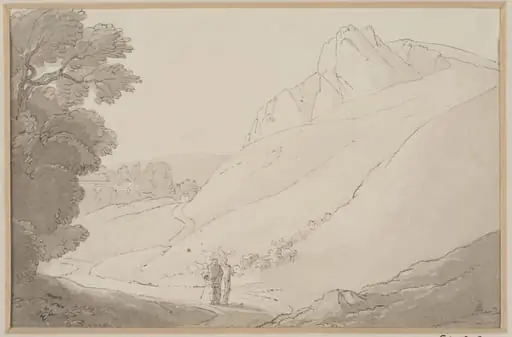 Untitled
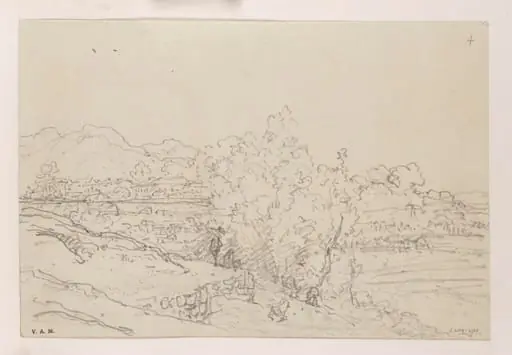 Fields and trees, with the city of Macau in the distance
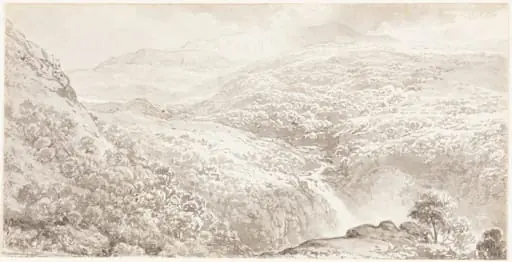 A Mountain Valley with a Waterfall
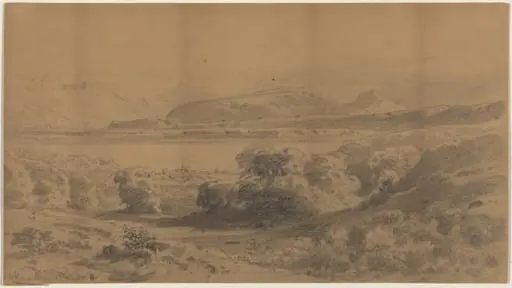 Panorama on a Mountain Lake
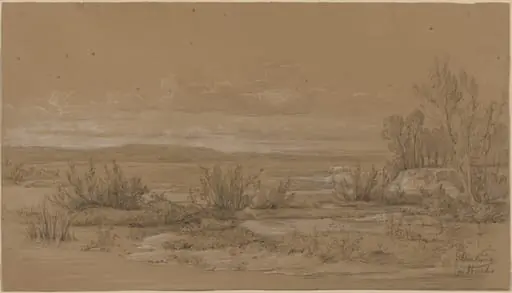 Landscape near Vourlis