Artwork
Platou de formă tronconică, modelat la roată; decor geometrizant realizat cu linii circulare concentrice între care sunt așezate motive fitomorfe: flori realizate cu puncte de culoare și petale desenate cu pensonul sau cornul între care sunt intercalate grupuri de puncte; central prezintă un motiv fitomorf: floare, conturul acesteia find realizat cu puncte de culoare; cromatică: fond verde, decor realizat cu alb, cărămiziu și brun. Pe exteriorul vasului este impresată semnătura meșterului scrisă cu majusculă și caractere italice: Colibaba C. și anul când a fost confecționat 1967.
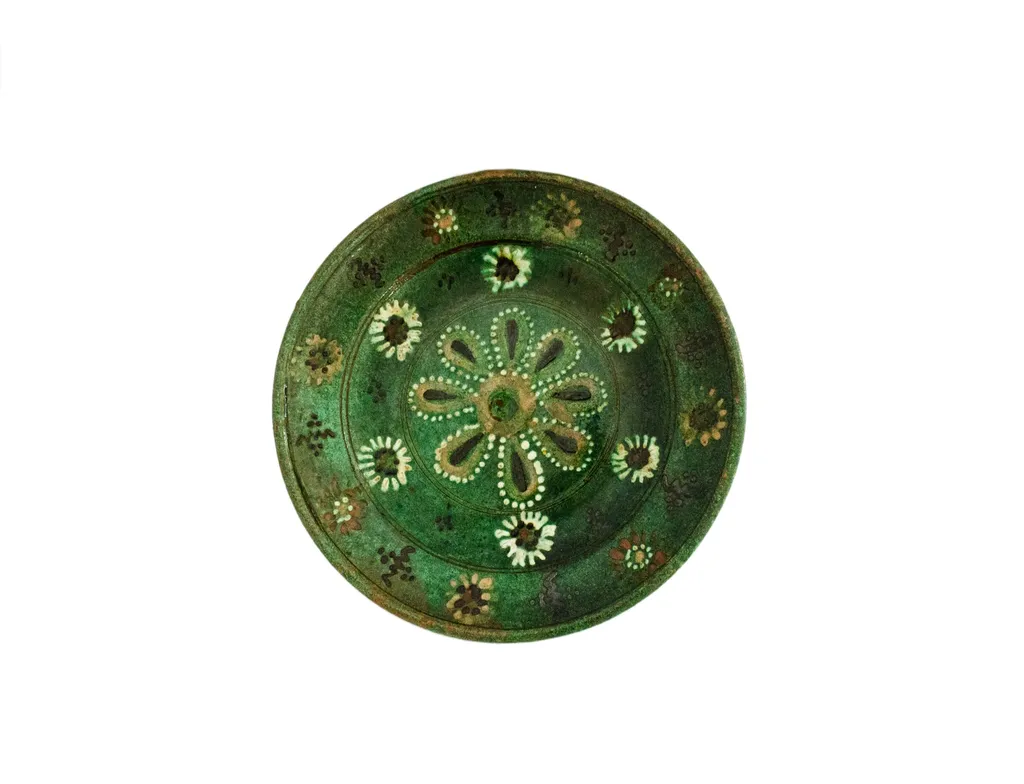
Platou de formă tronconică, modelat la roată; decor geometrizant realizat cu linii circulare concentrice între care sunt așezate motive fitomorfe: flori realizate cu puncte de culoare și petale desenate cu pensonul sau cornul între care sunt intercalate grupuri de puncte; central prezintă un motiv fitomorf: floare, conturul acesteia find realizat cu puncte de culoare; cromatică: fond verde, decor realizat cu alb, cărămiziu și brun. Pe exteriorul vasului este impresată semnătura meșterului scrisă cu majusculă și caractere italice: Colibaba C. și anul când a fost confecționat 1967. is a photography by Colibaba Constantin. It dates from 1968 and is held in the collection of the National Museum of Bukovina.
About this work
At the center is a flower made of small dots and lines, surrounded by more flowers and swirls in white, brown, and brick-red.
This round plate has a dark green background with a bright, geometric design. At the center is a flower made of small dots and lines, surrounded by more flowers and swirls in white, brown, and brick-red. The edges fade slightly, and the whole thing looks hand-painted with careful, uneven strokes.
The artist signed it "Colibaba C." and wrote the year 1967 near the rim. The flowers aren’t realistic—they’re made of dots and simple shapes, almost like stitching.
Next, check out Colibaba Constantin to see more of his work.
Overview
Platou de formă tronconică, created by Colibaba Constantin in 1967, is a ceramic piece characterized by its conical shape and distinctive geometric-organic design. It is part of the collection at the Museum of Ethnography.
Subject & Meaning
The plate's central motif is a stylized flower, surrounded by additional floral elements and geometric patterns. These motifs, composed of dots and simple shapes, evoke a folk-art aesthetic with abstracted, non-realistic representations of natural forms.
Technique & Style
The piece was wheel-thrown, with a hand-painted design featuring a green background, white, brick-red, and brown accents. The floral patterns combine punctate techniques (dots) with line work, executed in careful, somewhat uneven strokes suggestive of manual craftsmanship.
History & Provenance
Created in 1967 by Colibaba Constantin, the plate bears the artist's signature ('Colibaba C.') and the year of creation on its exterior. It is currently housed at the Museum of Ethnography, with no detailed provenance provided beyond its institutional affiliation.
Context
While specific contextual details about the piece's creation or inspiration are not provided, its style and medium suggest alignment with mid-20th-century folk or ethnographic art practices, potentially reflecting traditional motifs reinterpreted through a modern, geometric lens.
Legacy
The legacy of 'Platou de formă tronconică' is not extensively detailed in the provided information. However, as part of the Museum of Ethnography's collection, it contributes to the preservation and visibility of Colibaba Constantin's work and potentially influences the appreciation of similar folk-art ceramics.
Artist & collection
Artist
Constantin Colibaba made colorful folk pottery following the Kuty and Rădăuți styles.
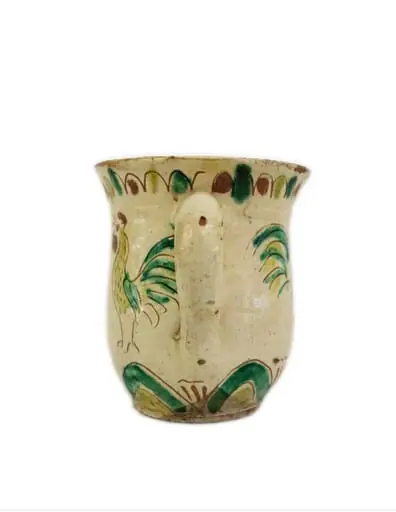 Căniță lucrată în manieră Kuty, de formă cilindrică, bombată la mijloc, modelată la roată; prezintă o toartă pentru prindere; decor geometrizant organizat la extremități: la bază semicercuri despărțite de linii curbe iar spre gura vasului un șir de semiovaluri alternând cromatic; pe restul suprafeței apar motive avimorfe: cocoșul alternând cu sabie și halebardă întretăiate; cromatică: fond alb dat de angobă, decor cu verde, galben și cărămiziu.
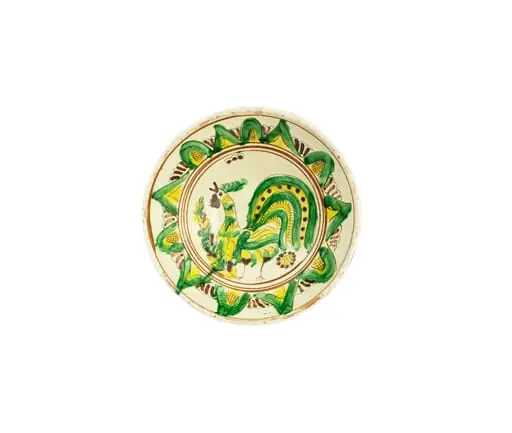 Strachină lucrată în manieră Kuty, de formă tronconică, modelată la roată; decor naturalist amplasat pe toată suprafața vasului organizat în două registre despărțite de linii circulare concentrice realizate cu cornul; central prezintă un motiv avimorf: cocoș; în registrul de la extremitatea vasului sunt desenate motive geometrice unghiulare alternând cu motive semiovoidale realizate cu linii drepte, linii curbe și hașuri; cromatică: fond alb dat de angobă, decor cu galben, verde și brun. Pe exterior este ștampilat numele meșterului cu majusculă și caractere italice: Colibaba.
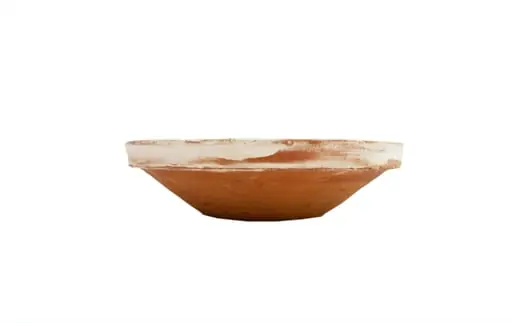 Strachină lucrată în manieră Kuty, de formă tronconică, modelată la roată; decor geometrizant și naturalist amplasat pe toată suprafața vasului organizat în două registre despărțite de linii circulare realizate cu cornul: central prezintă un motiv fitomorf: plantă în ghiveci cu trei inflorescențe: lalea și floarea soarelui; spre marginea vasului un registru cu motive geometrice unghiulare, despărțite de grupuri de liniuțe; cromatică: fond alb dat de angobă, decor realizat cu verde, galben, negru și cărămiziu. Pe exterior este imprimată ștampila cu numele meșterului scris cu majusculă și caractere italice: Colibaba.
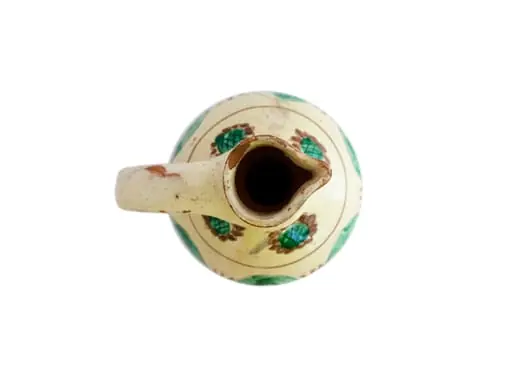 Ulcior lucrat în manieră Kuty, de formă cilindrică bombat la mijloc și cu gât îngust, modelat la roată; prezintă o toartă pentru prindere și un lob pentru turnarea lichidelor realizat prin impresiune cu degetul; decor geometrizat organizat în trei registre, despărțite de linii circulare realizate cu cornul: în registrul inferior apar motive geometrice unghiulare despărțite de grupuri de liniuțe; în registrul din mijloc motive geometrice semicirculare despărțite de grupuri de liniuțe și realizate cu linii curbe și hașuri, spre gâtul vasului un registru cu motive astrale: soare realizate cu cercuri, hașuri și puncte de culoare; cromatică: fond alb dat de angobă, decor realizat cu verde, galben și cărămiziu.
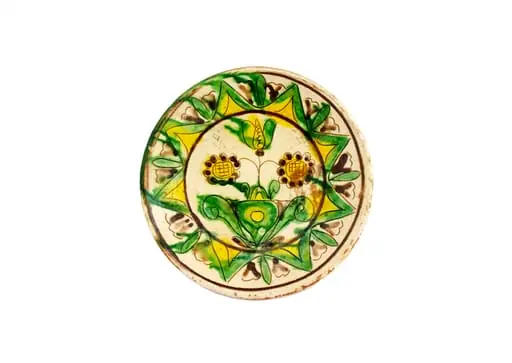 Farfurie lucrată în manieră Kuty, de formă tronconică, modelată la roată; decor geometrizat amplasat pe toată suprafața vasului organizat în două registre despărțite de linii circulare concentrice realizate cu cornul; central prezintă un motiv fitomorf: lalea într-un ghiveci cu trei inflorescențe; în registrul de la extremitatea vasului sunt desenate motive geometrice unghiulare realizate cu linii drepte despărțite de grupuri de liniuțe; cromatică: fond alb dat de angobă, decor cu galben, verde, brun. Pe exterior este imprimată ștampila cu numele meșterului scris cu majusculă și caractere italice: Colibaba.
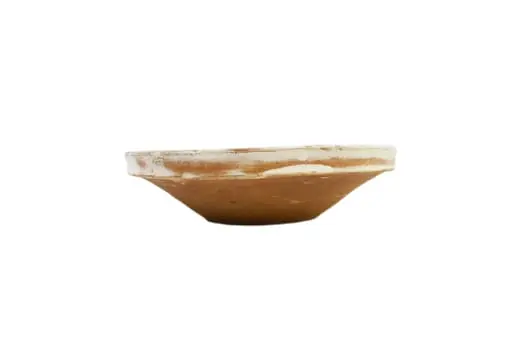 Strachină lucrată în manieră Kuty, de formă tronconică, modelată la roată; decor naturalist amplasat pe toată suprafața vasului organizat în două registre despărțite de linii circulare concentrice realizate cu cornul; central prezintă un motiv avimorf: pasăre; în registrul de la extremitatea vasului sunt desenate motive geometrice semiovoidale realizate cu linii curbe și despărțite de grupuri de trei liniuțe; cromatică: fond alb dat de angobă, decor cu galben, verde și brun. Pe exterior este ștampilat numele meșterului cu majusculă și caractere italice: Colibaba.
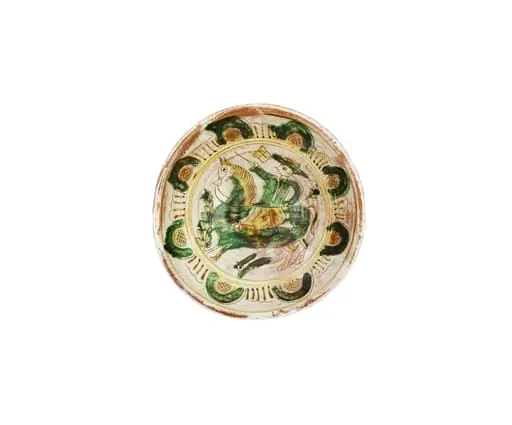 Strachină lucrată în manieră Kuty, de formă tronconică, modelată la roată; decor geometrizat amplasat pe toată suprafața vasului organizat în două registre despărțite de linii circulare concentrice realizate cu cornul; central prezintă un motiv antropomorf: cavaler cu sabia în mână încălecat pe cal; în registrul de la extremitatea vasului sunt desenate motive geometrice semicirculare realizate cu linii curbe și hașuri, despărțite de grupuri de câte patru linii; cromatică: fond alb dat de angobă, decor cu galben, verde, cărămiziu. Pe exterior este ștampilat numele meșterului cu majuscule de tipar: COLIBABA.
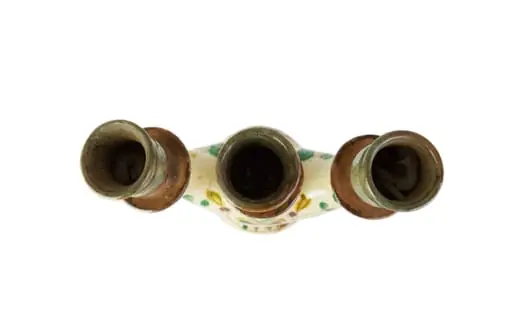 Sfeșnic lucrat în manieră Kuty, cu trei brațe pentru suportul lumânărilor, modelat la roată; prezintă decor naturalist pe cele trei brațe realizat cu motive fitomorfe: floarea soarelui, laleaua și frunze de diferite dimensiuni; pe piciorul sfeșnicului sunt desenate motive geometrice: alveole, linii drepte, triunghiuri și motive astrale: soare; suporturile pentru lumânări sunt trei discuri așezate peste cilindrele din care sunt lucrate brațele sfeșnicului; cromatică: fond alb, decor realizat cu galben, verde, cărămiziu. Pe interiorul piciorului de susținere apare semnătua autorului incizată, cu majusculă și litere de mână: Colibaba C-tin.
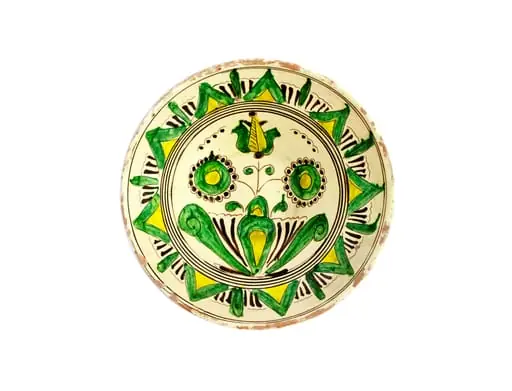 Strachină lucrată în manieră Kuty, de formă tronconică, modelată la roată; decor geometrizat și naturalist organizat în două registre despărțite de linii circulare realizate cu cornul; central prezintă un motiv fitomorf: lalea cu trei inflorescențe așezată într-un ghiveci; spre marginea vasului motive geometrice unghiulare realizate cu linii drepte, despărțite de grupuri de liniuțe; cromatică: fond alb dat de angobă, decor realizat cu verde, brun și galben. Pe exterior este imprimată ștampila cu numele meșterului scris cu majusculă și caractere italice: Colibaba.
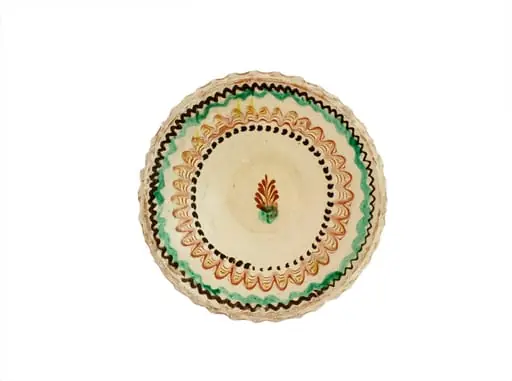 Strachină cu marginea zimțată, de formă tronconică, modelată la roată; decor geometrizant realizat cu linii circulare concentrice peste care sunt suprapuse linii curbe; spre centrul vasului decorul se continuă cu un șir de puncte de culoare, iar spre gura vasului decorul se termină cu două linii vălurite una pictată cu pensonul, cealaltă realizată cu cornul; central prezintă un motiv fitomorf: crenguța de brad; cromatică: fond alb, decor realizat cu verde, cărămiziu și brun. Pe exteriorul vasului este imprimată ștampila cu numele meșterului scris cu majuscule de tipar: COLIBABA.
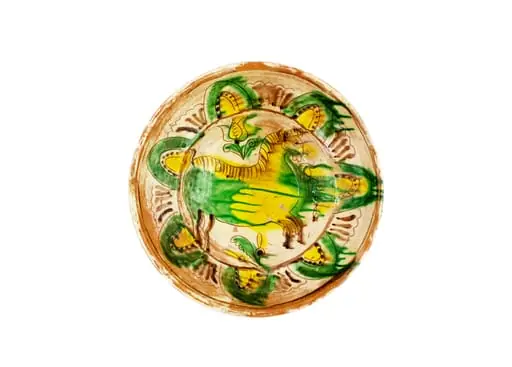 Strachină lucrată în manieră Kuty, de formă tronconică, modelată la roată; decor geometrizat și naturalist amplasat pe toată suprafața vasului organizat în două registre despărțite de linii circulare realizate cu cornul: central prezintă un motiv zoomorf: animal, înconjurat de motive fitomorfe: flori de lalea și frunze; spre marginea vasului un registru cu motive geometrice semiovoidale realizate cu linii curbe și puncte, despărțite de grupuri de liniuțe; cromatică: fond alb dat de angobă, decor realizat cu verde, galben și brun. Pe exterior este imprimată ștampila cu numele meșterului scris cu majusculă și caractere italice: Colibaba.
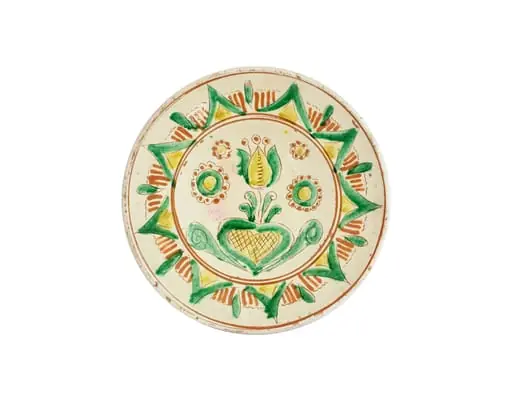 Farfurie lucrată în manieră Kuty, de formă tronconică, modelată la roată; decor geometrizant și naturalist amplasat pe toată suprafața vasului organizat în două registre despărțite de linii circulare realizate cu cornul: central prezintă un motiv fitomorf: lalea în ghiveci și motive astrale: soare realizate cu cercuri, linii curbe și puncte de culoare; spre marginea vasului un registru cu motive geometrice unghiulare, despărțite de grupuri de liniuțe; cromatică: fond alb dat de angobă, decor realizat cu verde, galben și cărămiziu.
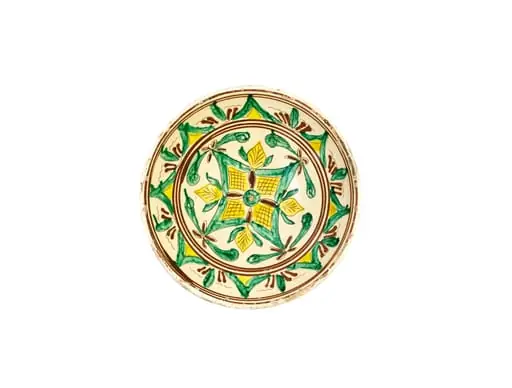 Strachină lucrată în manieră Kuty, de formă tronconică, modelată la roată; decor geometrizant amplasat pe toată suprafața vasului organizat în două registre despărțite de linii circulare concentrice realizate cu cornul; central prezintă motive fitomorfe stilizate dispuse în X; în registrul de la extremitatea vasului sunt desenate motive geometrice unghiulare despărțite de grupuri de liniuțe; cromatică: fond alb dat de angobă, decor cu galben, verde și cărămiziu. Pe exterior este ștampilat numele meșterului cu majuscule de tipar: COLIBABA.
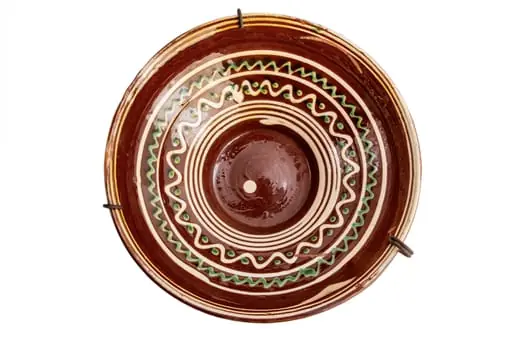 Formă tronconică; fond cărămiziu închis; culori: alb, verde; decorul geometrizant constă într-un cerc de culoare albă dispus pe fundul farfuriei încadrat de patru cercuri concentrice de culoare albă. Pe peretele farfuriei sînt dispuse două registre decorative delimitate de cercuri de culoare albă; în registrul inferior este amplasată o linie vălurită de culoare albă cu puncte verzi sugerînd un vrej; în registrul superior un zig -zag de culoare verde dispus circular. Sub buză sînt plasate două cercuri de culoare albă.
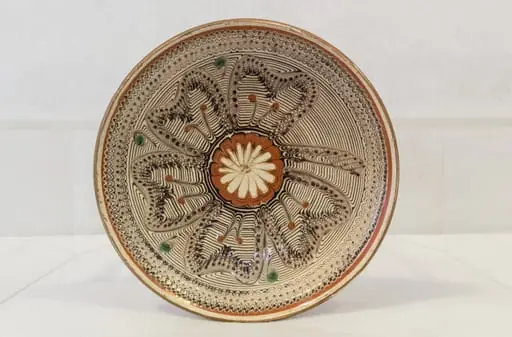 Vas de formă rotundă, plat, smălțuit pe interior, cu margini ușor răsfrânte spre exterior, decorat pe toată suprafața interioară prin pictare astfel: în centru, un motiv floral și trifoiul cu cinci foi, alături de patru motive punctiforme, amplasate printre frunzele trifoiului, câmpul cu motive liniare concentrice, iar pe margini, un registru mai lat cu motive geometrice concentrice (valul). Pe partea exterioară, apare ștampila meșterului (VICTOR VICSOREANU) și localitatea de fabricație (HOREZU). Cromatică: alb, verde, cafeniu, maro.