Artwork
Francois Bacon
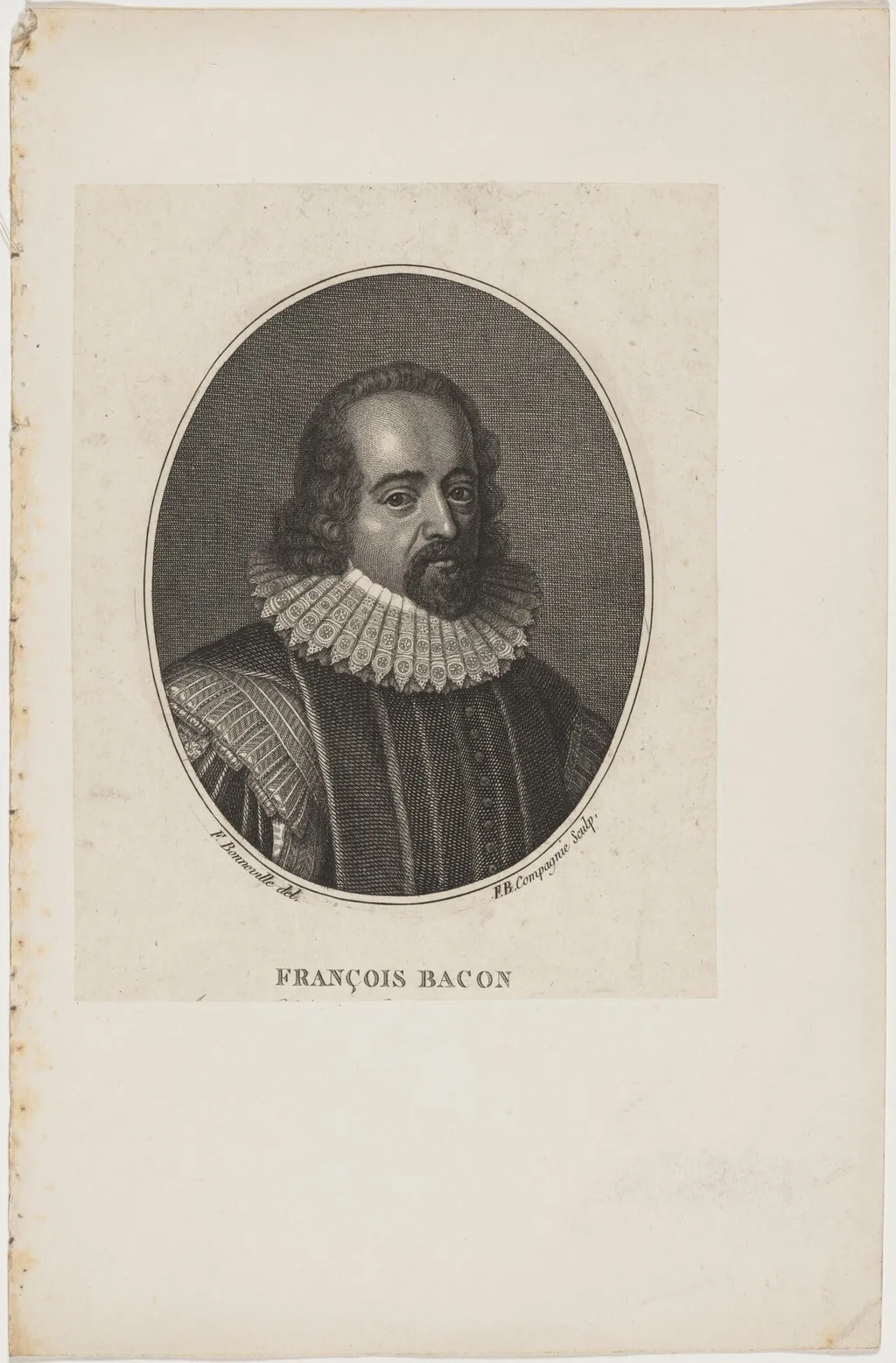
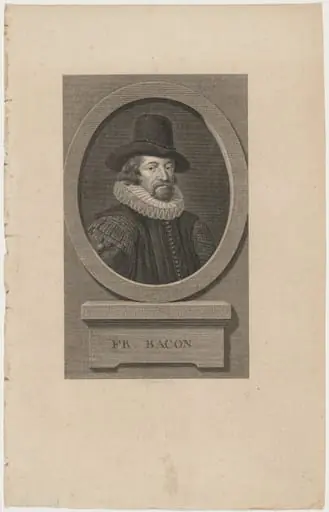
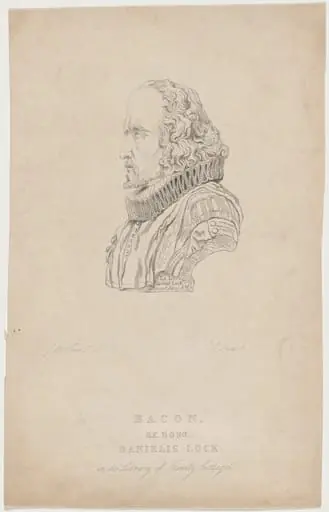
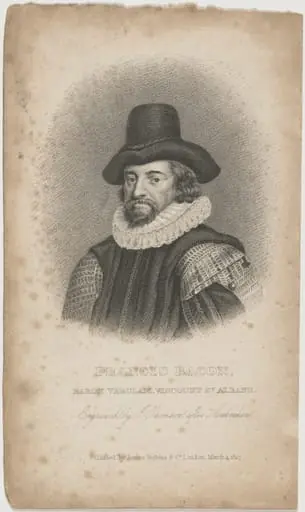
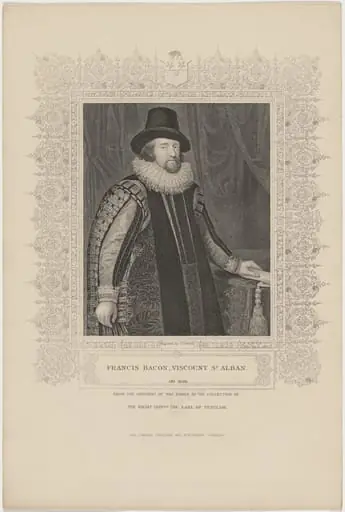
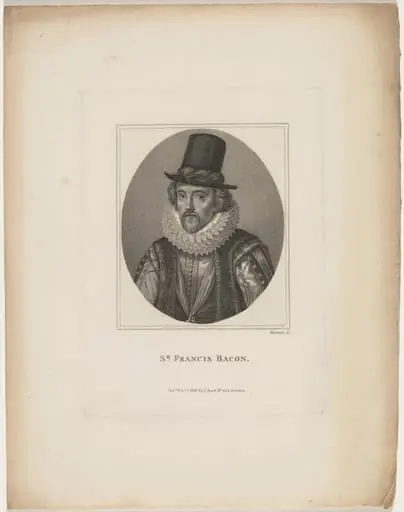
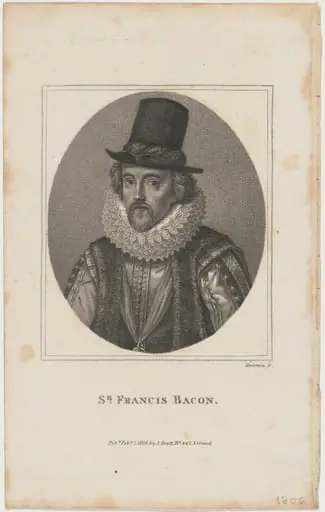
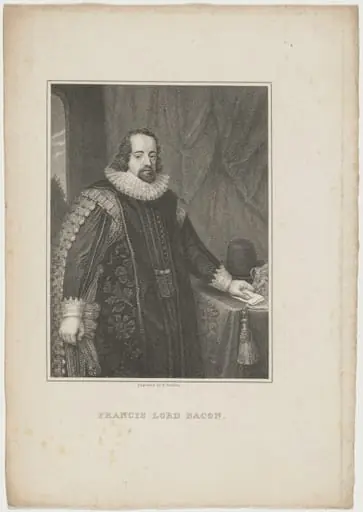
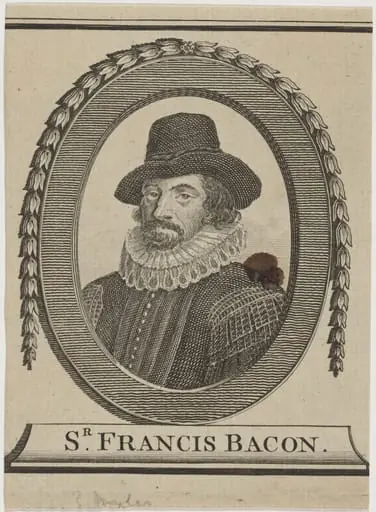
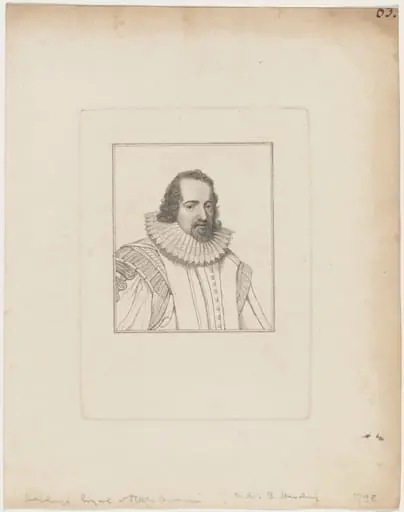
Francois Bacon is an ink print by the Baroque artist Jean Baptiste Compagnie. It dates from 1750 and is held in the collection of the National Gallery of Art. This black-and-white print is an engraving by Jean-Baptiste Compagnie, dated around 1750.
About this work
Overview
The work belongs to a tradition of engraved portraits meant for wide distribution, often used to circulate likenesses of notable figures before photography.
This black-and-white print is an engraving by Jean-Baptiste Compagnie, dated around 1750. It depicts a man identified as François Bacon, rendered with precise linear detail typical of 18th-century reproductive portraiture. The composition isolates the subject against a neutral background, emphasizing facial expression and attire. The work belongs to a tradition of engraved portraits meant for wide distribution, often used to circulate likenesses of notable figures before photography.
Subject & Meaning
The sitter, identified as François Bacon, is portrayed with a solemn demeanor, suggesting dignity and intellectual gravity. His attire—high ruffled collar, dark coat, and patterned shirt—reflects formal male dress of the mid-18th century, signaling social status rather than personal identity. The absence of symbolic objects or setting implies the image’s purpose was to convey presence and refinement, not narrative or achievement.
Technique & Style
Compagnie employed fine, controlled lines to model form and texture, using cross-hatching to suggest shadow and fabric depth. The engraving technique, involving incised lines on a metal plate, allowed for sharp detail in the ruffles, skin tones, and coat folds. The monochrome palette enhances the graphic clarity, aligning with the print’s function as a reproducible image rather than a unique painting.
History & Provenance
Created in 1750, the engraving likely served as a portrait reproduction for collectors or academic circles. Jean-Baptiste Compagnie was known for translating painted portraits into engraved formats, making them accessible beyond elite patrons. While the original painting this engraving derives from is unlocated, the print’s survival indicates its circulation in 18th-century European print markets.
Context
In mid-18th-century Europe, engraved portraits were a primary means of disseminating images of public figures. Artists like Compagnie worked within a network of publishers and print sellers, translating likenesses into affordable formats. This practice bridged the gap between painted portraiture and mass communication, reflecting growing literacy and interest in personal representation among the educated middle class.
Legacy
Though François Bacon’s historical significance remains unclear, the engraving endures as an example of 18th-century reproductive printmaking. It illustrates how visual identity was standardized and circulated before photographic reproduction. The work contributes to understanding the role of prints in shaping public perception of individuals during the Enlightenment era.
Artist & collection