Artwork
Tablou, ulei pe pânză, „Portret Elena Ceaușescu”, semnat Drăgușin în partea dreaptă jos, nedatat. Elena Ceaușescu, stând pe un scaun cu spătar înalt (jilț) într-o rochie elegantă de culoare albă. Comandat și oferit de Ministerul de Interne, 5 ianuarie 1979.
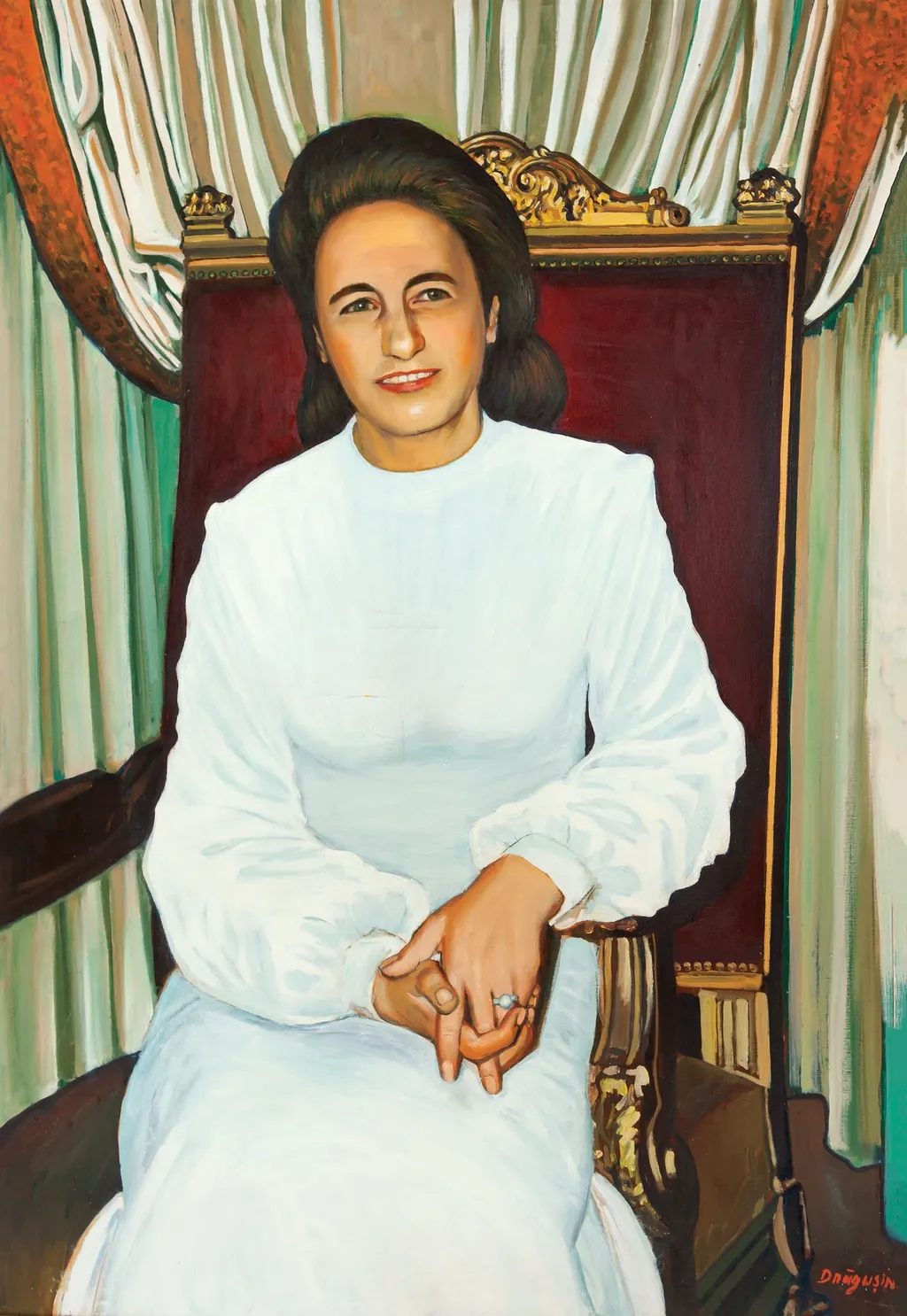
Tablou, ulei pe pânză, „Portret Elena Ceaușescu”, semnat Drăgușin în partea dreaptă jos, nedatat. Elena Ceaușescu, stând pe un scaun cu spătar înalt (jilț) într-o rochie elegantă de culoare albă. Comandat și oferit de Ministerul de Interne, 5 ianuarie 1979. is a print by Constantin Drăgușin. It is held in the collection of the National Museum of Romanian History.
About this work
Overview
The work depicts her seated upright in a high-backed chair, dressed in a simple white gown with long sleeves, hands folded neatly.
A portrait of Elena Ceaușescu, painted in oil on canvas by Constantin Drăgușin, was commissioned by the Ministry of Internal Affairs and presented on January 5, 1979. The work depicts her seated upright in a high-backed chair, dressed in a simple white gown with long sleeves, hands folded neatly. The background features a patterned wall in green and orange, while the chair is rendered in dark red with gold accents. The signature appears in the lower right corner, undated.
Subject & Meaning
The portrait presents Elena Ceaușescu in a posture of composed authority, her white dress suggesting purity and formality. The elevated chair and ornate details imply status, while her stillness and direct gaze reinforce an image of controlled dignity. The commission by a state ministry underscores its function as a tool of official representation, aligning her public persona with ideals of grace and stability under the regime.
Technique & Style
Drăgușin employed thick, textured brushwork—known as impasto—particularly on the face and hands, creating a tactile surface that emphasizes volume and presence. The heavy application contrasts with the smoother rendering of the fabric and background, drawing attention to her features. The palette is restrained, dominated by white, dark red, and muted tones, enhancing the portrait’s formal tone while the impasto adds a sense of physical weight to the figure.
History & Provenance
Commissioned by the Ministry of Internal Affairs and delivered on January 5, 1979, the painting was part of a state-driven effort to cultivate the public image of the Ceaușescu family. Its origin as an official gift suggests institutional control over visual representation. No record of its post-1989 disposition is publicly documented, and its current location remains unconfirmed.
Context
Created during the height of Nicolae and Elena Ceaușescu’s rule, the portrait reflects the regime’s emphasis on cultivating a cult of personality through controlled imagery. Official commissions like this one replaced private patronage with state-directed art, prioritizing symbolism over individual expression. The choice of a white dress and solemn posture aligned with state-approved ideals of feminine virtue and leadership.
Legacy
The portrait remains a documented artifact of Romania’s communist-era visual propaganda, illustrating how portraiture served political ends. Drăgușin’s technique, while technically competent, is not widely studied outside its historical context. The work’s significance lies less in artistic innovation than in its role as a state-sanctioned image, now preserved as a historical record rather than an aesthetic achievement.
Artist & collection
Artist
Constantin Drăgușin painted official portraits in mid-20th-century Romania. One example is *Portrait Elena Ceaușescu* (1979), a large oil showing the First Lady seated in a white dress. The work was ordered by the…

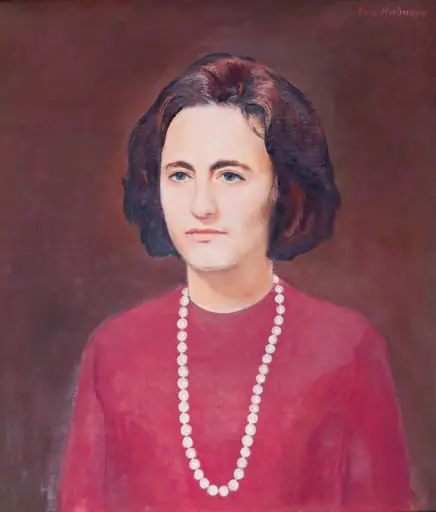 Tablou, ulei pe pânză, „Elena Ceaușescu”, semnat în partea dreaptă sus Dan Hatmanu. Oferit de autor, 6 ianuarie 1979.
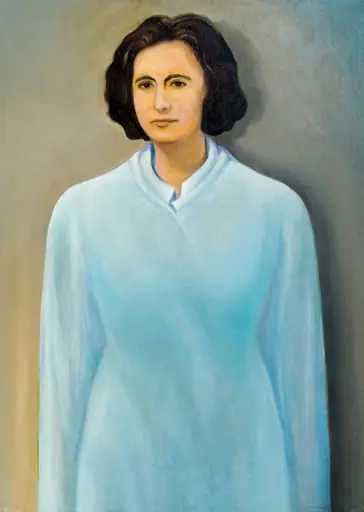 Tablou, ulei pe pânză, ”Portret Elena Ceaușescu”, nesemnat, atribui lui Nicolae Toma. Oferit de autor, cu ocazia zilei de naștere a Elenei Ceaușescu, Ploiești, ianuarie 1978.
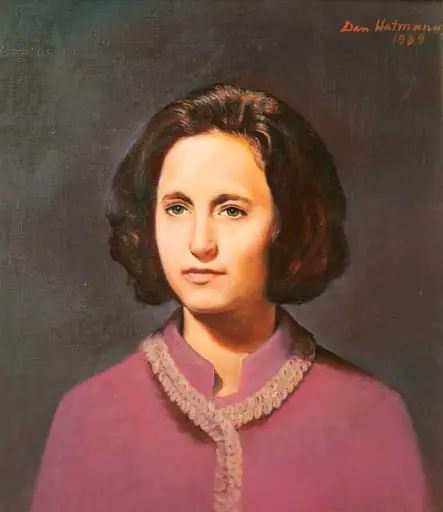 Tablou ulei pe pânză, , „Elena Ceaușescu”, semnat Dan Hatmanu și datat 1989 în partea dreaptă sus. Tabloul o înfățișază pe Elena Ceaușescu într-un costum cu volane în nuanțe de roz. Comandat de Consiliul Național al Femeilor și oferit Elenei Ceaușecu cu ocazia împlinirii vârstei de 70 de ani (ianuarie 1989).
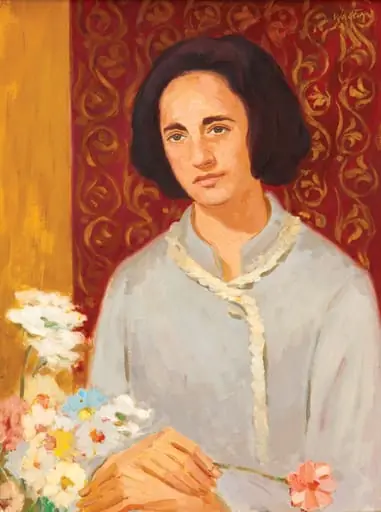 Tablou, ulei pe pânză, Portret Elena Ceaușescu, atribuit lui Fredric Bytoy. Elena Ceaușescu reprezentată înt-o atitudine melancolică alături de un buchet de flori. Comandat și oferit de Comitetul de Partid Maramureș, 7 ianuarie 1979.
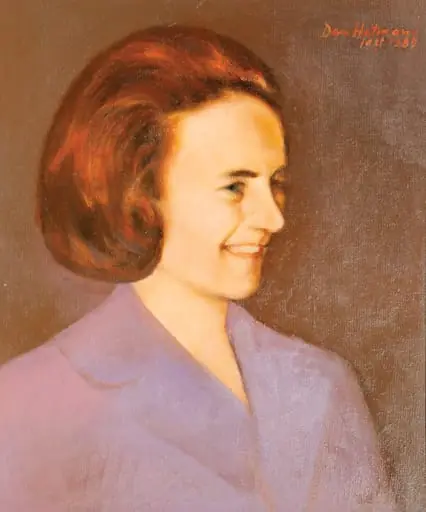 Tablou ”Portret Elena Ceaușescu” semnat Dan Hatmanu și datat dreapta sus.Ulei/pânză. Comandat de Comitetul Județean de Partid Iași și oferit cadou Elenei Ceaușescu cu ocazia aniversării a 70 de ani (ianuarie 1989).
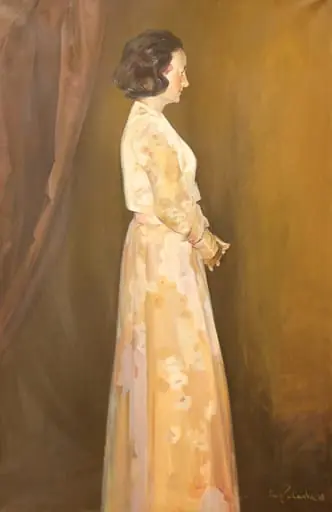 Tablou - portret întreg Elena Ceaușescu din profil, semnat și datat dreapta jos ”Eugen Palade 78”. Tablou comandat de Consiliul Culturii și Educației Socialiste și oferit în dar Elenei Ceaușescu la împlinirea vârstei de 60 de ani (ianuarie 1979).
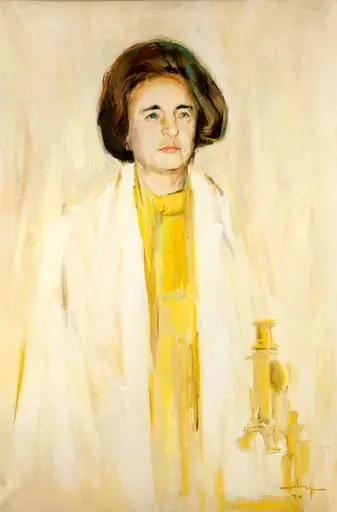 Tablou „Elena Ceușescu” semnat dreapta jos indescifrabil, atribuit lui Ion Țarălungă. Tabloul o prezintă pe Elena Ceaușescu într-o postură gravă de cercetător (halat alb și microscop alăturat). Comandat de Consiliul de Conducere al Ministerului Apărării Naționale și oferit Elenei Ceaușescu la 5 ianuarie 1979.
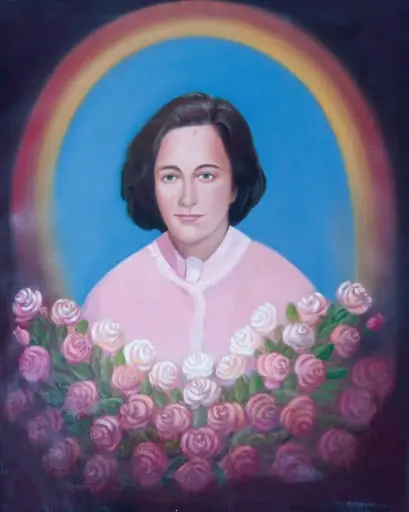 Tablou „Omagiu”, semnat N. Porumb și datat în partea dreaptă jos. Tabloul o reprezintă pe Elena Ceaușescu cu tricolorul în spate sub formă de curcubeu; în partea de jos a tabloului o ”mare” de trandafiri. Comandat de Comitetul Județean de Partid Sibiu și dăruit Elenei Ceaușescu cu ocazia zilie de naștere (ianuarie 1989).
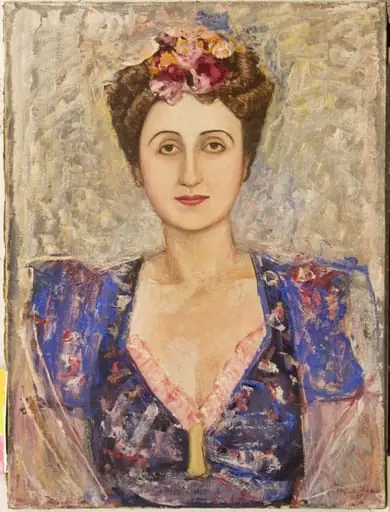 Portretul doamnei Viorica Mavrodin
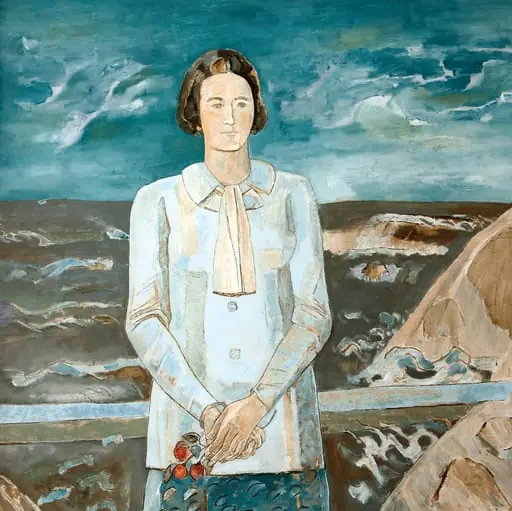 Tablou reprezentând-o pe Elena Ceaușescu, atribuit lui Traian Brădeanu. Tablou comandat de Consiliul Culturii și Educației Socialiste și oferit în dar Elenei Ceaușescu la împlinirea vârstei de 60 de ani (ianuarie 1979).
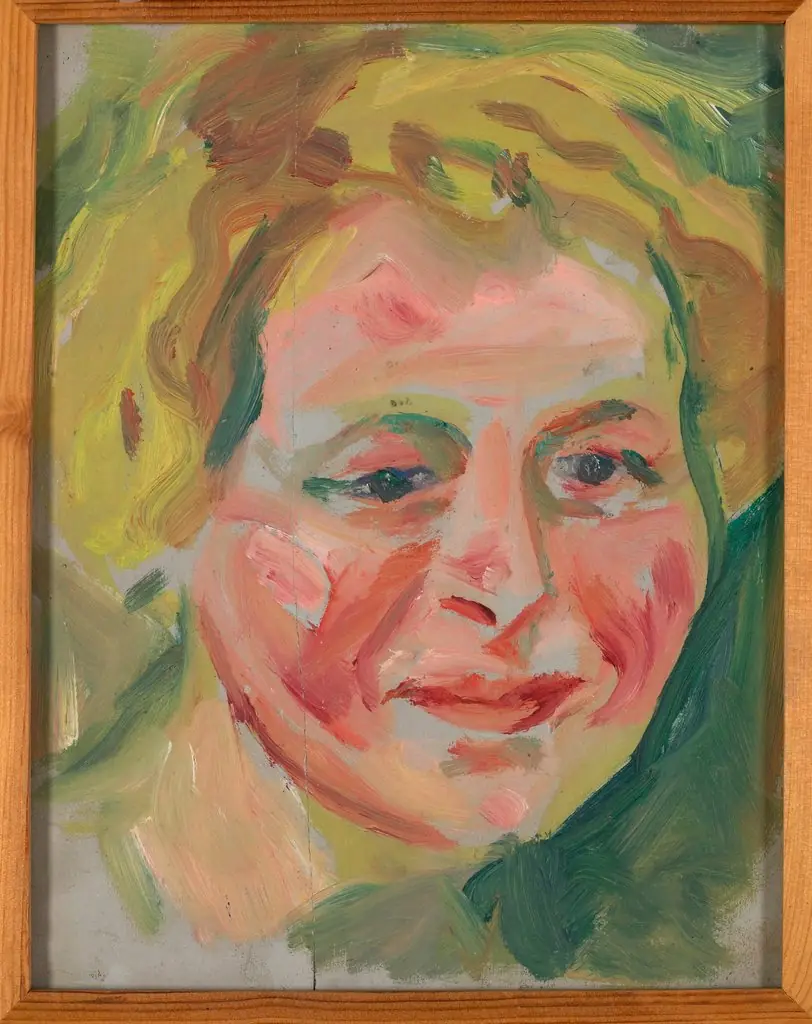 Study of a Head
 Portretul pictoriței Lucia Cottan