Artwork
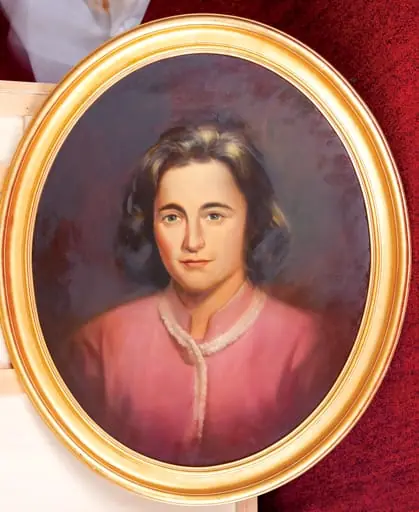
Tablou ”Portret Elena Ceaușescu” semnat Dan Hatmanu și datat dreapta sus.Ulei/pânză. Comandat de Comitetul Județean de Partid Iași și oferit cadou Elenei Ceaușescu cu ocazia aniversării a 70 de ani (ianuarie 1989).
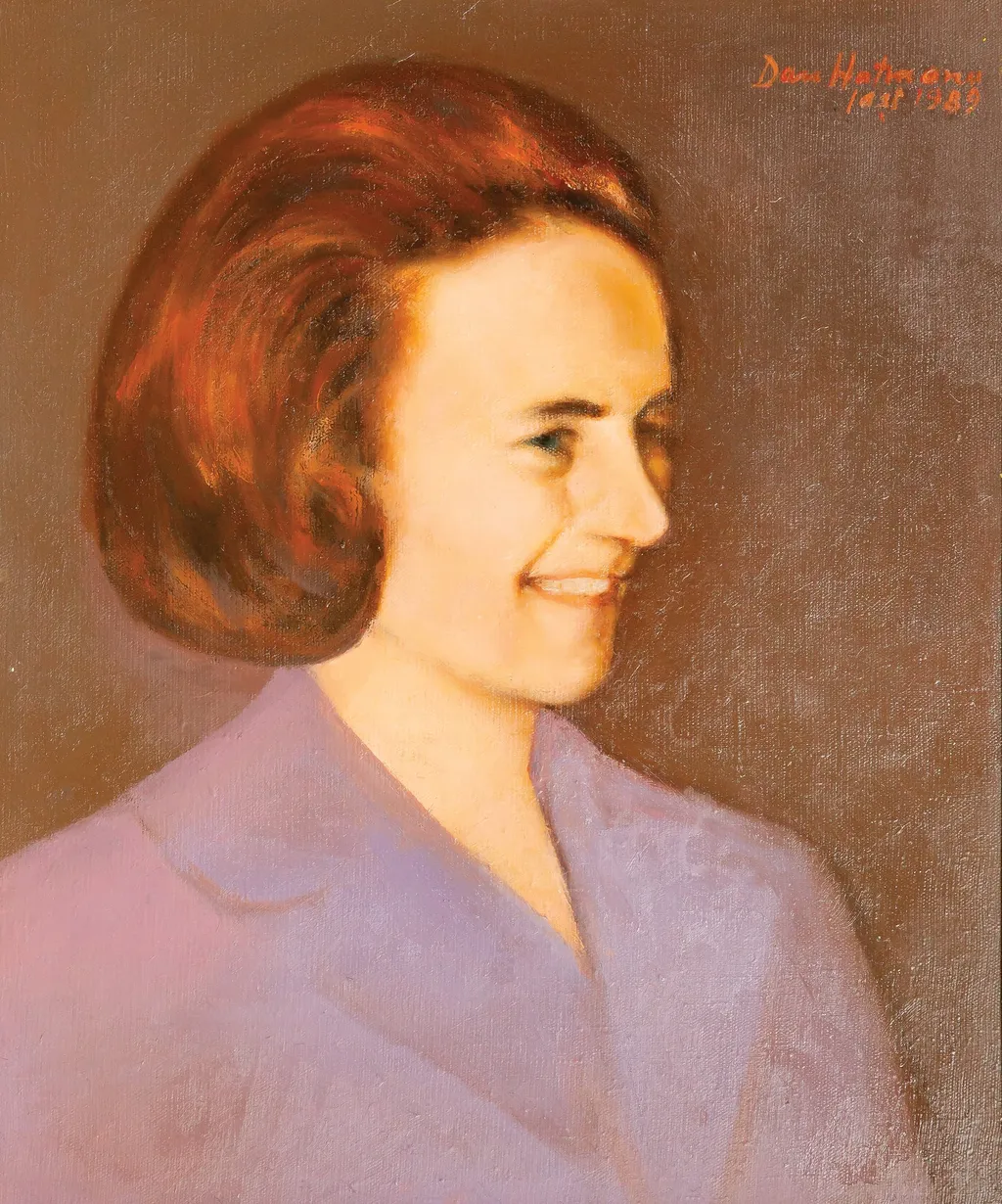
Tablou ”Portret Elena Ceaușescu” semnat Dan Hatmanu și datat dreapta sus.Ulei/pânză. Comandat de Comitetul Județean de Partid Iași și oferit cadou Elenei Ceaușescu cu ocazia aniversării a 70 de ani (ianuarie 1989). is a print by Dan Hatmanu. It is held in the collection of the National Museum of Romanian History.
About this work
Overview
The work presents a formal, chest-up depiction of the First Lady, rendered with restrained detail and a muted palette.
This oil-on-canvas portrait, signed and dated by Dan Hatmanu, was commissioned by the Iași County Party Committee in early 1989 as a birthday gift for Elena Ceaușescu on her 70th anniversary. The work presents a formal, chest-up depiction of the First Lady, rendered with restrained detail and a muted palette. Its production was tied to state ceremonial practice, reflecting the cult of personality surrounding Romania’s ruling family during the final years of the communist regime.
Subject & Meaning
The subject is Elena Ceaușescu, portrayed in a stylized, idealized manner that avoids overt flattery yet maintains dignity. Her red bob haircut and purple V-neck top suggest a deliberate attempt at modernity and refinement, while the blurred facial features obscure individuality, aligning with state-approved imagery that emphasized symbolic authority over personal identity. The solid brown background eliminates context, focusing attention solely on her figure as a representation of institutional power.
Technique & Style
Hatmanu employed a simplified, almost impersonal technique, using smooth brushwork and limited tonal variation. The face is intentionally softened, lacking sharp definition, which distances the portrait from traditional realism. The composition is tightly cropped, emphasizing formal attire and posture. The color scheme—purple against brown—creates a quiet contrast, reinforcing a sense of controlled elegance rather than theatrical grandeur.
History & Provenance
Commissioned by the Iași County Party Committee, the painting was presented as an official gift in January 1989, during the final months of Nicolae and Elena Ceaușescu’s rule. Its origin reflects the widespread practice of producing state-sanctioned portraits to reinforce loyalty and ideological conformity. After the 1989 revolution, such works were often removed from public view, though this piece’s current location remains undocumented.
Context
In the late 1980s, Romania’s regime intensified efforts to cultivate a cult of personality around the Ceaușescus, commissioning portraits, monuments, and media imagery across the country. Official artists like Hatmanu operated within strict parameters, producing works that balanced aesthetic restraint with political symbolism. This portrait, though modest in scale, was part of a broader apparatus designed to project stability and reverence for the leadership.
Legacy
The painting survives as a quiet artifact of state ritual under a collapsed regime. Unlike more flamboyant portraits of the era, its subdued style reflects the bureaucratic nature of its commission. It offers no overt propaganda, yet its existence underscores how art was mobilized to sustain political authority. Today, it stands as a neutral record of how power was visually negotiated in the final years of communist Romania.
Artist & collection
Artist
Dan Hatmanu made large oil-on-canvas portraits and history scenes for state orders in late-1980s Romania.

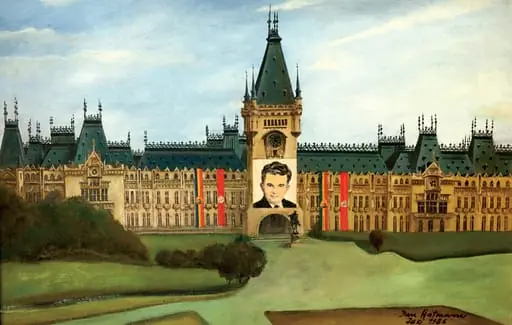 Tablou, „Iașul în sărbătoare”, semnat Dan Hatmanu și datat dreapta jos. Taboul prezintă Palatul Culturii din Iași, în centru portretul lui Nicolae Ceaușescu dispus pe turnul central. În stânga și în dreapta turnului steagurile Republicii Socialiste România. Comandat de Comitetul Județean de Partid Iași (1986).
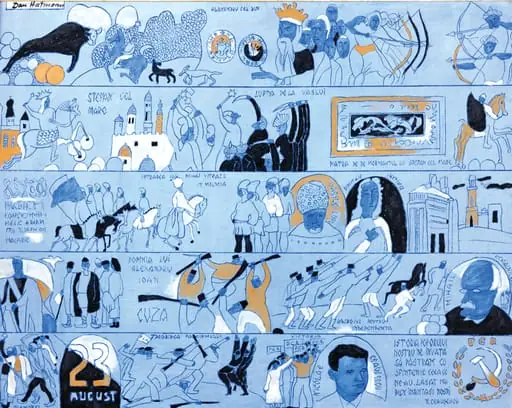 Tablou, „Momente din istoria neamului”, semnat în stânga sus Dan Hatmanu. Acuarelă/ pânză. Înrămat Comandat de Comitetul Județean de Partid Iași, 14 octombrie 1981
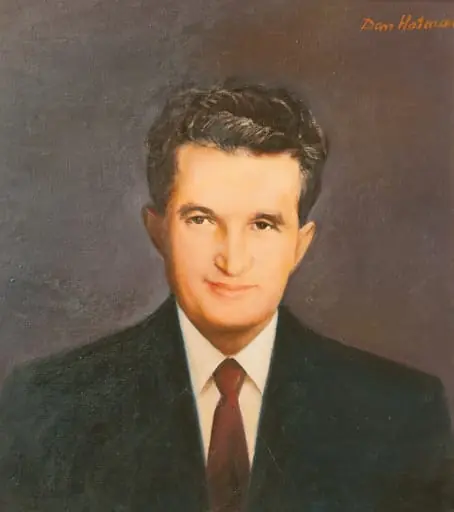 Tablou ulei pe pânză, „Nicolae Ceaușescu” semnat Dan Hatmanu în partea dreaptă sus, nedatat. Comandat de Consiliul Național al Femeilor și oferit cu ocazia aniversării zilei de naștere (ianuarie 1989).
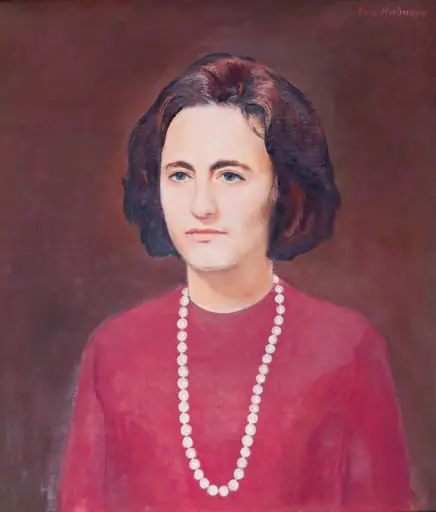 Tablou, ulei pe pânză, „Elena Ceaușescu”, semnat în partea dreaptă sus Dan Hatmanu. Oferit de autor, 6 ianuarie 1979.
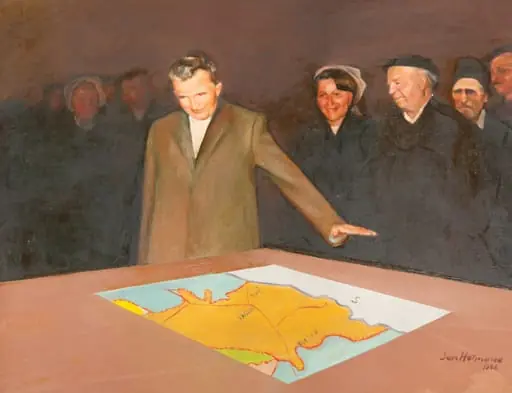 Tablou „Vizită la Vaslui”, semnat Dan Hatmanu și datat dreapta jos. Tabloul îl prezintă pe Nicolae Ceaușescu în timpul unei vizite de lucru alături de oamenii muncii. Comandat pe Comitetul Județean de Partid Vaslui și oferit lui Nicolae Ceaușescu la împlinirea vârstei de 70 de ani (ianuarie 1988).
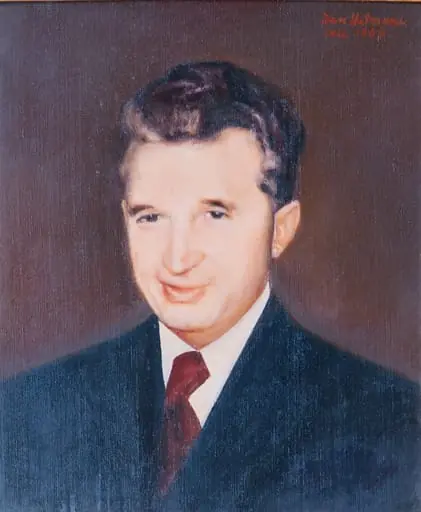 Tablou reprezentându-l pe Nicolae Ceaușescu, semnat Dan Hatmanu. Comandat de Comitetul Județean de Partid Iași și oferit cu ocazia zilei de naștere a președintelui RSR (ianuarie 1989).
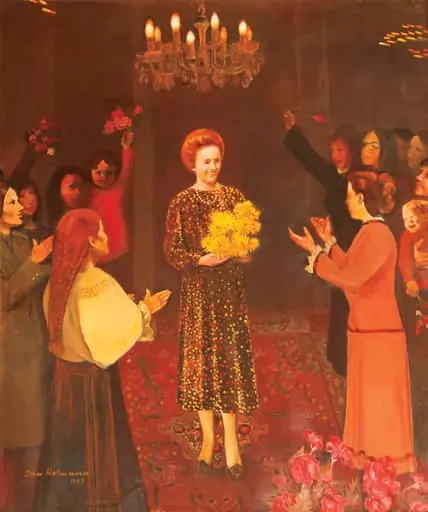 Tablou, ulei pe pânză, „Elena Ceaușescu”, semnat Dan Hatmanu și datat 1989 în partea stângă jos. Tabloul o prezintă pe Elena Ceaușescu într-un cadru festiv, cu un buchet de flori în brațe, primind urale din partea unui grup de femei (membrele Consiliului Nașional al Femeilor). Comandat de Consiliul Național al Femeilor și oferit cu ocazia aniversării zilei de naștere (ianuarie 1989).
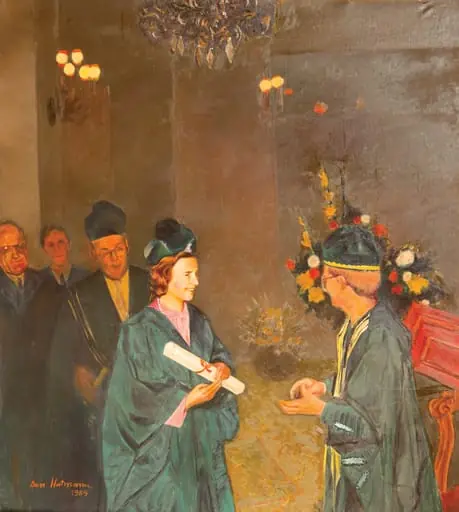 Tablou ”Tovarășa academician Elena Ceaușescu”, semnat și datat stânga jos ”Dan Hatmanu 1989”. Tablou comandat de Comitetul Municipal de Partid București. Luând în considerare vestimentația, autorul a surprins o ceremonie de acordare a unui titlui de Doctor Honoris Causa de către o instituție de știință din străinătate.
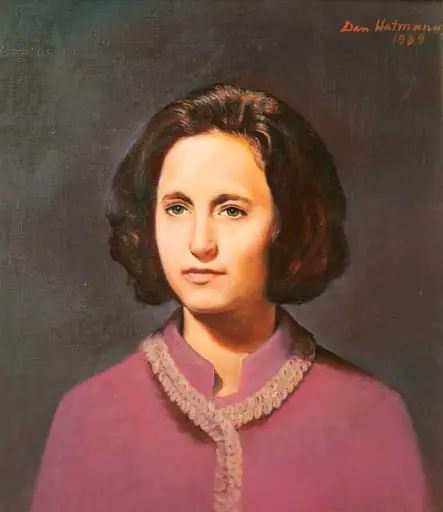 Tablou ulei pe pânză, , „Elena Ceaușescu”, semnat Dan Hatmanu și datat 1989 în partea dreaptă sus. Tabloul o înfățișază pe Elena Ceaușescu într-un costum cu volane în nuanțe de roz. Comandat de Consiliul Național al Femeilor și oferit Elenei Ceaușecu cu ocazia împlinirii vârstei de 70 de ani (ianuarie 1989).
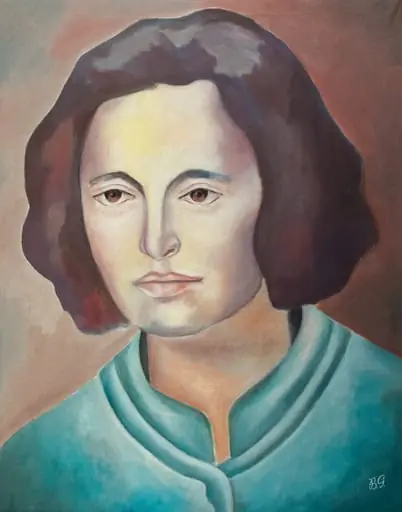 Tablou, ulei pe pânză, portret Elena Ceaușescu, semnat dreapta jos B.G. Comandat și oferit de Comitetul Județean de Partid Caraș Severin, 6 ianuarie 1979.
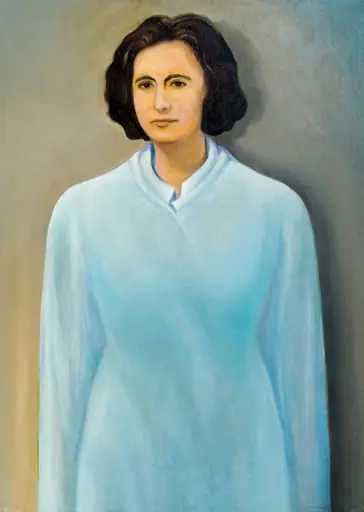 Tablou, ulei pe pânză, ”Portret Elena Ceaușescu”, nesemnat, atribui lui Nicolae Toma. Oferit de autor, cu ocazia zilei de naștere a Elenei Ceaușescu, Ploiești, ianuarie 1978.
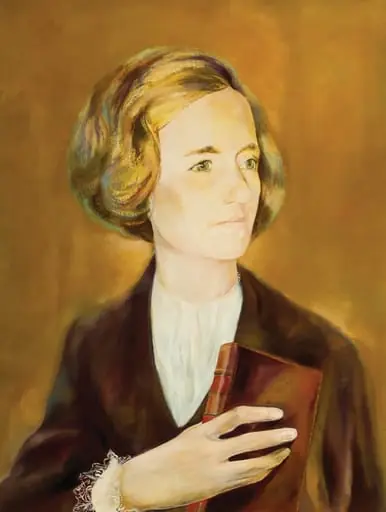 Tablou, ulei pe pânză, „Portret Elena Ceaușescu”, nedemnat, atribuit lui Zamfir Dumitrescu. Elena Ceaușescu este prezentată într-o postură contemplativă, ținând în mâna dreraptă un volum îmbrăcat în piele. Comandat și oferit de Consiliul Național al Femeilor, cu ocazia împlinirii vârstei de 60 de ani de către Elena Ceaușescu (5 ianuarie 1979).
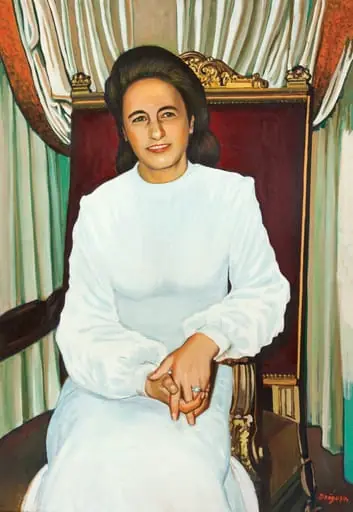 Tablou, ulei pe pânză, „Portret Elena Ceaușescu”, semnat Drăgușin în partea dreaptă jos, nedatat. Elena Ceaușescu, stând pe un scaun cu spătar înalt (jilț) într-o rochie elegantă de culoare albă. Comandat și oferit de Ministerul de Interne, 5 ianuarie 1979.
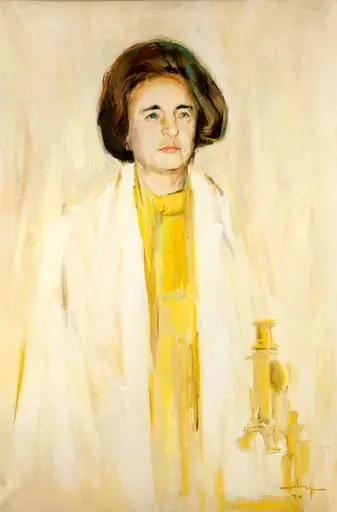 Tablou „Elena Ceușescu” semnat dreapta jos indescifrabil, atribuit lui Ion Țarălungă. Tabloul o prezintă pe Elena Ceaușescu într-o postură gravă de cercetător (halat alb și microscop alăturat). Comandat de Consiliul de Conducere al Ministerului Apărării Naționale și oferit Elenei Ceaușescu la 5 ianuarie 1979.
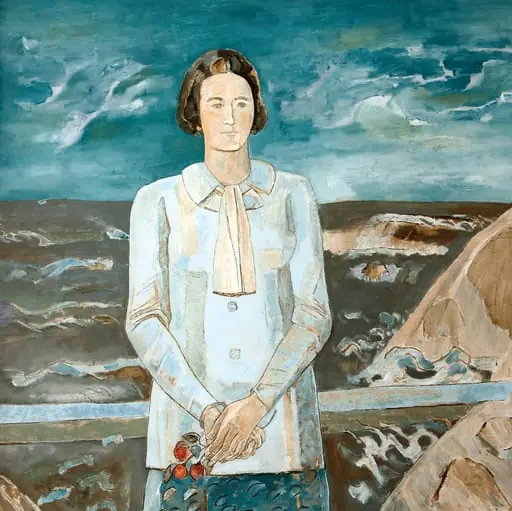 Tablou reprezentând-o pe Elena Ceaușescu, atribuit lui Traian Brădeanu. Tablou comandat de Consiliul Culturii și Educației Socialiste și oferit în dar Elenei Ceaușescu la împlinirea vârstei de 60 de ani (ianuarie 1979).
 Tablou, ulei pe pânză, portret Elena Ceaușescu, atribuit Corneliu Brudașcu. Oferit de Uniunea Artiștilor Plastici (1979).