Artwork
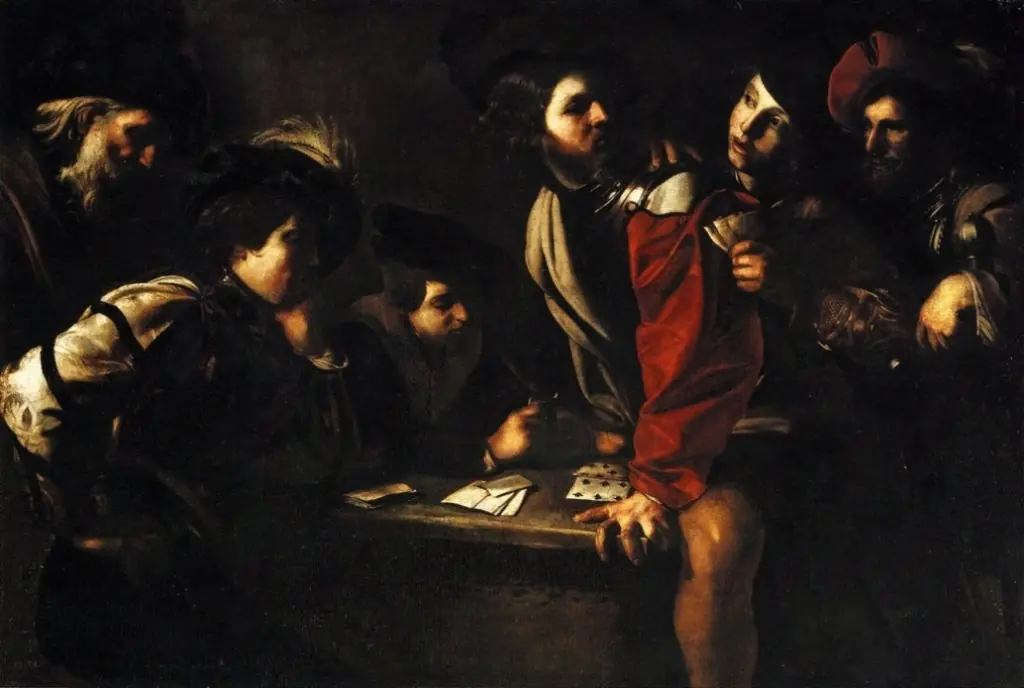
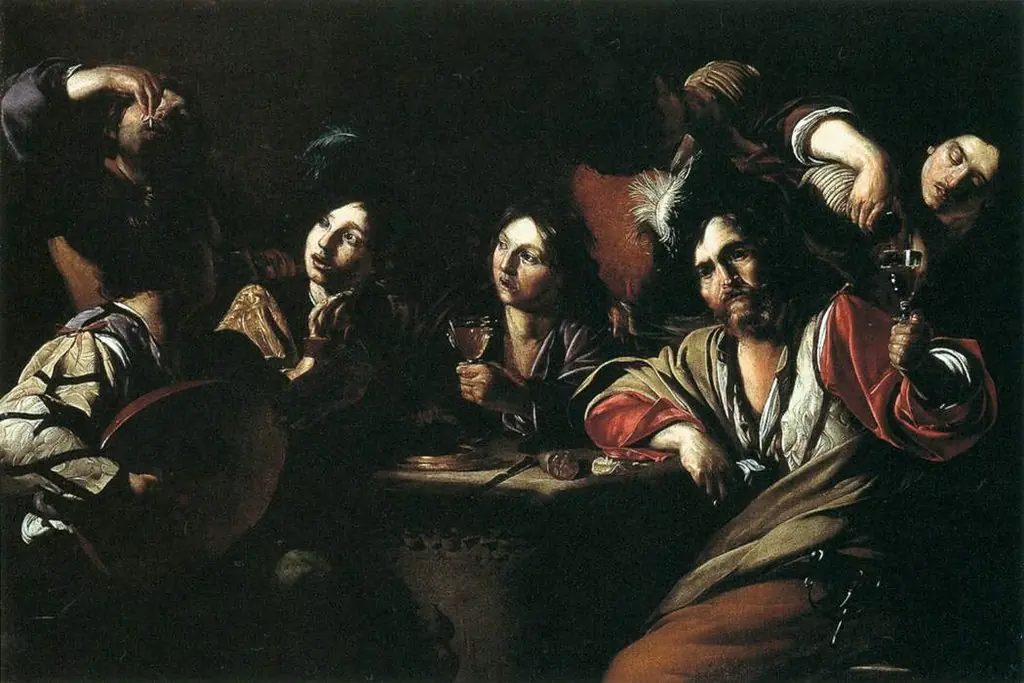
i giocatori di carte
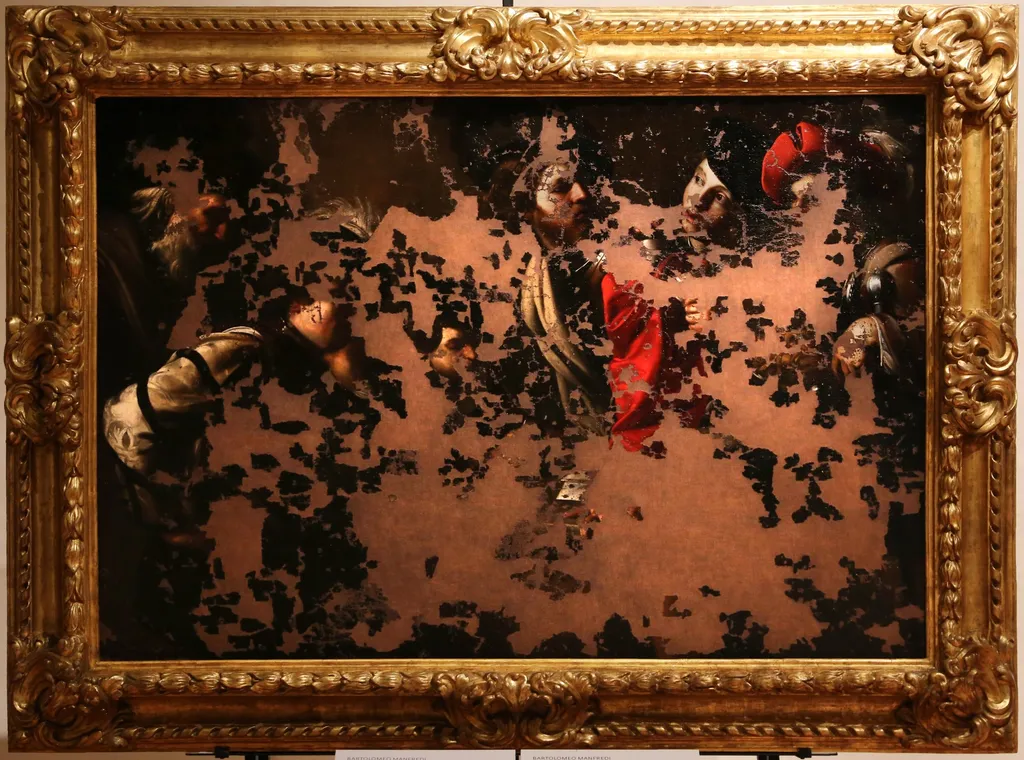
i giocatori di carte is an unspecified painting by the Early Baroque Italian artist Bartolomeo Manfredi. It dates from 1617 and is held in the collection of the Uffizi Gallery.
About this work
The painting is framed in a gold frame and appears to be in a state of disrepair, with some areas showing significant damage.
This painting, titled Q131466408, is a work by Bartolomeo Manfredi, created in 1617. The artwork features a group of people, with some wearing masks, and one individual in a red cloak. The painting is framed in a gold frame and appears to be in a state of disrepair, with some areas showing significant damage.
The painting's style is reminiscent of the Baroque period, with dramatic lighting and intense emotions. The use of masks adds an air of mystery to the scene, while the red cloak draws attention to the central figure.
To learn more about this painting and its artist, explore the works of Bartolomeo Manfredi.
Overview
Painted in 1617 by Bartolomeo Manfredi, this work depicts a card game among masked figures. It resides in the Uffizi Gallery in Florence, where it is displayed in a period gold frame. The surface shows signs of age-related deterioration, particularly in areas of paint loss and abrasion, yet the composition remains legible and emotionally charged.
Subject & Meaning
The scene captures a moment of deception during a card game, with masked participants suggesting hidden identities or moral ambiguity. The central figure, distinguished by a vivid red cloak, appears to be either manipulating the game or reacting to its outcome. The masks imply themes of disguise, risk, and social performance, common in Caravaggesque genre scenes of the era.
Technique & Style
Manfredi employs chiaroscuro to heighten dramatic tension, with strong contrasts between shadow and light anchoring the figures in a shallow, intimate space. Brushwork is direct and tactile, emphasizing texture in fabric and skin. The composition is tightly cropped, focusing attention on gestures and expressions rather than background detail, reflecting Caravaggio’s influence on his approach to realism.
History & Provenance
The painting entered the Medici collection in the early 17th century and has remained in Florence’s institutional care since. Its attribution to Manfredi has been consistently supported by stylistic analysis, though its condition has necessitated periodic conservation. Documentation confirms its presence in the Uffizi by the 18th century, with no record of significant relocation.
Context
Created during the height of Caravaggio’s influence in Rome, the painting reflects a trend among followers to depict everyday scenes with psychological depth. Card games were popular subjects in Baroque genre painting, often symbolizing vice or human folly. Manfredi’s version stands out for its restrained use of symbolism and focus on quiet, tense interaction rather than overt moralizing.
Legacy
Though less widely known than Caravaggio’s works, Manfredi’s paintings like this one helped disseminate his master’s innovations across Italy. This piece exemplifies the transition from Caravaggio’s raw naturalism to a more stylized, theatrical genre painting. It remains a key reference for understanding the development of Baroque secular art in early 17th-century Italy.
Artist & collection

Artist
Bartolomeo Manfredi was an Italian painter, a leading member of the Caravaggisti of the early 17th century.

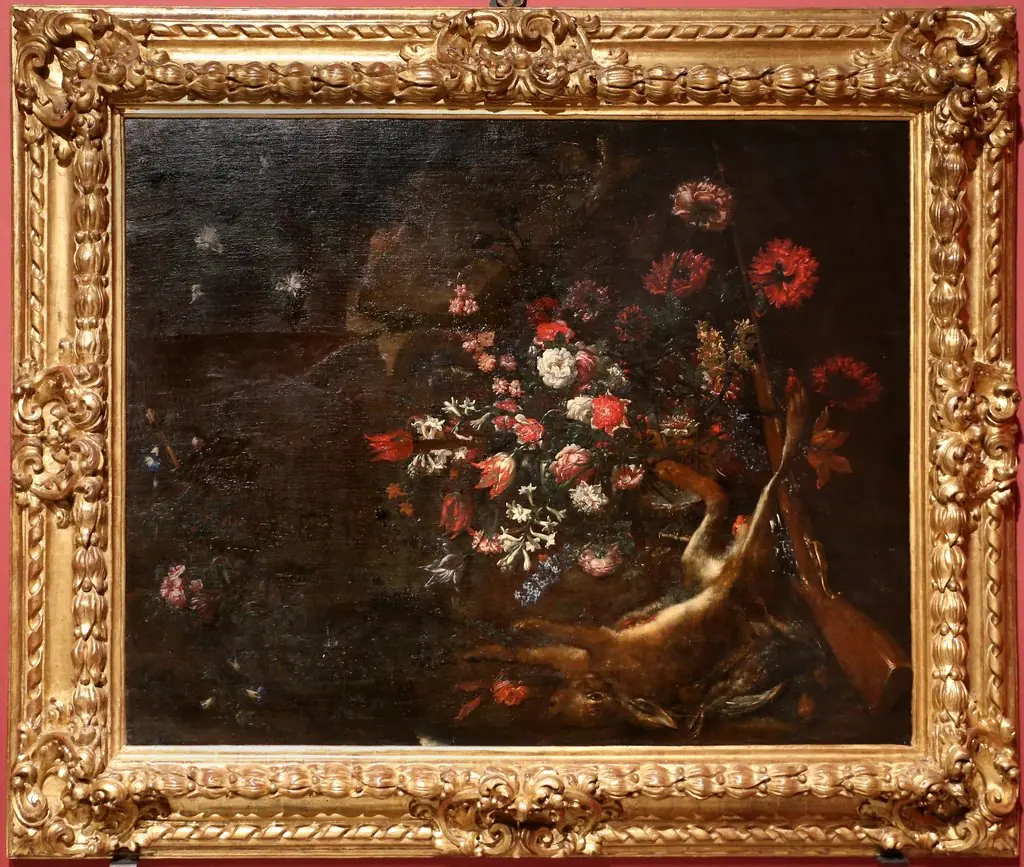 cacciagione e un fucile
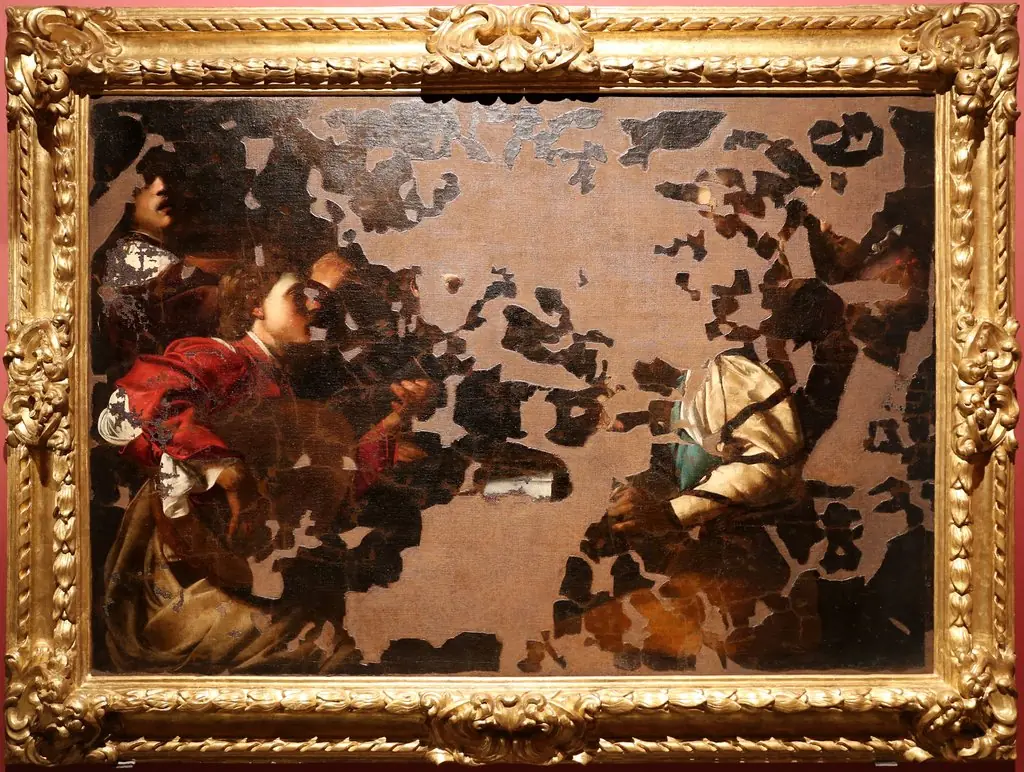 Concerto
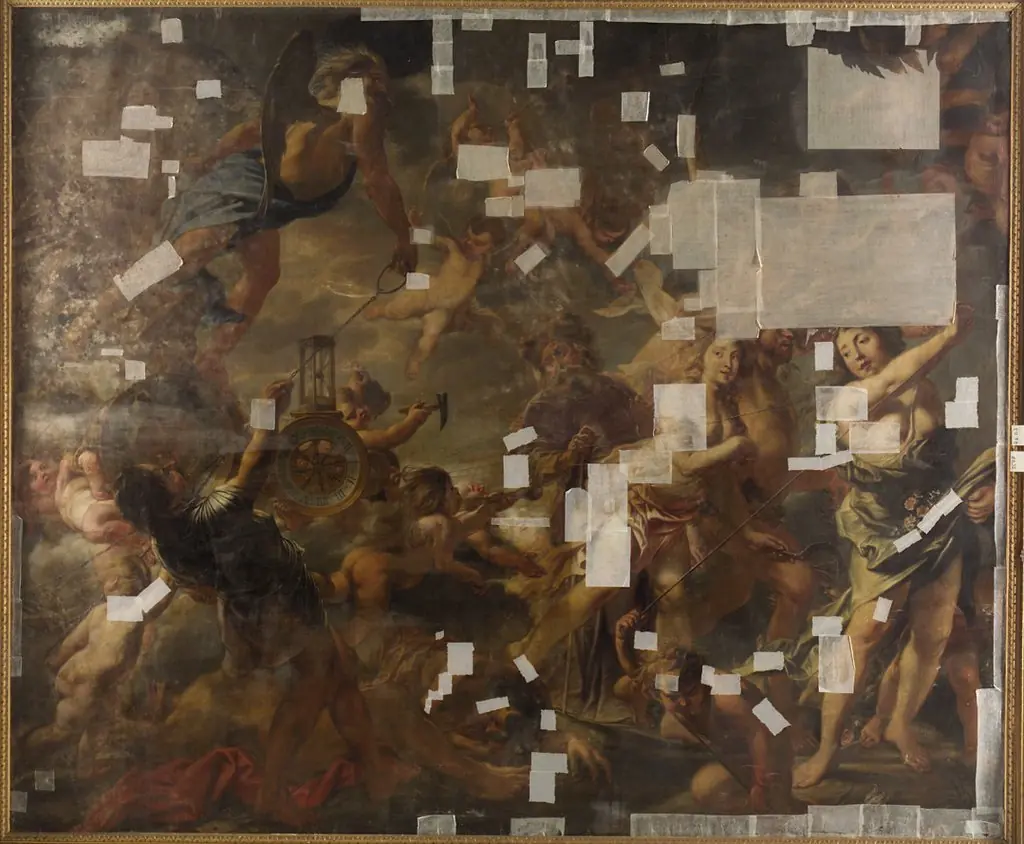 Triumph der Zeit
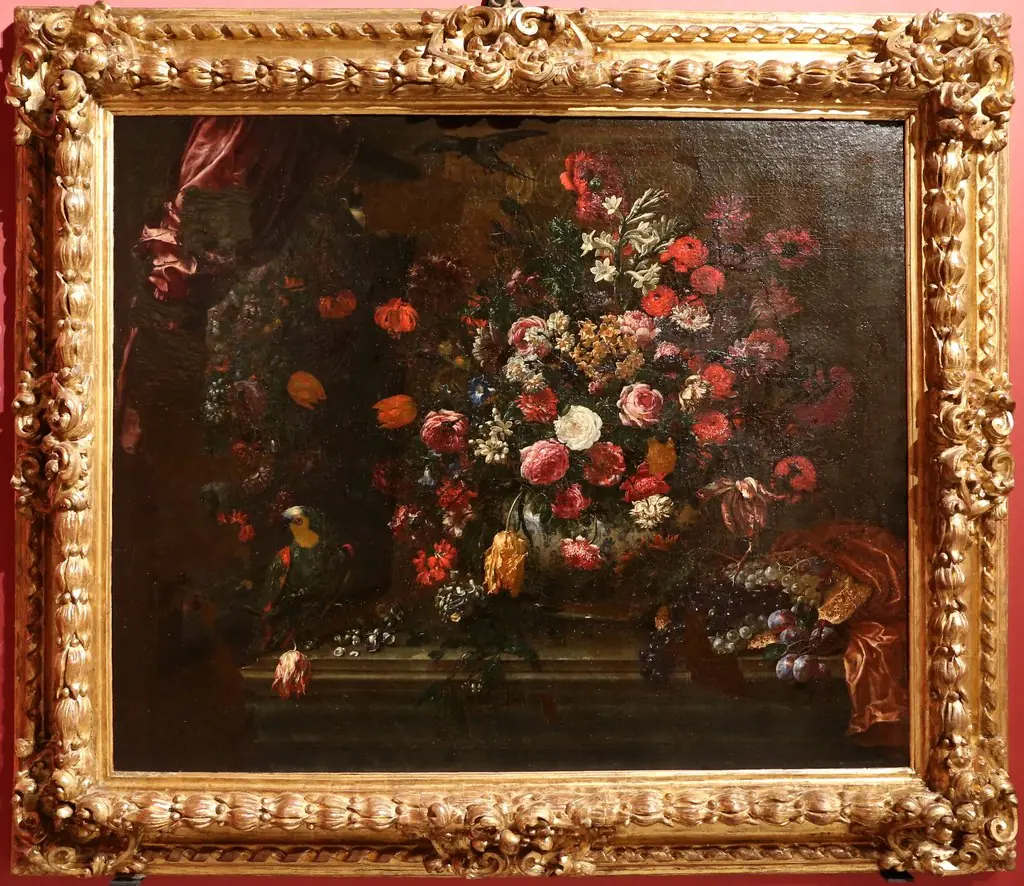 mazzo di fiori con frutti, pappagallo e uno specchio
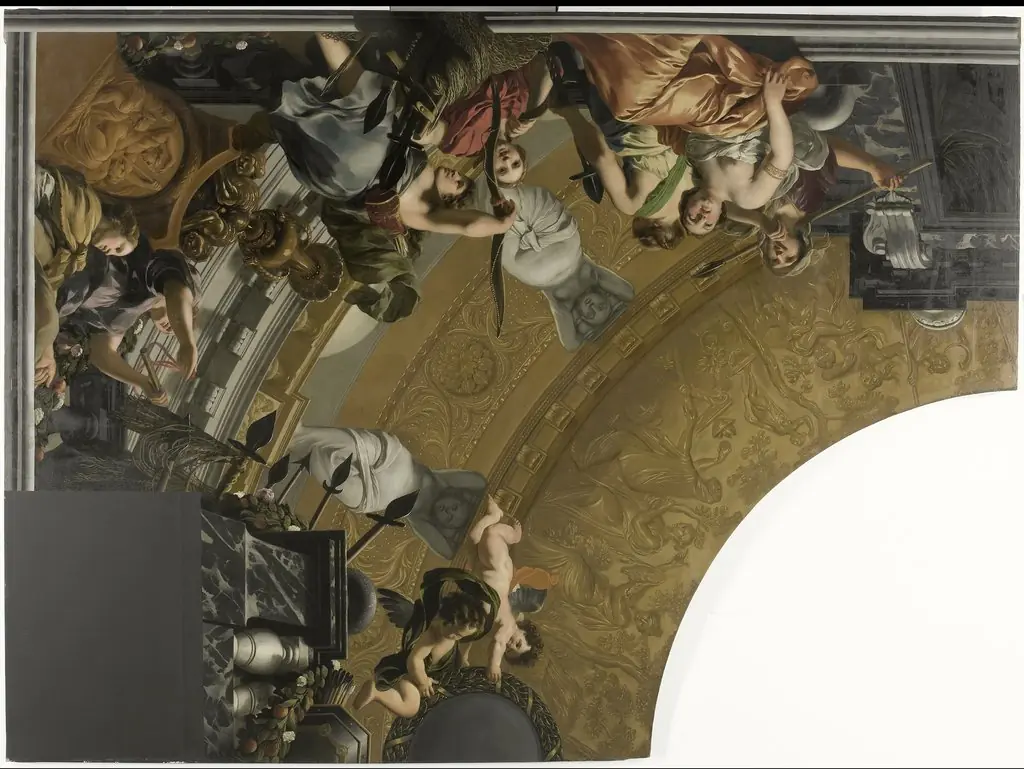 Onderdeel (linksboven) van een plafondschildering met als hoofdvoorstelling Diana en haar gezellinnen
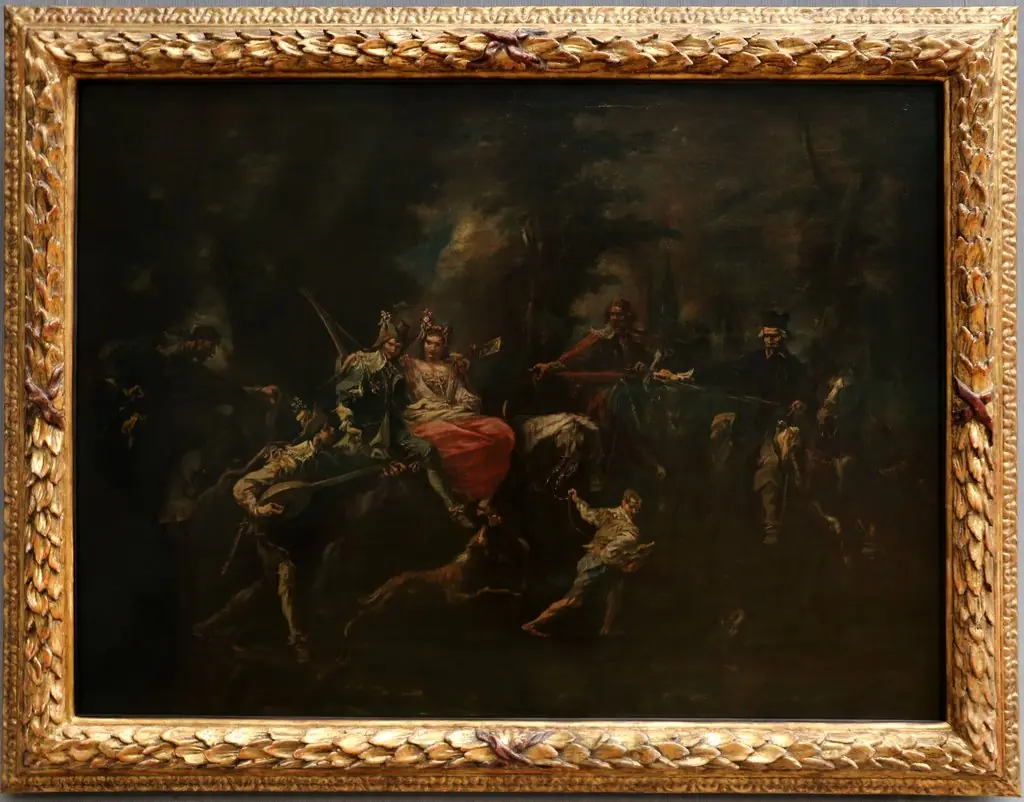 Hochzeitszug
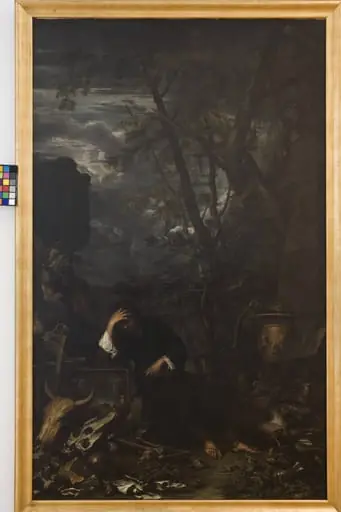 Democritus in Meditation
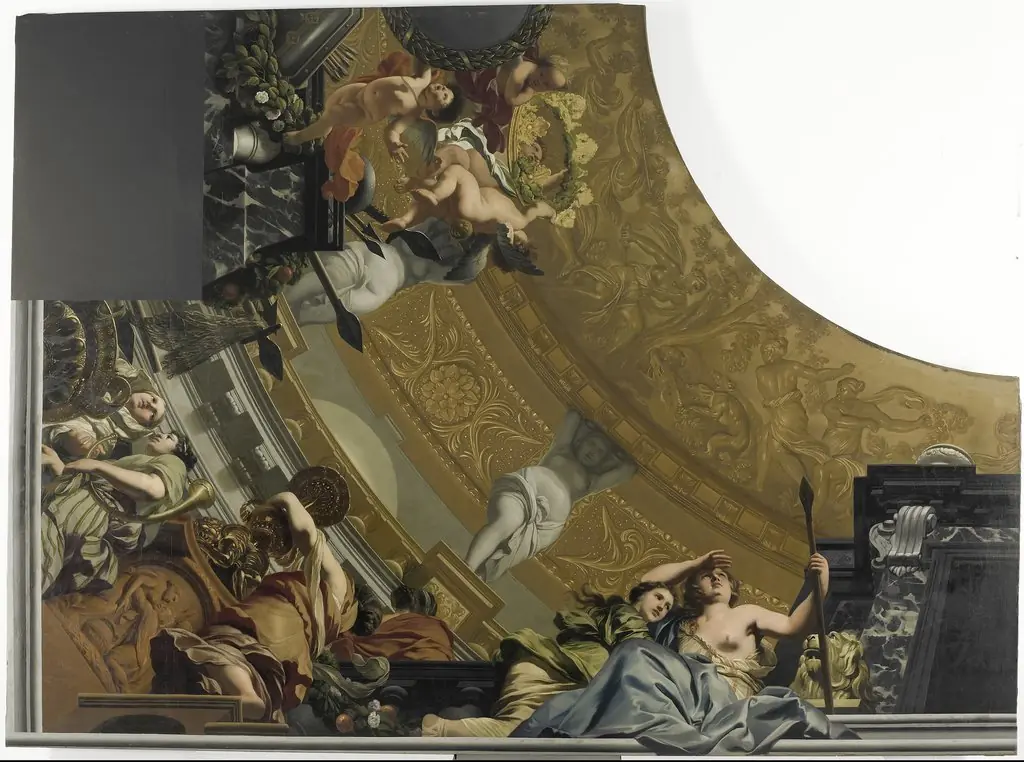 Onderdeel (linksonder) van een plafondschildering met als hoofdvoorstelling Diana en haar gezellinnen
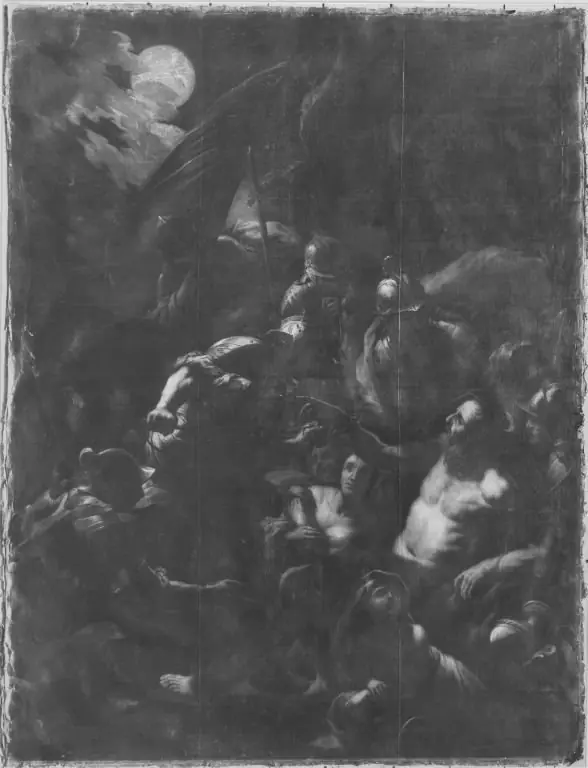 Arrest of Simson
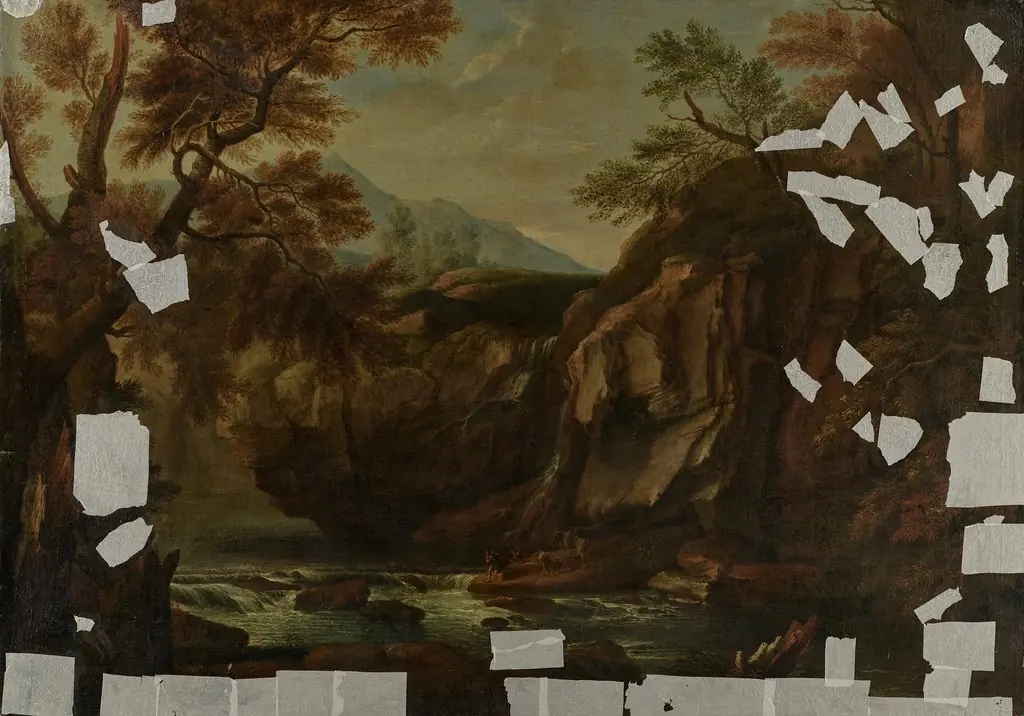 Mountain Canyon with Staffage
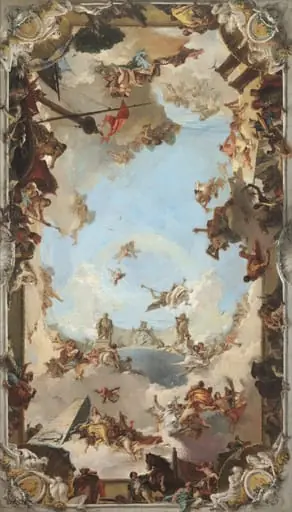 Wealth and Benefits of the Spanish Monarchy under Charles III
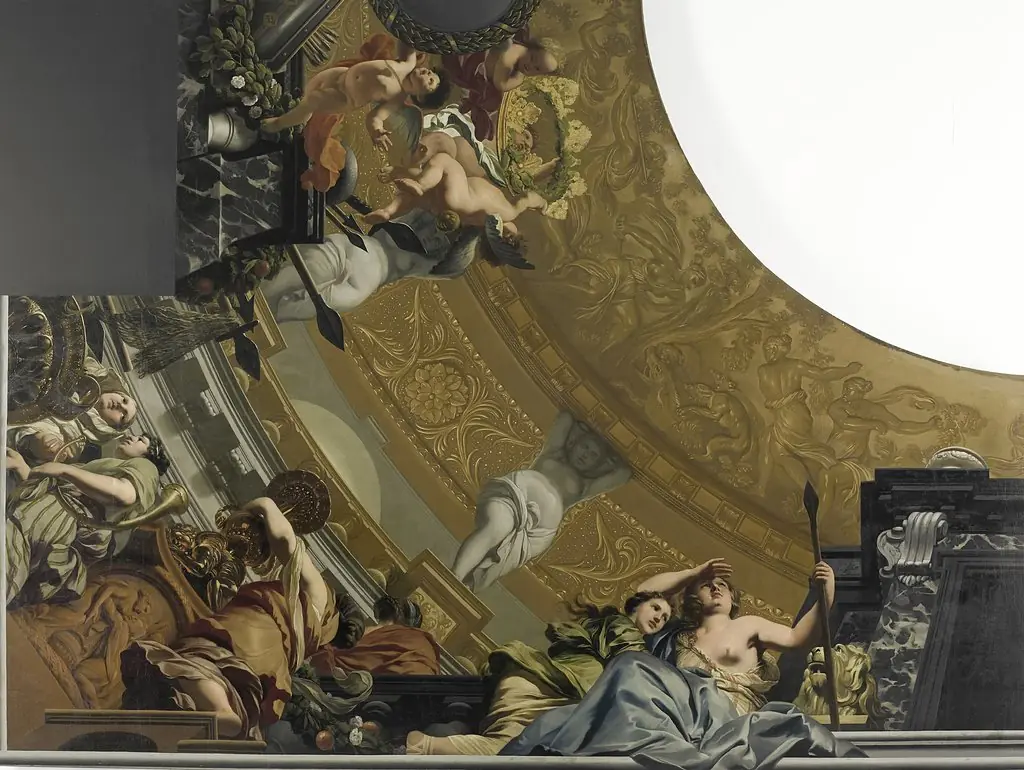 Five-part ceiling decoration for the great hall of Soestdijk Palace, with Diana and her companions as the principal representation