Artwork
El sacrificio de Ifigenia
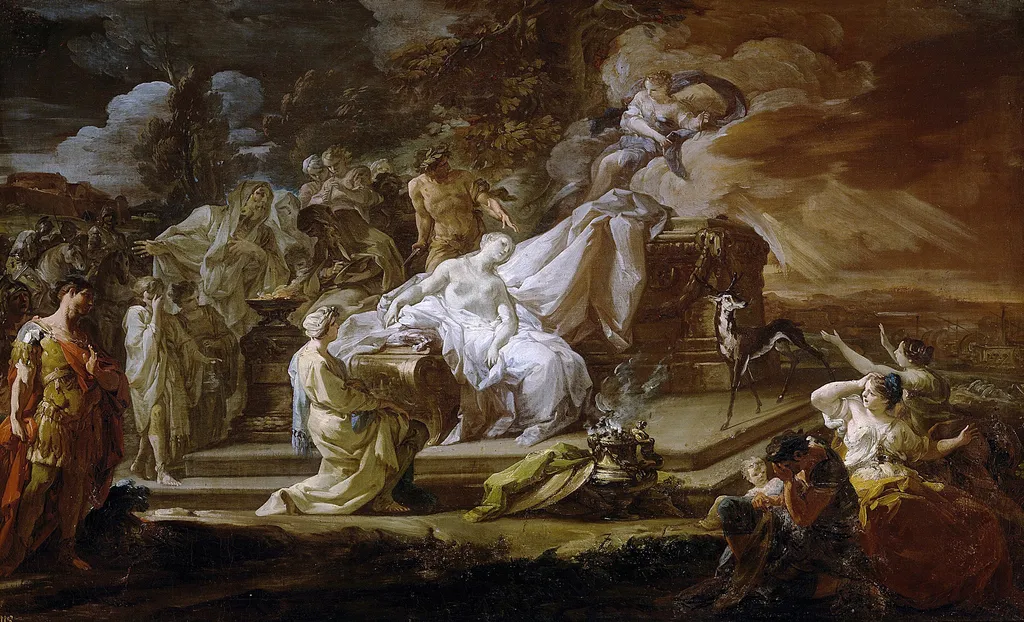
El sacrificio de Ifigenia is an oil painting by the Rococo painting artist Corrado Giaquinto. It dates from 1750 and is held in the collection of the Museo del Prado.
About this work
Overview
Painted around 1750 by Corrado Giaquinto, this oil on canvas work portrays the mythological moment of Iphigenia’s sacrifice. It is part of the permanent collection at the Museo del Prado in Madrid. The composition centers on a lone female figure illuminated against a somber backdrop, surrounded by a group of onlookers in varied postures, conveying tension and ritual gravity.
Subject & Meaning
The scene illustrates the moment before Iphigenia’s intended sacrifice by her father Agamemnon to appease the goddess Artemis. Her passive posture and white garment contrast with the agitation of the surrounding figures, suggesting resignation amid communal turmoil. The painting captures the moral ambiguity of the act, emphasizing human vulnerability against divine demand.
Technique & Style
Giaquinto employs chiaroscuro to heighten emotional intensity, directing focus toward the central figure through stark contrasts of light and shadow. The palette favors muted earth tones with a single bright white dress, isolating Iphigenia visually. Brushwork is refined but not overly detailed, favoring atmospheric cohesion over individualized portraiture.
History & Provenance
The painting entered the Spanish royal collection in the 18th century and was later transferred to the Museo del Prado. Its presence there reflects the Bourbon court’s interest in Italian Rococo narratives. No significant alterations or documented restorations are recorded, and its condition remains consistent with its mid-18th-century origin.
Context
Created during the height of Rococo influence in Southern Europe, the work aligns with contemporary tastes for mythological drama rendered with emotional nuance. Giaquinto, an Italian painter active in Spain, bridged Neapolitan and Madrid artistic circles. The subject was popular among European courts, symbolizing both piety and tragic duty.
Legacy
Though not widely reproduced, the painting exemplifies Giaquinto’s role in transmitting Italian narrative painting to Spanish collections. It remains a quiet but significant example of how mythological themes were adapted to reflect Enlightenment-era concerns about authority, sacrifice, and individual fate.
Own this work as a print
Artist & collection

Artist
Corrado Giaquinto was an Italian Rococo painter who worked in Naples, Rome, Turin and Madrid.

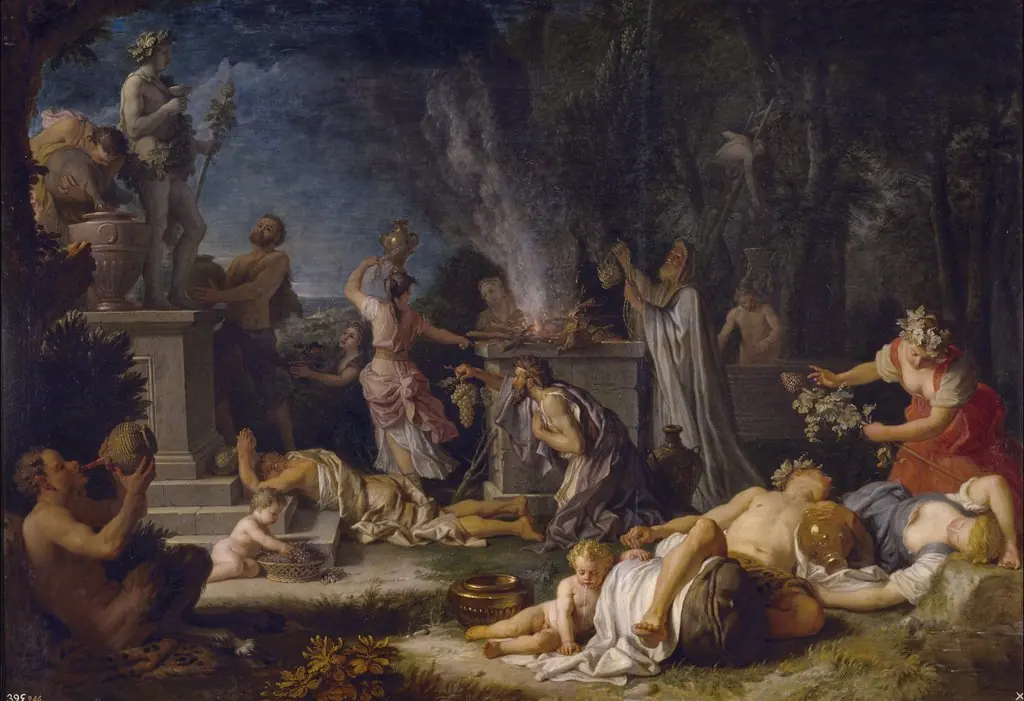 Offering to Bacchus
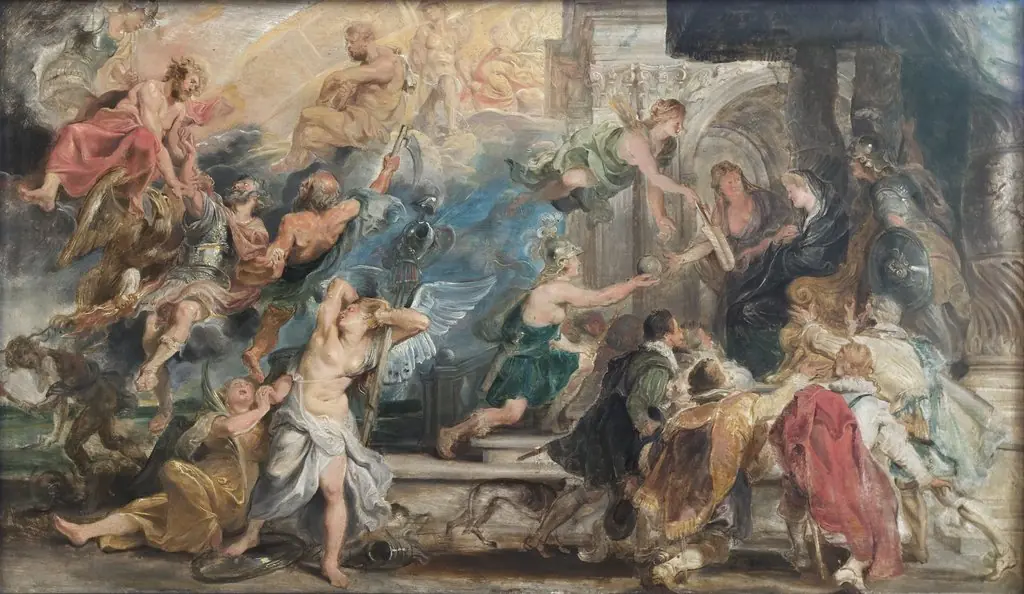 The Apotheosis of Henri IV
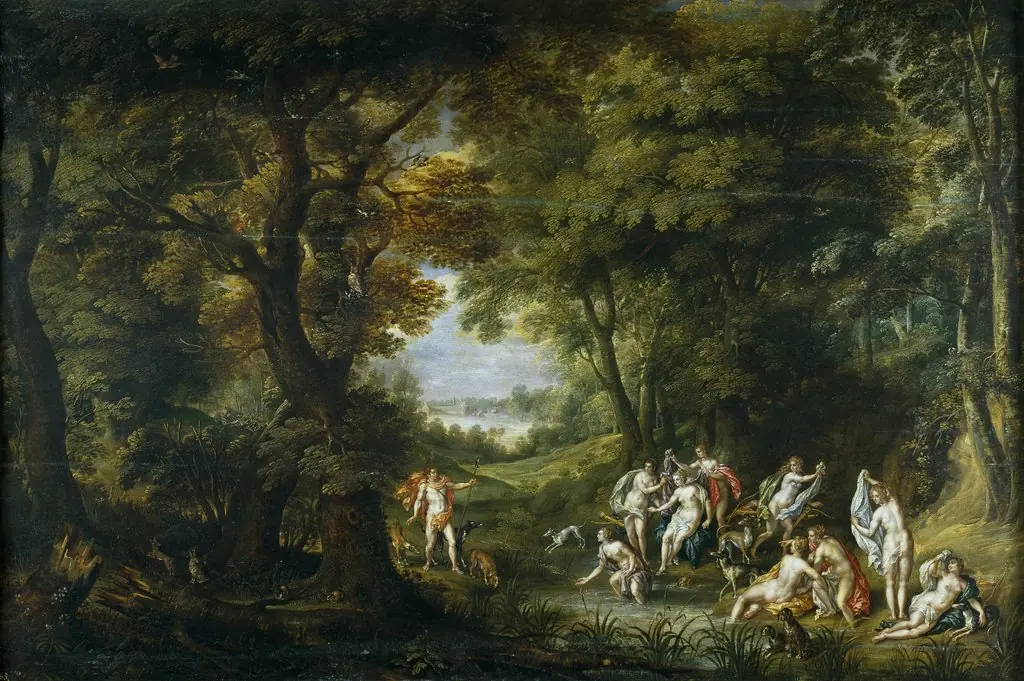 Landscape with Diana and Acteon
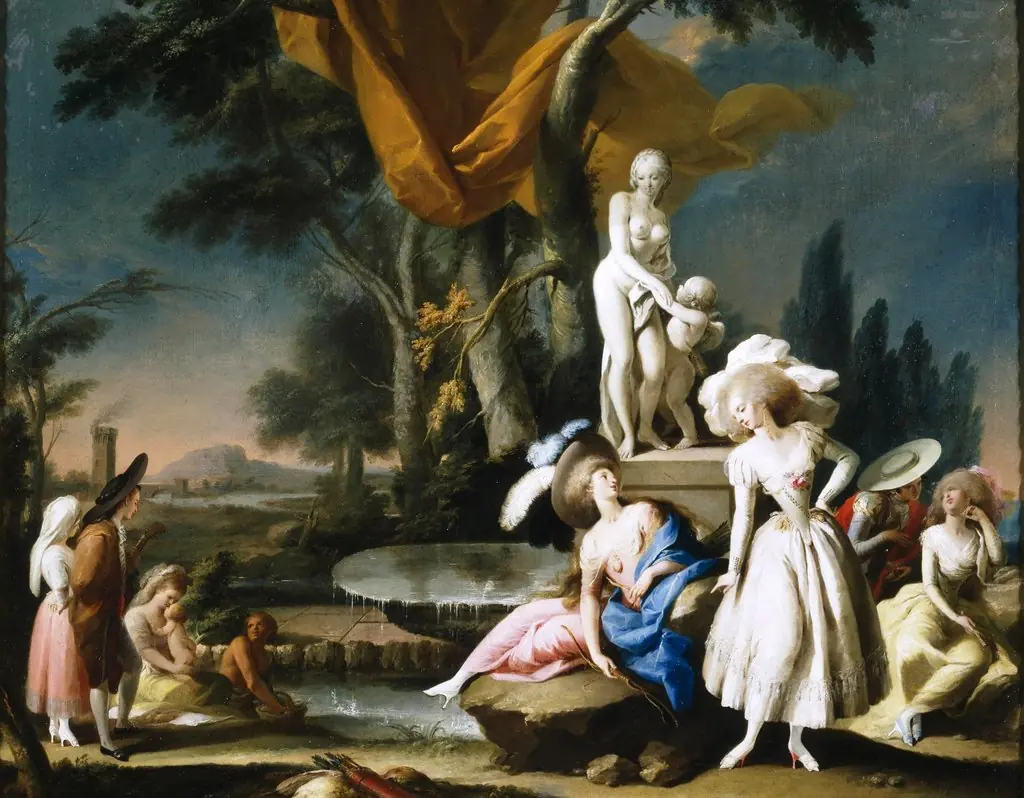 Couples in a Park
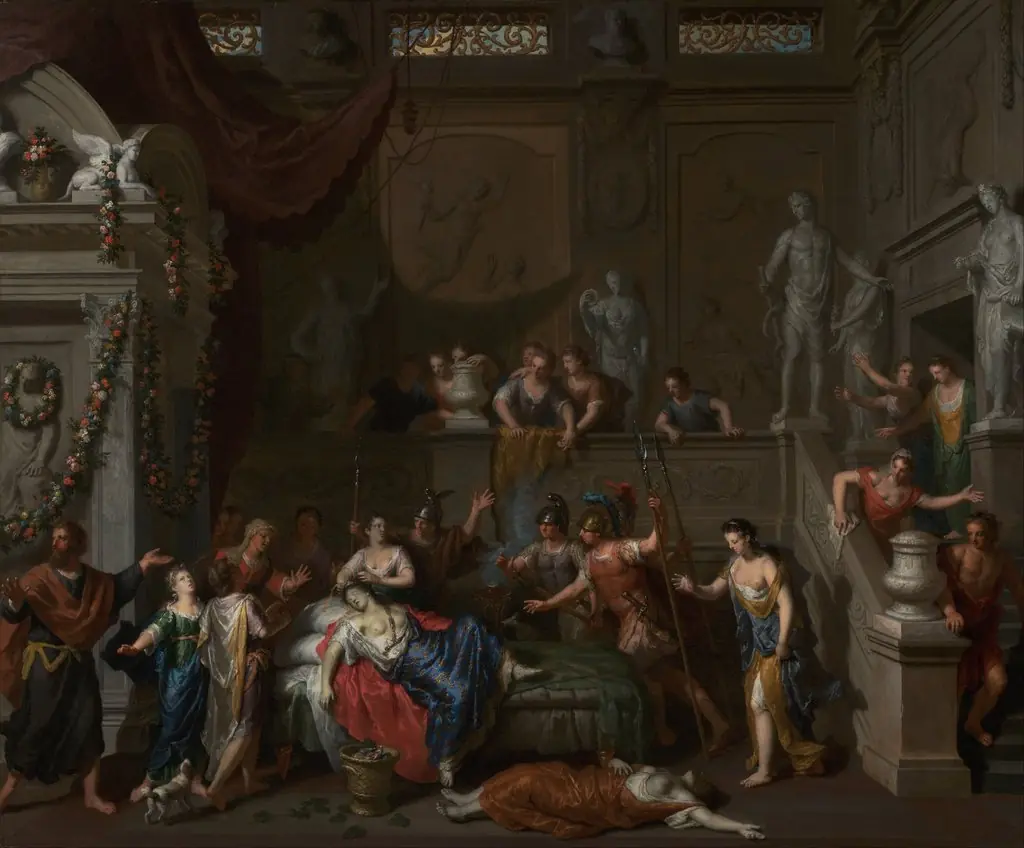 The Death of Cleopatra
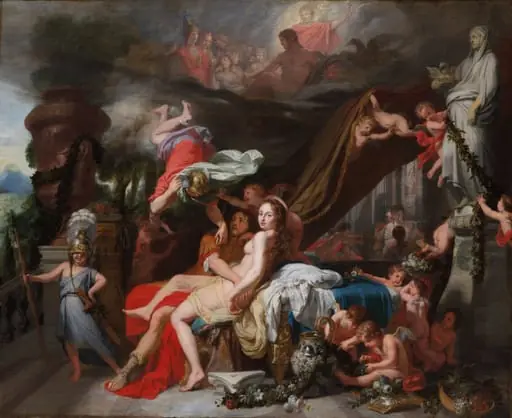 Hermes Ordering Calypso to Release Odysseus
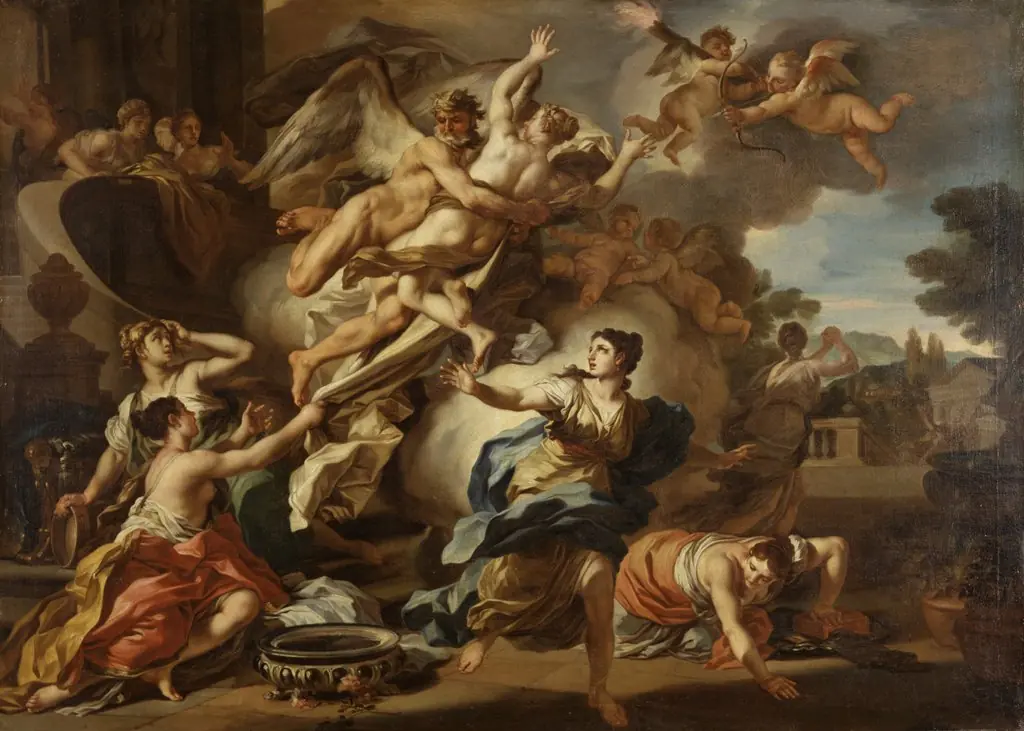 The Abduction of Orithyia
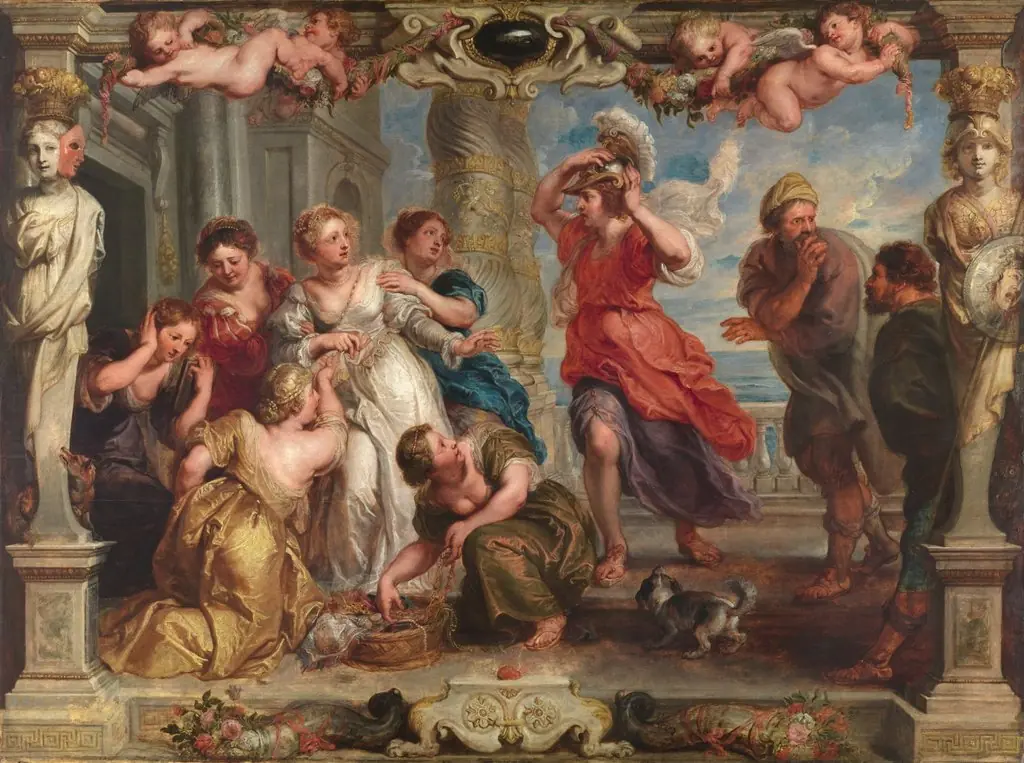 Achilles discovered Among the Daughters of Lycomedes
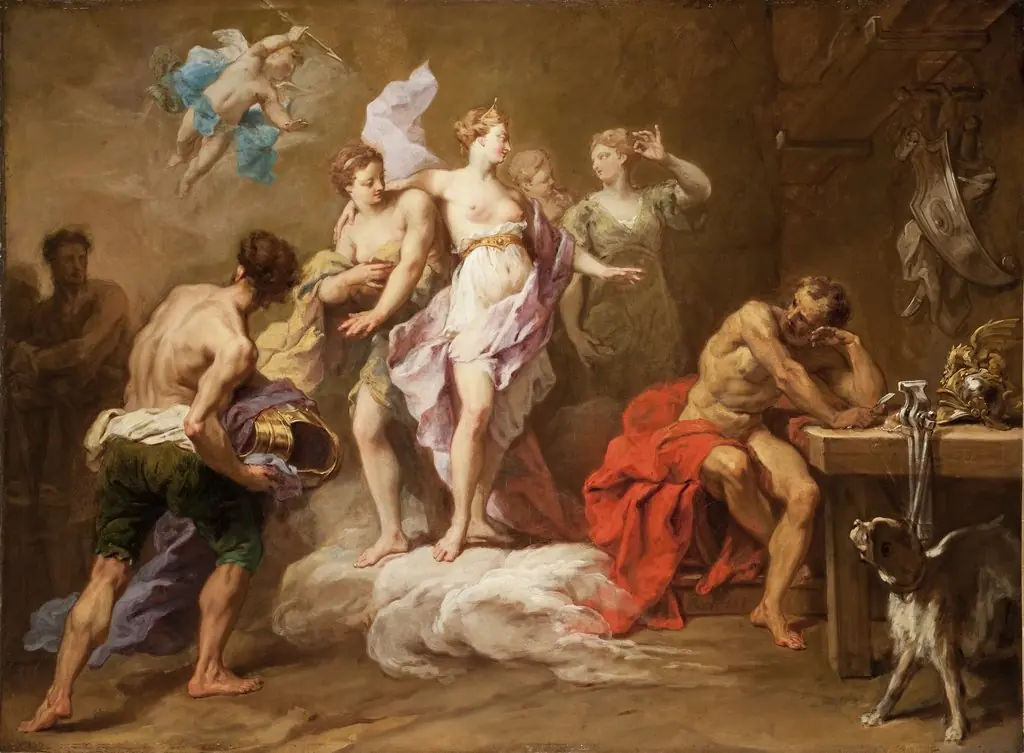 Venus Ordering Arms from Vulcan for Aeneas
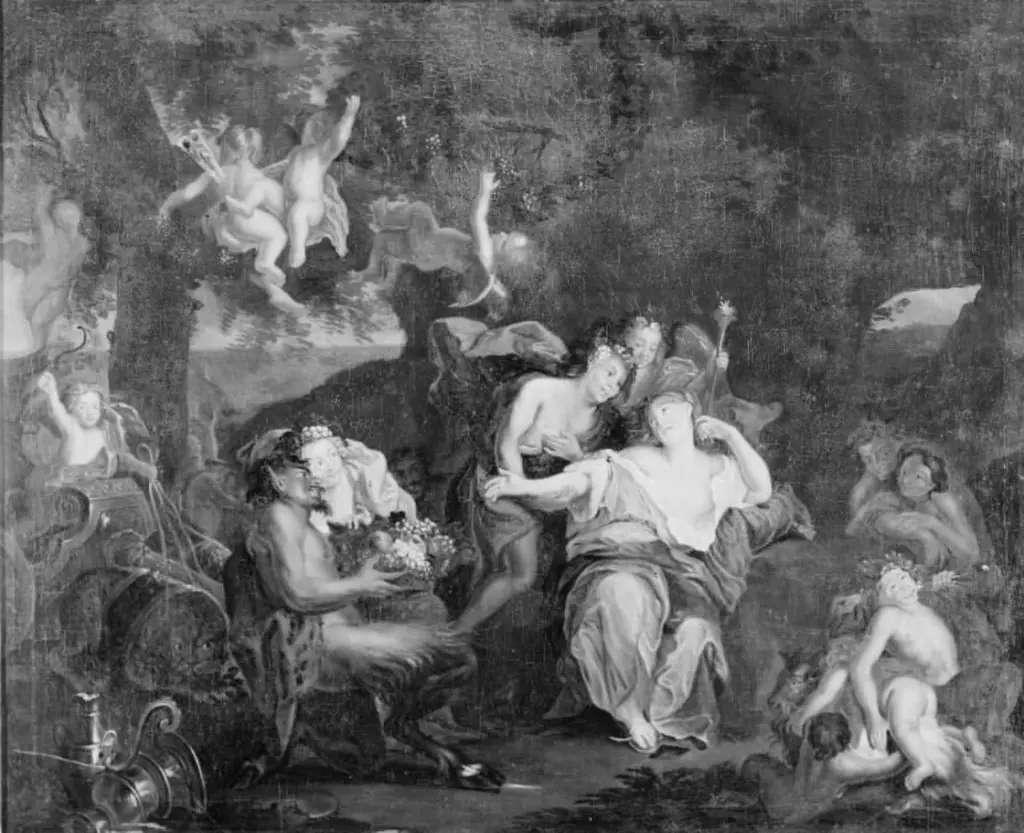 Bacchus og Ariadne sidder sammen i et landskab omgivne af amoriner, bacchantinder og satyrer
 Bacchus og Ariadne sidder sammen i et landskab omgivne af amoriner, bacchantinder og satyrer
 The Wedding of Alexander and Roxana