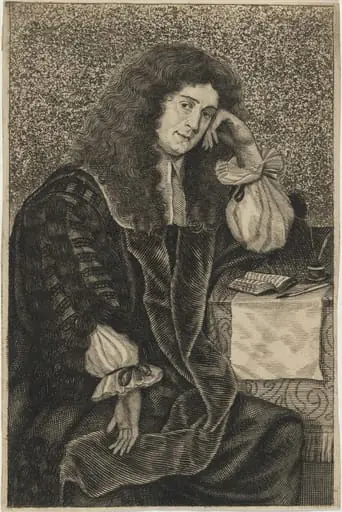
Artwork
Johannis Heydon (John Heydon)
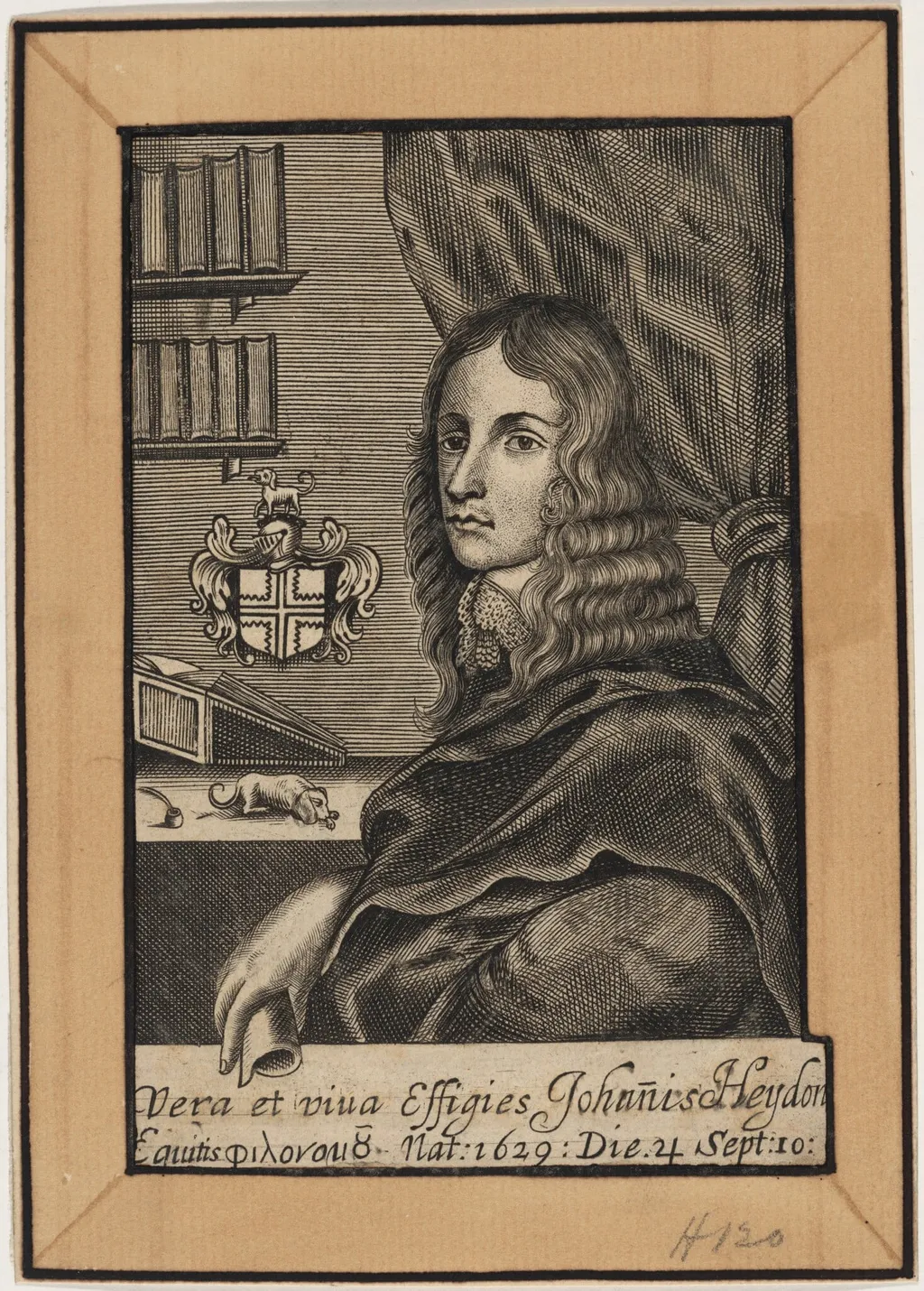
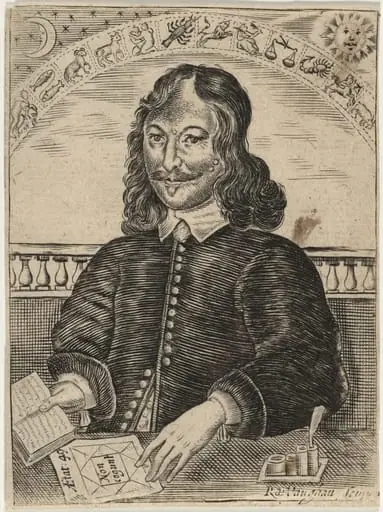
Johannis Heydon (John Heydon) is an ink print by the Baroque artist Thomas Cross. It dates from 1662 and is held in the collection of the National Gallery of Art.
About this work
Overview
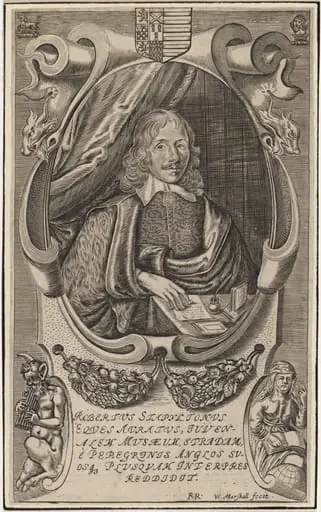
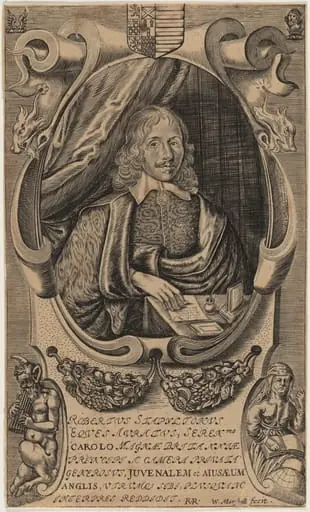
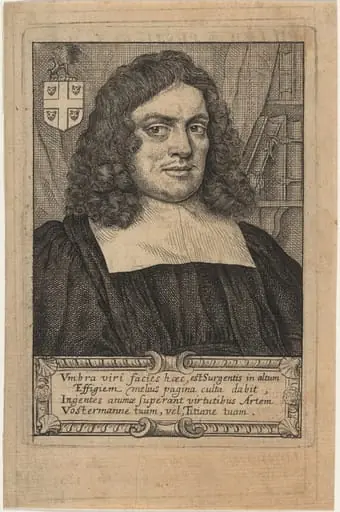
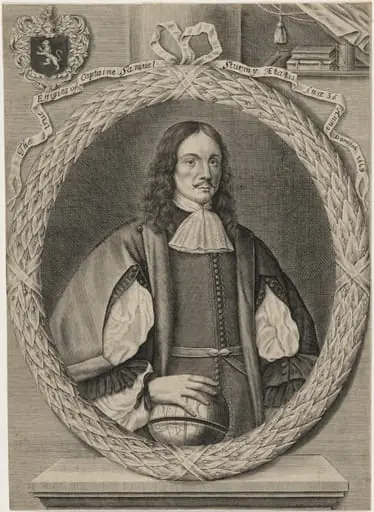
Thomas Cross’s 1662 etching presents a seated gentleman identified as Johannis Heydon, also known as John Heydon. Executed on a single plate, the work captures a formal portrait typical of mid‑seventeenth‑century printmaking, employing fine line work and chiaroscuro to model the figure and his surroundings.
Subject & Meaning
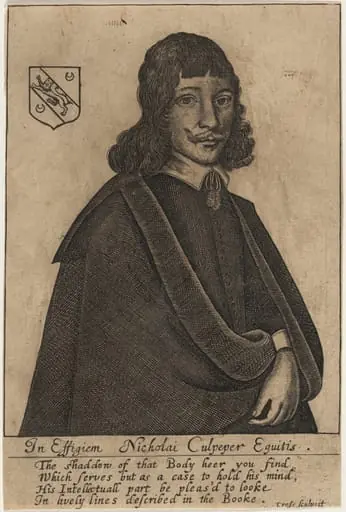
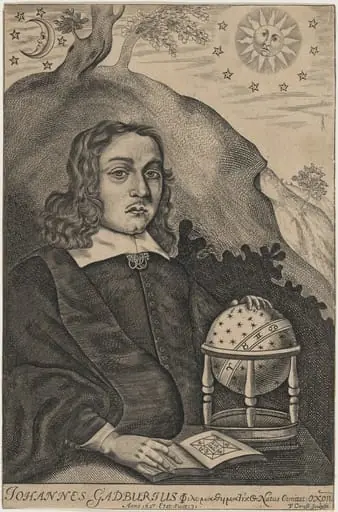
The sitter is shown with long, wavy hair, a dark robe trimmed with a lace collar, and a poised left hand resting on a desk. A heraldic coat of arms on the wall and a curtained window behind him convey status and a domestic setting, suggesting the portrait’s function as a record of personal identity and social rank.
Technique & Style
Cross utilizes the etching process to achieve delicate hatching and cross‑hatching, rendering the textures of fabric, hair, and stone. The careful modulation of light and shadow creates depth, while the crisp outlines reflect the Baroque portrait tradition’s emphasis on realism and three‑dimensional presence.
History & Provenance
Created in 1662, the print was likely issued shortly after Heydon’s death, serving as a commemorative image. Surviving copies have appeared in several European collections, indicating that the work circulated among collectors of portrait prints in the late seventeenth and eighteenth centuries.
Context
The portrait aligns with the Baroque era’s fascination with individual likenesses and the display of heraldic symbols. Etchings of this type were commonly used to disseminate images of notable figures beyond the reach of painted portraits, expanding the visual presence of the elite across a wider audience.
Artist & collection