Artwork
Wilhelmi Ramesey (William Ramsay, M.D.)
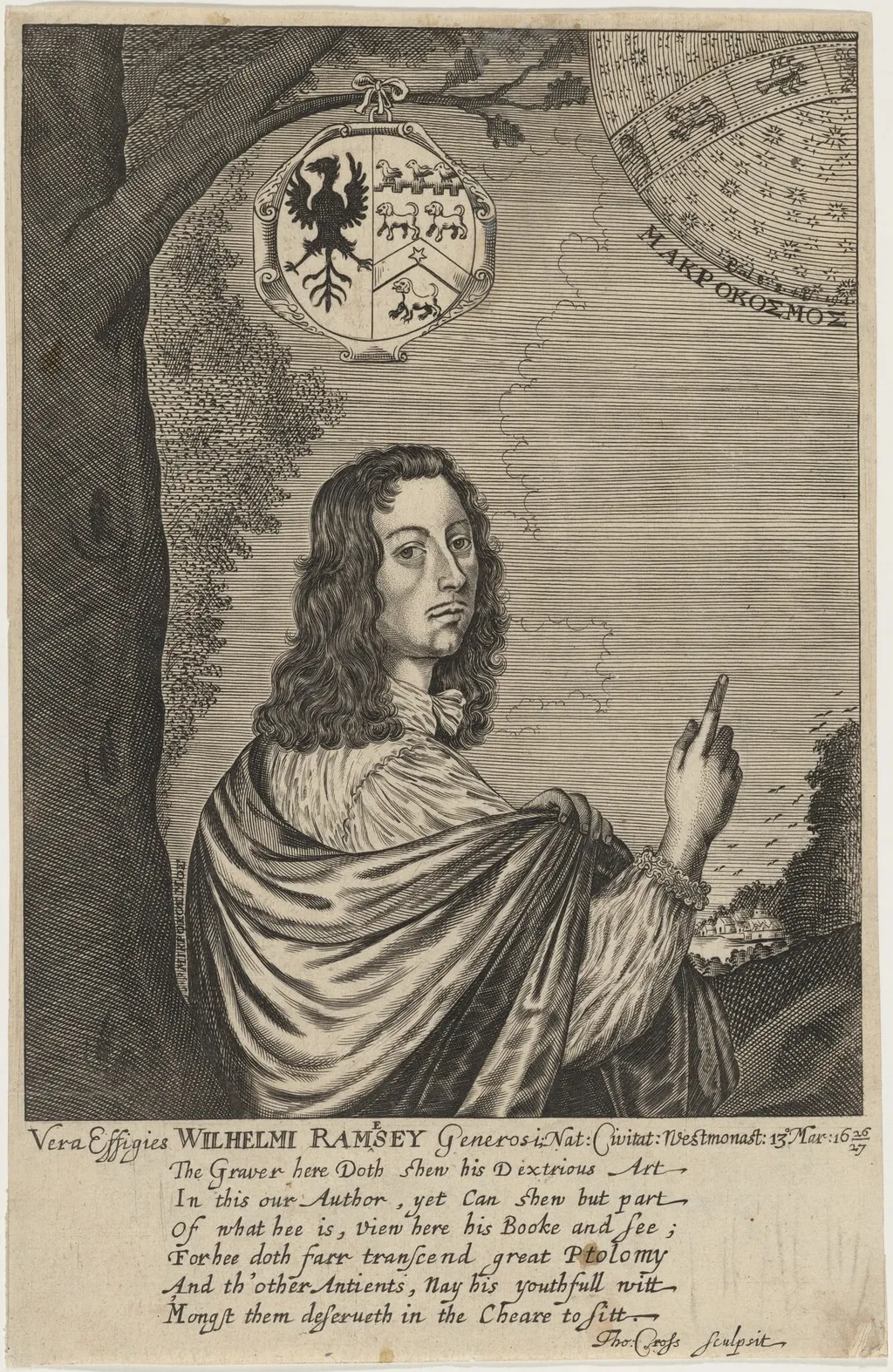
Wilhelmi Ramesey (William Ramsay, M.D.) is an ink print by the Baroque artist Thomas Cross. It dates from 1653 and is held in the collection of the Rosenwald Collection.
About this work
Overview
Rendered in monochrome, the portrait combines portraiture with emblematic elements typical of scholarly commemoration in mid-17th century England.
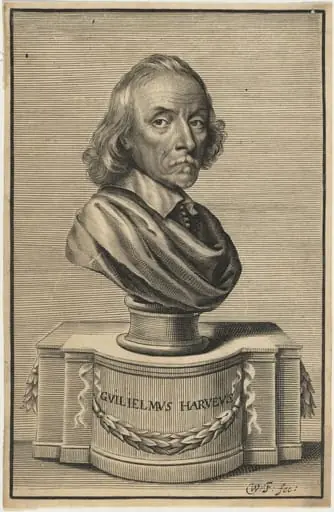
This 1653 engraving by Thomas Cross depicts Wilhelmi Ramesey, a physician known in England as William Ramsay. Rendered in monochrome, the portrait combines portraiture with emblematic elements typical of scholarly commemoration in mid-17th century England. The image is defined by fine, incised lines that model form and texture, characteristic of the engraving technique. Rough paper edges and meticulous detail suggest a limited, high-quality print run intended for intellectual circles.
Subject & Meaning
The figure, identified as a medical scholar, is shown in a long striped robe with one hand raised in gesture, suggesting instruction or authority. Above him, a heraldic shield bears a lion and deer—symbols of strength and vigilance—linking his character to noble virtues. Surrounding text in Greek letters and a map-like background allude to classical learning and geographic knowledge, reinforcing his identity as a learned man rooted in ancient traditions. A poetic inscription below elevates his intellectual stature by comparison to antiquity.
Technique & Style
Thomas Cross employed fine-line engraving to build tone and texture through dense, controlled scratching. Shadows and fabric folds are rendered with parallel and cross-hatched lines, creating depth without color. The background’s faint cartographic elements and circular Greek script are delicately etched, requiring precision to avoid visual clutter. The rough paper edges and sharp, clean lines reflect hand-printed production, typical of the period’s artisanal print culture, where craftsmanship was central to the image’s authority.
History & Provenance
Created in 1653, the engraving likely served as a commemorative portrait for a respected physician during a time when academic and medical figures were increasingly documented in print. Thomas Cross, known for his work in portraiture and book illustration, produced this as part of a broader trend of scholarly imagery. The print’s survival suggests it was preserved by institutions or private collectors interested in medical history, though its early ownership remains undocumented.
Context
In mid-17th century England, engraved portraits of physicians and scholars were used to affirm intellectual legitimacy, often blending classical allusions with personal heraldry. This print aligns with the era’s revival of humanist ideals, where medical practice was tied to ancient philosophy. The inclusion of Greek script and mythic symbols reflects a cultural desire to connect contemporary learning with the authority of antiquity, reinforcing the status of educated professionals in a rapidly changing scientific landscape.
Legacy
The engraving stands as a modest but precise example of English academic portraiture from the Restoration period. While not widely reproduced, it contributes to the visual record of early modern medical figures and the role of print in shaping professional identity. Its technical rigor and symbolic language offer insight into how knowledge was visually encoded, influencing later generations of scientific portraiture that sought to merge erudition with imagery.
Artist & collection
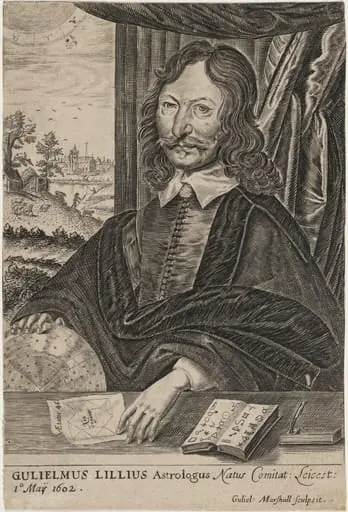 William Lilly, Astrologer
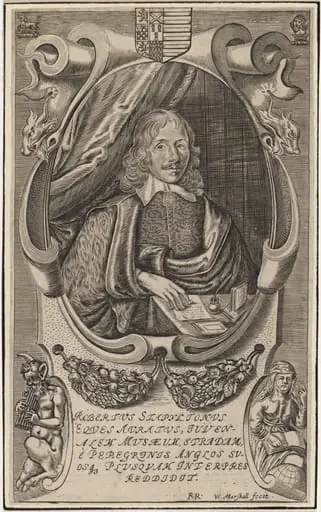 Sir Robert Stapylton
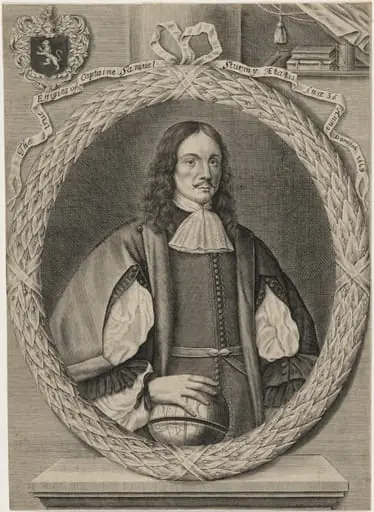 Captain Samuel Sturmy, Navigator
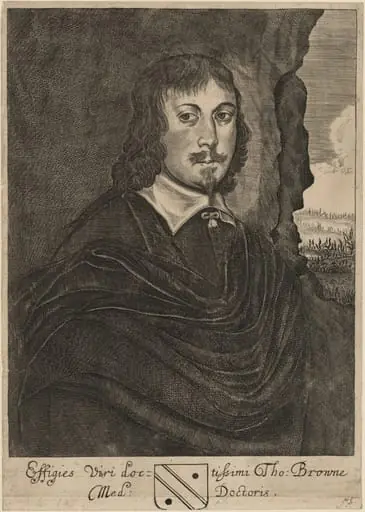 Tho. Browne, Med. Doctoris (Sir Thomas Browne, M.D.)
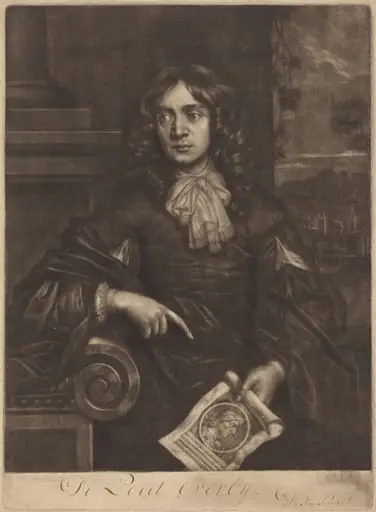 Thomas Flatman
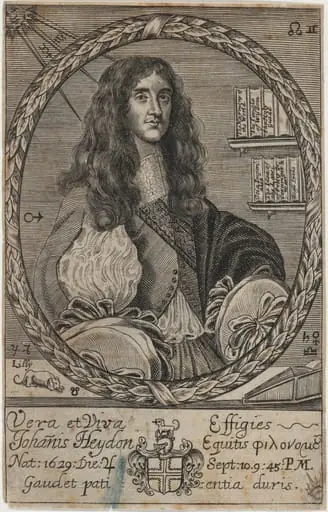 John Heydon
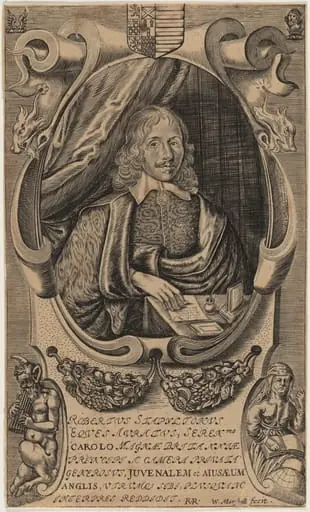 Sir Robert Stapylton, dramatic poet and translator
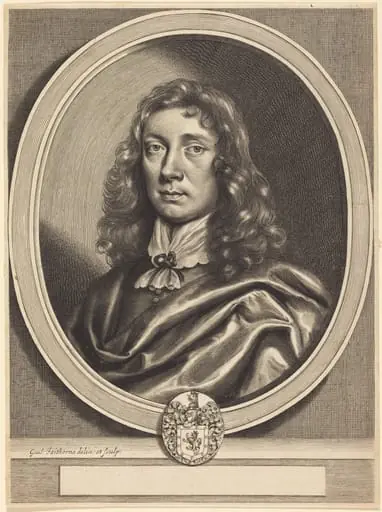 Sir Robert Henley, Bart.
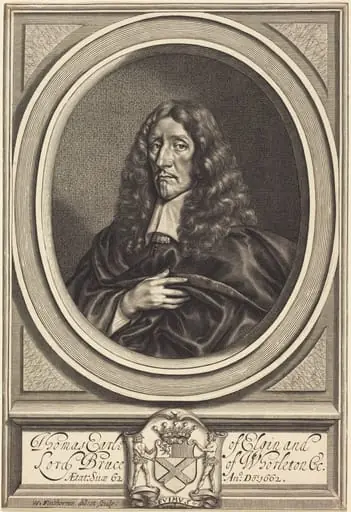 Thomas Bruce, Earl of Elgin
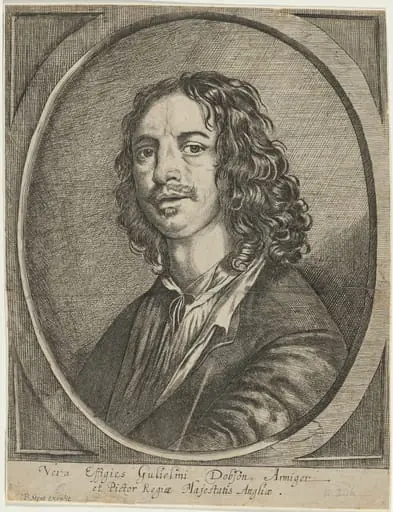 William Dobson, Portrait Painter
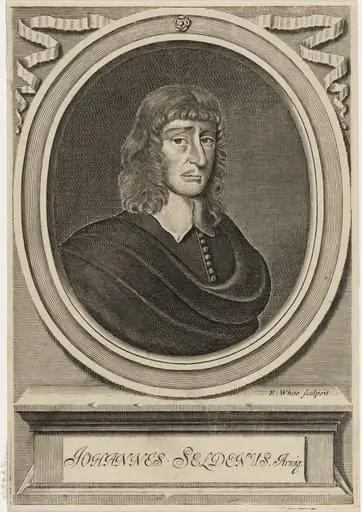 John Selden
 William Harvey, M.D.