Artwork
Sir Robert Stapylton
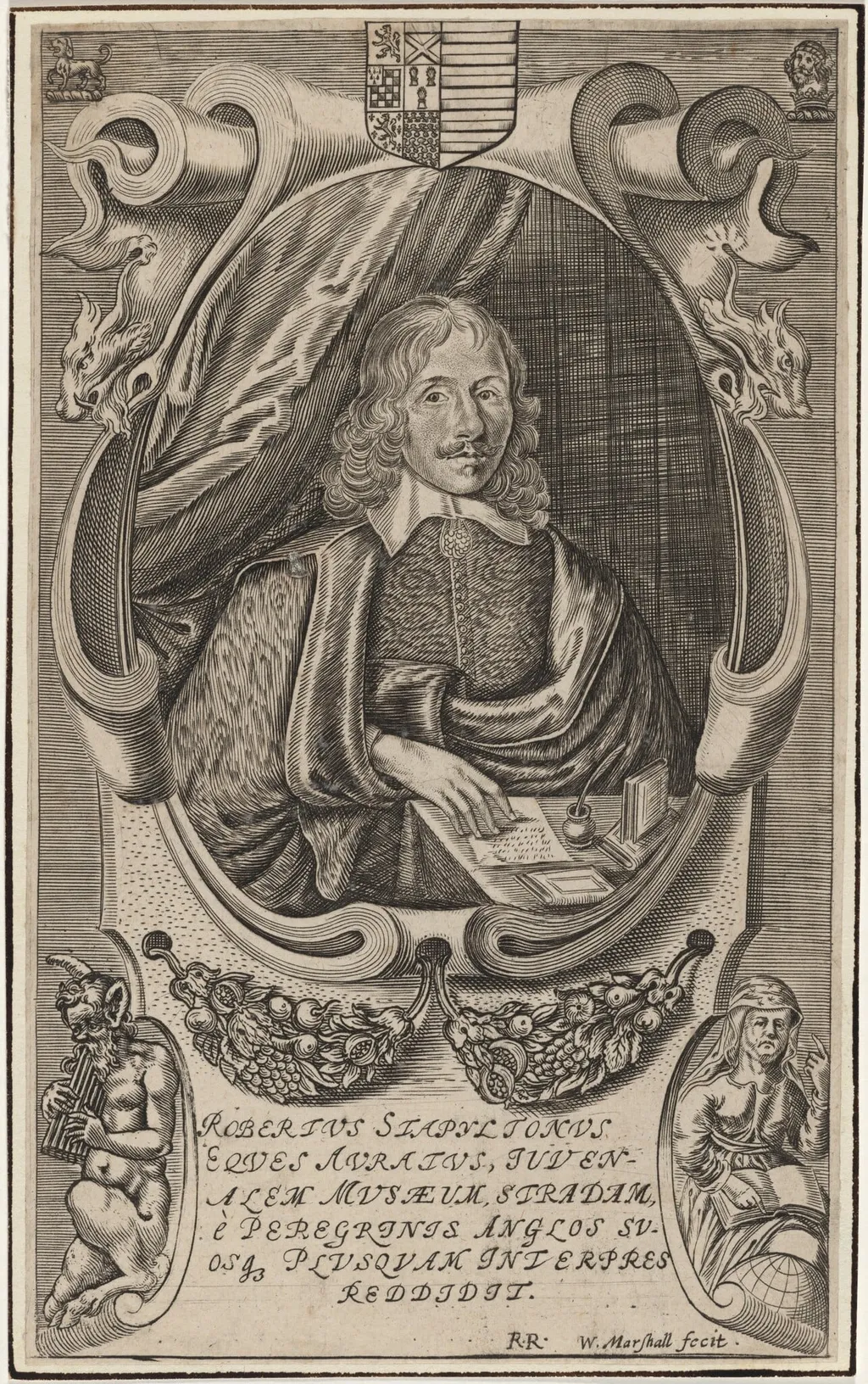
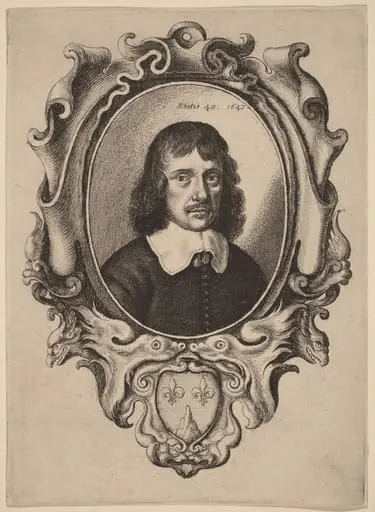
Sir Robert Stapylton is an ink print by the Renaissance artist William Marshall. It dates from 1623 and is held in the collection of the National Gallery of Art.
About this work
Overview
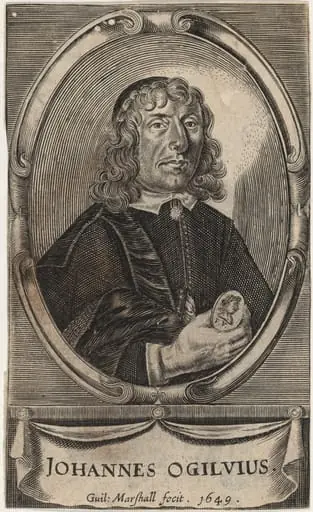
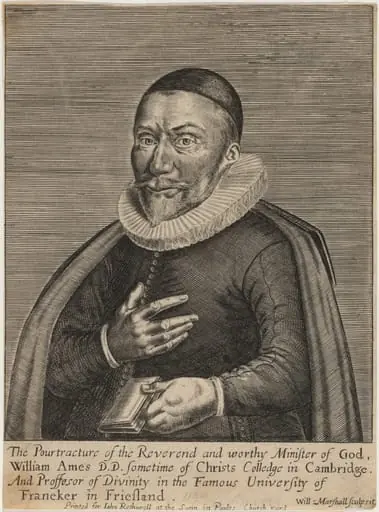
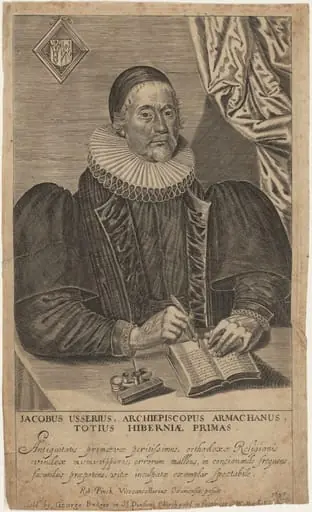
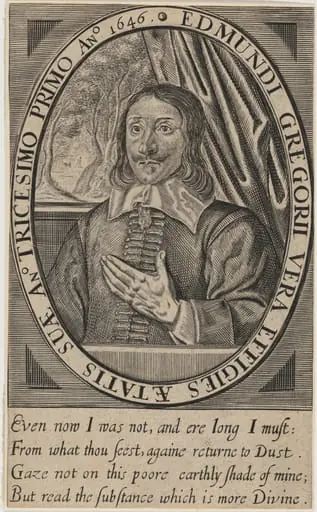
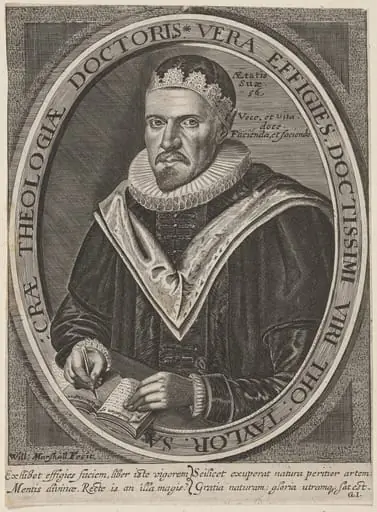
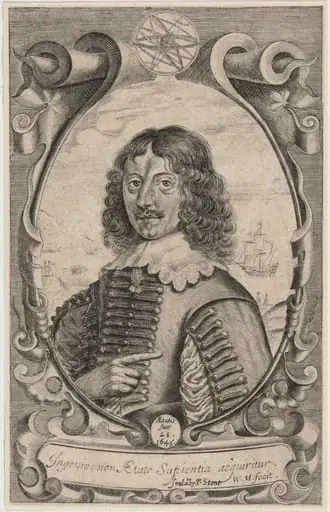
William Marshall’s 1623 engraving presents Sir Robert Stapylton, a 17th‑century English translator, in a formal portrait. Rendered in black ink, the image shows the gentleman seated, his attire marked by a ruffled collar and layered garments, while he holds a small object in his right hand and rests a book or papers on his lap.
Subject & Meaning
The sitter, identified by the inscription as Sir Robert Stapylton, is depicted as a learned figure, suggested by the presence of written material and the dignified pose. The surrounding ornamental swirls and miniature figures frame his visage, a common device in early modern portraiture to emphasize status and intellectual pursuits.
Technique & Style
The work is an intaglio engraving, in which Marshall incised lines into a copper plate and transferred the image onto paper by pressing it under a press. The fine hatching creates tonal depth, while the decorative borders are achieved through broader, flowing cuts that contrast with the detailed facial rendering.
History & Provenance
Created in 1623, the print bears the artist’s signature, “W. Marshall fecit,” confirming his authorship. It likely circulated among patrons and collectors interested in portraits of notable literary figures, serving both as a visual record of Stapylton’s appearance and as a means of promoting his translations to English travelers.
Context
Engravings of this period often functioned as portable, reproducible portraits that could be disseminated beyond the reach of painted likenesses. Marshall’s portrait aligns with contemporary conventions, employing elaborate framing motifs that echo the ornamental bookplates and title pages common in early 17th‑century publishing.
Artist & collection