Artwork
Nicholai Culpeper, Equitus
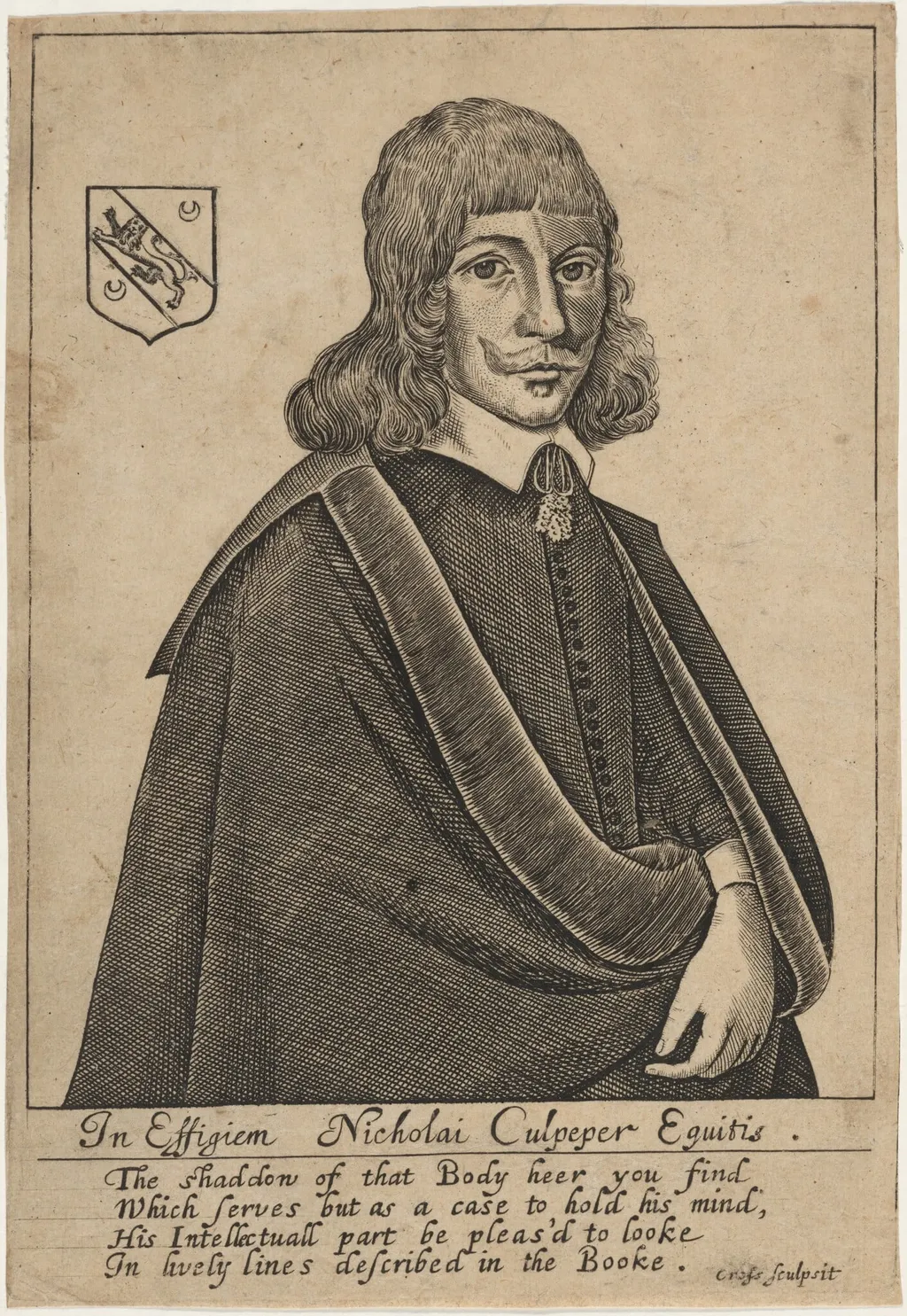
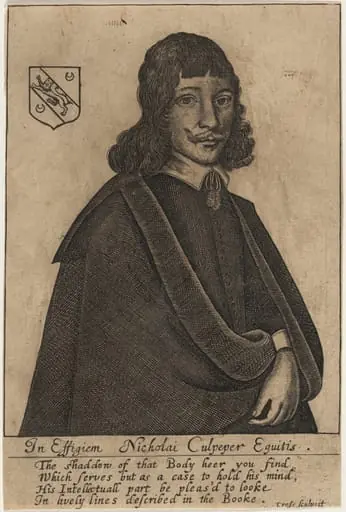
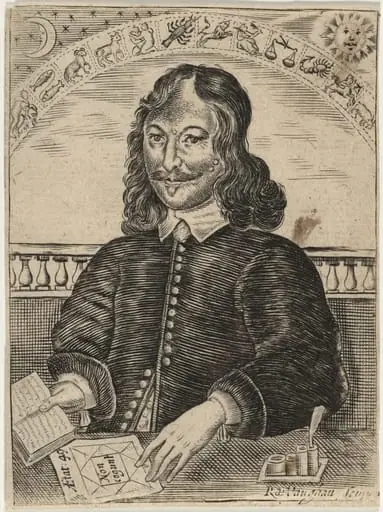
Nicholai Culpeper, Equitus is an ink print by the Baroque artist Thomas Cross. It dates from 1653 and is held in the collection of the National Gallery of Art.
About this work
Overview
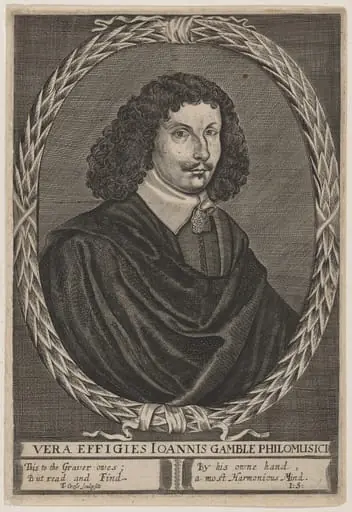
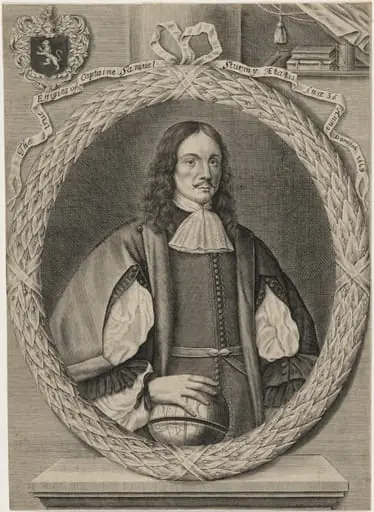
An engraving from 1653 by Thomas Cross depicts Nicholai Culpeper, a figure identified by the Latin title 'Equitus,' meaning knight or mounted soldier.
An engraving from 1653 by Thomas Cross depicts Nicholai Culpeper, a figure identified by the Latin title 'Equitus,' meaning knight or mounted soldier. Rendered in monochrome, the portrait emphasizes fine linear detail through cross-hatching, a technique that builds tone and texture using intersecting lines rather than washes or gradients. The image is accompanied by a brief textual commentary, blending formal portraiture with wry observation.
Subject & Meaning
The subject, Nicholai Culpeper, is portrayed not as a noble warrior but as a man of intellect, suggested by the inscription above his head that his face is merely a 'case' for his sharp mind. The star-shaped emblem on his chest and the small shield bearing a lion imply status or affiliation, possibly with a learned or civic order. The tone is neither reverent nor satirical, but quietly ironic, positioning intellect above martial display.
Technique & Style
Cross employed fine, precise engraving lines to model form and texture, particularly in the curls of Culpeper’s hair, the folds of his high-collared coat, and the contours of his mustache. Cross-hatching creates depth and shadow without tonal variation, relying entirely on line density. The style reflects mid-17th-century English printmaking conventions, prioritizing clarity and detail over dramatic lighting or emotional expression.
History & Provenance
Created in 1653 during the Interregnum, the print likely circulated among educated circles in England, where portraiture often carried intellectual or satirical undertones. No definitive record of its original commission exists, but its survival suggests it was valued as a character study rather than a formal tribute. Its provenance remains largely undocumented beyond early modern print collections.
Context
In post-Civil War England, portraiture increasingly reflected civic and intellectual identity over aristocratic lineage. Culpeper, a known physician and writer, was part of a class of men whose authority derived from knowledge, not birth. The print’s playful text aligns with a broader trend of witty, text-integrated imagery in printed media, where words and image collaborated to convey layered meaning.
Legacy
The engraving endures as an example of how printmakers used technical precision to convey personality and wit. While Culpeper himself is not widely remembered today, the work illustrates the evolving role of portraiture in early modern England—shifting from glorification to characterization, and from status symbol to intellectual portrait. It remains a quiet artifact of a culture valuing mind over title.
Artist & collection