Artwork
Peisaj din Tulcea
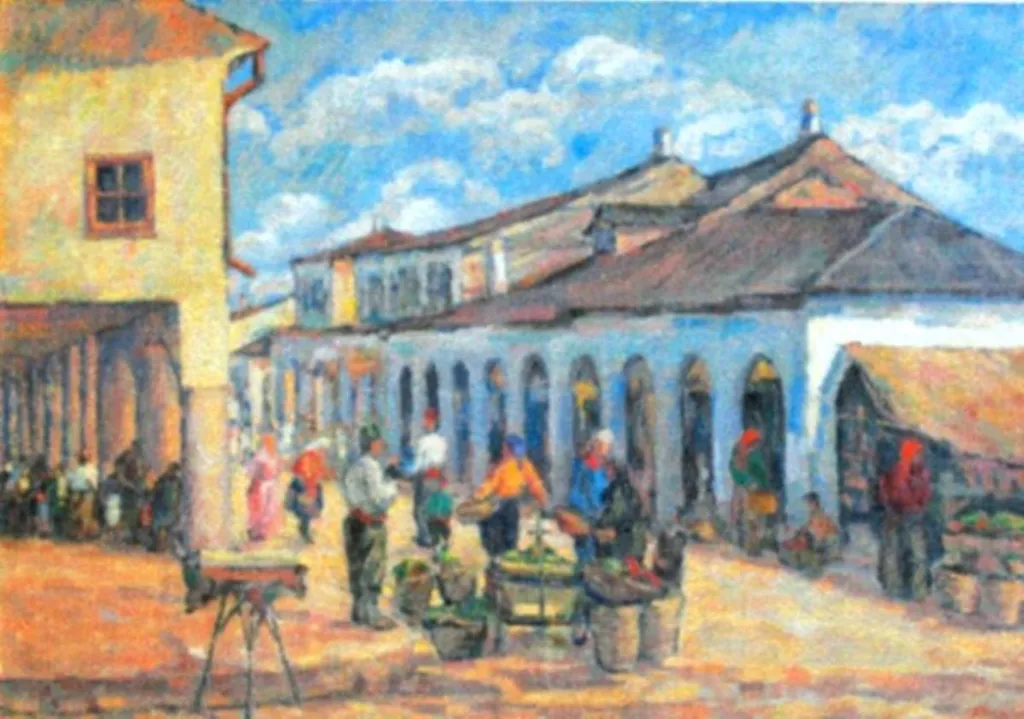
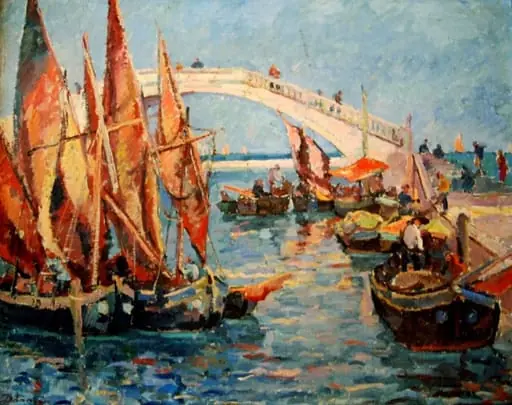
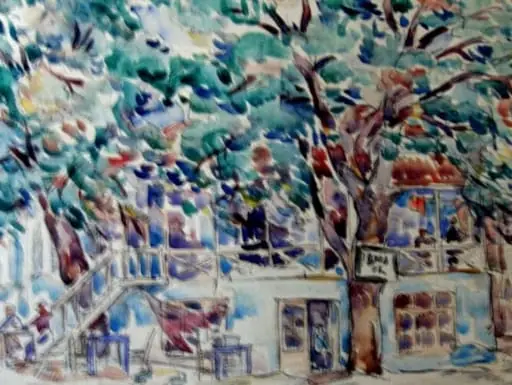
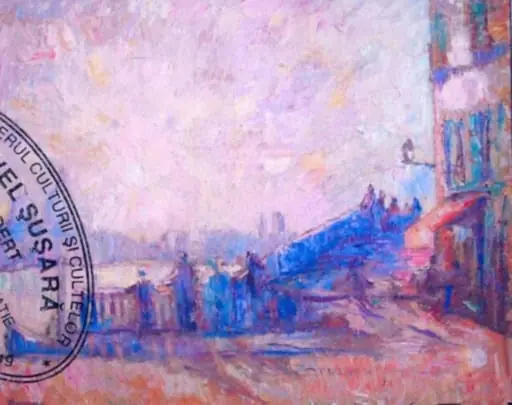
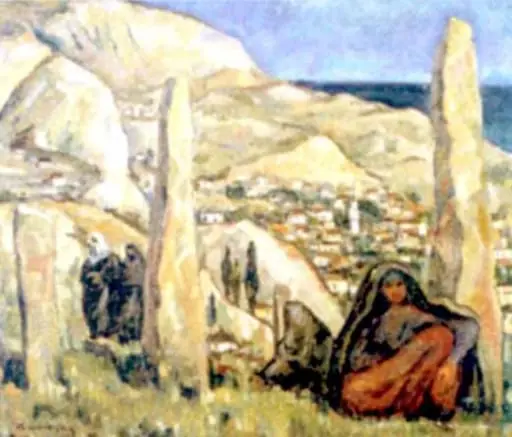
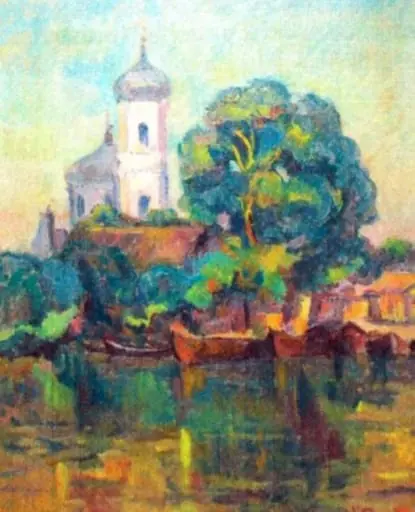
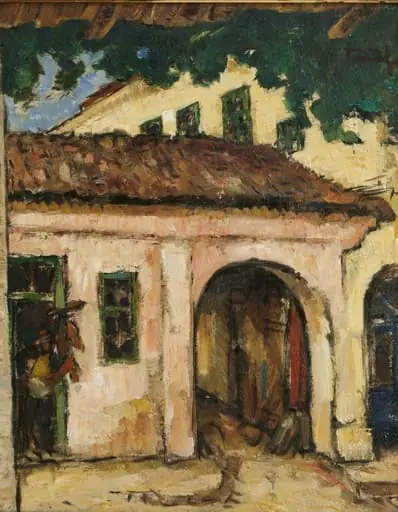
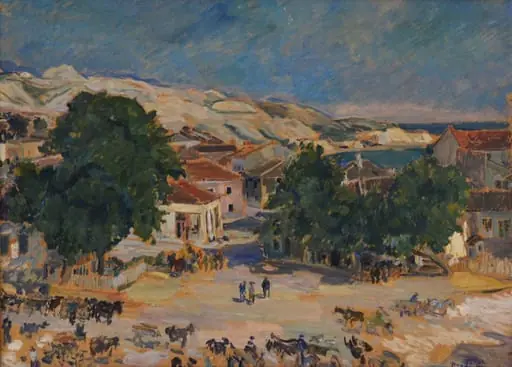
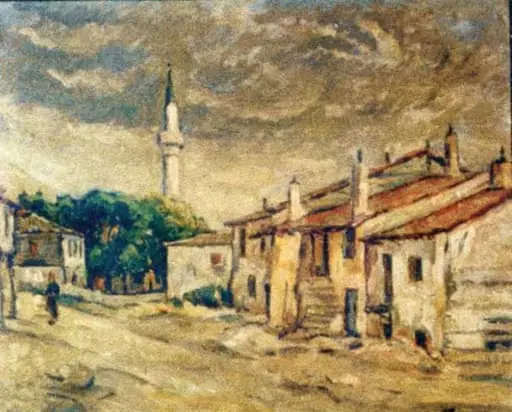
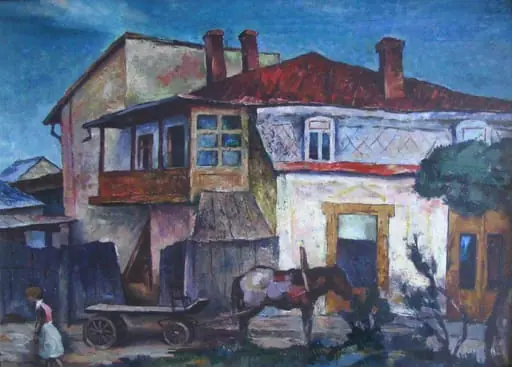
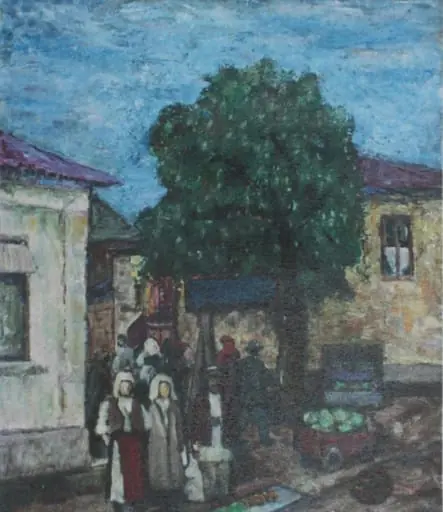
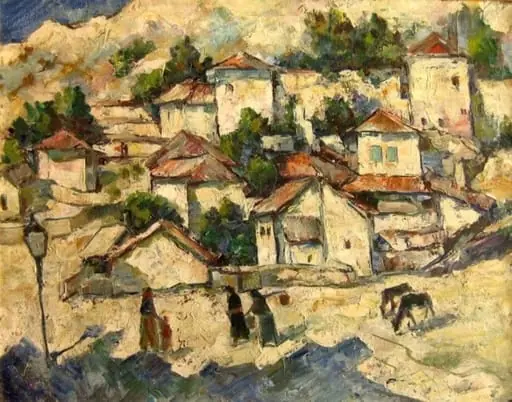
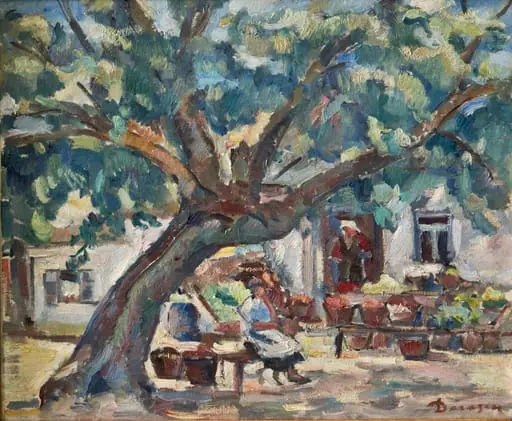
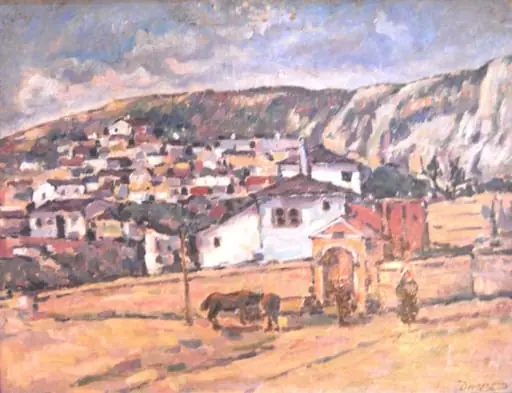
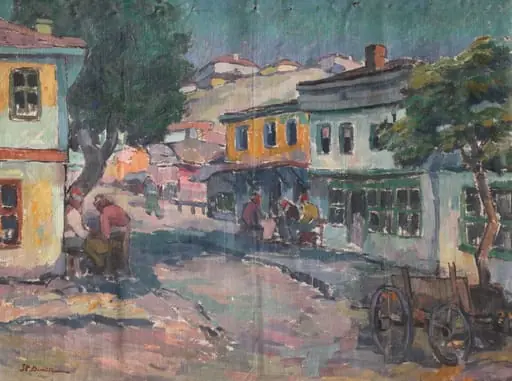
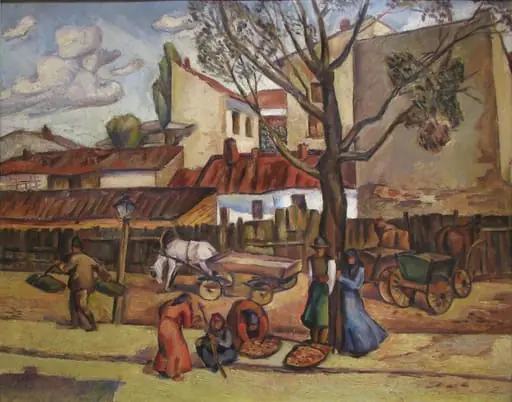
Peisaj din Tulcea is an unspecified painting by Nicolae Dărăscu. It dates from 1931 and is held in the collection of the Gavrilă Simion Eco-Museum Research Institute Tulcea - Art Museum.
About this work
Overview
Rendered with a tactile approach to paint, the scene captures the rhythm of daily commerce under an open sky, emphasizing atmosphere over narrative detail.
Painted around 1931 by Nicolae Dărăscu, Peisaj din Tulcea depicts a bustling outdoor market in the Romanian town of Tulcea. The work is part of the Museum of Ethnography’s collection and reflects the artist’s interest in everyday rural and urban life. Rendered with a tactile approach to paint, the scene captures the rhythm of daily commerce under an open sky, emphasizing atmosphere over narrative detail.
Subject & Meaning
The painting portrays a local market filled with vendors and shoppers engaged in routine transactions. Wooden stalls display baskets of fruits and vegetables, while figures in heavy winter coats suggest the season and the region’s climate. There is no overt symbolism; instead, the work conveys a quiet dignity in ordinary labor and community interaction, rooted in the specific geography and culture of the Danube Delta region.
Technique & Style
Dărăscu employed thick, expressive brushwork to build texture in clothing, wooden stalls, and architectural surfaces. The sky is rendered with loose, sweeping strokes that suggest cloud movement without precise definition. Colors remain grounded in natural tones—earthy yellows, muted browns, and soft grays—while the impasto technique gives the surface a physical depth, enhancing the sense of tangible, lived-in space.
History & Provenance
Created in the early 1930s, the painting entered the Museum of Ethnography’s holdings shortly after its completion. It was not widely exhibited outside Romania during Dărăscu’s lifetime, and its preservation within an ethnographic institution reflects its value as a document of regional life rather than as a purely aesthetic object. Its provenance remains consistent since acquisition.
Context
In early 20th-century Romania, artists like Dărăscu turned toward local subjects amid broader cultural movements seeking national identity. Tulcea, a port town at the Danube’s mouth, offered a rich blend of ethnic and economic activity. This painting aligns with a trend of depicting regional markets and working-class life, distinguishing itself through its textured realism rather than idealized romanticism.
Legacy
Peisaj din Tulcea remains a quiet but significant example of Romanian interwar realism. While not widely reproduced, it contributes to the understanding of how regional life was visually recorded during a period of national self-definition. Its preservation in an ethnographic museum underscores its role as both artistic and anthropological evidence of a specific time and place.
Artist & collection

Artist
Nicolae Dărăscu was a Romanian painter. He was influenced by Impressionism and Neo-impressionism.
Museum
Gavrilă Simion Eco-Museum Research Institute Tulcea - Art Museum
Continue through works from the same source collection.