Artwork
Peisaj dobrogean (Peisaj citadin oriental)
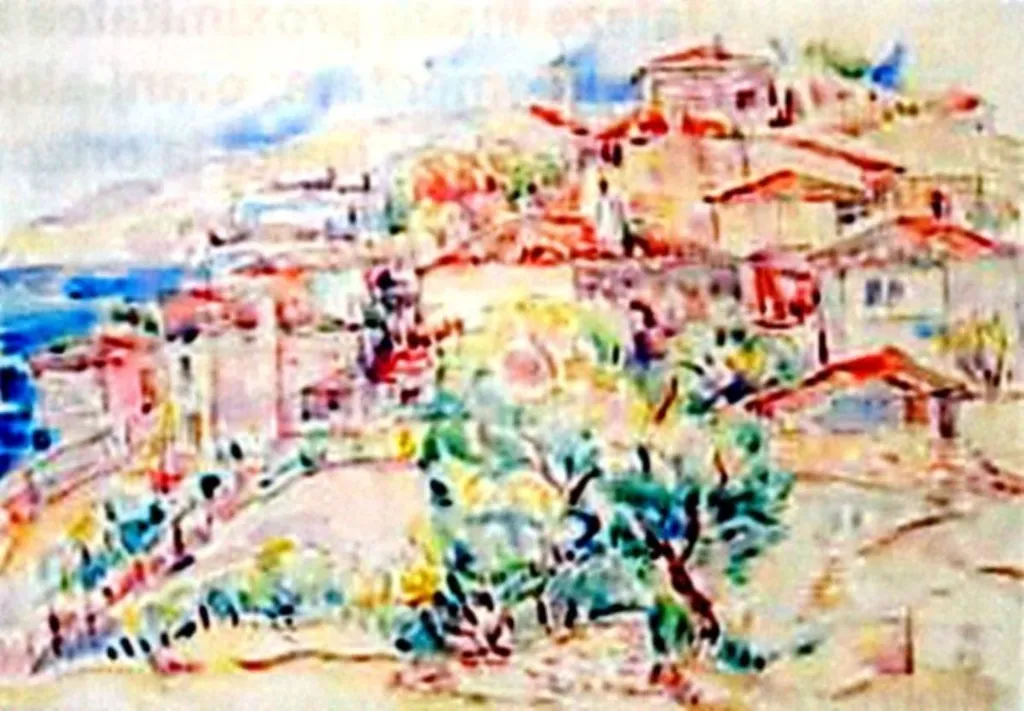
Peisaj dobrogean (Peisaj citadin oriental) is an unspecified painting by Nicolae Dărăscu. It dates from 1933 and is held in the collection of the Gavrilă Simion Eco-Museum Research Institute Tulcea - Art Museum.
About this work
Overview
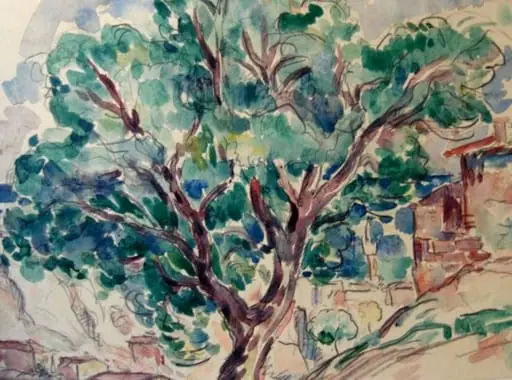
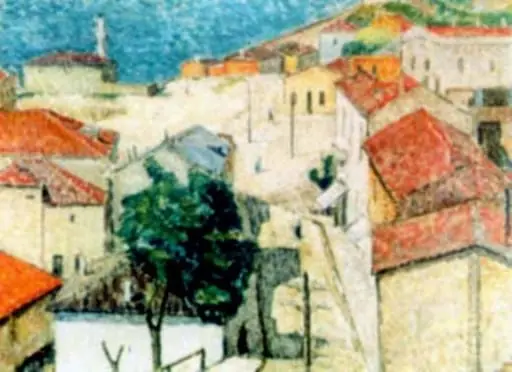
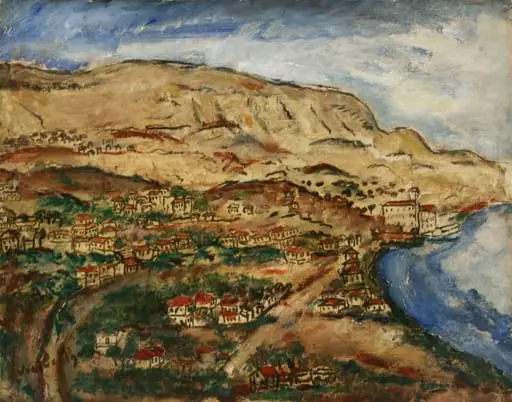
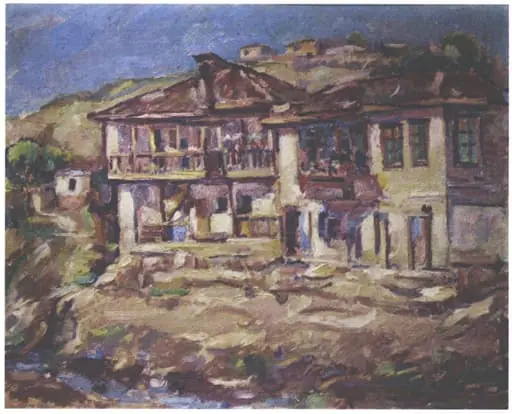
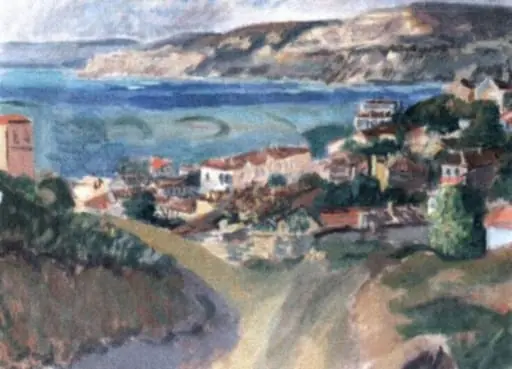
Painted in 1933 by Nicolae Dărăscu, this landscape captures an eastern Romanian townscape with a sense of immediacy. Executed in oil on canvas, the work is part of the Museum of Ethnography’s collection. Its informal composition and visible brushwork reflect a departure from polished academic traditions, favoring a direct response to the scene before the artist.
Subject & Meaning
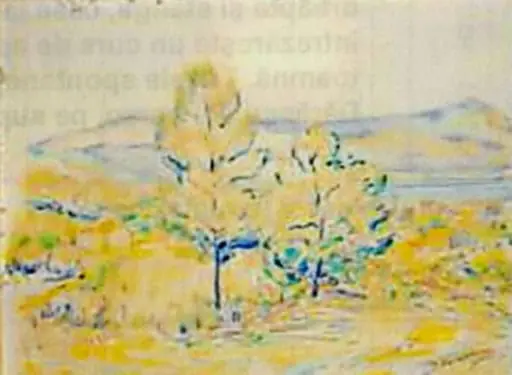
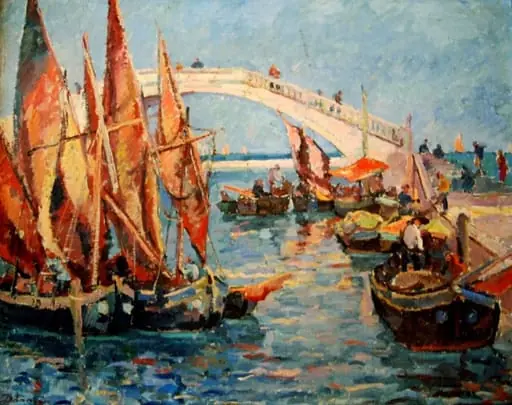
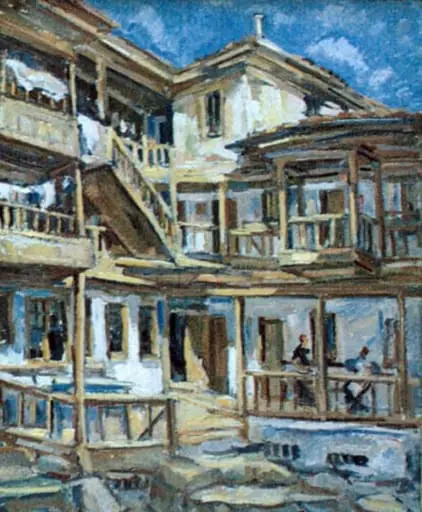
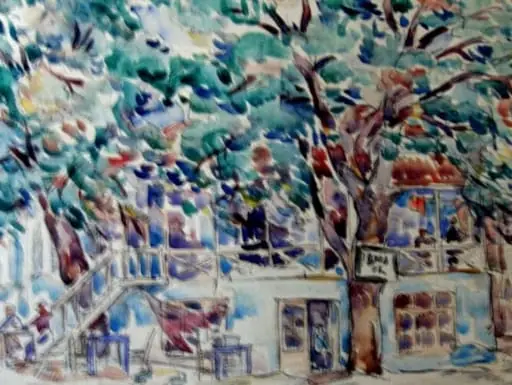
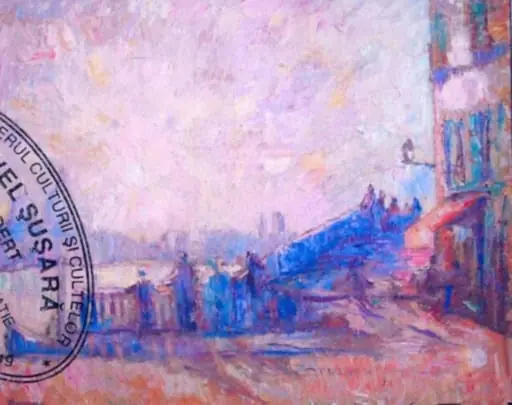
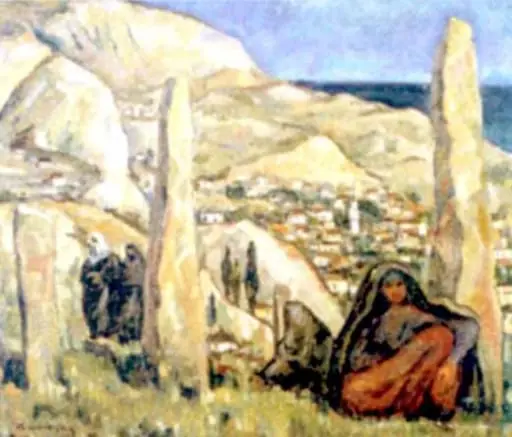
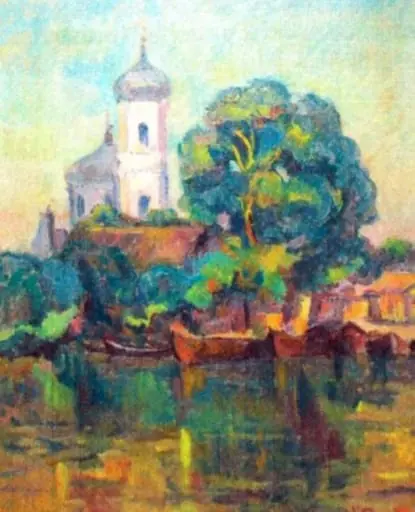
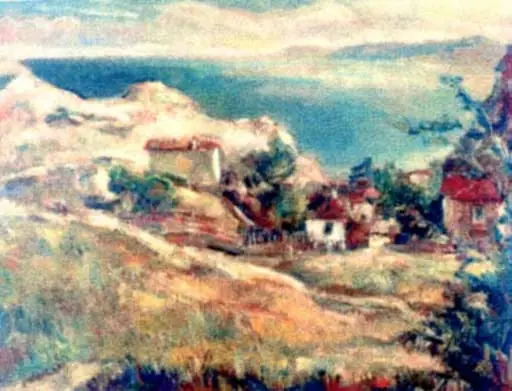
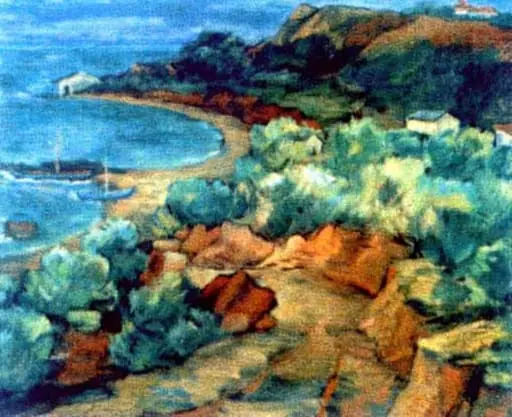
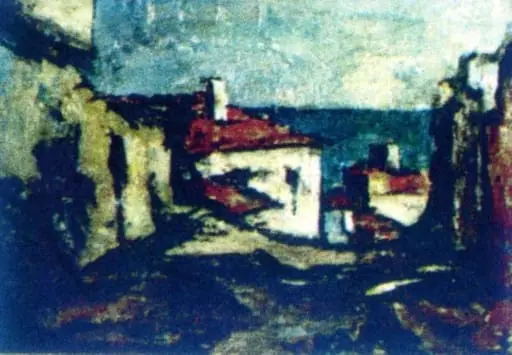
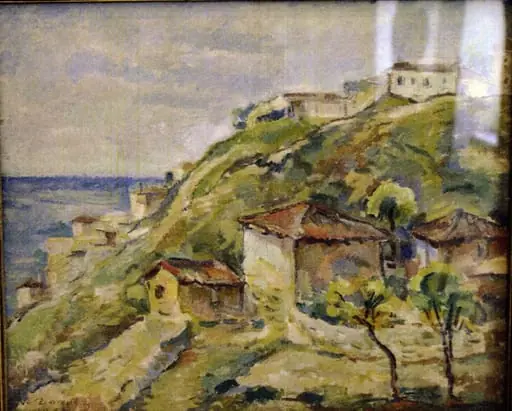
The painting depicts a hillside settlement with clustered buildings, red-tiled roofs, and winding paths. Rather than idealizing the view, Dărăscu presents a lived-in environment—buildings lean and overlap, vegetation intrudes, and the terrain feels unmanaged. The scene suggests the quiet rhythm of rural life, not as a picturesque postcard, but as a tangible, imperfect reality.
Technique & Style
Dărăscu applied paint with loose, energetic strokes, leaving visible brushwork and uneven color transitions. Greens, blues, and yellows blend roughly to suggest foliage, while walls and roofs are rendered with minimal detail. The sky, thinly washed, recedes softly, emphasizing the textured foreground. The lack of smoothing or blending reinforces a sense of spontaneity and direct observation.
History & Provenance
Created during a period when Romanian artists were redefining national identity through regional subjects, this work entered the Museum of Ethnography’s holdings shortly after its completion. Its preservation there reflects its value as a document of everyday life rather than as a formal portrait or historical narrative.
Context
In the early 1930s, Romanian painters increasingly turned to local landscapes and vernacular architecture as subjects, moving away from European academic norms. Dărăscu’s approach aligned with this shift, emphasizing authenticity over ornamentation. His treatment of Dobrogea’s terrain echoed broader cultural efforts to affirm regional character through visual art.
Legacy
Though not widely exhibited beyond institutional collections, the painting remains a quiet example of interwar Romanian modernism. Its unpolished aesthetic influenced later artists seeking to capture rural life without romanticization. The work endures as a record of how perception, not perfection, shaped a generation’s artistic vision.
Artist & collection

Artist
Nicolae Dărăscu was a Romanian painter. He was influenced by Impressionism and Neo-impressionism.
Museum
Gavrilă Simion Eco-Museum Research Institute Tulcea - Art Museum
Continue through works from the same source collection.