Artwork
The Virgin Appearing to Saint John
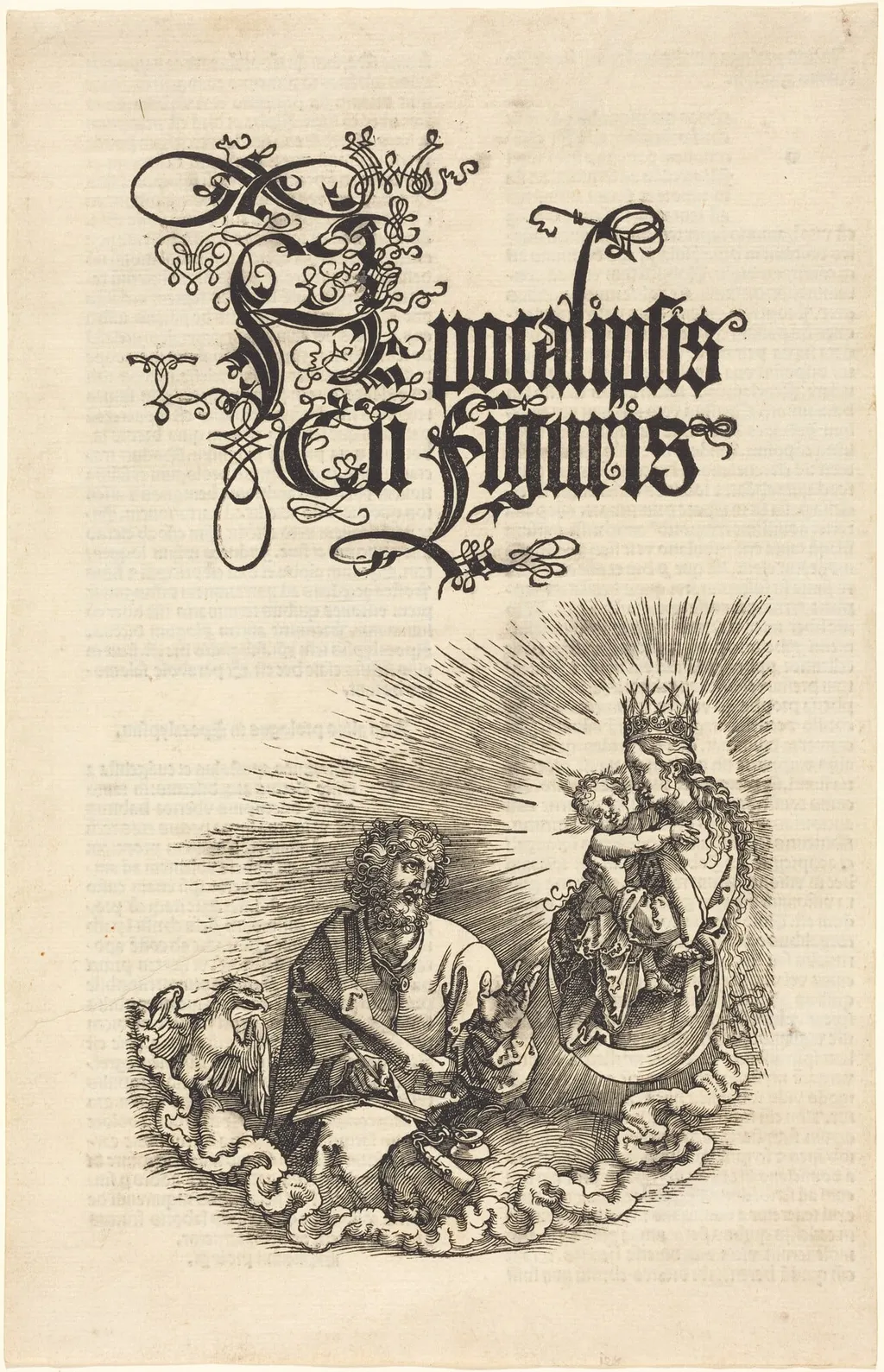
The Virgin Appearing to Saint John is an ink print by the Northern Renaissance artist Albrecht Dürer. It dates from 1510 and is held in the collection of the Metropolitan Museum of Art.
About this work
Overview
Albrecht Dürer’s woodcut, dated 1510, presents a devotional scene in which the Virgin Mary appears before Saint John the Evangelist, cradling the infant Christ. The composition is rendered in the stark contrasts typical of early 16th‑century printmaking, emphasizing the intimate encounter between the figures while maintaining a restrained visual tone.
Subject & Meaning
The image captures a moment of revelation: Mary, as the mother of Jesus, is shown presenting the child to John, a figure associated with the Gospel’s theological depth. The gesture underscores themes of divine incarnation and the transmission of sacred knowledge, inviting contemplation of the relational bond between the holy family and the apostolic witness.
Technique & Style
Executed as a woodcut, Dürer employed clean, linear incisions to delineate forms, allowing the negative space to convey volume and serenity. The simplicity of the lines, combined with careful attention to the folds of Mary’s robe and the delicate rendering of the infant’s face, demonstrates the artist’s mastery of the medium’s graphic potential.
History & Provenance
Created in the early years of Dürer’s mature period, the print was likely intended for private devotional use or limited circulation among patrons. Surviving copies are found in several European collections, reflecting the work’s continued relevance within the corpus of Dürer’s religious prints.
Artist & collection
Artist
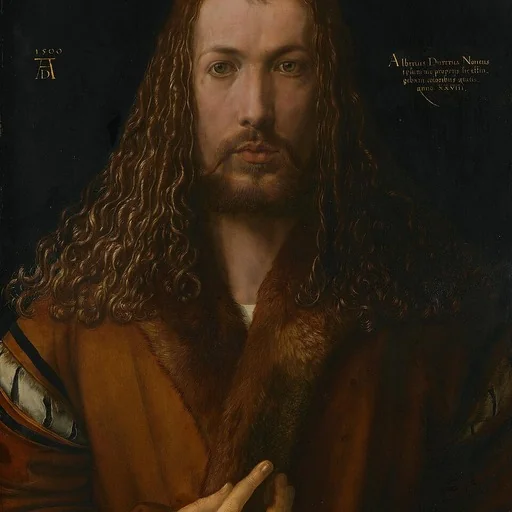
Albrecht Dürer spent his life in Nuremberg, a busy German city where artists traded prints like currency.

![Madonna and Child [obverse], by Albrecht Dürer](https://artifactworldgallery.com/img/albrecht-durer--madonna-and-child-obverse--d7b8ebf05d22ebe5-w320.webp)
![Lot and His Daughters [reverse], by Albrecht Dürer](https://artifactworldgallery.com/img/albrecht-durer--lot-and-his-daughters-reverse--b4ebf9b282faa17a-w320.webp)
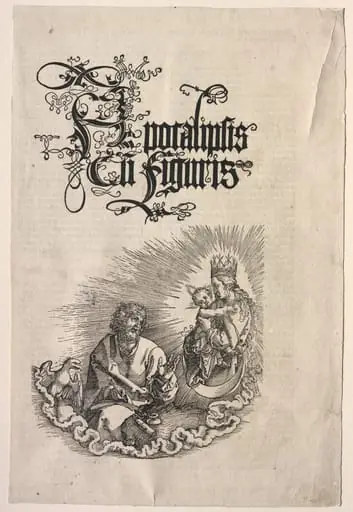 Revelation of St. John
 Title Page
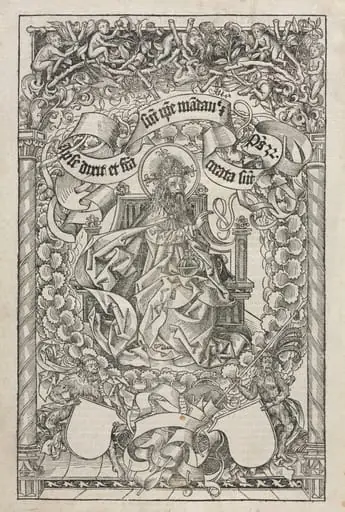 The Emblem
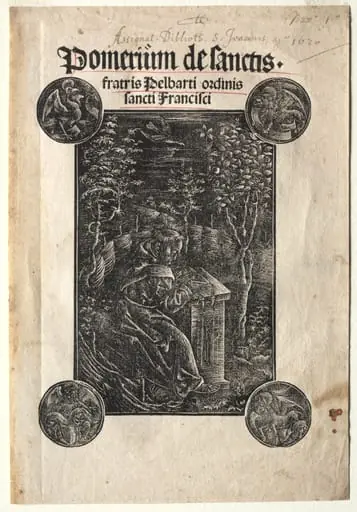 Pelbart of Temesvar Studying in a Garden
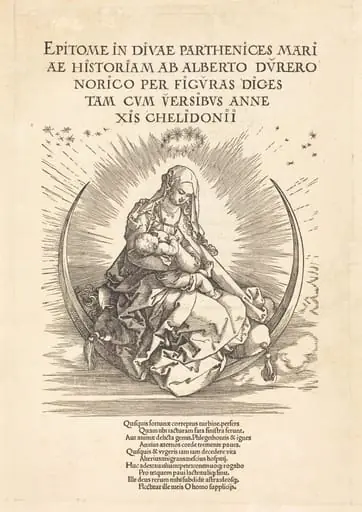 The Madonna on the Crescent
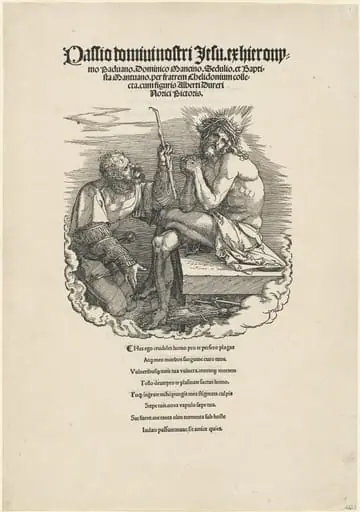 The Man of Sorrows Mocked by a Soldier
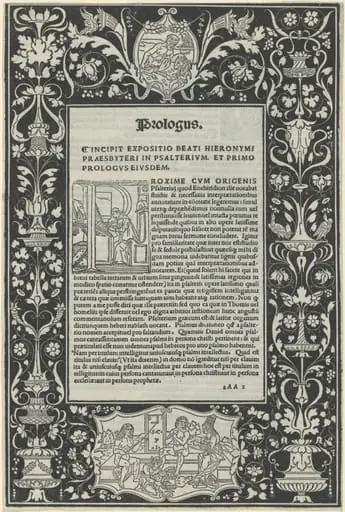 A White Line Border with Two Cartouches: "A Satyr Sacrificing a Ram," and "The Choice of Hercules"
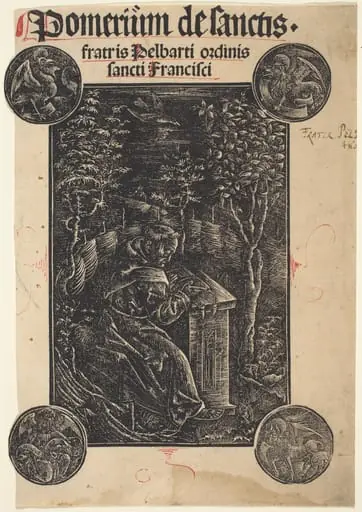 Franciscan, Pelbartus of Temesvar, in a Garden
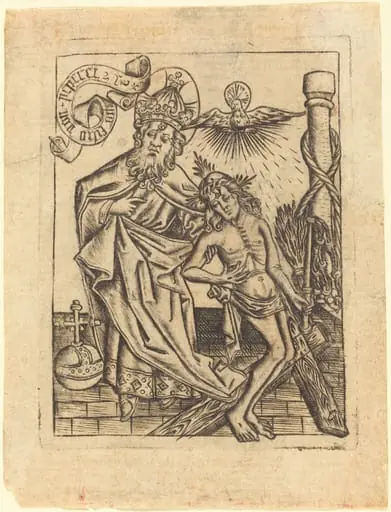 The Trinity
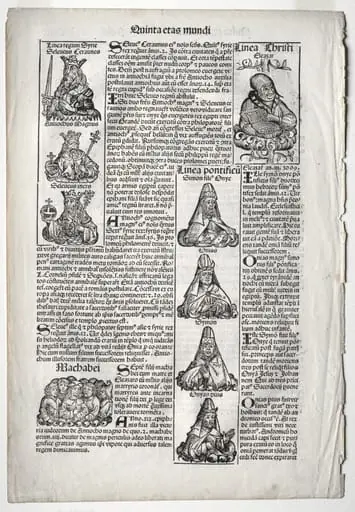 Genealogical Page; published in the Nuremberg Chronicle by Hartmann Schedel
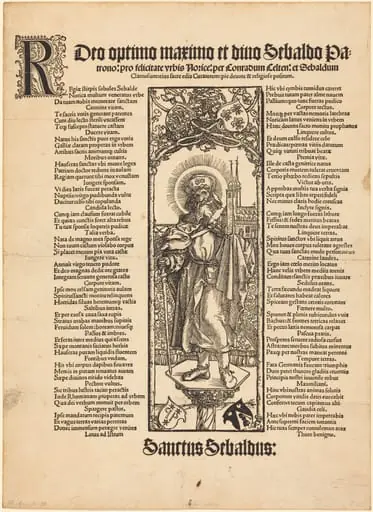 Saint Sebaldus Standing on a Column
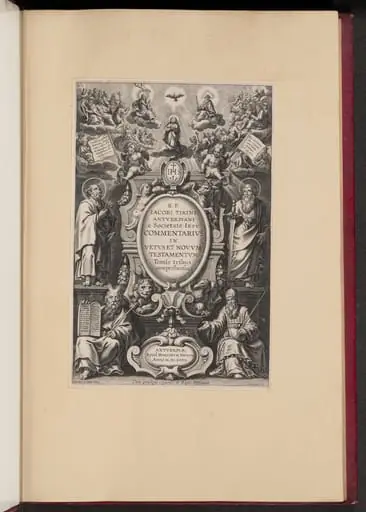 Title Page for R.P. Jacobi Tirini's "Commentarius in Vetvs et Novvm Testamentvm"