Artwork
Title Page for R.P. Jacobi Tirini's "Commentarius in Vetvs et Novvm Testamentvm"
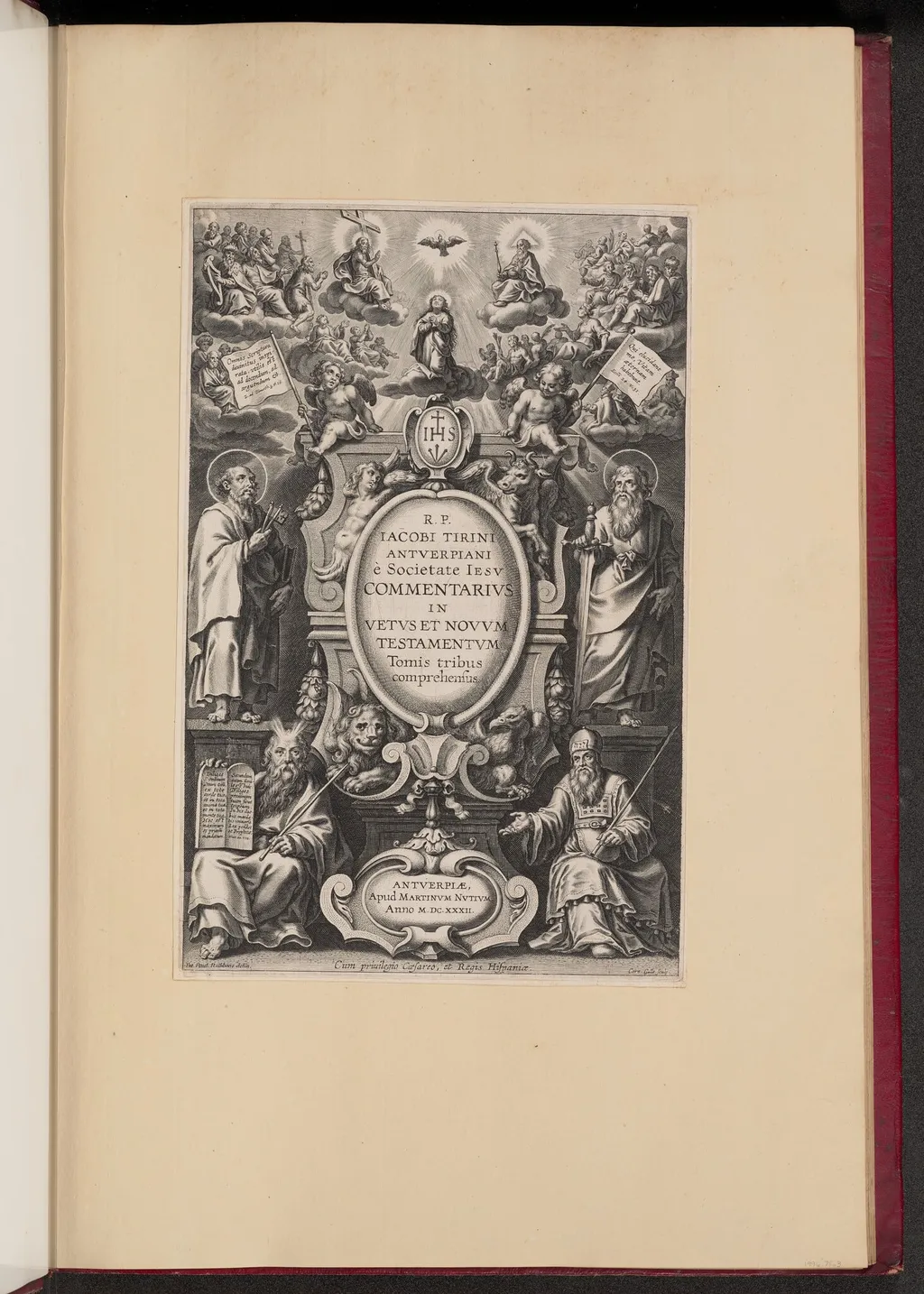
Title Page for R.P. Jacobi Tirini's "Commentarius in Vetvs et Novvm Testamentvm" is an ink print by the Baroque artist Cornelis Galle I. It dates from 1632 and is held in the collection of the National Gallery of Art. The 1632 title page, an engraving on laid paper, was produced by Cornelis Galle the Elder of Antwerp.
About this work
Around it, four men in robes hold scrolls or books, while angels and saints float or kneel in the sky.
This engraving is packed with figures and symbols. At the center, a shield with the letters "IHS" sits above a banner of Latin text. Around it, four men in robes hold scrolls or books, while angels and saints float or kneel in the sky. Below, two seated figures—one with a scroll, one with a staff—frame the scene. The bottom shows a lion and a man with a book, all framed by ornate scrollwork.
The text names a priest, Jacobi Tirini, and his Bible commentary from 1632. The mix of religious figures and Latin hints at a scholarly or church-related purpose.
Next, check out engraving to see how artists like this carved detailed images into metal.
Overview
The 1632 title page, an engraving on laid paper, was produced by Cornelis Galle the Elder of Antwerp. It serves as the frontispiece for Jacobus Tirini’s biblical commentary, combining a dense array of religious figures, heraldic symbols, and Latin inscriptions within an elaborate ornamental frame.
Subject & Meaning
Central to the composition is a shield bearing the monogram IHS, surmounted by a Latin banner, surrounded by four robed men holding scrolls or books, and a host of angels and saints positioned in the celestial space above. Beneath, two seated figures—one with a scroll, the other with a staff—anchor the scene, while a lion and a scholarly figure with a book appear at the lower edge, suggesting themes of scriptural authority and divine protection.
Technique & Style
Executed with the fine line work characteristic of Flemish engraving, Galle’s hand demonstrates precise hatching and intricate detailing that render textures of fabric, fur, and foliage. The layout balances crowded iconography with a disciplined compositional order, reflecting the artist’s training under his father Philip Galle and his later refinement after study in Rome.
History & Provenance
Cornelis Galle the Elder (1576–1650), a prominent Antwerp engraver and printseller, created the plate for the 1632 publication of Tirini’s commentary. The work exemplifies Galle’s mature period, during which he surpassed his father and brother Theodoor in technical proficiency, and it circulated among scholars and clergy who purchased the printed volume.
Context
The engraving belongs to a tradition of elaborate title pages that introduced theological works in the early seventeenth century. Its iconography—combining saints, angels, and emblematic devices—reflects Counter‑Reformation visual rhetoric, aimed at reinforcing the authority of biblical exegesis within a Catholic framework.
Artist & collection

Artist
Cornelis Galle the Elder (1576 – 29 March 1650), a younger son of Philip Galle, was born at Antwerp in 1576, and was taught engraving by his father.

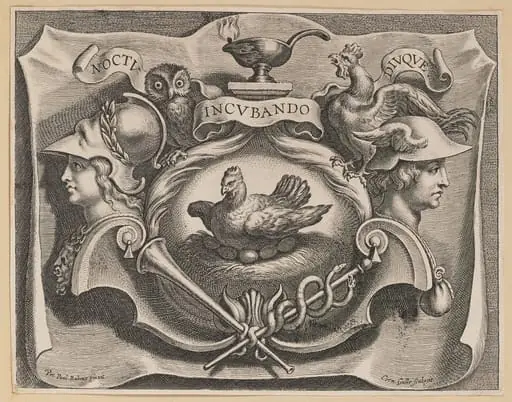 Vignette for the Title Page of Martinus Bonacina, Opera Omnia
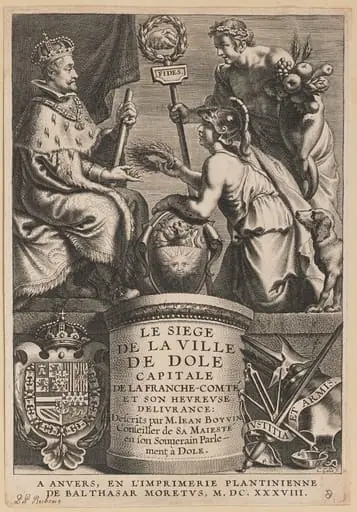 Title Page for Jean Boyvin, Le Siege de la Ville de Dole
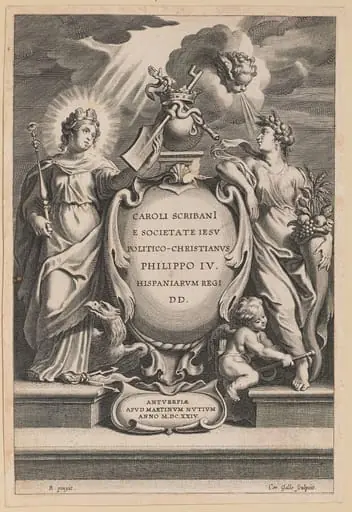 Title Page for Carolus Scribani, Politico-Christianus
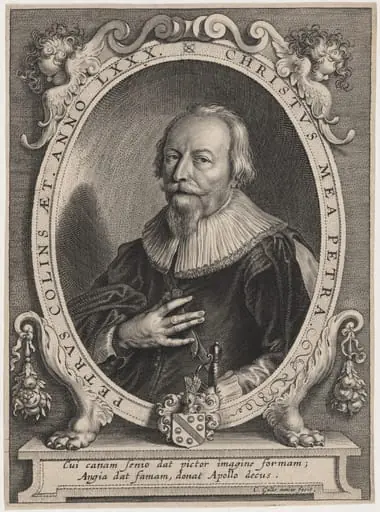 Petrus Collins
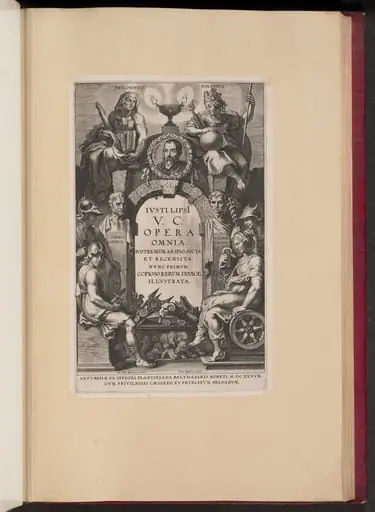 Title Page for Justus Lipsius, Opera Omnia, I
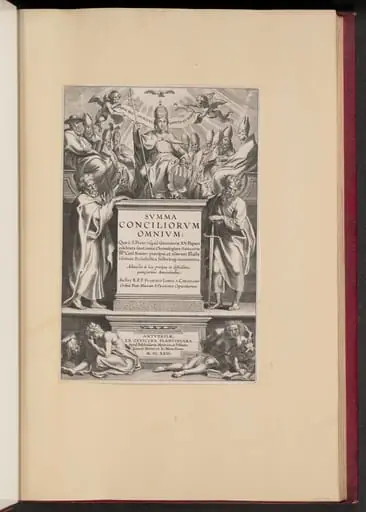 Title Page for F. Longo a Coriolano's "Svmma Conciliorvm Omnivm"
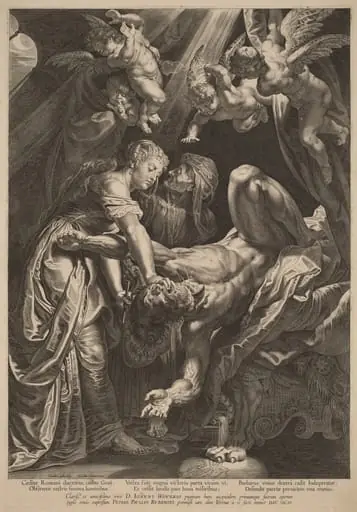 Judith Beheading Holofernes
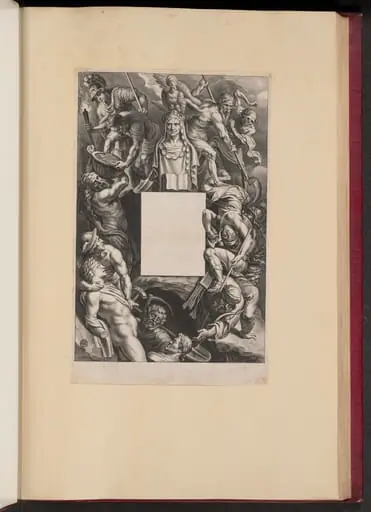 Title Page for Hubert Goltzius, Romanae et Graecae Antiqvitatis Monvmenta (Opera Omnia, I)
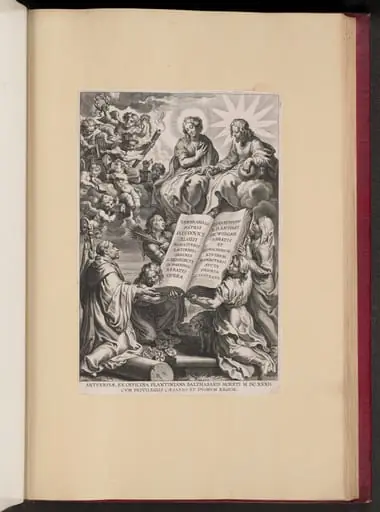 Title Page for Ludovicus Blosius, Opera
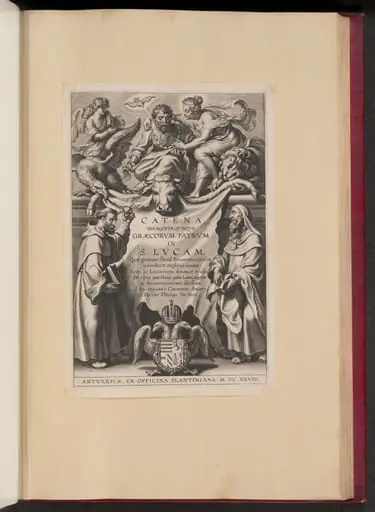 Title Page for Balthasar Cordier, Catena Sexaginta Qvinqve Graecorvm Patrvm in S. Lvcam...
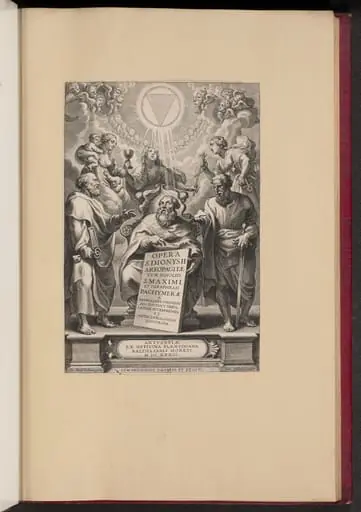 Title Page for Balthasar Cordier's "Opera S. Dionysii Areopagitae, I"
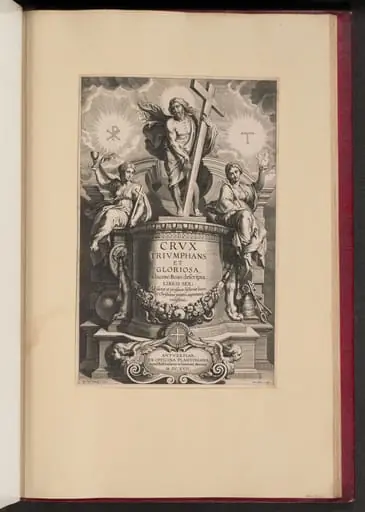 Title Page for Giacomo Bosio, Crux Triumphans et Gloriosa
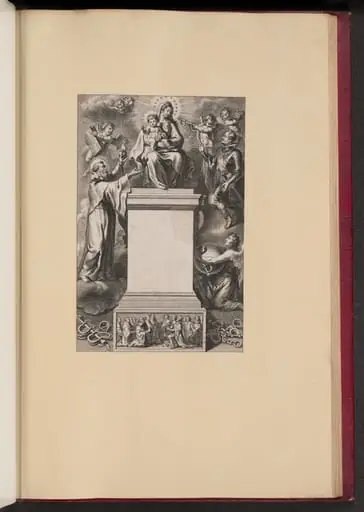 Title Page for B. De Los Rios, De Hierarchia Mariana Libri Sex
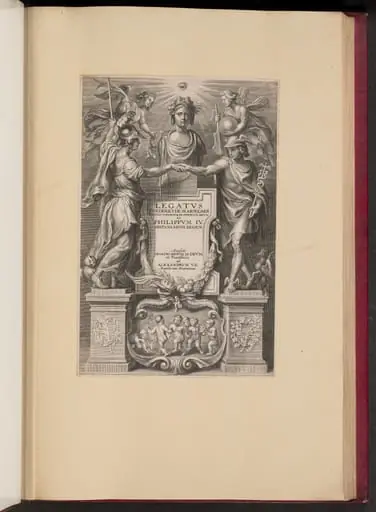 Title Page for Frederik de Marselaer, Legatvs