Artwork
Bethlehemitischer Kindermord
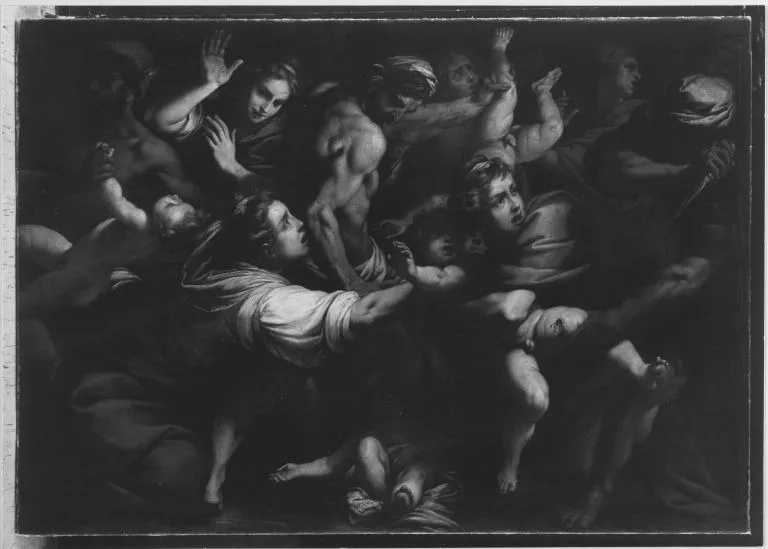
Bethlehemitischer Kindermord is an unspecified painting by the Early Baroque Italian artist Daniele Crespi. It dates from 1613 and is held in the collection of the Bavarian State Painting Collections.
About this work
Overview
Executed in Milan during the early Baroque period, the work belongs to the collection of Munich’s Alte Pinakothek.
Daniele Crespi’s 1613 canvas *Bethlehemitischer Kindermord* portrays the biblical Massacre of the Innocents. Executed in Milan during the early Baroque period, the work belongs to the collection of Munich’s Alte Pinakothek. It exemplifies Crespi’s emergence as a prominent history painter, marking a departure from the decorative excesses of earlier Lombard Mannerism toward a more direct visual narrative.
Subject & Meaning
The painting visualizes the tragic episode in which King Herod orders the killing of newborn children in Bethlehem, a motif recurrent in Christian art to underscore themes of suffering and divine providence. Crespi concentrates on the human anguish of the scene, arranging figures in a tangled mass that conveys both physical danger and emotional despair.
Technique & Style
Crespi employs a stark chiaroscuro, allowing illuminated faces and hands to emerge from an overall dark atmosphere. The contrast between deep shadows and bright highlights intensifies the sense of conflict, while the composition’s crowded, interlocking figures create a palpable sense of movement and tension characteristic of early Baroque drama.
History & Provenance
Created while Crespi was establishing his reputation in Milan, the painting entered the Alte Pinakothek’s holdings in the 19th century, though earlier ownership details remain sparse. Its presence in the museum’s collection reflects the institution’s focus on significant works of Northern Italian Baroque painting.
Context
The early 1600s witnessed a shift in Lombard art from the artificiality of Mannerism toward the clearer, more emotionally charged language of the Baroque. Crespi’s treatment of the Massacre of the Innocents aligns with this trend, using naturalistic forms and dramatic lighting to engage viewers directly with the narrative’s moral gravity.
Artist & collection
Artist
Daniele Crespi (1598 – 19 July 1630) was an Italian painter and draughtsman. He is regarded as one of the most original artists working in Milan in the 1620s. He broke away from the exaggerated manner of Lombard…

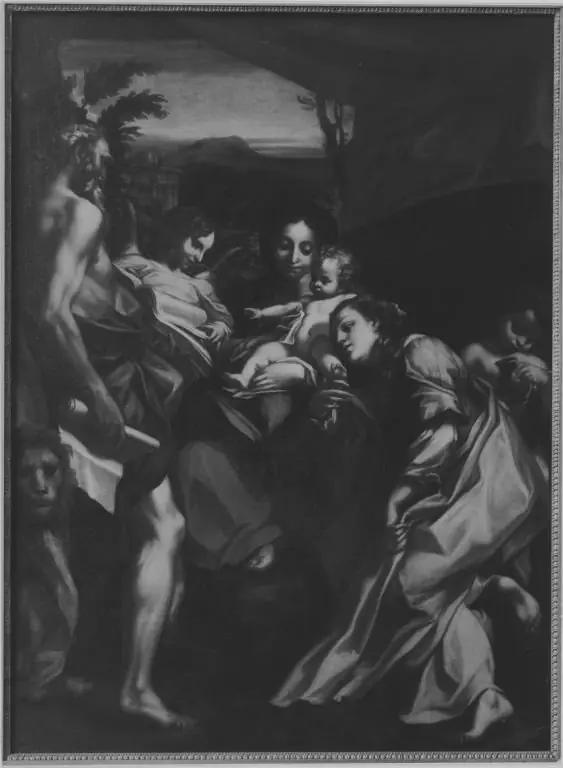 Madonna del S. Gerolamo (Maria mit Kind, hll. Maria Magdalena, Hieronymus und Engeln)
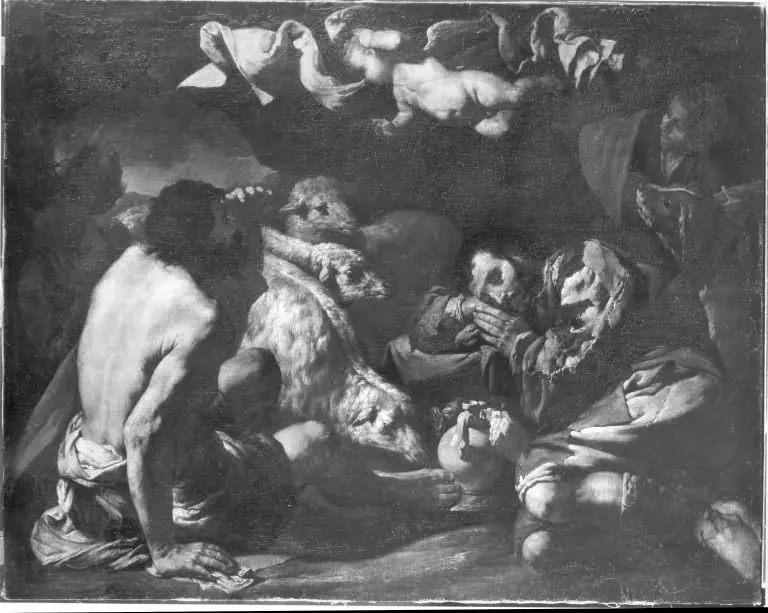 Verkündigung an die Hirten
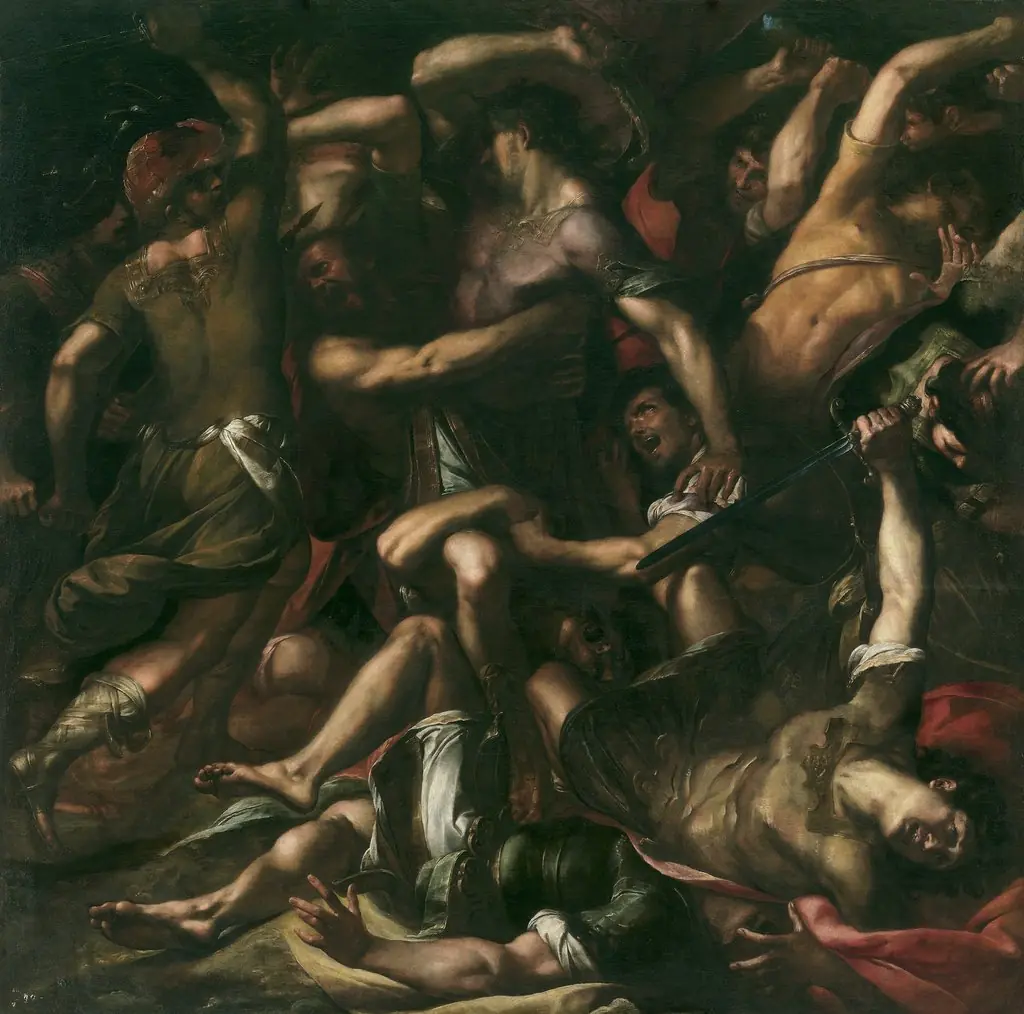 Samson and the Philistines
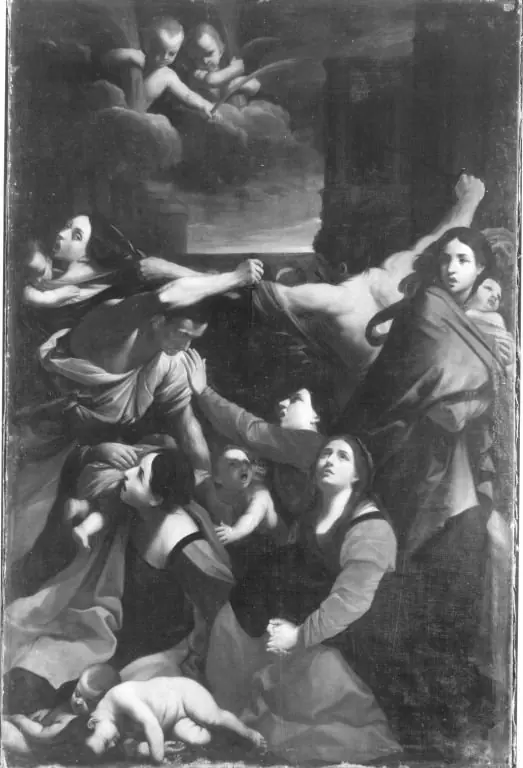 Bethlehemitischer Kindermord
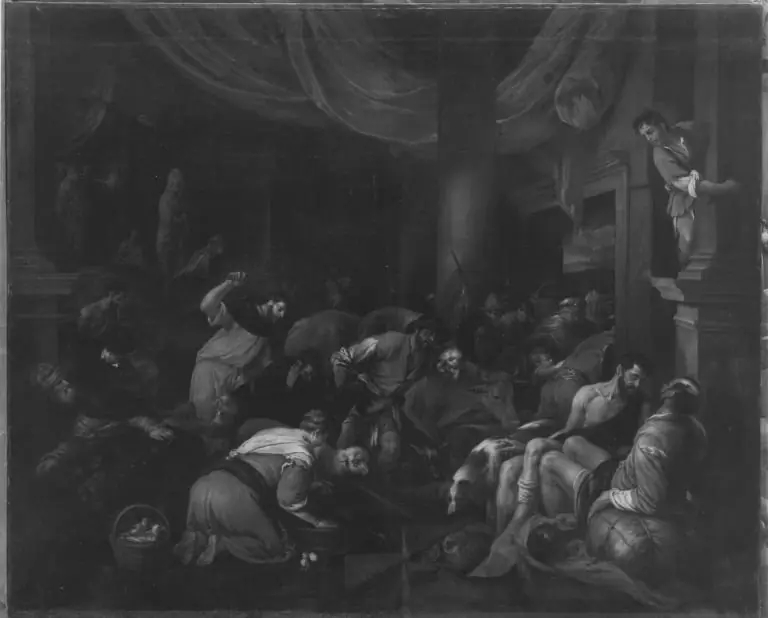 Vertreibung der Wechsler aus dem Tempel (Kopie nach)
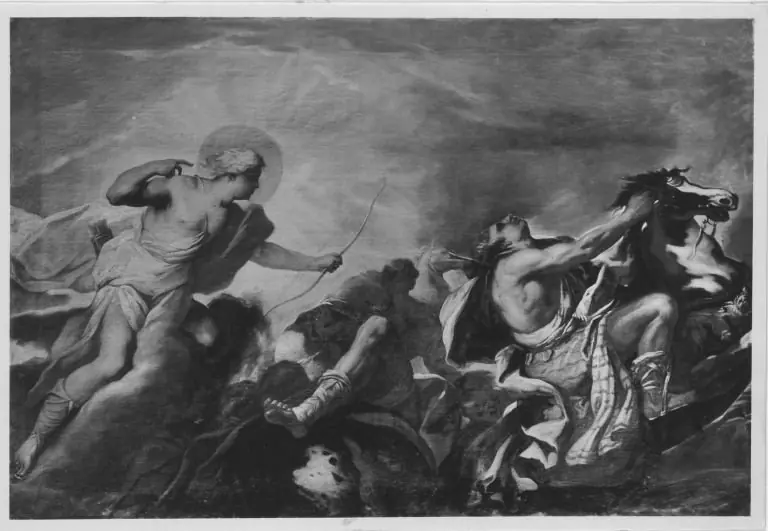 Apollo tötet die Kinder der Niobe
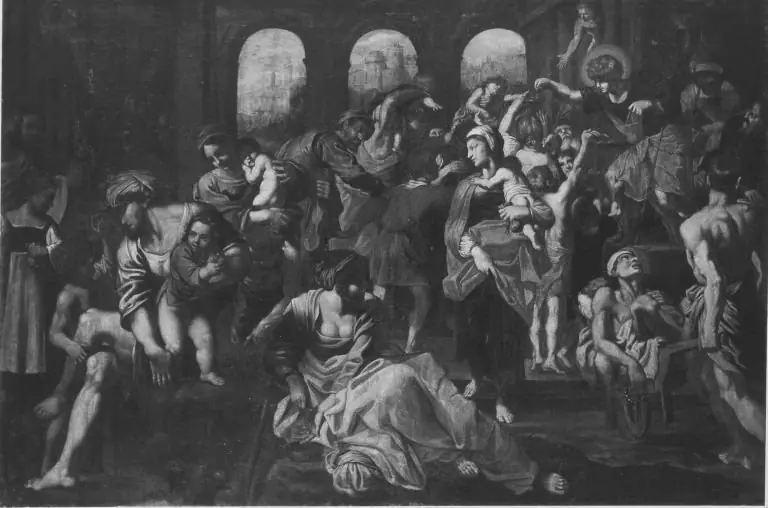 Der hl. Rochus verteilt Almosen
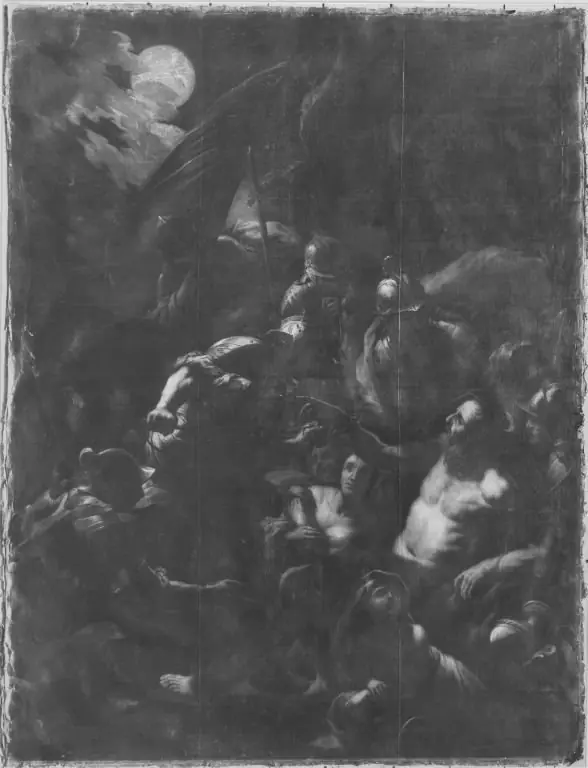 Arrest of Simson
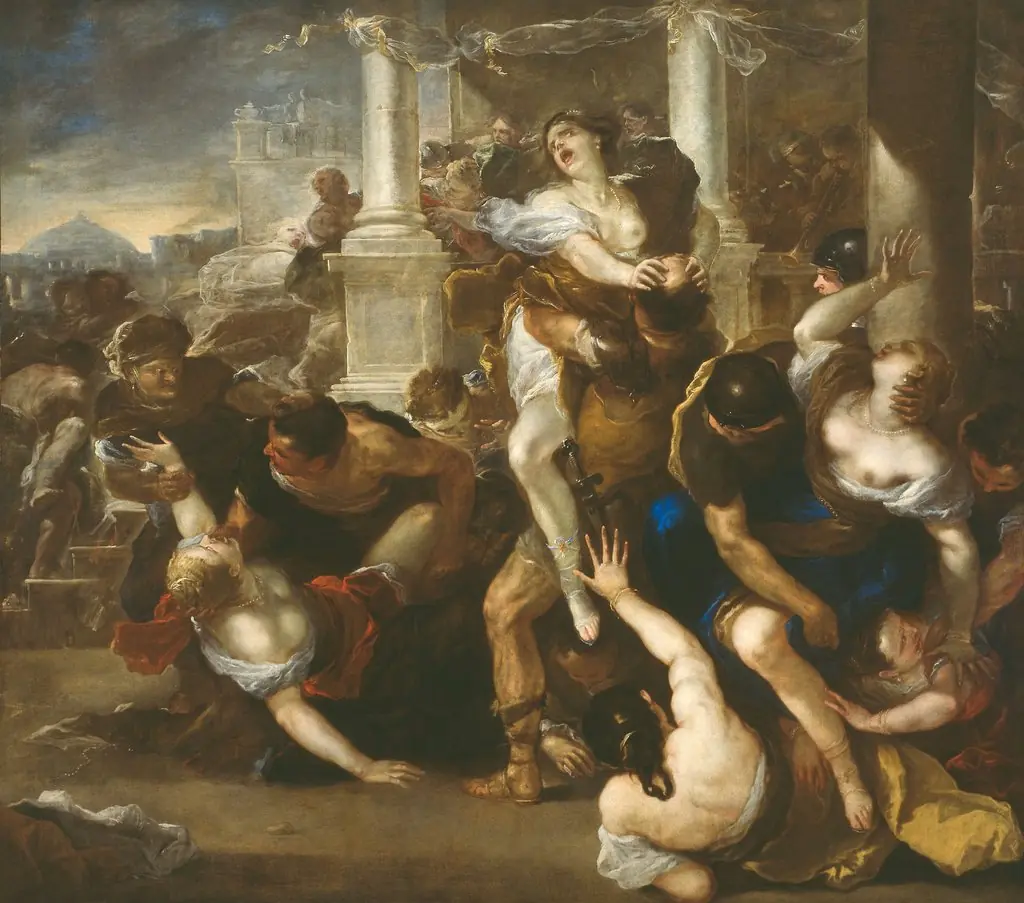 The Abduction of the Sabine Women
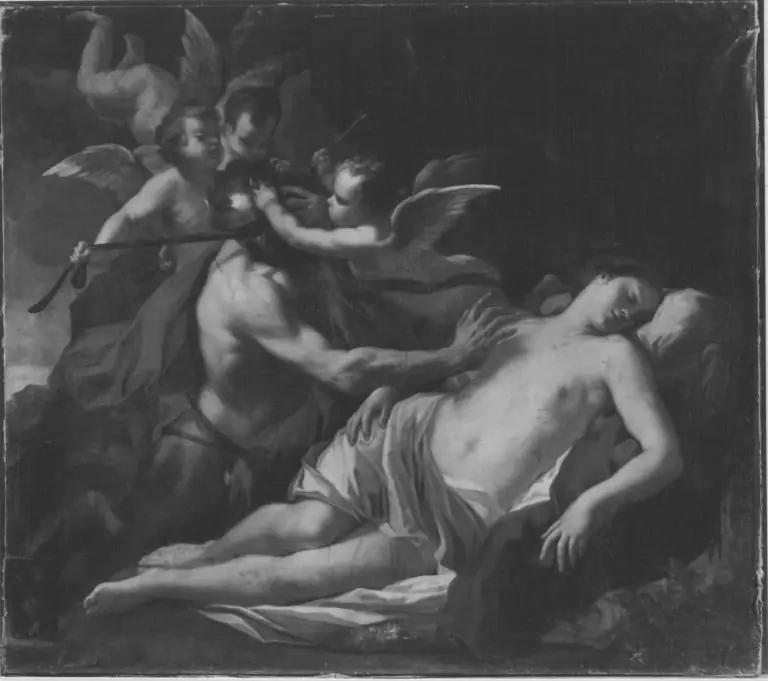 Nymphe and Satyr
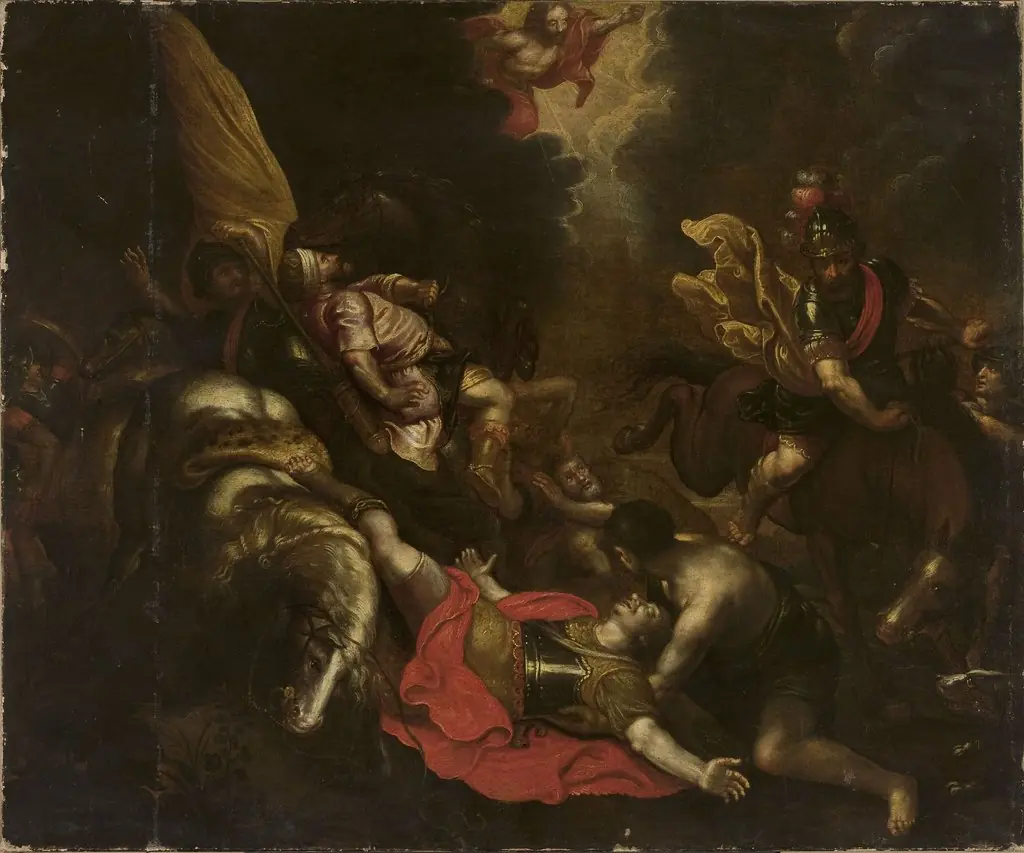 Conversion of St. Paul (Acts 9:3-6)
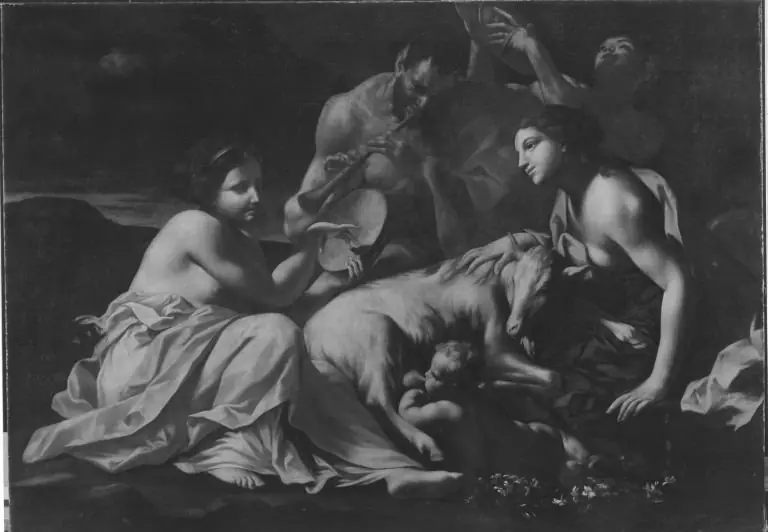 Jupiter als Kind, von der Ziege Amalthea genährt