Artwork
Tristan, the Hermit
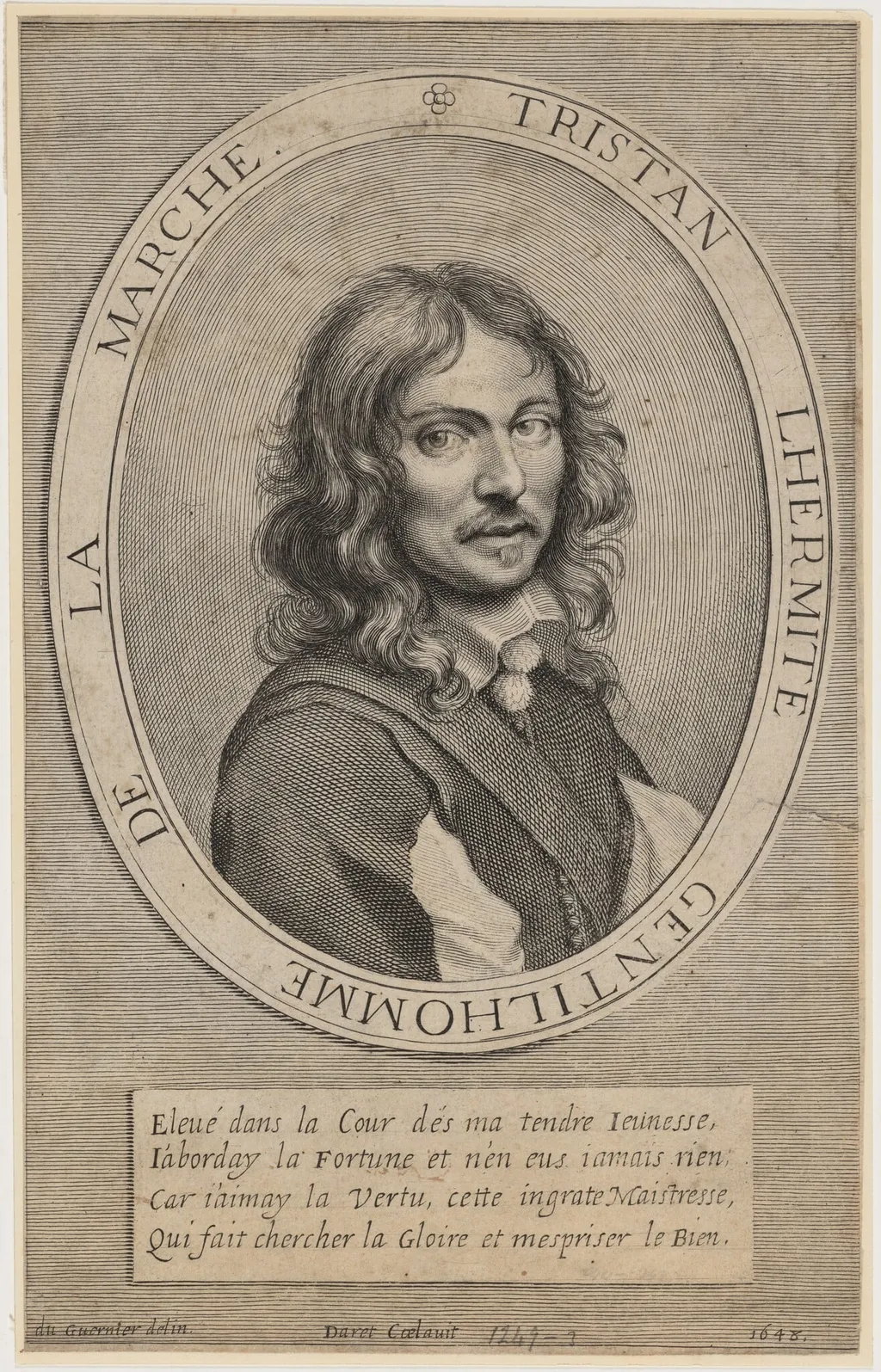
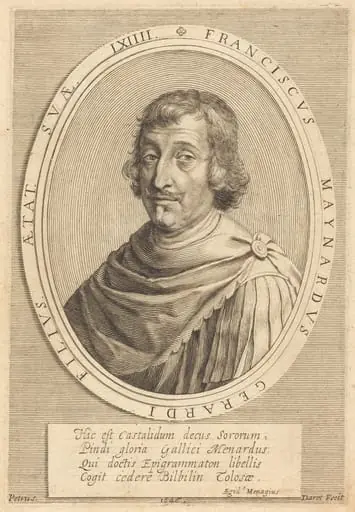
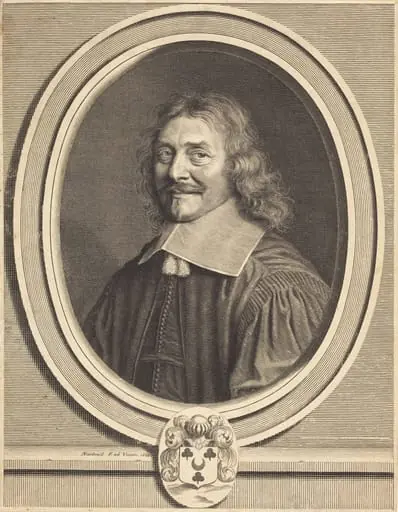
Tristan, the Hermit is an ink print by the Baroque artist Pierre Daret de Cazeneuve. It dates from 1648 and is held in the collection of the National Gallery of Art.
About this work
Overview
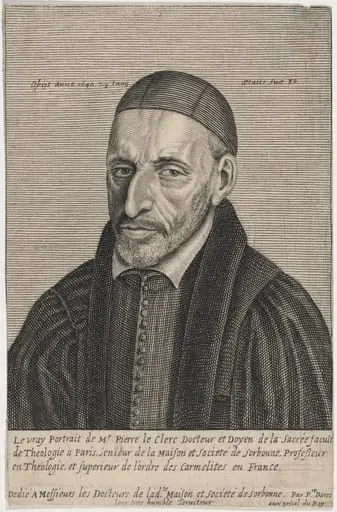
Rendered in fine linear detail, the portrait captures the subject in a contemplative pose, framed against a softly textured background of diagonal hatching.
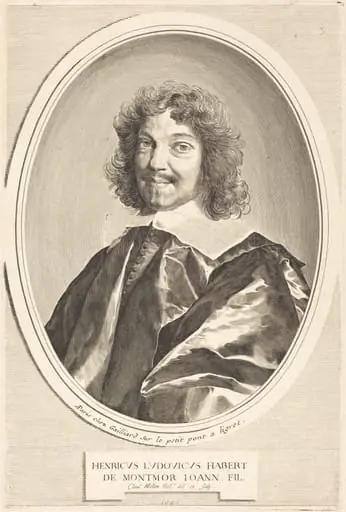
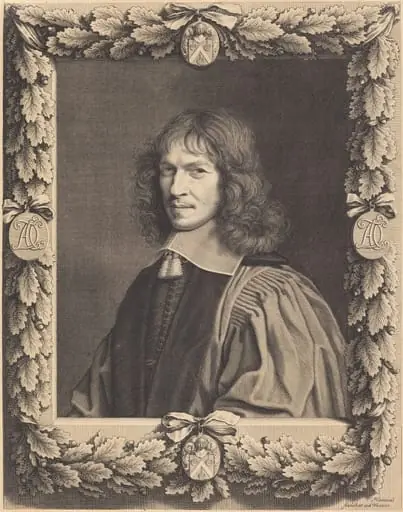
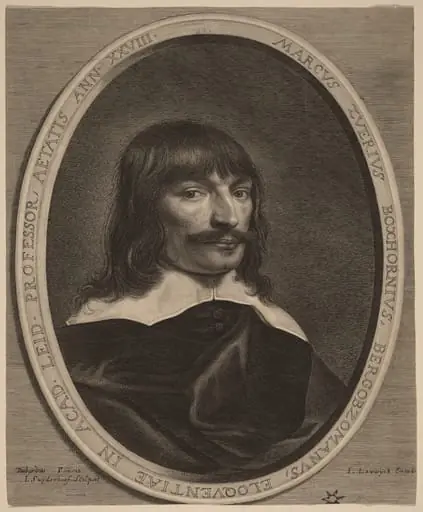
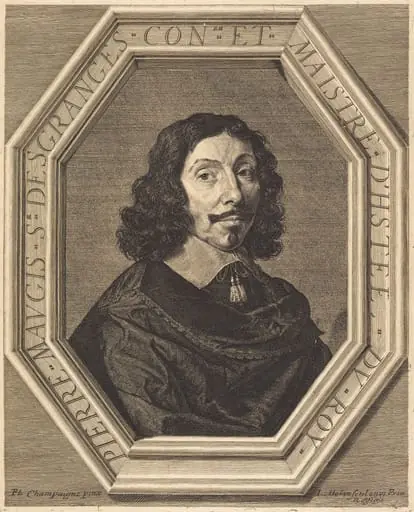
Created in 1648 by Pierre Daret de Cazeneuve, this engraving depicts a solitary male figure identified as Tristan. Rendered in fine linear detail, the portrait captures the subject in a contemplative pose, framed against a softly textured background of diagonal hatching. The work exemplifies 17th-century French printmaking, where precision and subtle tonal variation were achieved through incised metal plates.
Subject & Meaning
The figure is portrayed as a hermit, evoking themes of introspection and spiritual withdrawal. His serious gaze, unadorned clothing, and unkempt hair suggest a life removed from worldly concerns. Though not a documented historical person, the name Tristan may allude to literary or mythic traditions of solitary figures, reinforcing the image’s symbolic resonance rather than its biographical accuracy.
Technique & Style
The image was produced using engraving, a method involving incised lines on a copper plate inked and pressed onto paper. Daret de Cazeneuve employed fine, controlled strokes to define the texture of hair, fabric, and skin, while the background’s diagonal lines create depth without distraction. The restrained palette and sharp delineation reflect the precision valued in early modern reproductive prints.
History & Provenance
The engraving was made during a period when portraiture in print flourished among French intellectuals and clergy. While specific early ownership records are sparse, its survival suggests it was circulated among collectors or used as a model for devotional or literary illustration. The work remains a rare example of Daret de Cazeneuve’s graphic output from the mid-17th century.
Context
In mid-17th-century France, engraved portraits often served as vehicles for moral or religious reflection, especially among monastic and scholarly circles. The hermit archetype, drawn from Christian asceticism and chivalric romance, was a familiar motif. Daret’s rendering aligns with broader trends in portraiture that emphasized inner character over external grandeur.
Legacy
Though not widely reproduced or studied today, the engraving contributes to the understanding of French print culture during the reign of Louis XIII. It illustrates how artists used the medium to explore psychological depth and symbolic identity, laying groundwork for later developments in portrait engraving and the visual language of solitude in European art.
Artist & collection