Artwork
Sir James Harrington, Bart.
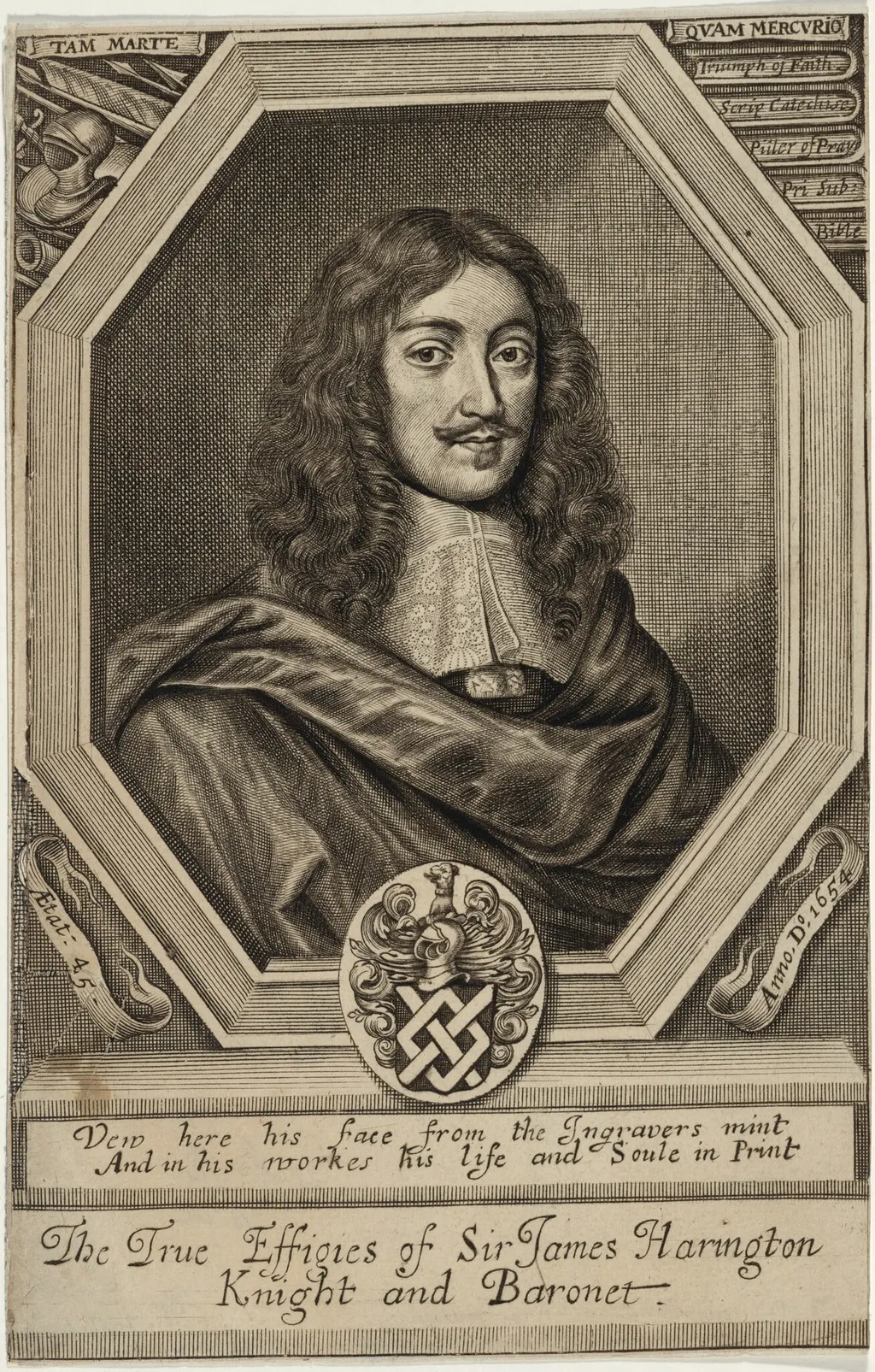
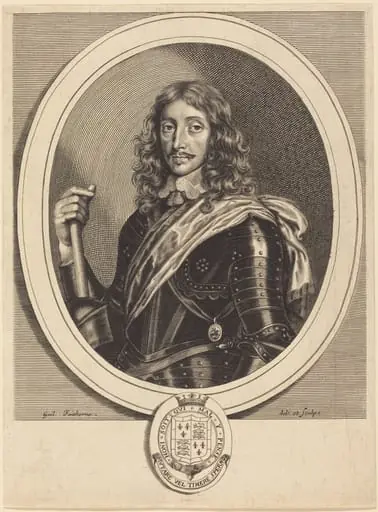
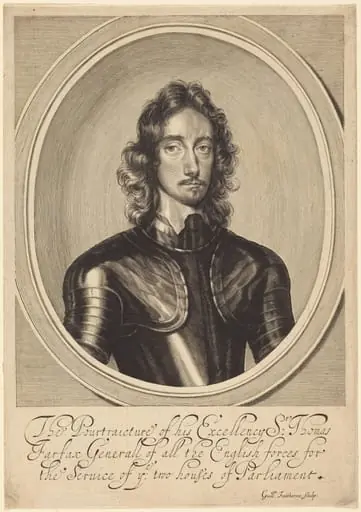
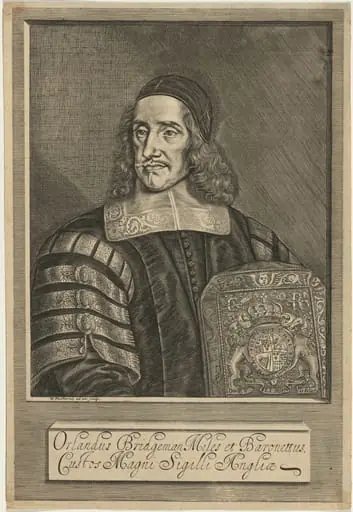
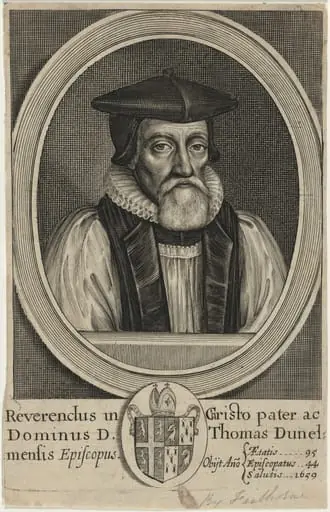
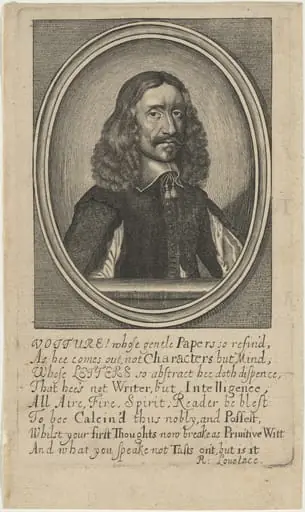
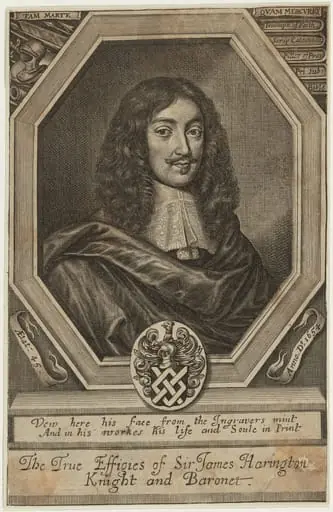
Sir James Harrington, Bart. is an ink print by the Baroque artist William Faithorne. It dates from 1682 and is held in the collection of the National Gallery of Art.
About this work
Overview
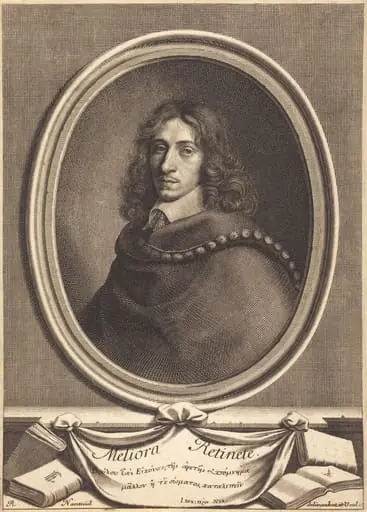
William Faithorne’s 1682 engraving presents Sir James Harrington, Baronet, in a formal portrait. Rendered in black and white, the image captures Harrington’s curly hair, moustache, and aristocratic attire, including a ruffled collar and a draped cloak. The composition is framed by decorative borders and includes an emblem beneath the chin, as well as Latin inscriptions surrounding the portrait.
Subject & Meaning
The work identifies Harrington as a knight and baronet, emphasizing his social rank through clothing and heraldic symbols. The round emblem with a swirling motif and an X‑shaped figure likely represents a family or personal device, reinforcing the sitter’s lineage and status within the visual narrative.
Technique & Style
Faithorne employed the intaglio engraving process, incising fine lines into a copper plate to achieve delicate tonal variations. The portrait’s precise hatching and cross‑hatching convey texture in hair, fabric, and the ornamental border, exemplifying the meticulous craftsmanship typical of late‑seventeenth‑century English printmaking.
History & Provenance
Created in 1682, the print was issued with the caption “The True Effigies of Sir James Harrington, Knight and Baronet.” The inclusion of Latin phrases such as “Tam Marte” and “Ovam Mercurius” suggests a contemporary dedication or motto, common in portrait prints intended for circulation among the gentry.
Context
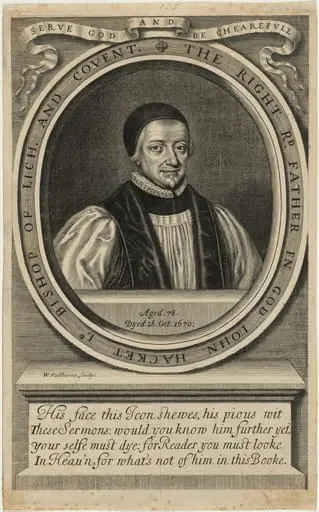
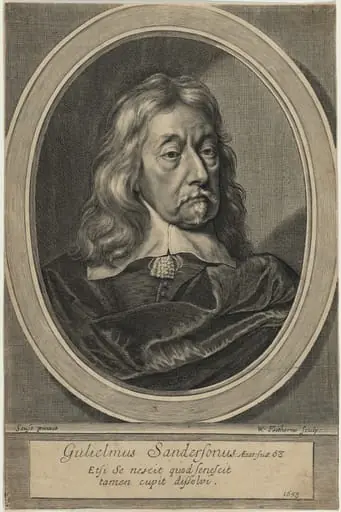
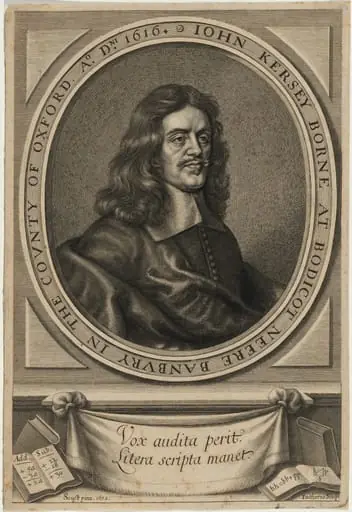
During the Restoration period, engraved portraits served both as personal commemoration and as a means of disseminating the likenesses of notable individuals. Faithorne, a prominent engraver of the era, produced numerous such likenesses, contributing to the visual culture of aristocratic self‑representation.
Artist & collection
Artist
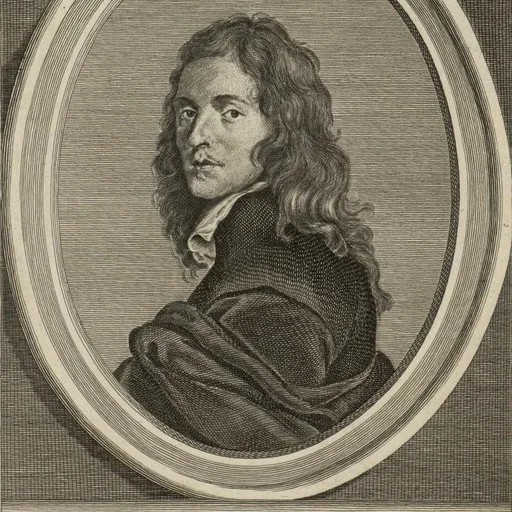
William Faithorne (1616–1691) was a British artist, born in Greater London.