Artwork
Invention charivarique
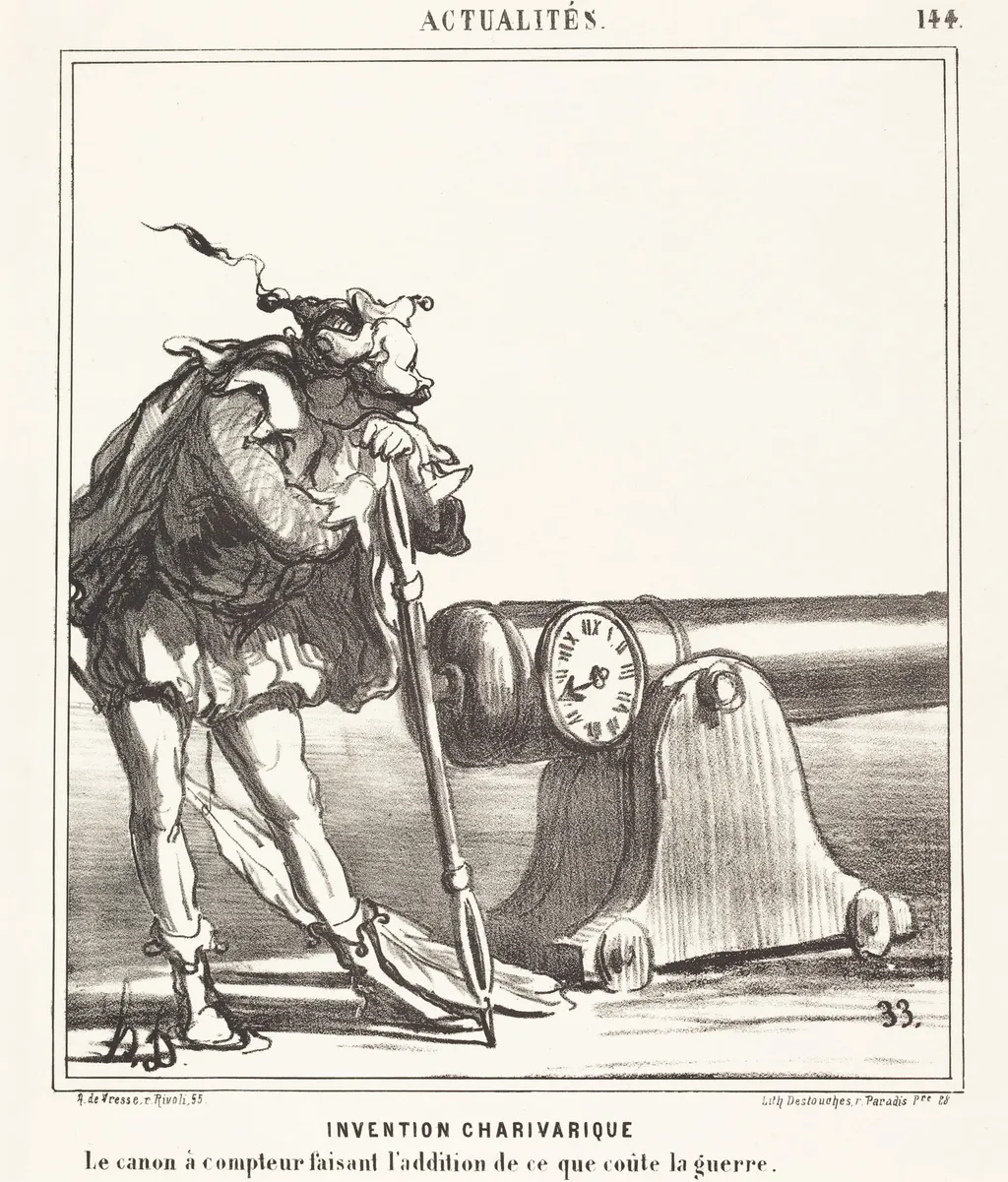
Invention charivarique is an ink print by the Impressionist artist Honoré Daumier. It dates from 1868 and is held in the collection of the National Gallery of Art.
About this work
Overview
Invention charivarique is a lithograph created by Honoré Daumier in 1868, exemplifying his satirical approach to critiquing the social and political landscape of France during the mid-19th century.
Subject & Meaning
The lithograph depicts a grotesquely exaggerated figure with a clock for a head, accompanied by a bag of money and leaning on a table with a long stick. The 'invention' is ironically described as a cannon that tallies war expenses, symbolizing Daumier's republican stance against the financial burdens and absurdities of war, as well as the corrupting influence of wealth.
Technique & Style
Daumier employed sharp lines and pronounced dark shading in the lithograph, achieving a dual tone that blends humor with seriousness, characteristic of his caricature style as seen in publications like La Caricature and Le Charivari.
History & Provenance
Created in 1868, this work falls within Daumier's prolific period of satirical output, targeting the monarchy, aristocracy, and clergy. The specific provenance of 'Invention charivarique' is not detailed here, but it aligns with Daumier's broader body of work circulated through journalistic channels.
Context
This piece is set against the backdrop of France's tumultuous period between the 1830 Revolution and the fall of the Second Empire, where Daumier's art served as a vehicle for republican democratic ideals and social commentary.
Legacy
While the specific legacy of 'Invention charivarique' is not elaborated, it contributes to Daumier's overall impact as a pioneering satirical artist, influencing future generations in the use of art for political and social critique.
Artist & collection

Artist
Honoré-Victorin Daumier was a French painter, sculptor, and printmaker, whose many works offer commentary on the social and political life in France, from the Revolution of 1830 to the fall of the Second French Empire in 1870.









 Polichinelle
 Le Prince de Hohenzollern...
 La paix a tout prix
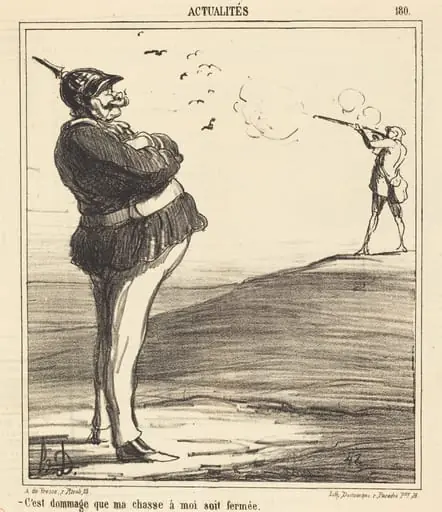 C'est dommage que ma chasse a moi soit fermée
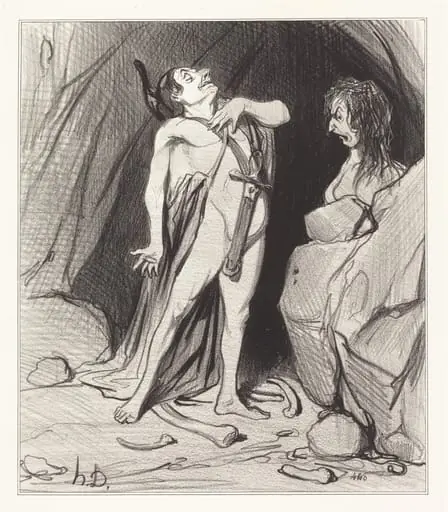 Oedipe chez le Sphinx
 Untitled
 The Fall and Redemption of Man: Christ Crowned with Thorns
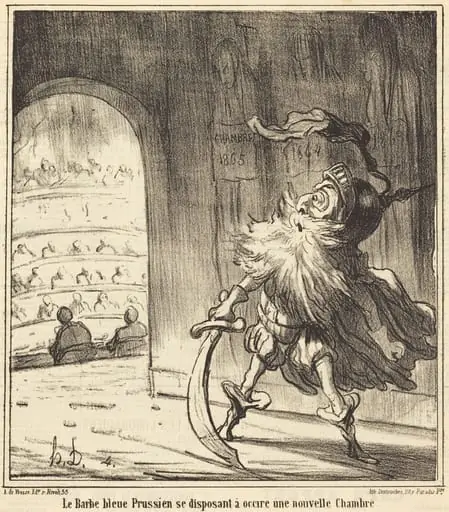 Le Barbe bleu Prussien...
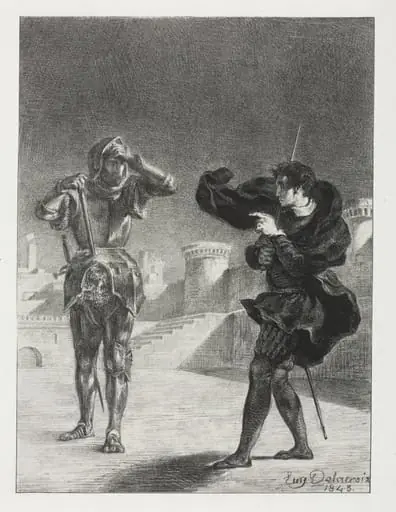 Hamlet: The Phantom on the Terrace
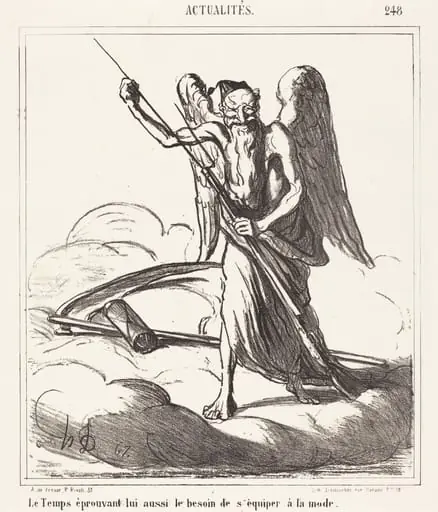 Le Temps éprouvant lui aussi le besoin de s'équiper a la mode
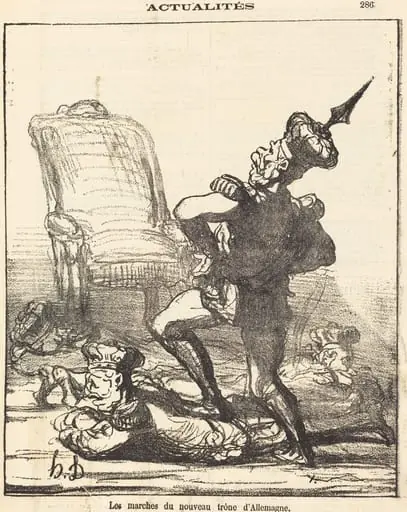 Les marches du nouveau trone d'Allemagne
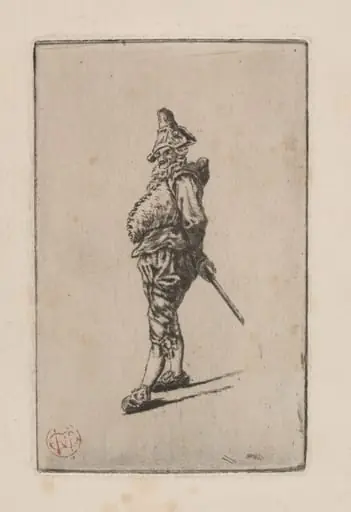 Punchinello, after Meissonier