Artwork
Le Dernier du Télémaque
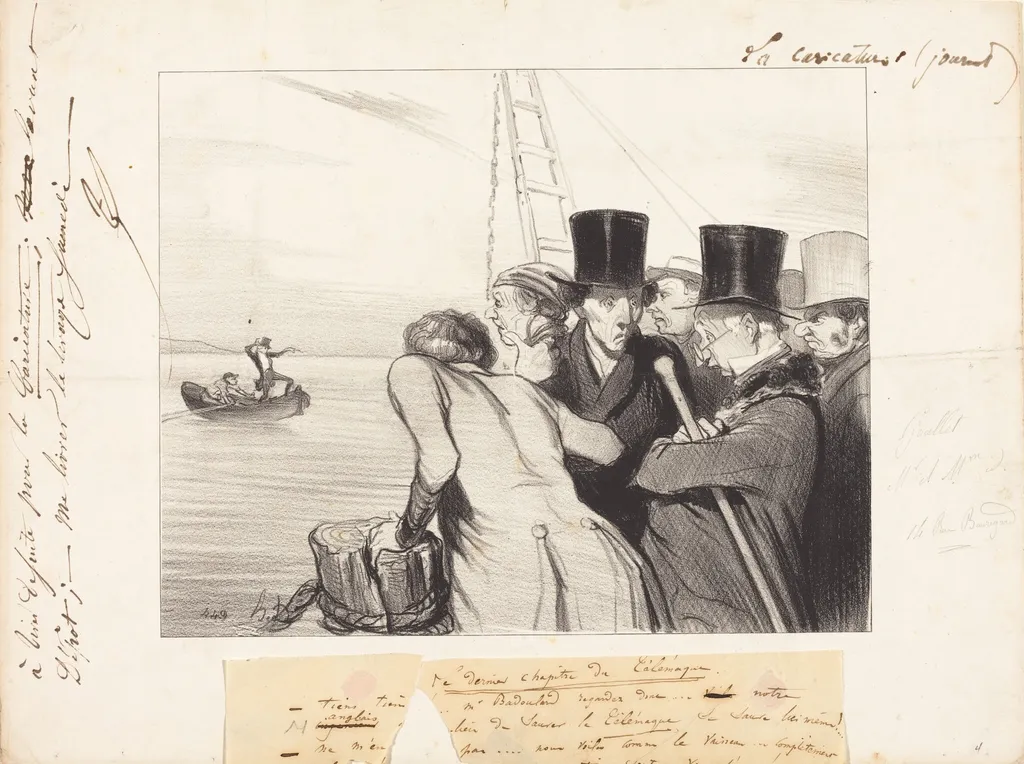
Le Dernier du Télémaque is an ink print by the Romanticist artist Honoré Daumier. It dates from 1843 and is held in the collection of the National Gallery of Art.
About this work
Overview
Executed in the accessible medium of lithography, the work was likely intended for mass circulation in periodicals like *Le Charivari*.
Created in 1843, *Le Dernier du Télémaque* is a lithograph by Honoré Daumier, part of a series of political and social satires produced during France’s July Monarchy. Executed in the accessible medium of lithography, the work was likely intended for mass circulation in periodicals like *Le Charivari*. Its informal, rapidly drawn style reflects Daumier’s practice of capturing fleeting moments of public behavior, turning everyday scenes into subtle critiques of authority and class.
Subject & Meaning
The scene depicts a disordered crowd of men in formal attire—top hats and long coats—struggling near a barrel and a ladder, suggesting a chaotic evacuation or rescue. A solitary figure in a boat in the distance hints at a larger disaster, possibly alluding to the failed promises of leadership. The title, referencing the mythic figure Telemachus, ironically contrasts heroic ideals with the base scramble for survival, mocking the elite’s self-perceived nobility amid crisis.
Technique & Style
Daumier employed lithography to achieve a spontaneous, sketch-like quality. Loose, energetic lines and minimal shading convey urgency and movement, with figures emerging from smudged ink rather than precise contours. The rough edges and scribbled annotations around the composition suggest a working drawing, reinforcing the immediacy of the moment. This unpolished aesthetic was deliberate, aligning with the raw, unfiltered nature of his social commentary.
History & Provenance
The print emerged during a period of heightened censorship under King Louis-Philippe, when Daumier was frequently targeted for his caricatures. Though *Le Dernier du Télémaque* was not among the works that led to his imprisonment in 1832, it belongs to the same body of subversive imagery that circulated clandestinely in popular journals. Its survival in private and institutional collections attests to its enduring resonance as a document of political dissent.
Context
Daumier’s work responded to the growing disillusionment with the July Monarchy’s pretensions to stability and virtue. The bourgeoisie, depicted here in their formal wear, were often the targets of his satire—seen as self-serving and out of touch. The image’s ambiguity, blending mythic allusion with mundane chaos, mirrored public skepticism toward official narratives, making it a quiet but potent reflection of republican sentiment in pre-1848 France.
Legacy
Though less famous than Daumier’s courtroom scenes or street vendors, *Le Dernier du Télémaque* exemplifies his ability to distill complex social tensions into a single, unadorned image. Its influence extends to later generations of satirical illustrators who adopted his blend of realism and irony. The work remains a testament to lithography’s capacity for political expression, preserving the visual language of dissent in an era of restricted speech.
Artist & collection
Artist
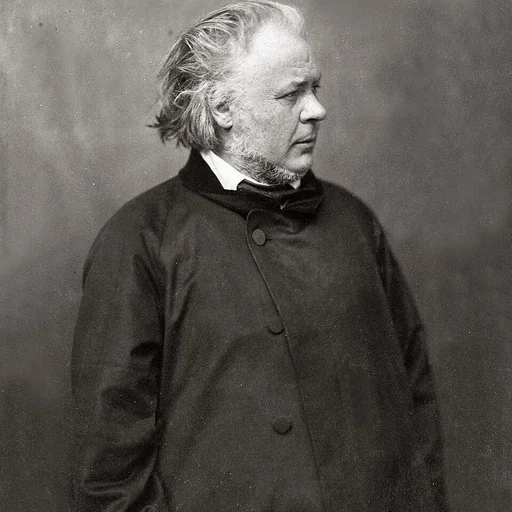
Honoré-Victorin Daumier was a French painter, sculptor, and printmaker, whose many works offer commentary on the social and political life in France, from the Revolution of 1830 to the fall of the Second French Empire in 1870.

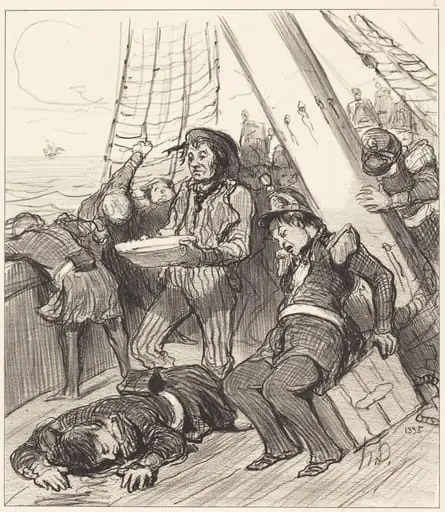 Plusieurs gardes nationaux qui n'avaient pas songé...
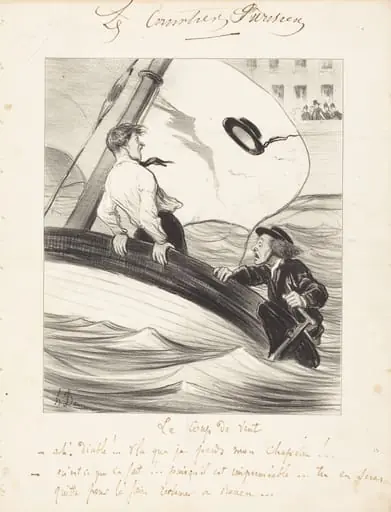 Le Coup de vent
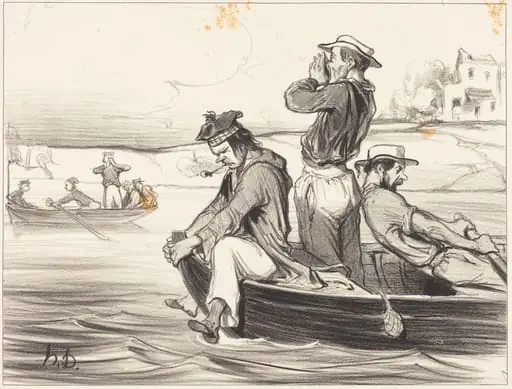 Une Rencontre en pleine eau
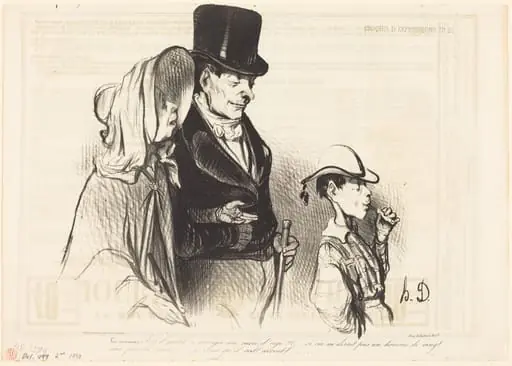 La Maman - Est-il gentil a manger son sucre d'orge!...
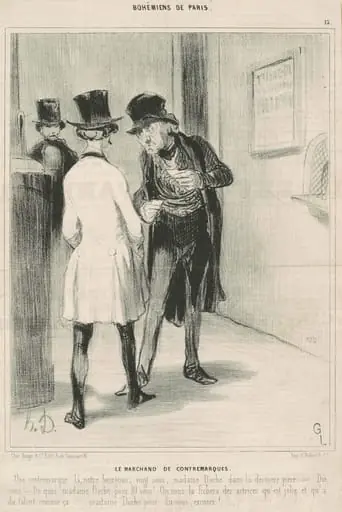 Le marchand de contremarques
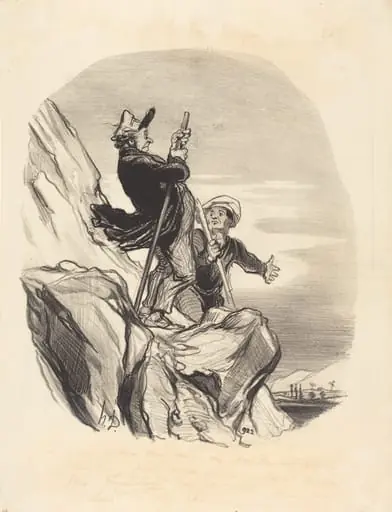 Guide, allons-nous-en... au nom du ciel...
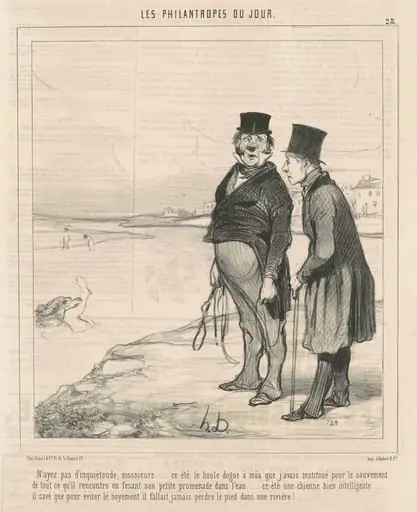 N'ayez pas d'inquiètoude ...
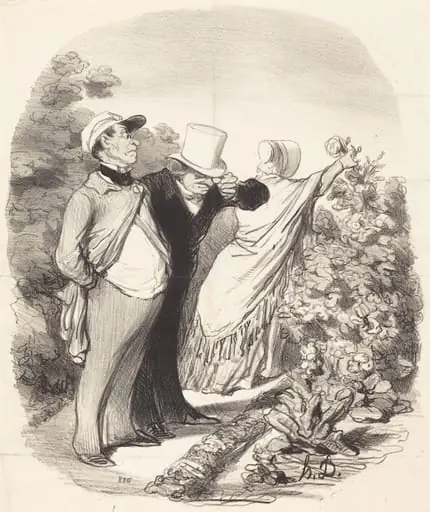 Allons bon!... voila que'elle me cueille une rose...
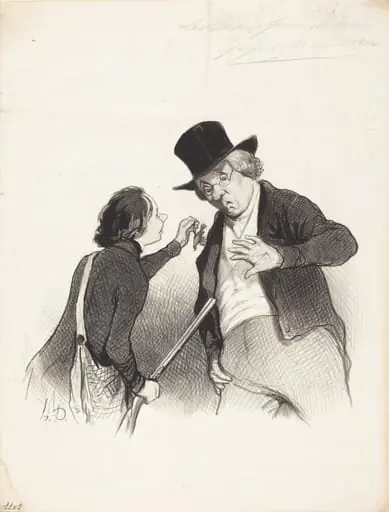 Un Début a la chasse
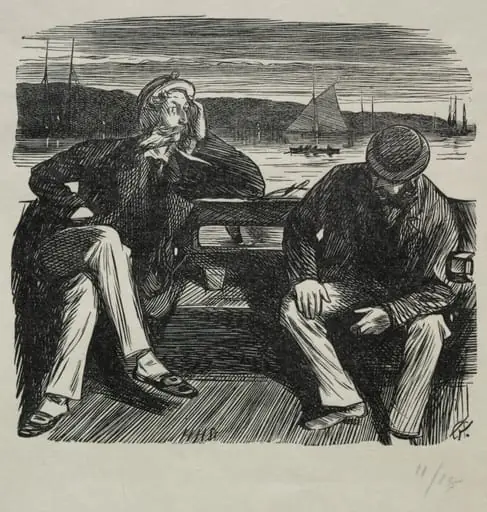 Lady Nelly - the Flirt
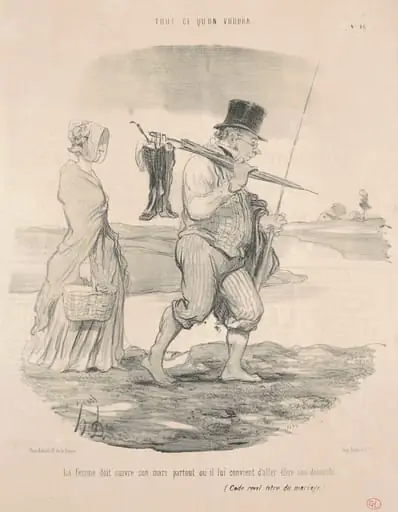 La femme doit suivre son mari ...
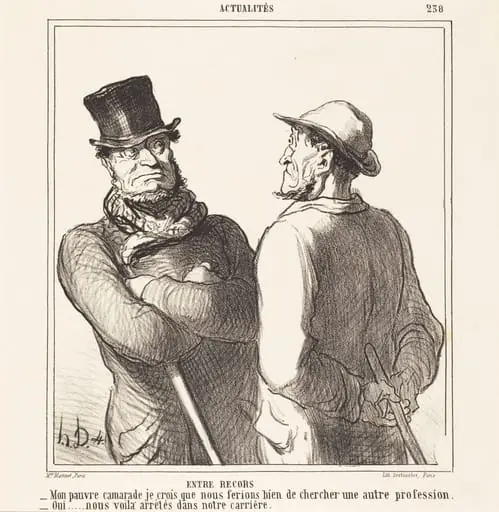 Entre recors