Artwork
Un Hommage filial
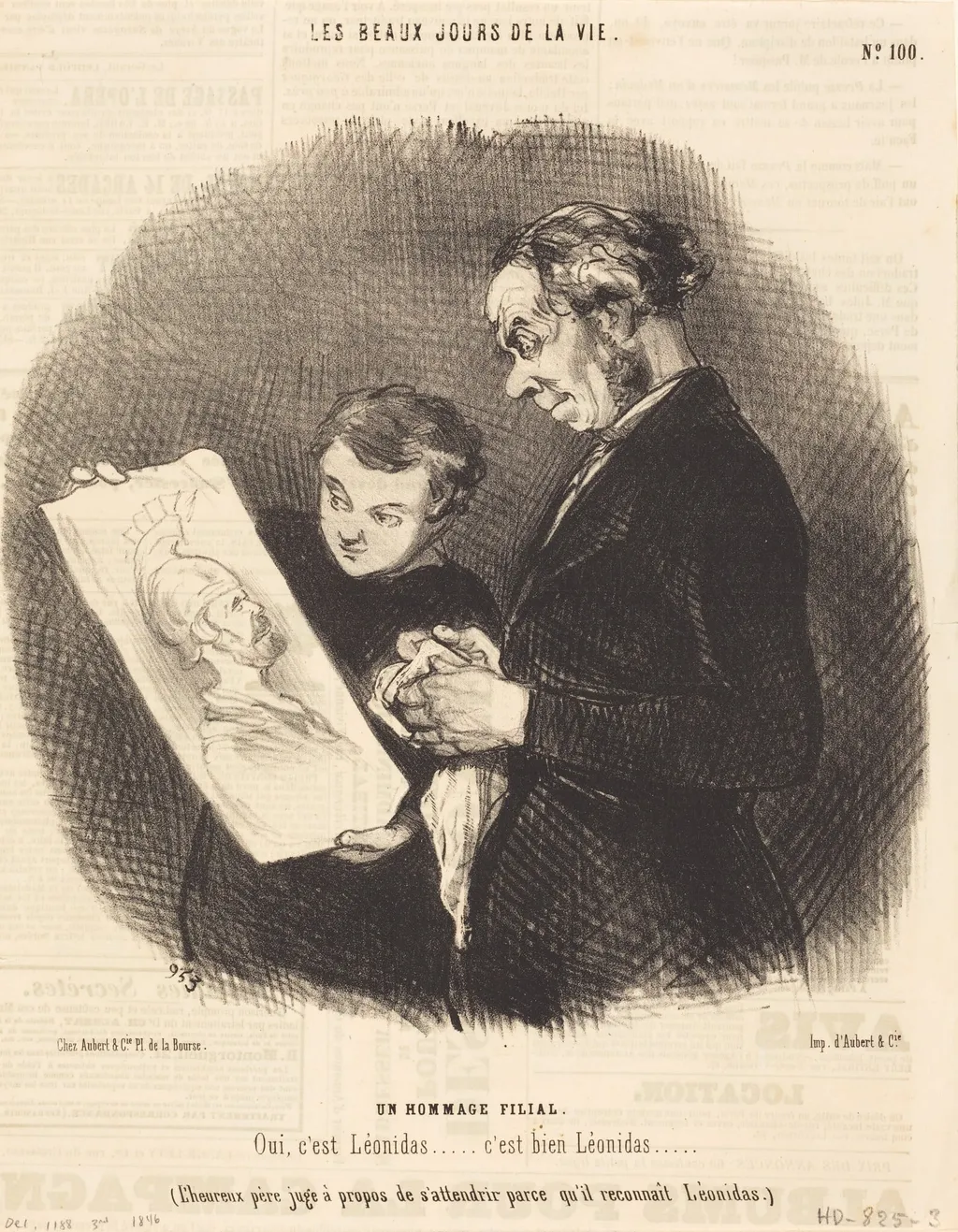
Un Hommage filial is an ink print by the Romanticist artist Honoré Daumier. It dates from 1846 and is held in the collection of the National Gallery of Art.
About this work
Overview
The work belongs to Daumier’s extensive output of satirical images produced for the republican‑leaning journals *La Caricature* and *Le Charivari*.
Created in 1846, *Un Hommage filial* is a lithographic print on newsprint by French artist Honoré Daumier. The work belongs to Daumier’s extensive output of satirical images produced for the republican‑leaning journals *La Caricature* and *Le Charivari*. It exemplifies his practice of using inexpensive, widely circulated paper to disseminate pointed social and political commentary during the turbulent decades between the 1830 Revolution and the collapse of the Second Empire.
Subject & Meaning
The image depicts an elderly, formally dressed man holding a sheet of paper while a young boy points to a face rendered on it. The caption, “Un Hommage filial” (A Filial Tribute), and the name Léonidas suggest a mock‑respectful gesture, likely aimed at exposing pretensions of authority or familial piety. Daumier’s choice of a casual, sketch‑like scene underscores the satirical intent, turning a seemingly tender moment into a critique of hierarchical relationships.
Technique & Style
Executed as a lithograph, the work was drawn directly onto a stone surface and transferred to newsprint, a material chosen for its low cost and mass‑readership appeal. The lines are loose and energetic, giving the composition a hurried, expressive quality. This immediacy, combined with the stark contrast of dark formal attire against the boy’s simple shirt, enhances the visual humor and reinforces the print’s polemical tone.
History & Provenance
*Un Hommage filial* was produced during Daumier’s long association with Parisian periodicals that opposed the monarchy, aristocracy, and clergy. While the original newspaper issue has not survived, the lithograph has been preserved in several museum collections, reflecting its value as a document of 19th‑century French political satire. Its survival on newsprint attests to Daumier’s commitment to reaching a broad public despite the fragility of the medium.
Context
The print emerged in a period of intense political flux, when republican ideas challenged established power structures. Daumier’s work, circulated through popular journals, contributed to a visual discourse that questioned authority and championed civic critique. By employing a domestic tableau to lampoon public figures, the image aligns with a broader tradition of using everyday scenes to comment on national issues.
Artist & collection
Artist
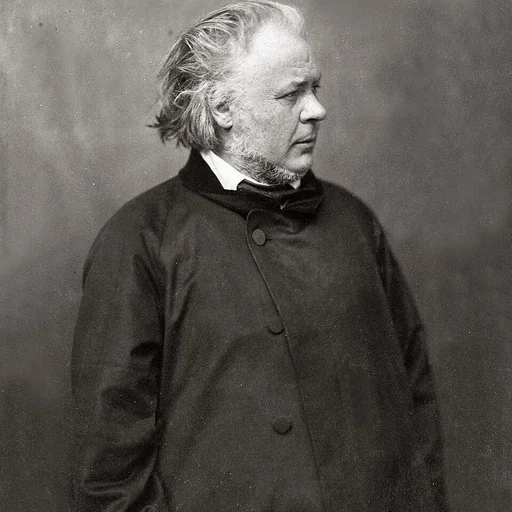
Honoré-Victorin Daumier was a French painter, sculptor, and printmaker, whose many works offer commentary on the social and political life in France, from the Revolution of 1830 to the fall of the Second French Empire in 1870.








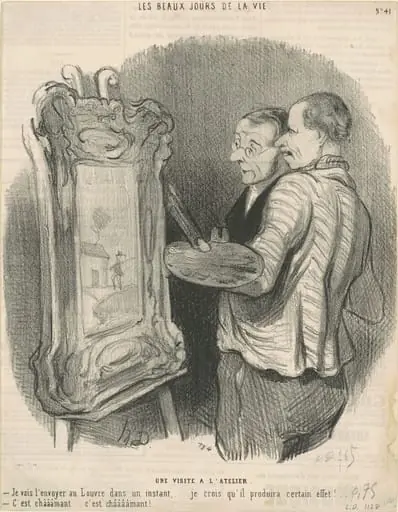 Une visite a l'atelier
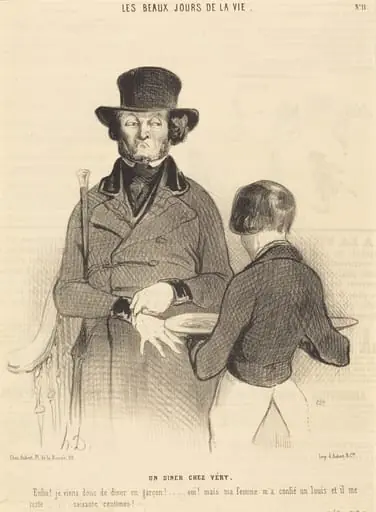 Un Diner chez Véry
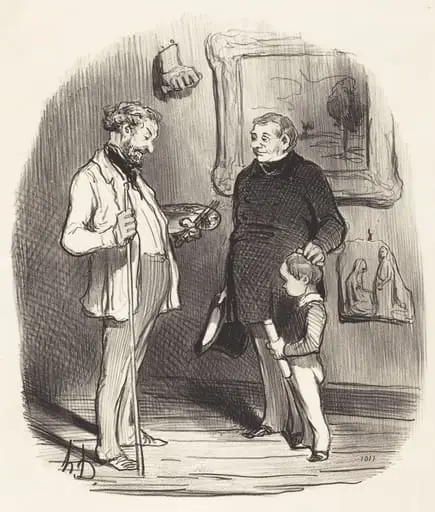 V'la mon petit... s'il n'a pas assez de moyens...
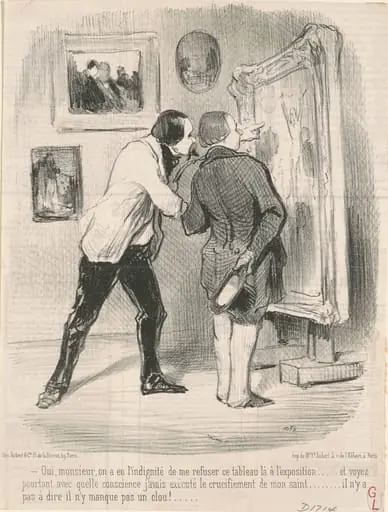 Oui ... on a eu l'indignité de me refuser ce tableau ...
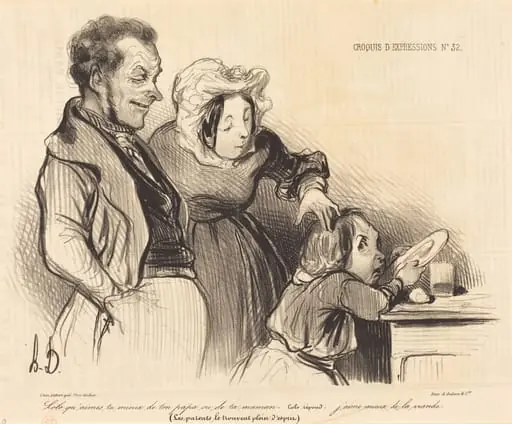 Lolo qu'aimes-tu mieux de ton papa ou de ta maman...
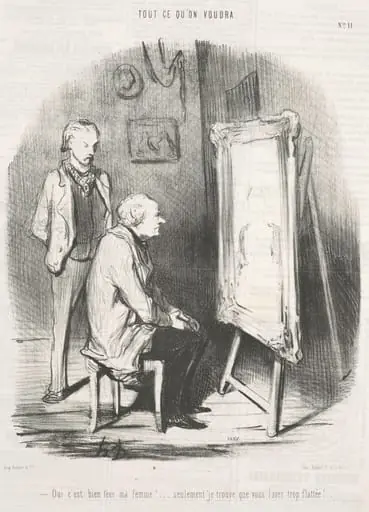 Oui c'est bien feue ma femme! ...
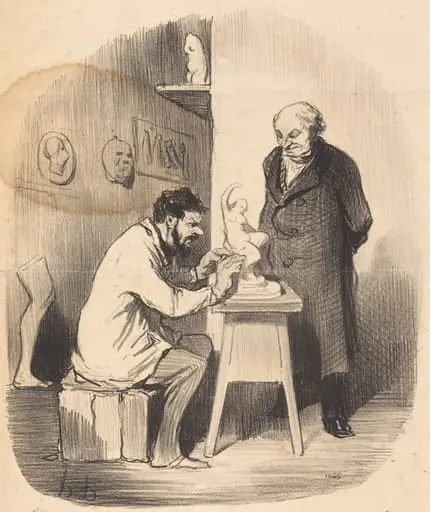 Faudra que je vous fasse faire un jour...
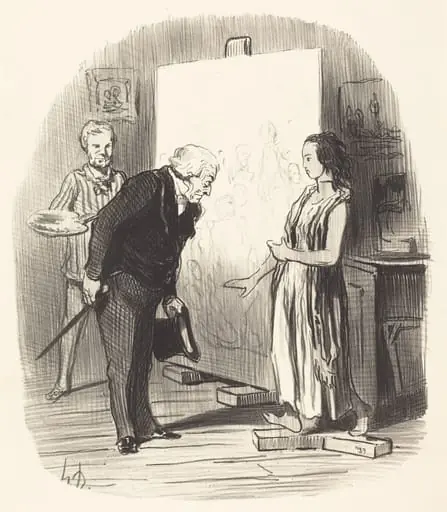 Madame, j'ai bien l'honneur!
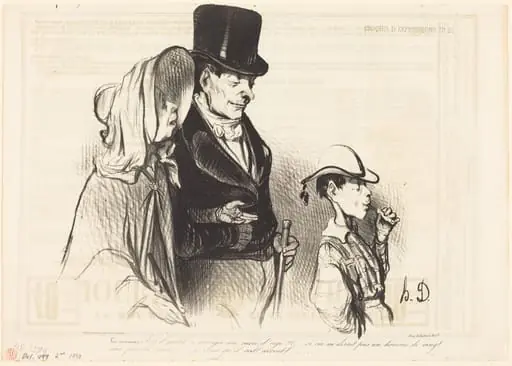 La Maman - Est-il gentil a manger son sucre d'orge!...
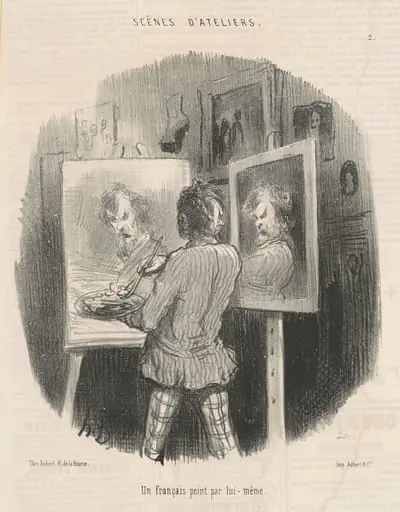 Un français peint par lui-même
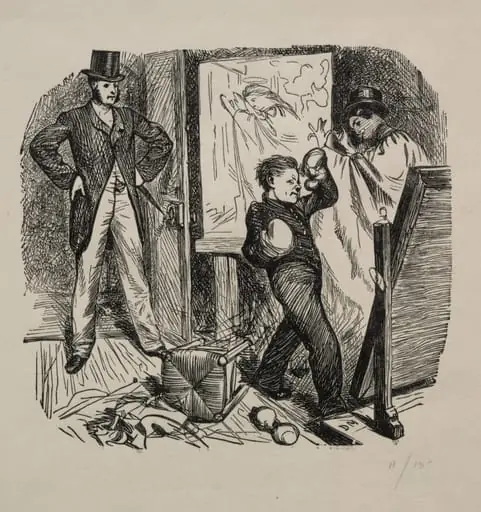 A Kettledrum in Mayfair
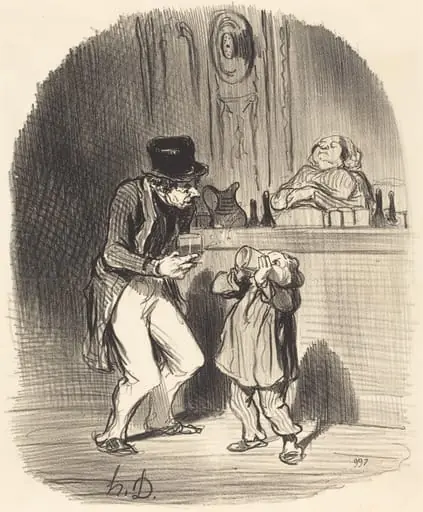 Un Père qui fait sucer à son fils...