Artwork
Un quiproquo - Vous vous trompez... allez... au diable...
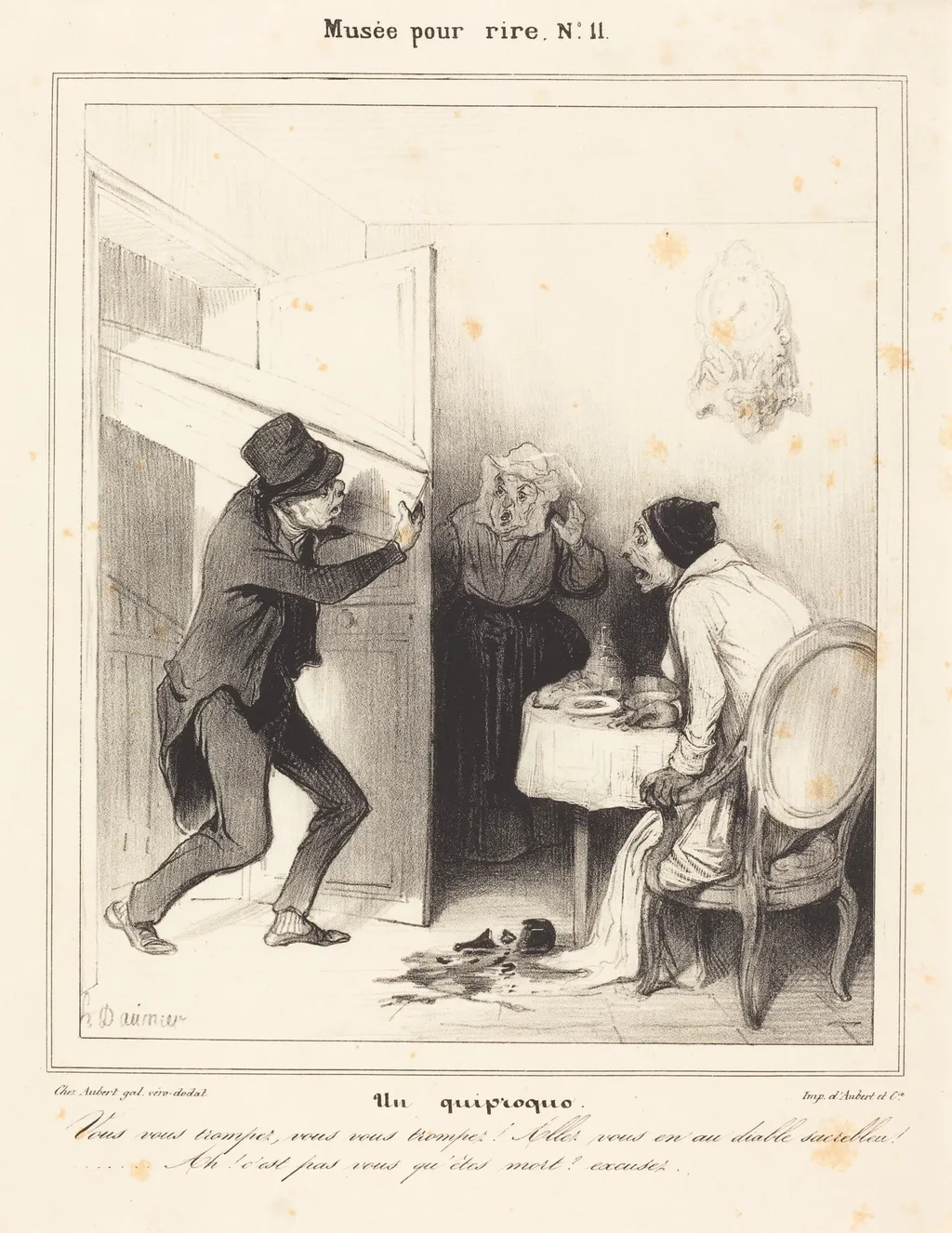
Un quiproquo - Vous vous trompez... allez... au diable... is an ink print by the Romanticist artist Honoré Daumier. It dates from 1838 and is held in the collection of the National Gallery of Art.
About this work
Overview
Honoré Daumier’s 1838 lithograph *Un quiproquo – Vous vous trompez… allez… au diable…* belongs to the series of satirical prints he created for the French newspapers *La Caricature* and *Le Charivari*. Executed in the lithographic technique, the work captures a comic misunderstanding among three figures in an interior setting, illustrating Daumier’s penchant for visual humor and social commentary.
Subject & Meaning
The scene shows three characters: a standing man in a dark suit and top‑hat, a seated woman in a long dress with a head covering, and another seated man in a white shirt and dark hat. Their interaction suggests a verbal mix‑up, a common motif in Daumier’s caricatures that exposes the absurdities of everyday discourse and the folly of social pretensions.
Technique & Style
Daumier employed lithography, a printmaking process that allowed rapid production of detailed line work and tonal variation. The composition relies on stark contrasts between dark clothing, the white‑clothed tablecloth, and the muted background, reflecting the Romantic era’s interest in expressive gesture and dramatic narrative within a relatively compact visual field.
History & Provenance
Created during the July Monarchy, the print aligns with Daumier’s republican sympathies and his critique of the ruling elite, clergy, and aristocracy. It was originally circulated as a newspaper illustration, reaching a broad readership and reinforcing the artist’s reputation as a leading visual satirist of early‑nineteenth‑century France.
Context
The lithograph emerges from a period when French press freedom expanded, allowing caricaturists like Daumier to comment openly on political and social issues. His work, situated within the broader Romantic movement, combines emotional immediacy with a keen eye for the everyday, using humor to question authority and conventional morality.
Legacy
While not as frequently reproduced as some of Daumier’s later works, this print exemplifies his early mastery of lithography and his role in shaping modern political satire. It continues to be studied as a representative example of how visual humor can serve as a vehicle for democratic critique in 19th‑century art.
Artist & collection

Artist
Honoré-Victorin Daumier was a French painter, sculptor, and printmaker, whose many works offer commentary on the social and political life in France, from the Revolution of 1830 to the fall of the Second French Empire in 1870.









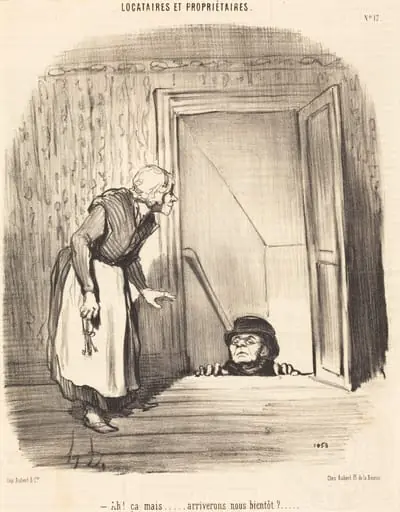 Ah! ça mais... arriverons-nous bientôt?
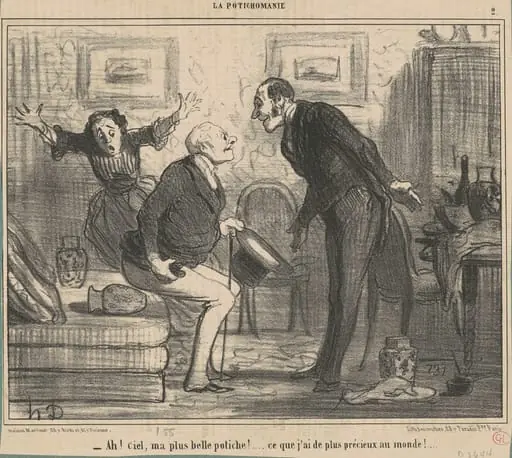 Ah! Ciel, ma plus belle potiche! ...
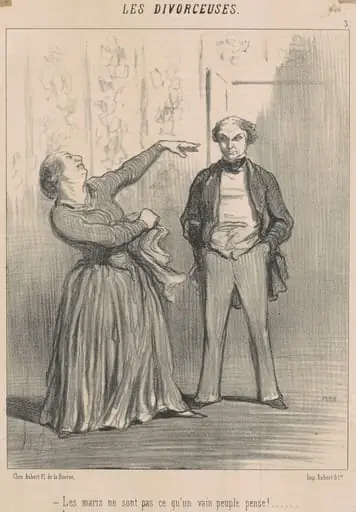 Les maris ne sont pas ce qu'un vain peuple pense!
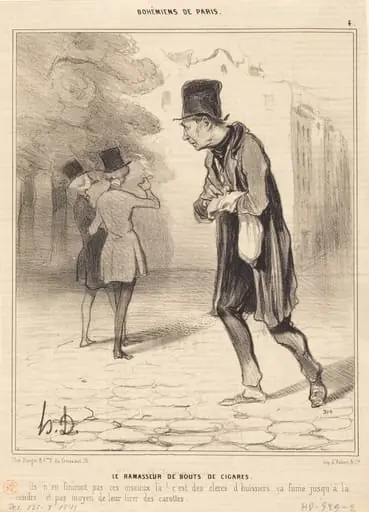 Le Ramasseur de bouts de cigares
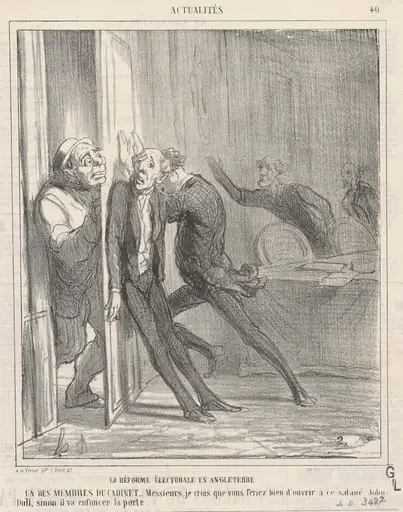 La rèforme électorale en angleterre
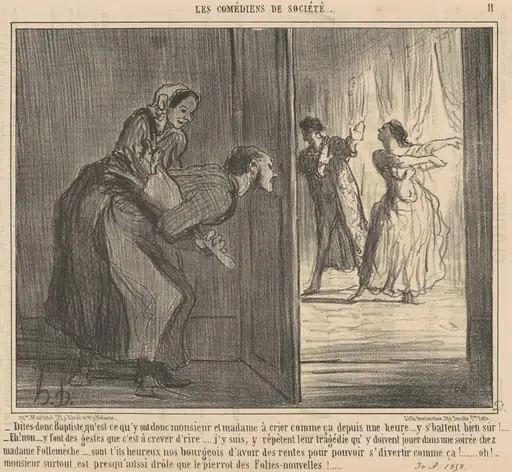 Dites-donc Baptiste ...
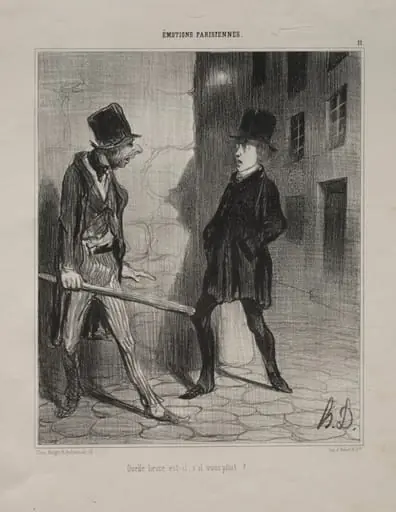 What Time is it, Please?
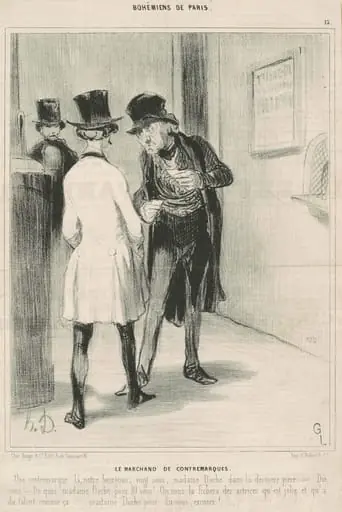 Le marchand de contremarques
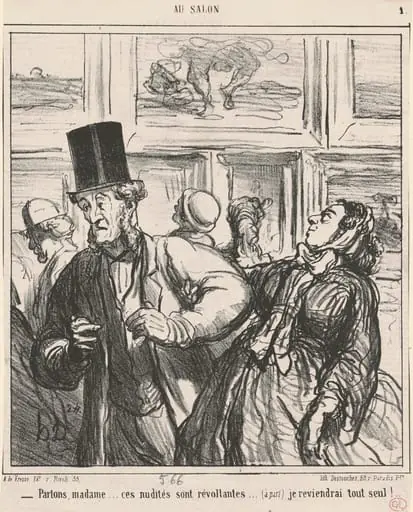 Parlons, Madame...ces nudités sont révoltantes...
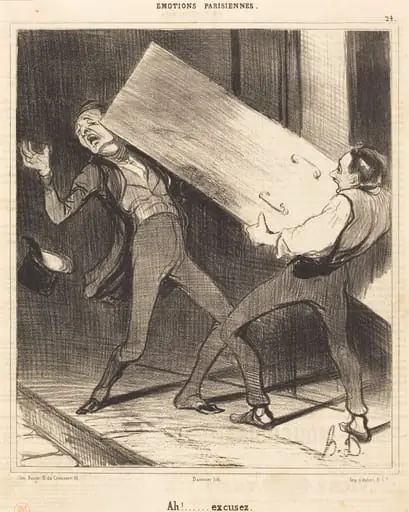 Ah! Excusez
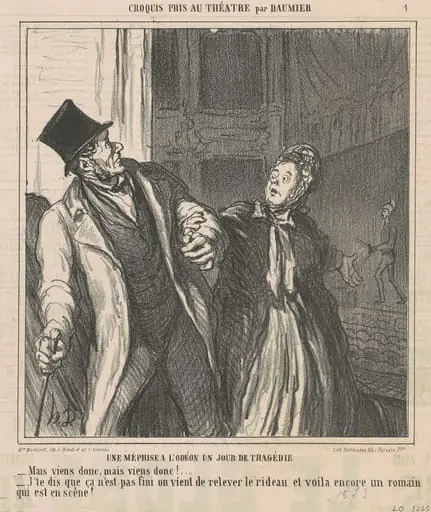 Une méprise a l'odéon ...
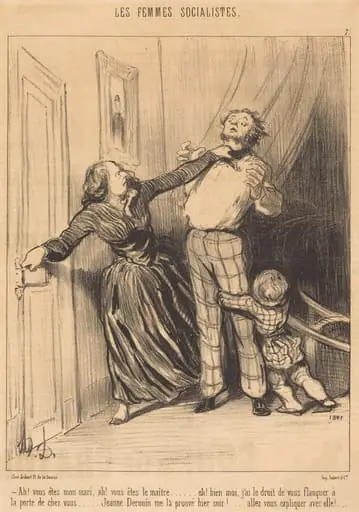 Ah! vous êtes mon mari, ah! vous êtes le maître...