Artwork
The Martyrdom of St. James and St. Christopher
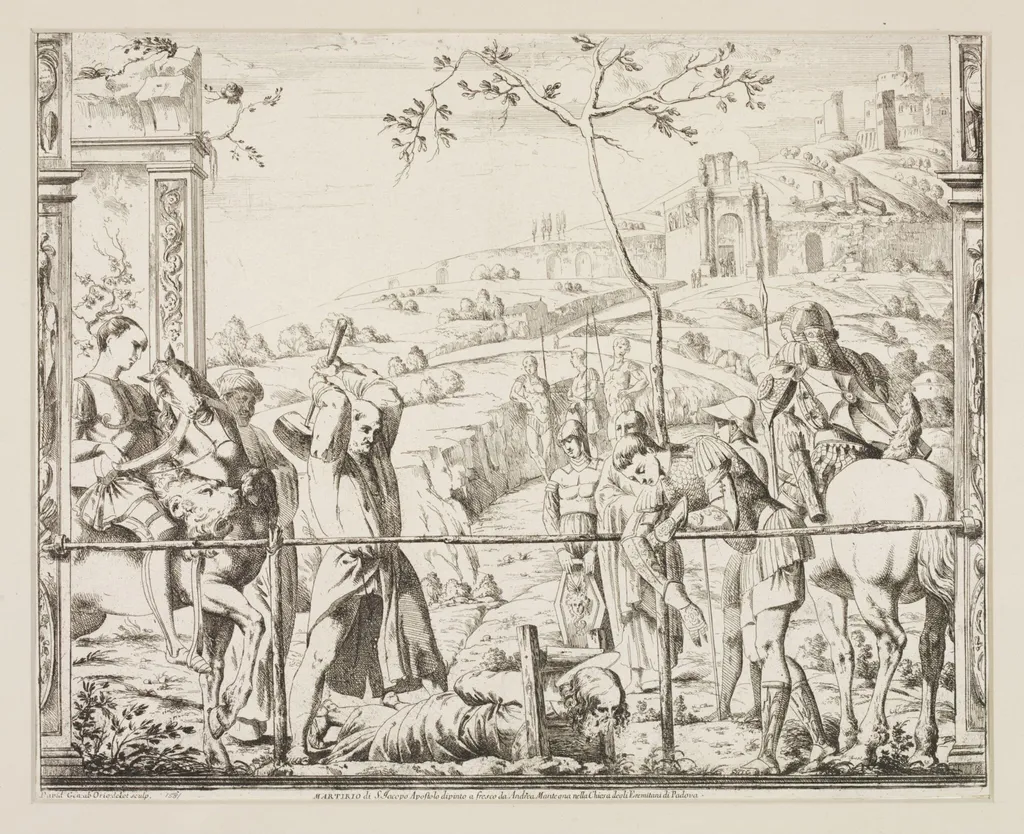
The Martyrdom of St. James and St. Christopher is a print by the Romanticist artist Giovanni David. It dates from 1776 and is held in the collection of the Victoria and Albert Museum. This print on paper reproduces a lost painting by Andrea Mantegna, originally commissioned for the Church of the Eremitani in Padua.
About this work
Overview
This print on paper reproduces a lost painting by Andrea Mantegna, originally commissioned for the Church of the Eremitani in Padua.
This print on paper reproduces a lost painting by Andrea Mantegna, originally commissioned for the Church of the Eremitani in Padua. It depicts the simultaneous martyrdom of two saints—St. James and St. Christopher—rendered in high contrast and dramatic lighting. The composition captures the moment of execution with intense emotional weight, preserving Mantegna’s original arrangement while adapting it for the print medium.
Subject & Meaning
The scene portrays St. James kneeling as he is beheaded, while St. Christopher stands nearby, sword raised in the act of execution. Their deaths, drawn from hagiographic tradition, symbolize steadfast faith under persecution. Onlookers react with varied expressions of grief and awe, reinforcing the sacred gravity of the moment. The skull and scattered objects at the base of the tree allude to mortality and the transience of earthly life.
Technique & Style
The artist employs chiaroscuro to heighten emotional tension, using deep shadows and sharp light to model the figures and define spatial depth. Lines are precise yet expressive, capturing the tension in limbs and fabric. The background, with its sparse architecture and tree, recedes subtly, focusing attention on the central figures. The print’s tonal range suggests a mastery of ink or etching to emulate the dramatic effects of oil painting.
History & Provenance
The original painting by Mantegna, completed around 1455, was destroyed during Allied bombing in 1944. This print survives as one of the few visual records of its composition. Likely produced in the late 15th or early 16th century, it was made to disseminate Mantegna’s imagery beyond the church walls, serving devotional and educational purposes in monastic and scholarly circles.
Context
In the 15th century, images of martyrdom were common in religious art, used to inspire piety and reinforce doctrinal narratives. Mantegna’s integration of classical architecture and anatomical precision reflected humanist ideals. The print’s circulation suggests a demand for portable, reproducible sacred imagery, bridging the gap between elite altarpieces and broader devotional practice.
Legacy
Though the original painting is lost, this print preserves key elements of Mantegna’s compositional genius and emotional intensity. It remains a vital reference for scholars studying the transmission of Renaissance imagery through print culture. Its survival underscores the role of reproductive prints in sustaining artistic legacies beyond the original medium.
Artist & collection


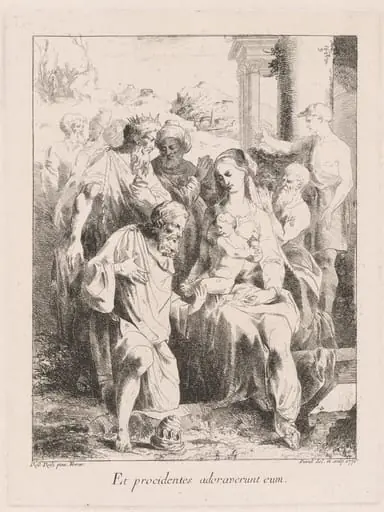 Adoration of the Magi
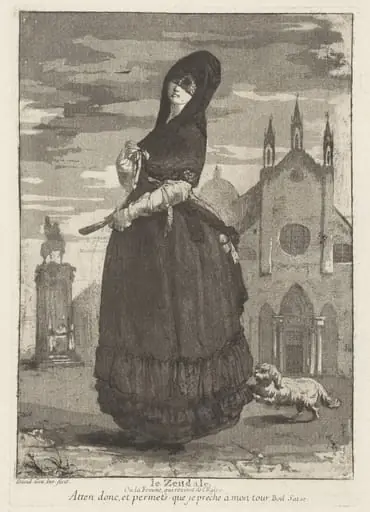 Le Zendale (Woman in a Hood, or the Woman Returning from Church)
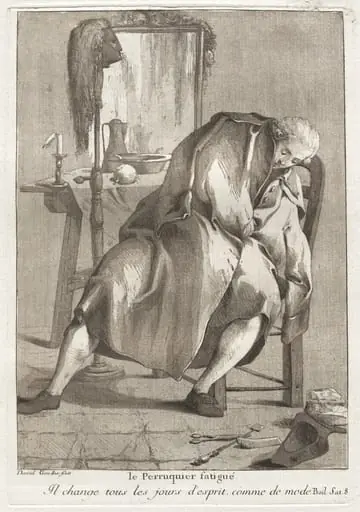 Le Perruquier fatigué (The Tired Wigmaker)
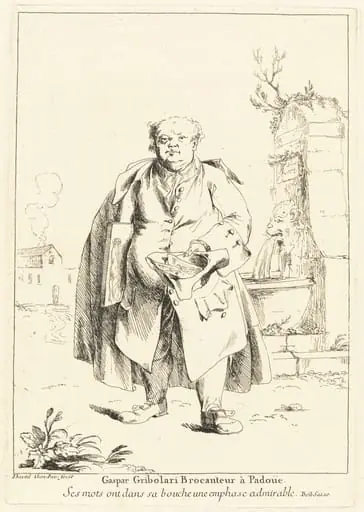 Gaspar Gribolari Brocanteur à Padoüe (Gaspar Gribolari, Secondhand Dealer in Padua)
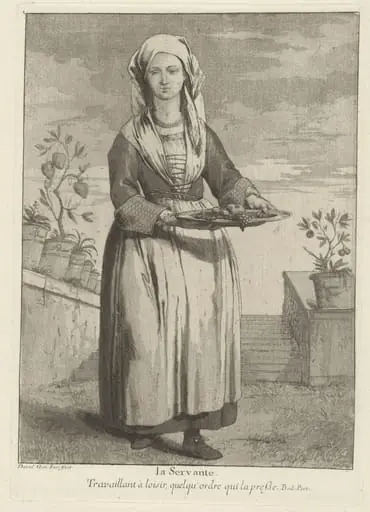 La Servante (The Servant)
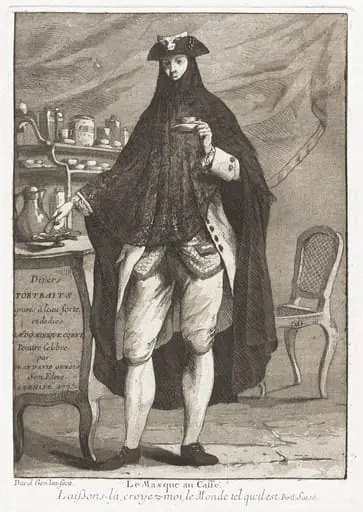 Le Masque au caffé (The Masked Man Taking Coffee)
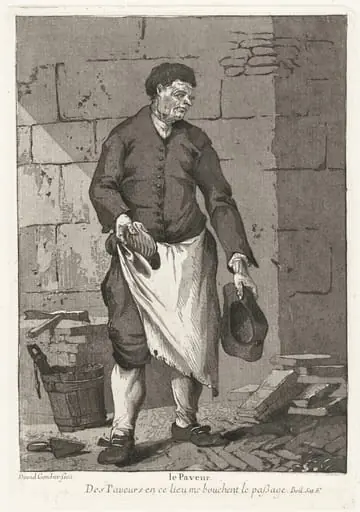 Le Paveur (The Road Paver)
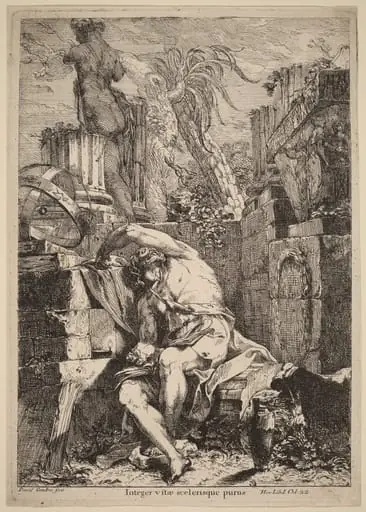 Democritus
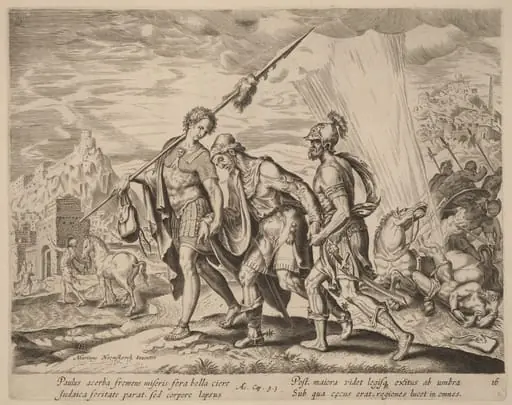 The Conversion of Saint Paul
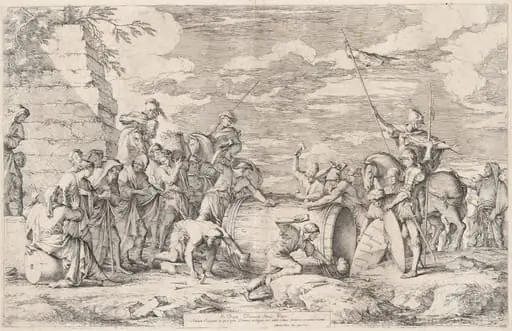 The Death of Atilius Regulus
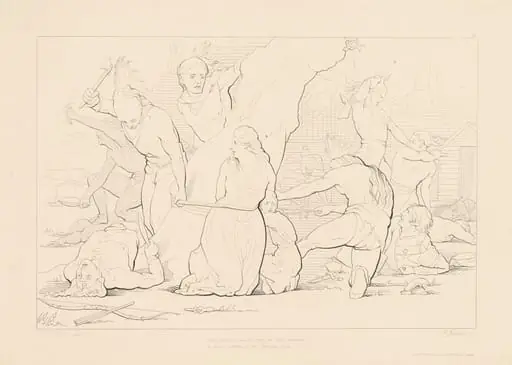 And from the Tree, We With Her Child Unbound
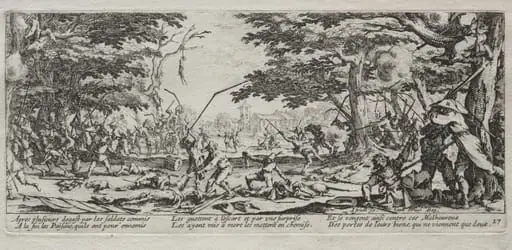 The Large Miseries of War: Peasant's Revenge
![The Challenge [right], by Gabriel de Saint-Aubin](https://artifactworldgallery.com/img/gabriel-de-saint-aubin--the-challenge-right--75162e00e6876b27-w320.webp) The Challenge [right]
The Challenge [right]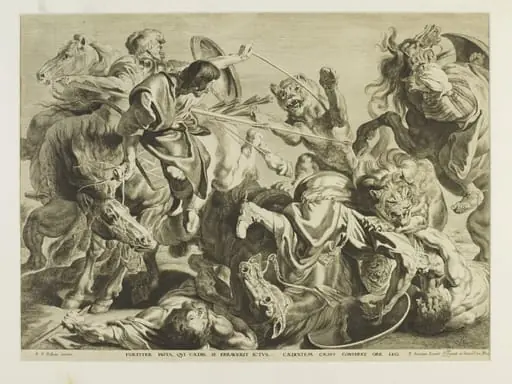 The Hunt of the Lion and Lioness
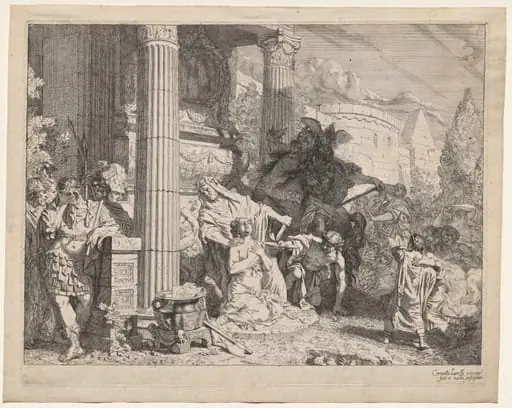 The Sacrifice of Polyxena
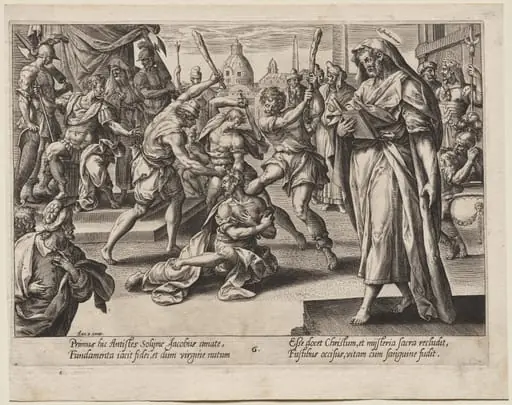 St. James the Less
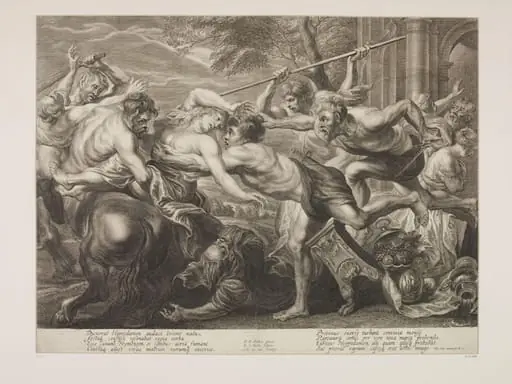 The Rape of Hippodamia
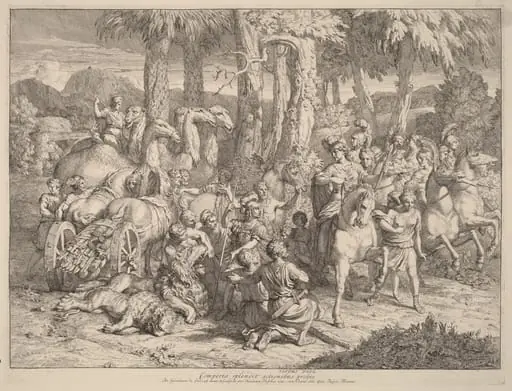 Semiramis on the Lion Hunt
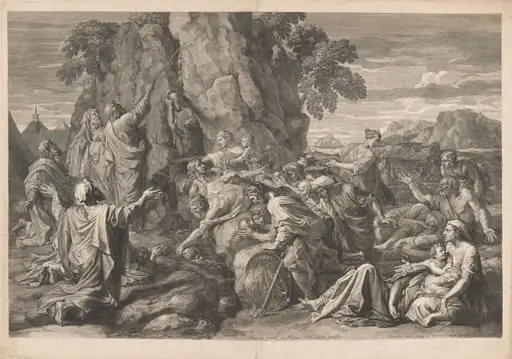 Moses Striking the Rock
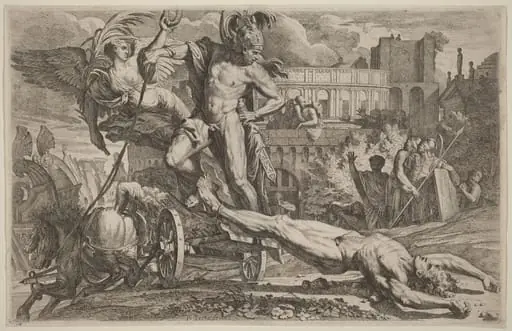 Achilles Dragging the Body of Hector