Artwork
Woman with Tambourines
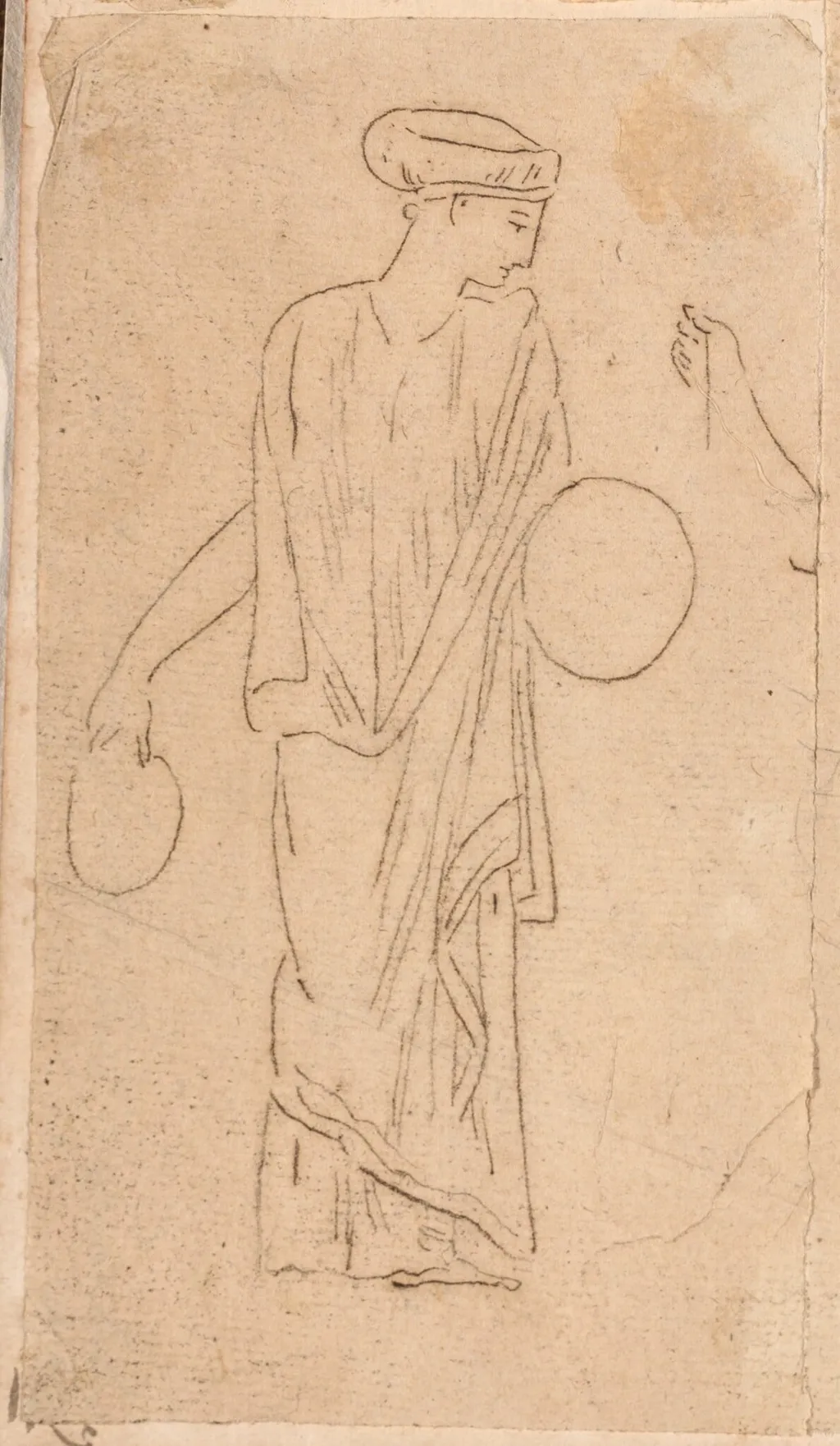
Woman with Tambourines is an oil drawing by the Neoclassicist artist Jacques-Louis David. It dates from 1778 and is held in the collection of the National Gallery of Art.
About this work
Overview
Rather than painted in oil, it is a preparatory sketch derived from an existing image, transferred through pressure to capture form quickly.
Woman with Tambourines is a drawing executed in 1778 by Jacques-Louis David using a transfer tracing technique on oiled laid paper. Rather than painted in oil, it is a preparatory sketch derived from an existing image, transferred through pressure to capture form quickly. The work reflects David’s early engagement with figure studies and his interest in capturing movement and gesture, even in informal media.
Subject & Meaning
The figure depicts a woman in modest attire, holding two tambourines—one suspended from her wrist, the other cradled in her left hand. Her low-set hat and flowing dress suggest a rural or folk context, possibly a dancer or performer. The absence of elaborate detail and the casual posture imply a focus on motion and everyday life rather than idealized narrative, hinting at David’s interest in authentic human presence.
Technique & Style
Executed as a transfer tracing, the drawing was made by tracing an original image and pressing it onto oiled paper, leaving a faint, linear impression. The light, sketchy lines avoid shading or modeling, emphasizing contour over volume. This method allowed David to rapidly adapt compositions, preserving the essence of a figure while discarding unnecessary detail, characteristic of his early preparatory process.
History & Provenance
Created in 1778 during David’s formative years, the drawing likely served as a study for a larger work or as a compositional exercise. It was preserved within his personal collection and later entered institutional holdings, where it remains as evidence of his methodical approach to figure study. Its survival underscores the value placed on preparatory works in 18th-century academic practice.
Context
In the late 1770s, David was refining his approach to historical and genre subjects, often drawing from life and popular imagery. This sketch aligns with broader trends in French art that sought to elevate ordinary subjects through careful observation. The use of transfer tracing reflects a practical, efficient method common among artists training in the Academy system before committing to final compositions.
Legacy
Woman with Tambourines exemplifies David’s disciplined study of form during his transition from Rococo influences toward Neoclassical clarity. Though not a finished painting, it reveals his commitment to capturing gesture and posture with economy. The work contributes to understanding how academic artists used sketches as tools for learning, bridging observation and execution in their broader oeuvres.
Artist & collection
Artist
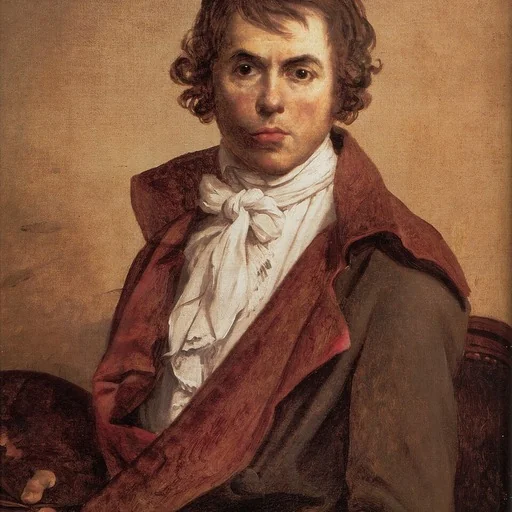
Jacques-Louis David was born in Paris on 30 August 1748 into a bourgeois family; his father died in a duel when the boy was nine, and a maternal uncle guided his education.

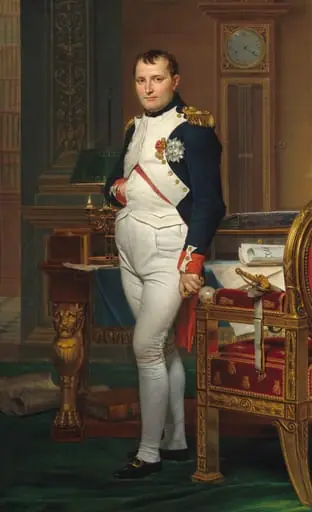 The Emperor Napoleon in His Study at the Tuileries
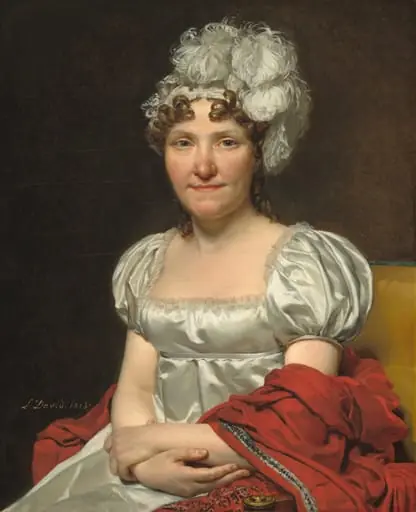 Madame David
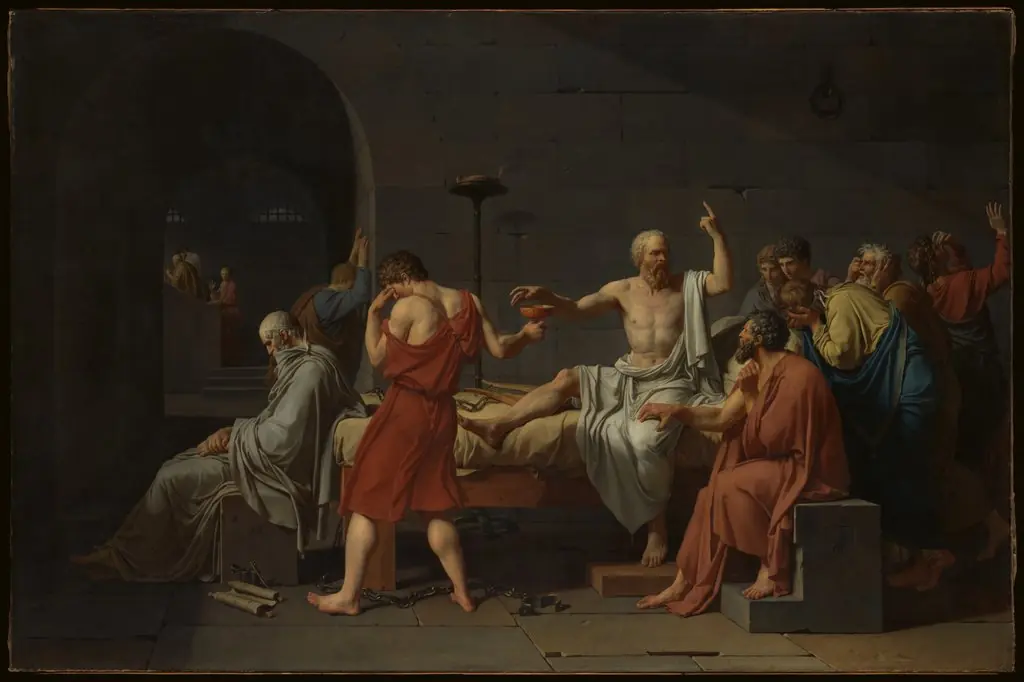 The Death of Socrates
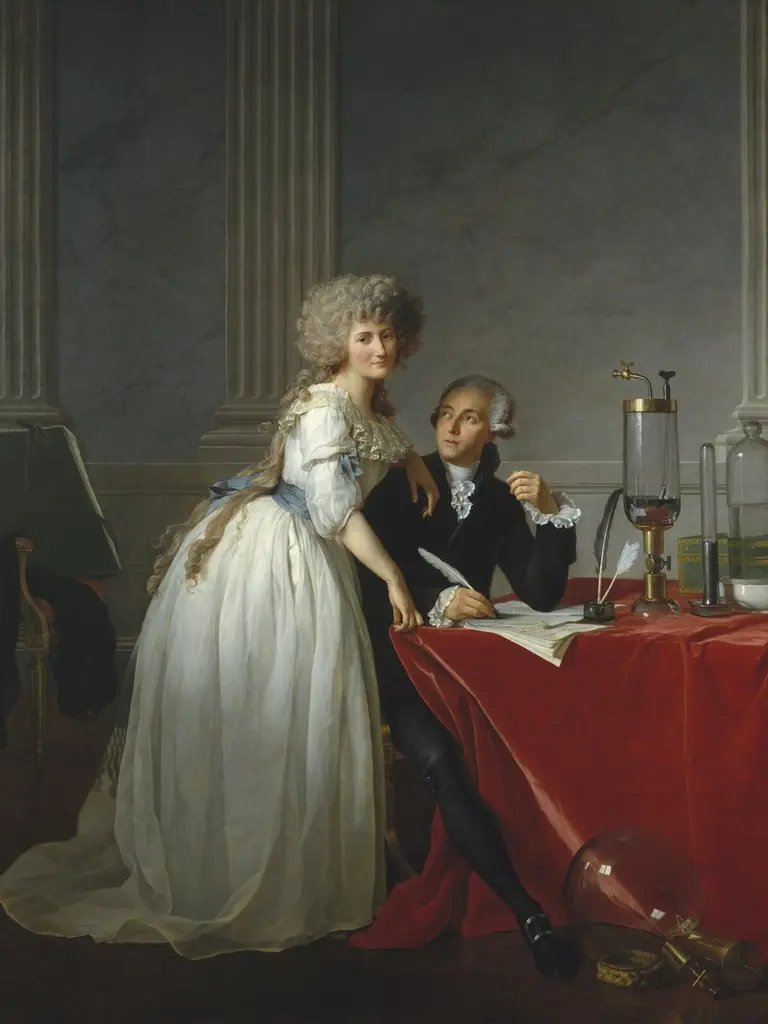 Portrait of Antoine-Laurent Lavoisier and his wife
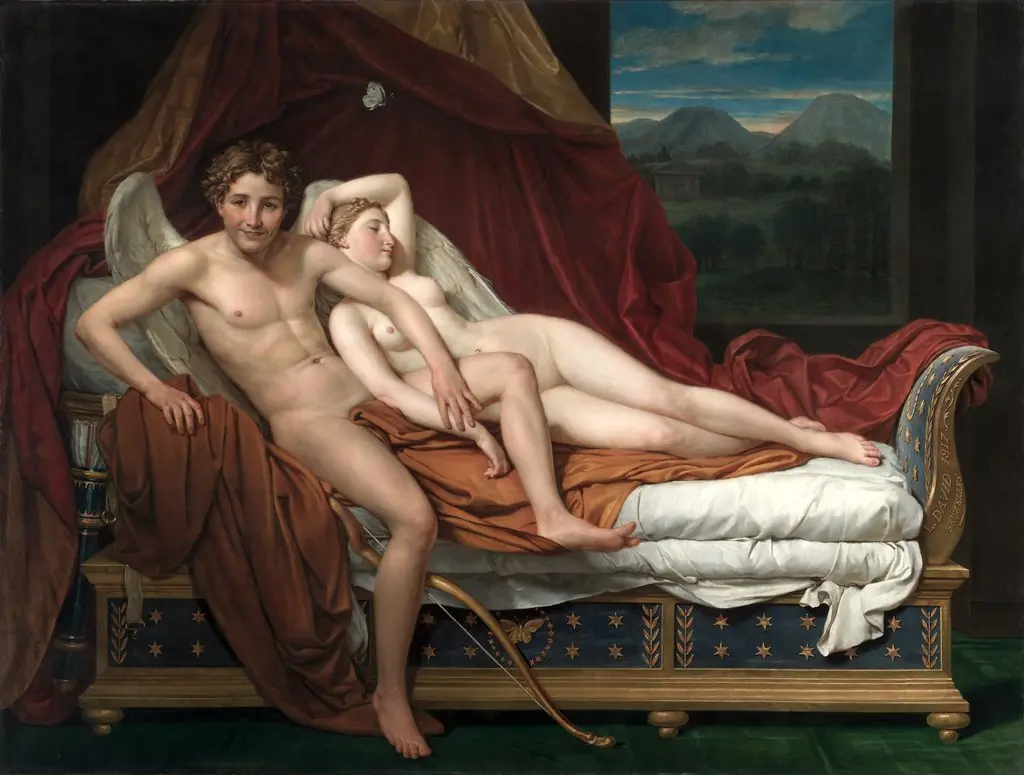 Cupid and Psyche
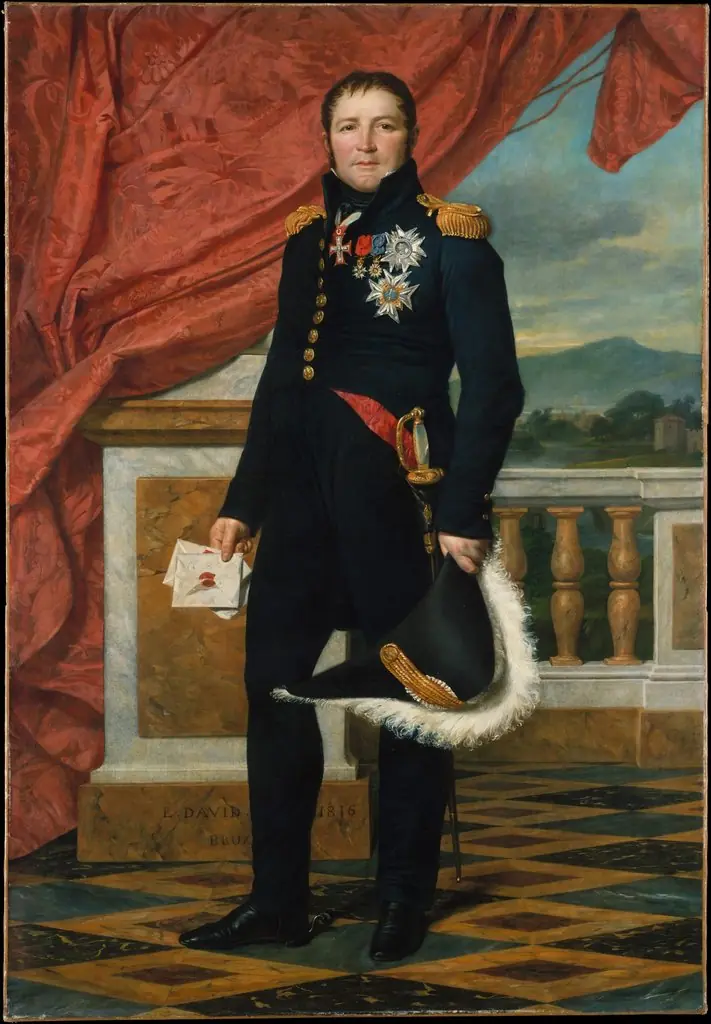 General Étienne-Maurice Gérard (1773–1852), Marshal of France
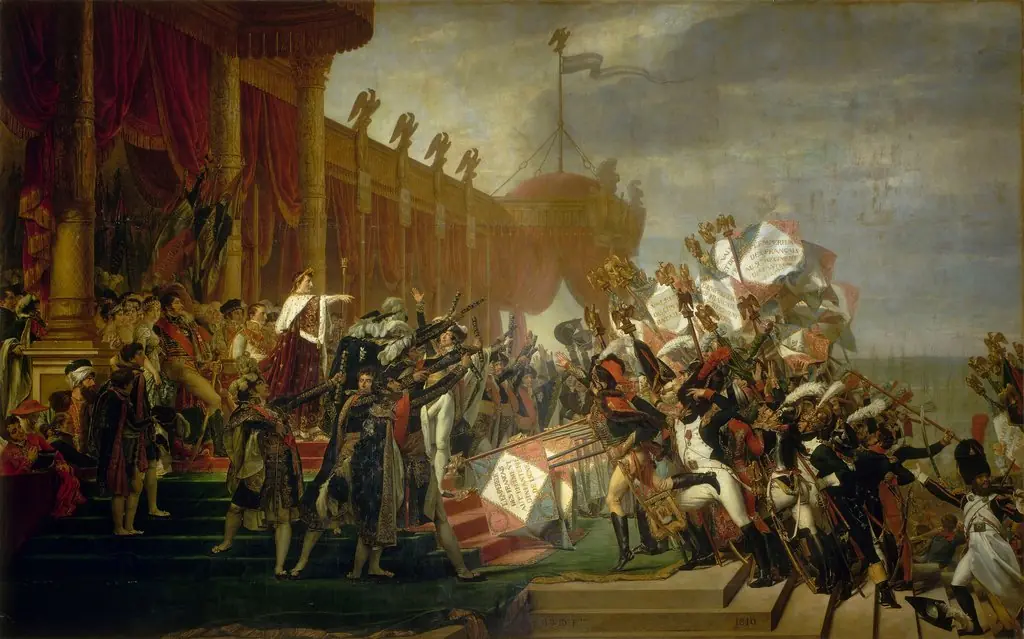 The Distribution of the Eagle Standards
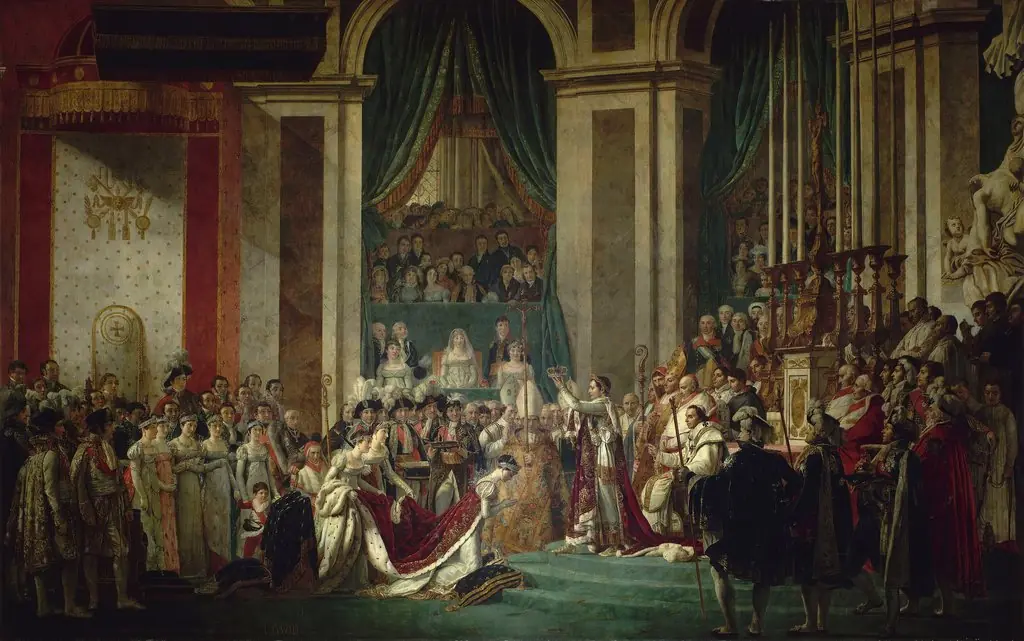 Coronation of Emperor Napoleon I and Coronation of the Empress Josephine
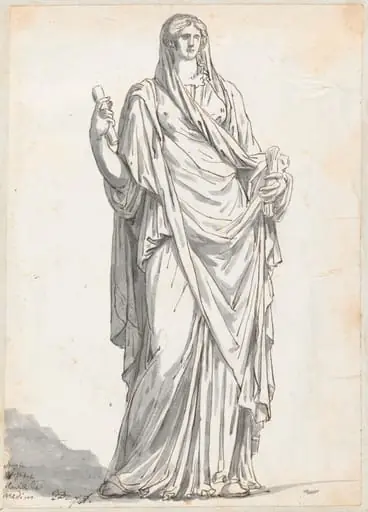 Orante from the Villa Medici
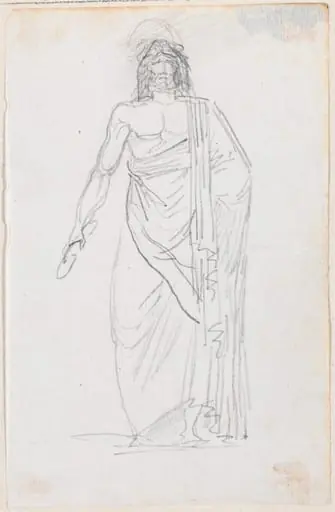 Statue of Zeus Holding a Thunderbolt
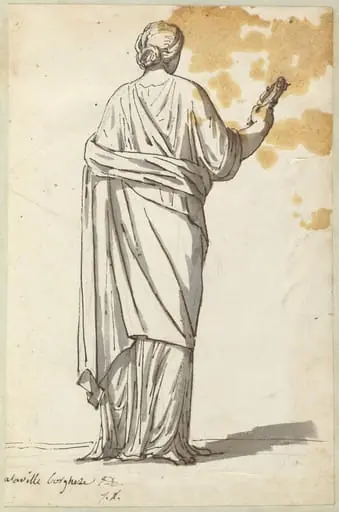 Woman with a Mirror, from the Villa Borghese
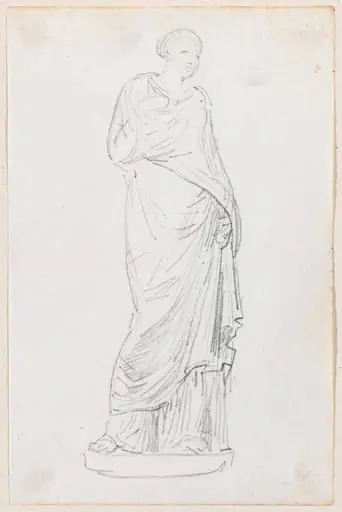 Statue of a Female in a Toga
![Statue of Abundance [recto], by Hubert Robert](https://artifactworldgallery.com/img/hubert-robert--statue-of-abundance-recto--af10c767ab97b269-w320.webp) Statue of Abundance [recto]
Statue of Abundance [recto]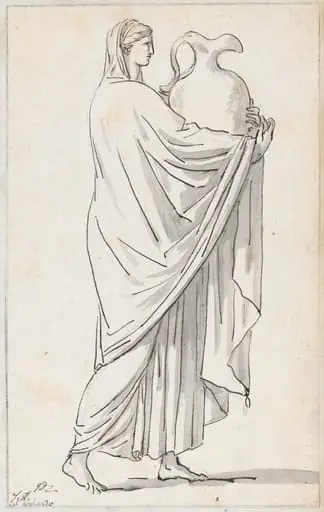 Woman with a Pitcher, from the Palazzo Mattei
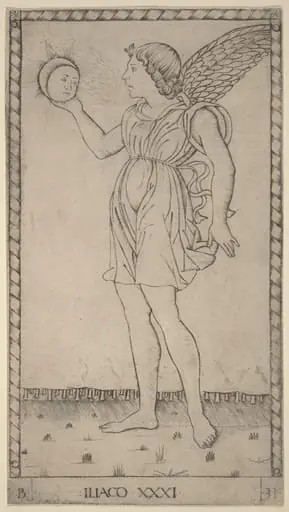 Iliaco (Genius of the Sun)
![Woman in Toga [verso], by Hubert Robert](https://artifactworldgallery.com/img/hubert-robert--woman-in-toga-verso--1c4b04982206f60e-w320.webp) Woman in Toga [verso]
Woman in Toga [verso] Statue of a Vestal Virgin
 Woman from the Villa Borghese