Artwork
Double portrait of Johann Wilhelm von der Pfalz and Anna Maria Luisa de' Medici
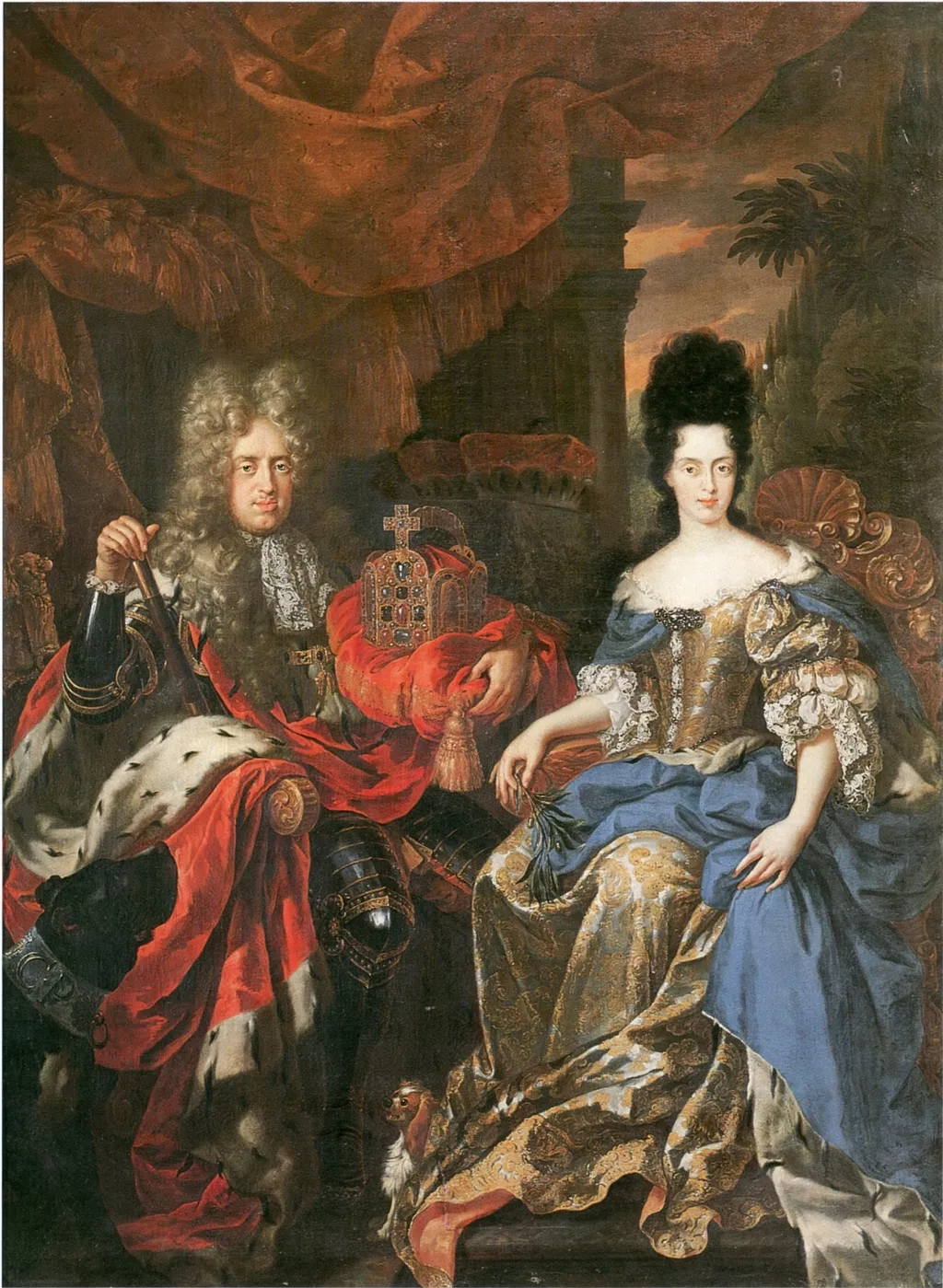
Double portrait of Johann Wilhelm von der Pfalz and Anna Maria Luisa de' Medici is an oil painting by the Rococo painting artist Jan Frans van Douven. It dates from 1706 and is held in the collection of the Uffizi Gallery.
About this work
Overview
Van Douven, a Southern Netherlandish artist active in Düsseldorf, was appointed court painter there and specialized in formal aristocratic imagery.
Painted in 1706 by Jan Frans van Douven, this oil portrait captures Johann Wilhelm, Elector Palatine, and his wife Anna Maria Luisa de' Medici. Van Douven, a Southern Netherlandish artist active in Düsseldorf, was appointed court painter there and specialized in formal aristocratic imagery. The work reflects the conventions of early 18th-century court portraiture, emphasizing status through pose, attire, and setting rather than emotional expression.
Subject & Meaning
The painting presents the ruling couple of the Electoral Palatinate in a shared composition, affirming their dynastic union. Johann Wilhelm holds a scepter, symbolizing his political authority, while Anna Maria Luisa, adorned in elaborate silk and lace, embodies the cultural prestige of her Medici lineage. Their placement side by side suggests partnership in governance and lineage, reinforcing the political alliance between the Palatinate and the Tuscan grand ducal family.
Technique & Style
Van Douven employed refined brushwork to render textures of fur, silk, and metal with precision. The dark background isolates the figures, heightening their presence, while subtle greenery and architectural elements in the distance suggest a cultivated estate. The lighting is even and controlled, avoiding dramatic contrasts, in keeping with the restrained elegance of early Rococo portraiture. The composition is symmetrical, reinforcing formality and balance.
History & Provenance
Commissioned during Johann Wilhelm’s tenure as Elector, the painting likely served to document the couple’s status at the Düsseldorf court. It entered the Medici collection through Anna Maria Luisa’s inheritance and was later transferred to the Uffizi Gallery, where it remains. Its preservation reflects the family’s enduring interest in maintaining visual records of their lineage and political connections across European courts.
Context
Created during the early Rococo era, the portrait aligns with broader trends in European court art that prioritized dynastic representation over individual psychology. Van Douven’s style, rooted in Flemish traditions but adapted to German princely tastes, exemplifies the transnational nature of artistic patronage. Similar portraits by artists like Hyacinthe Rigaud or Antoine Pesne reflect shared conventions among ruling houses across the continent.
Legacy
The painting endures as a documented artifact of 18th-century political marriage and courtly identity. While van Douven is not widely known outside specialist circles, this work contributes to the understanding of how minor court painters helped shape the visual language of European nobility. Its presence in the Uffizi underscores the Medici family’s role as custodians of artistic heritage beyond Tuscany.
Own this work as a print
Artist & collection
Artist
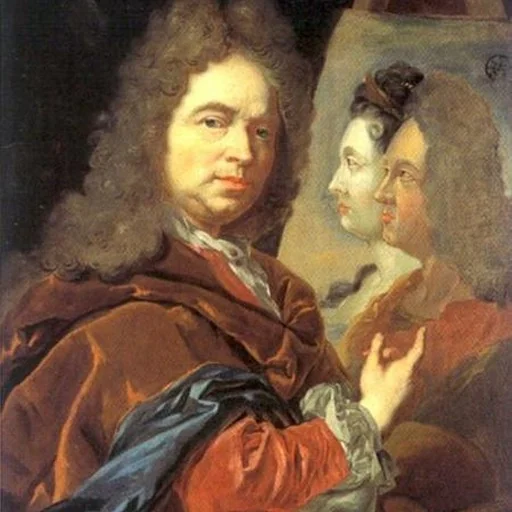
Jan Frans van Douven, or Johan Francois Douven (2 March 1656 – 1727) was a Southern Netherlandish portrait painter belonging to the Dutch Leyden School.

 Bildnis eines jungen geistlichen Fürsten
 Portrait of Sophia of the Palatinate, dowager electress of Hanover
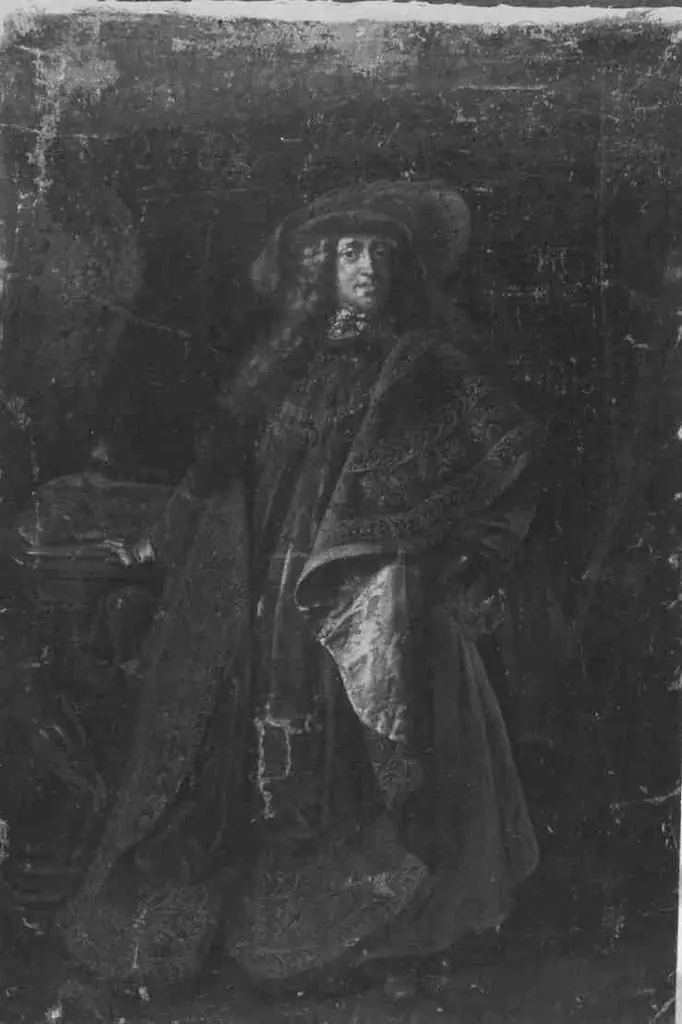 Portrait of Johann Wilhelm, elector of the Palatine
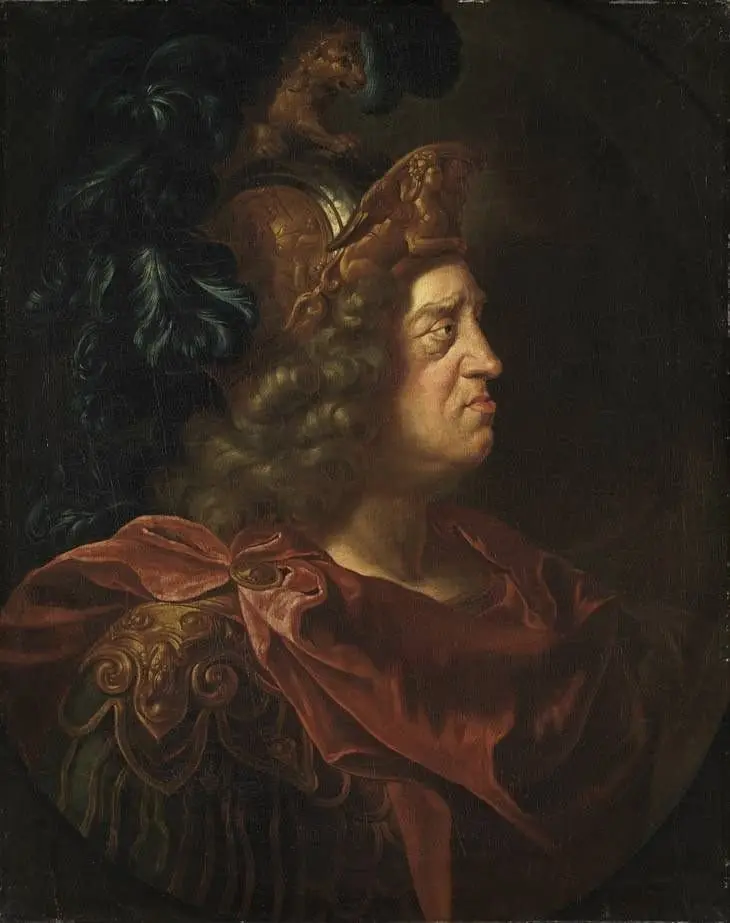 Kurfürst Johann Wilhelm von der Pfalz
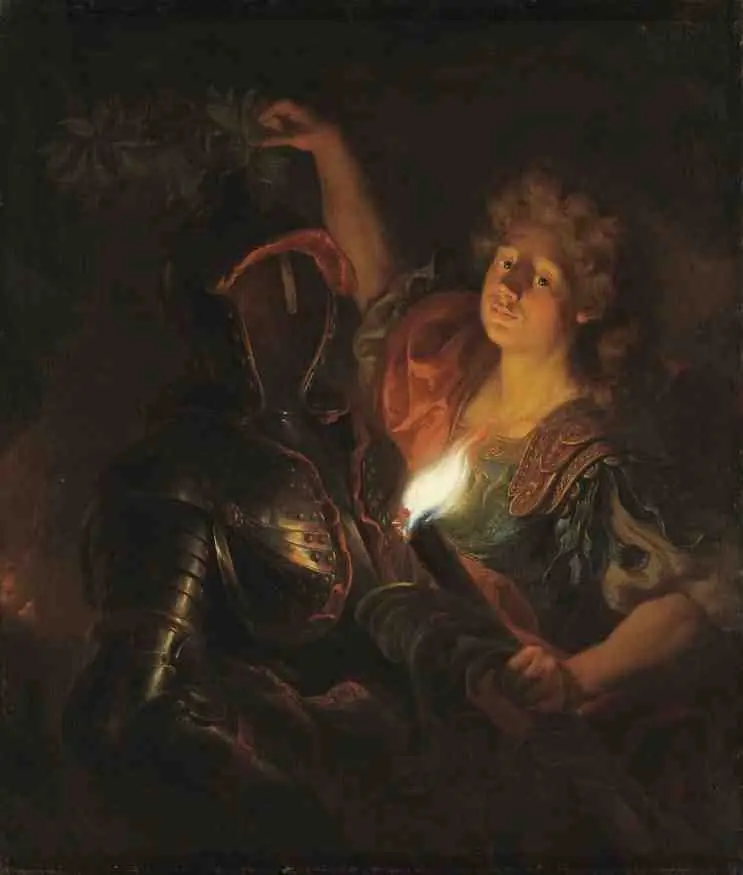 Warrior with torch and wreath
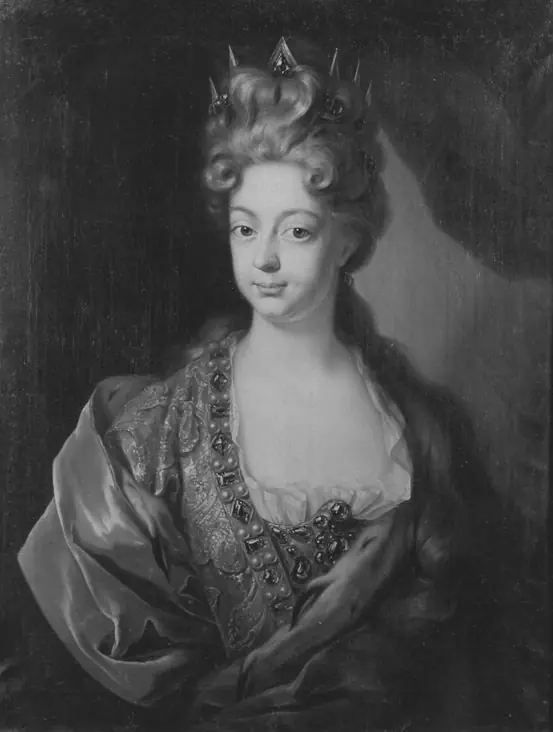 Portrait of Wilhelmine Amalie of Braunschweig-Lüneburg
 Donor portrait
 BIldnis eines jungen kurpfälzischen Prinzen (?) (?)
 Felipe V e Isabel Farnesio
 Charles Emmanuel II, Duke of Savoy, and his family
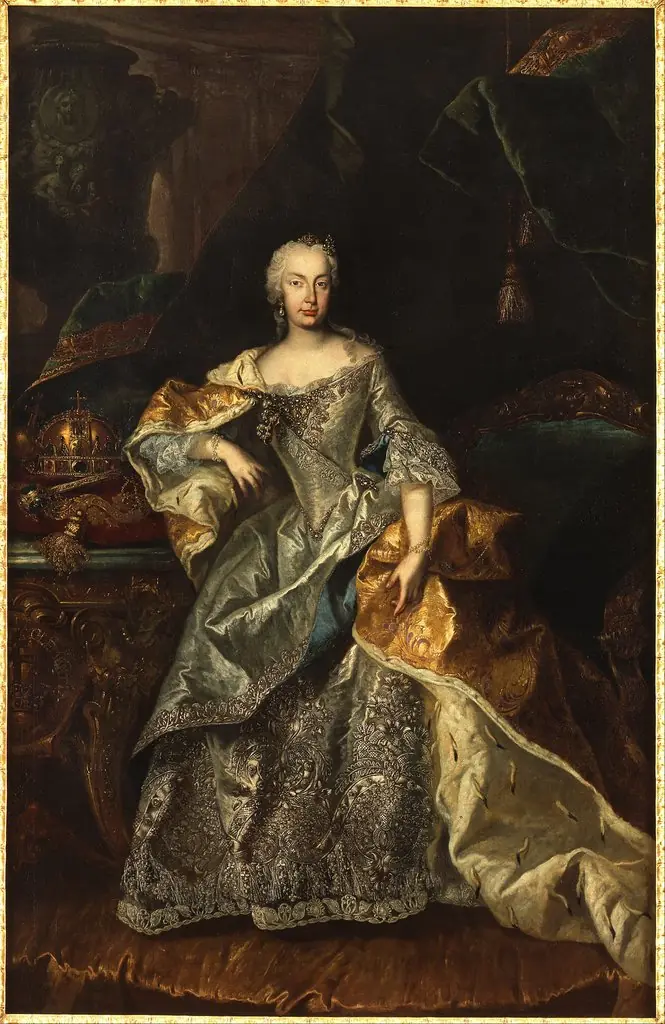 Maria Theresa as Queen of Hungary
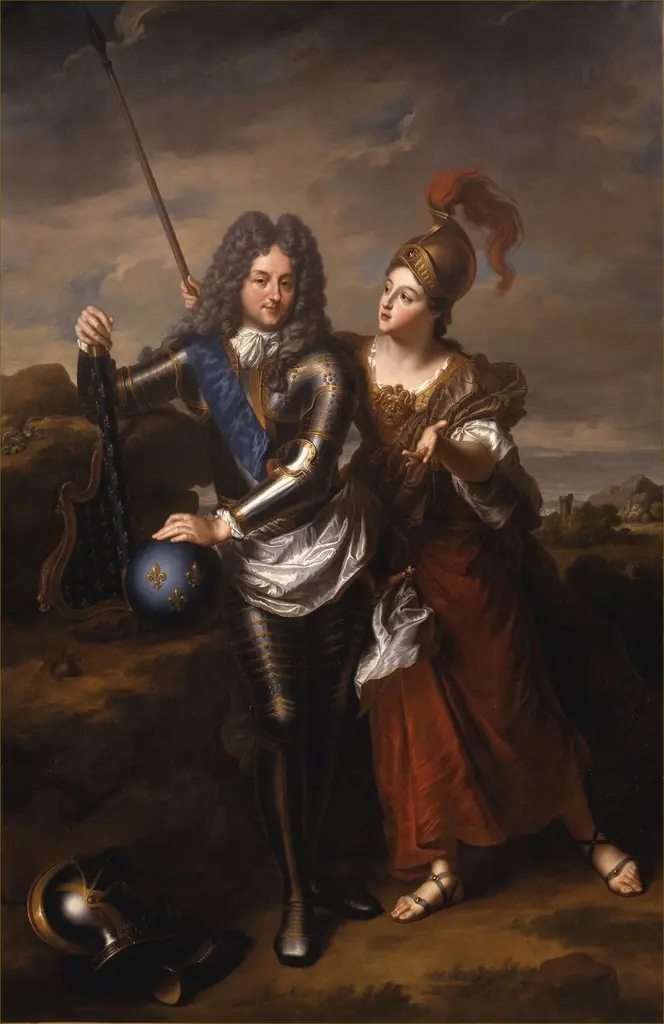 Philippe II d'Orleans, Regent of France and Madame de Parabere as Minerva
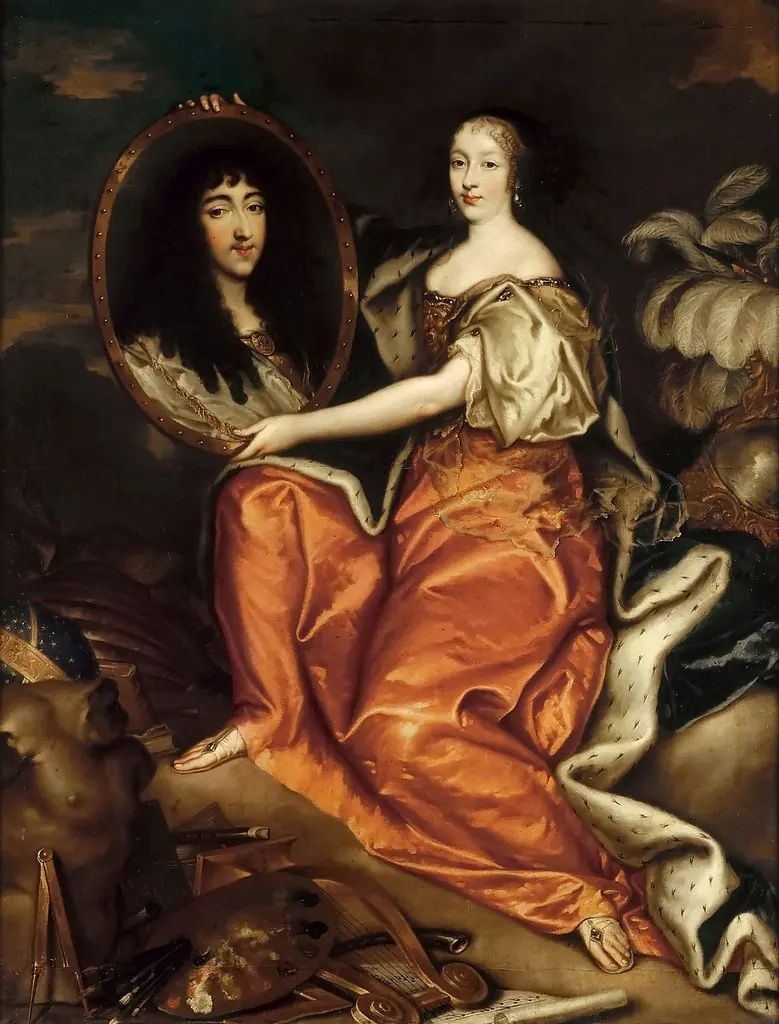 Henriette-Anne of England, Duchess of Orleans, known as Madame (1644-1670)
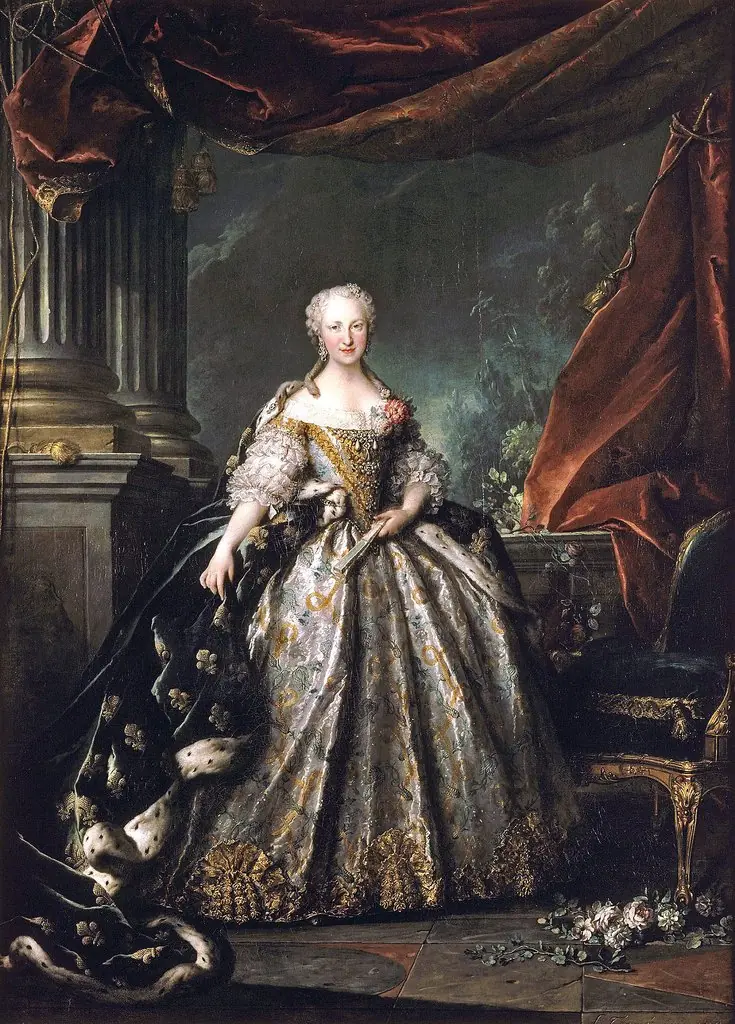 Marie-Thérèse-Raphaëlle, Infanta of Spain, Dauphine of France
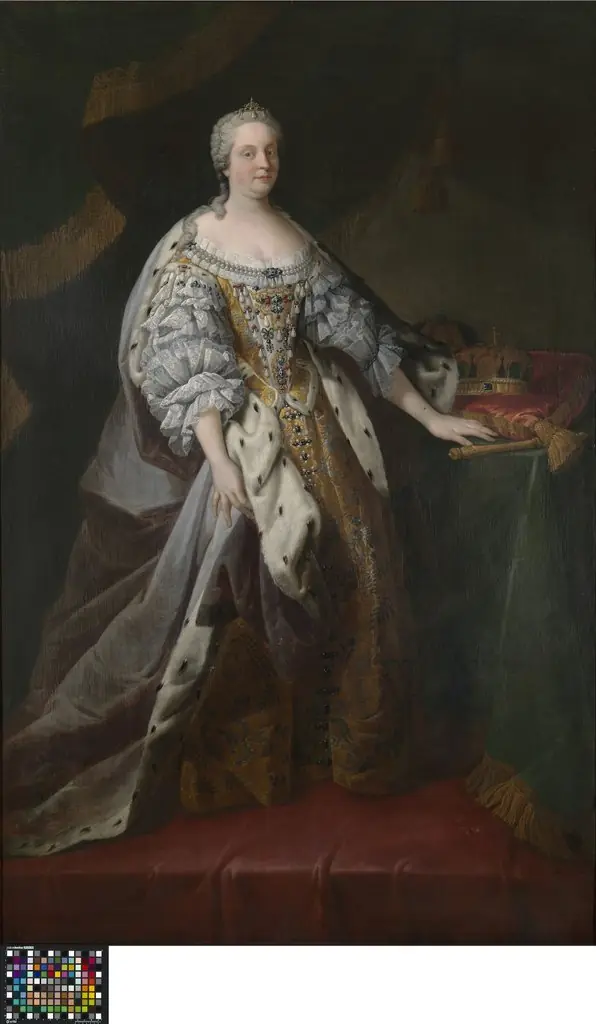 Portret van keizerin Maria Theresia
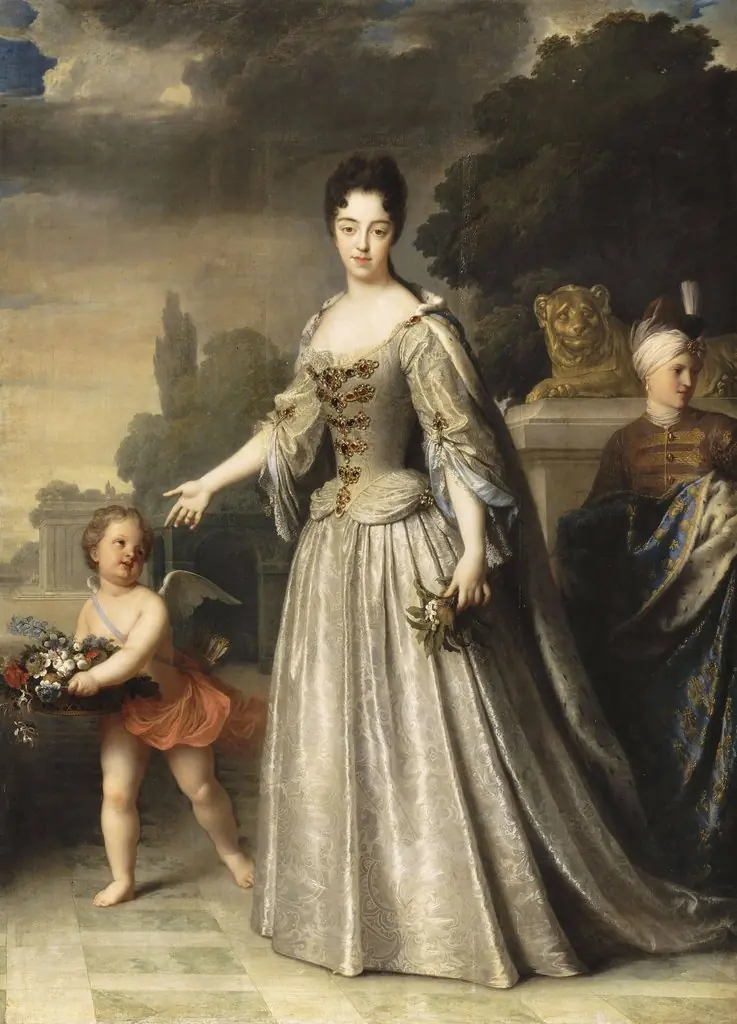 Portrait of Marie Adélaïde of Savoy, Duchess of Burgundy
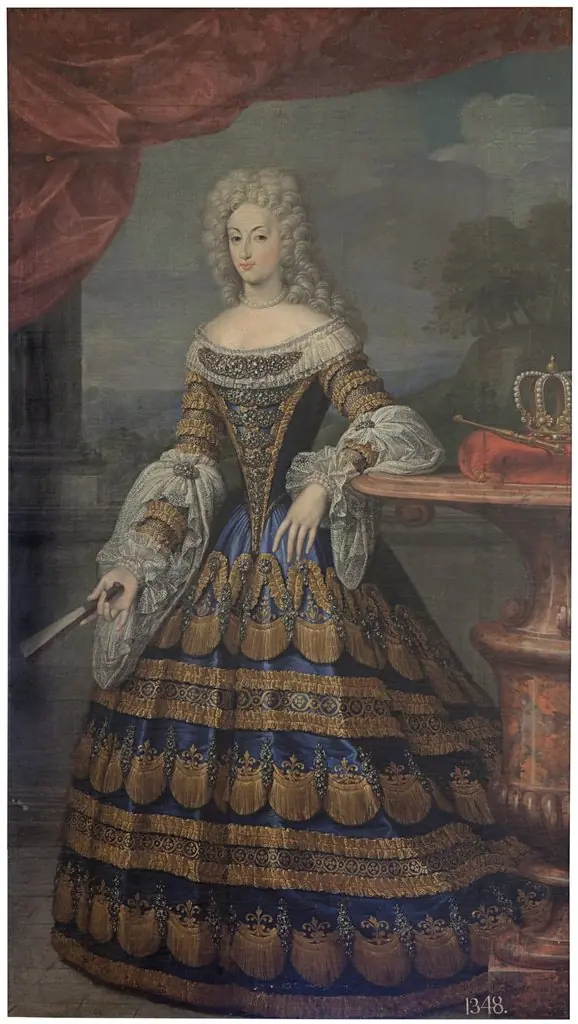 Mariana de Neoburgo reina de España
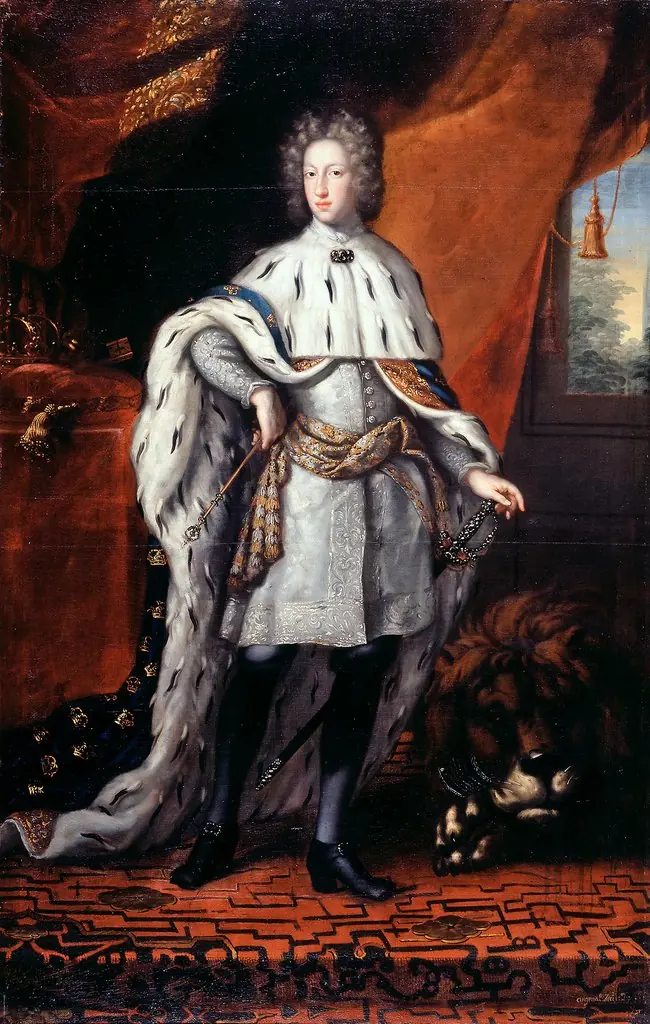 Karl XII