Artwork
Untitled
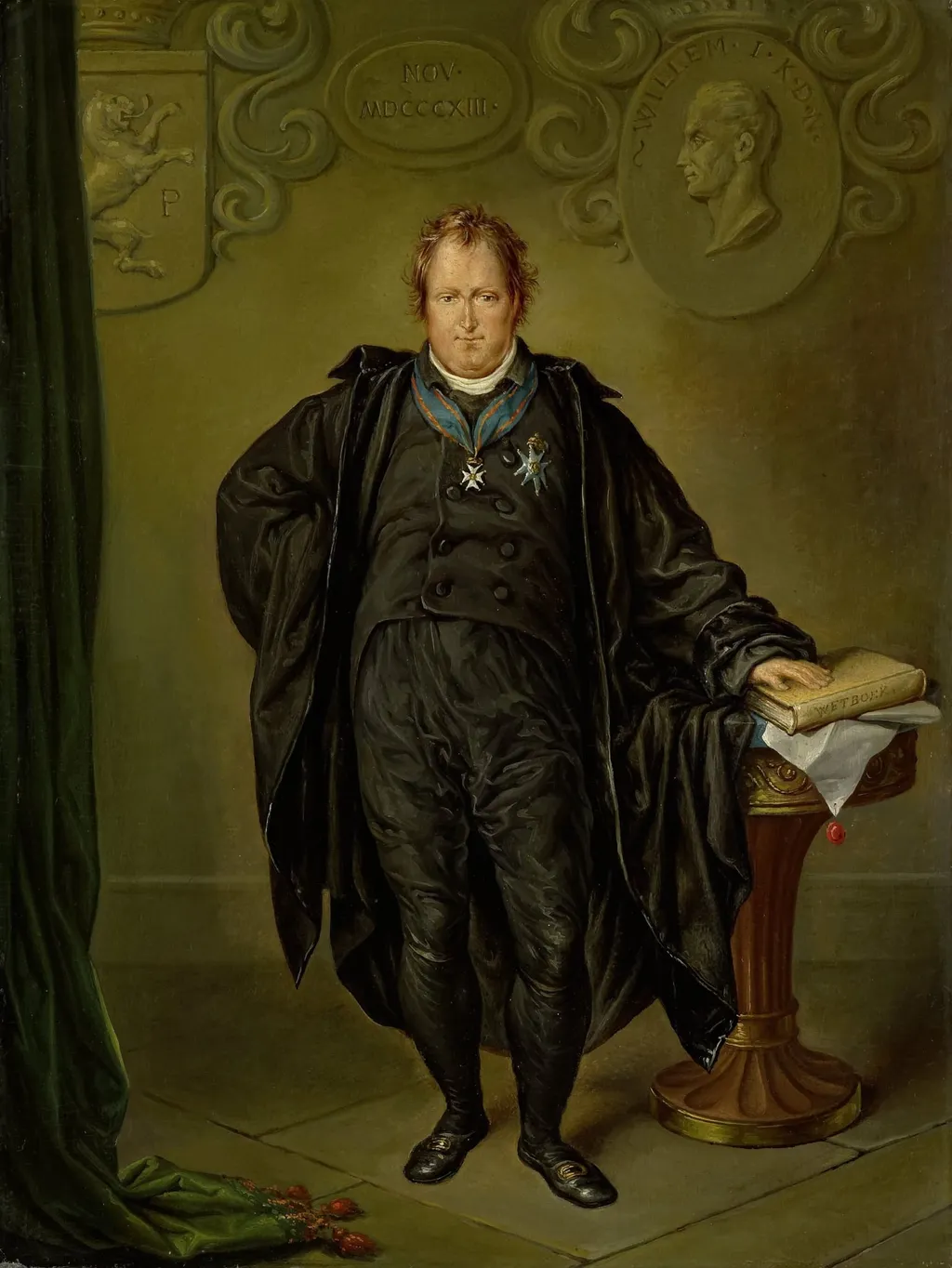
Untitled is an unspecified painting by the Biedermeier artist David Pièrre Giottino Humbert de Superville. It dates from 1815 and is held in the collection of the Rijksmuseum.
About this work
This portrait was made in 1815, the same year the Netherlands got its first constitution.
You see a man in a dark coat sitting at a desk, quill in hand, papers spread around him.
This portrait was made in 1815, the same year the Netherlands got its first constitution. The man, Joan Kemper, helped write it. The painting feels quiet, like a pause in a busy life. No one knows who painted it or what medium they used.
If you like portraits of thinkers, visit the Rijksmuseum to see more like this.
Overview
The portrait, dated around 1815, depicts Joan Melchior Kemper, a Dutch jurist and political figure, seated at a desk with a quill and scattered papers. Dressed in a dark coat, he appears absorbed in his work, reflecting his role in drafting the nation’s first constitution following the restoration of Prince William as sovereign.
Subject & Meaning
Kemper was instrumental in authoring the proclamation that introduced Prince William of Orange as William I and promised a constitutional framework guaranteeing civil liberties. As a professor, he mentored future statesmen and later served in the Lower House, symbolising his influence on Dutch political development.
Technique & Style
The work presents a restrained composition, focusing on the sitter’s contemplative pose and the scholarly setting. The subdued palette and careful rendering of textures convey a sense of quiet authority, typical of early‑19th‑century portraiture that emphasizes intellectual gravitas over decorative flourish.
History & Provenance
Created by D.P.G. Humbert de Superville, a close friend of Kemper, the painting reflects their personal connection; Humbert taught Kemper’s daughters drawing and benefited from Kemper’s support in securing a university lecturing position in 1814. Kemper’s decorations include the insignia of the Order of the Dutch Lion, established in 1815.
Context
The portrait emerged at a pivotal moment when the Netherlands adopted its first constitution, marking a transition toward constitutional monarchy. Kemper’s involvement in drafting the proclamation and his subsequent political career situate the work within the broader narrative of nation‑building after the Napoleonic era.
Artist & collection
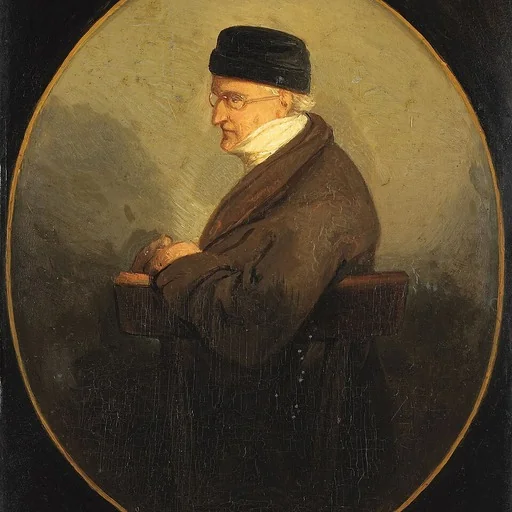
Artist
David Pièrre Giottino Humbert de Superville
David Pierre Giottino Humbert de Superville (The Hague, 18 July 1770 – Leiden, 9 January 1849) was a Dutch artist and art scholar.

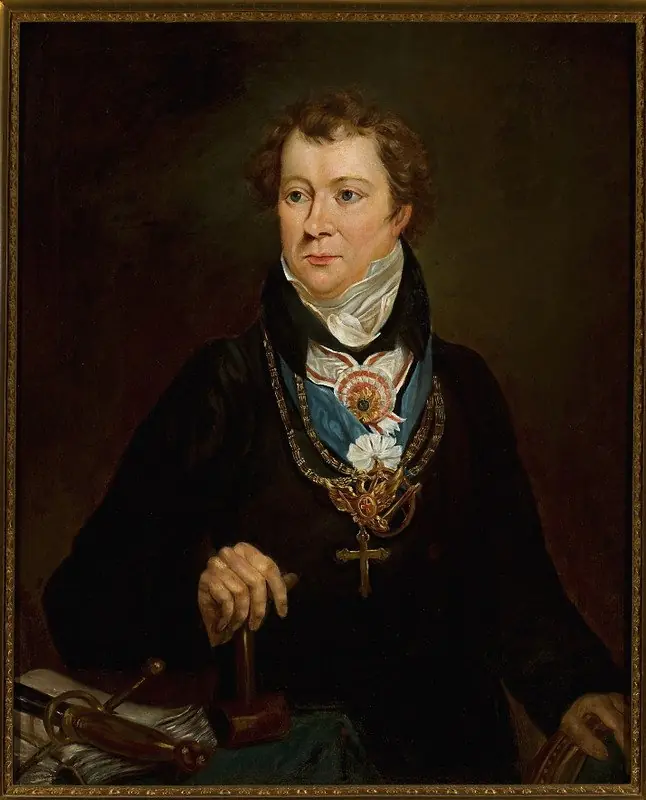 Portrait of Ludwik Osiński in Freemason's dress
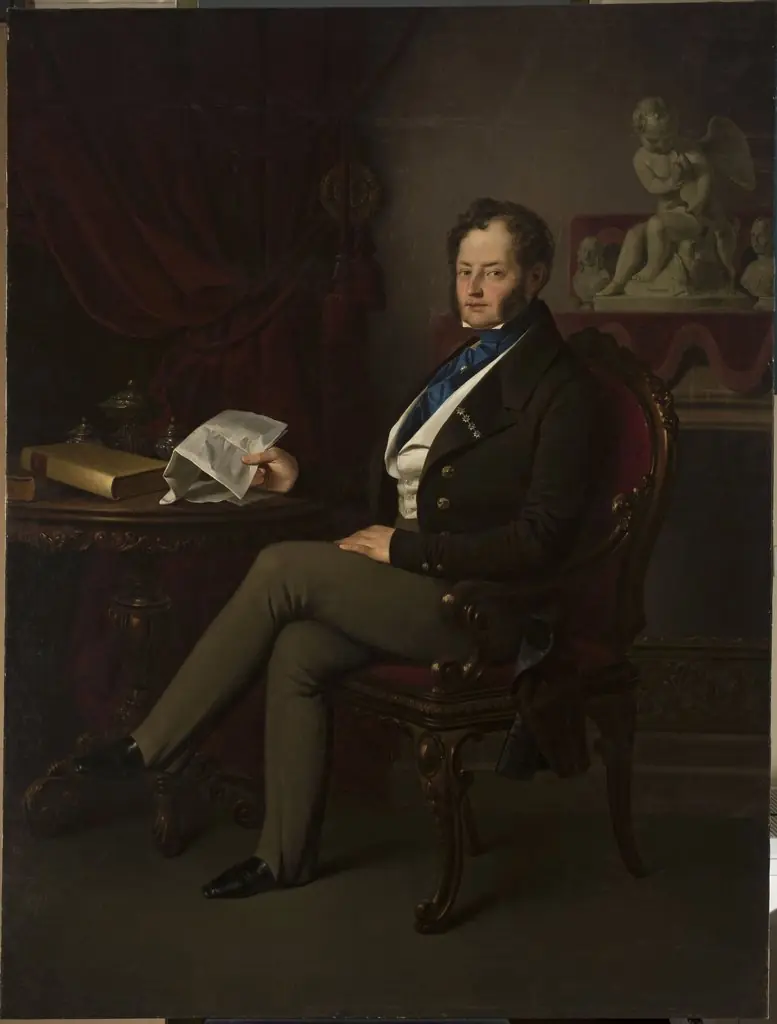 Portrait of Władysław Branicki, seated with a letter in his hand
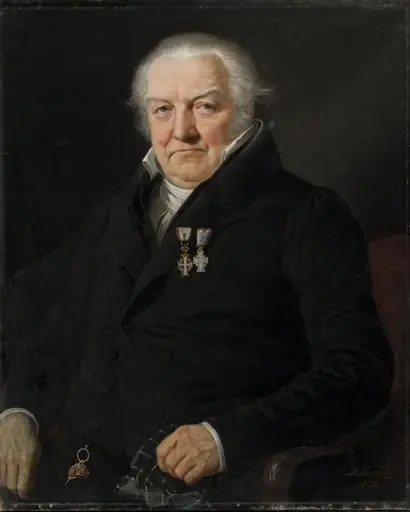 Professor, dr. med. J.D. Herholdt
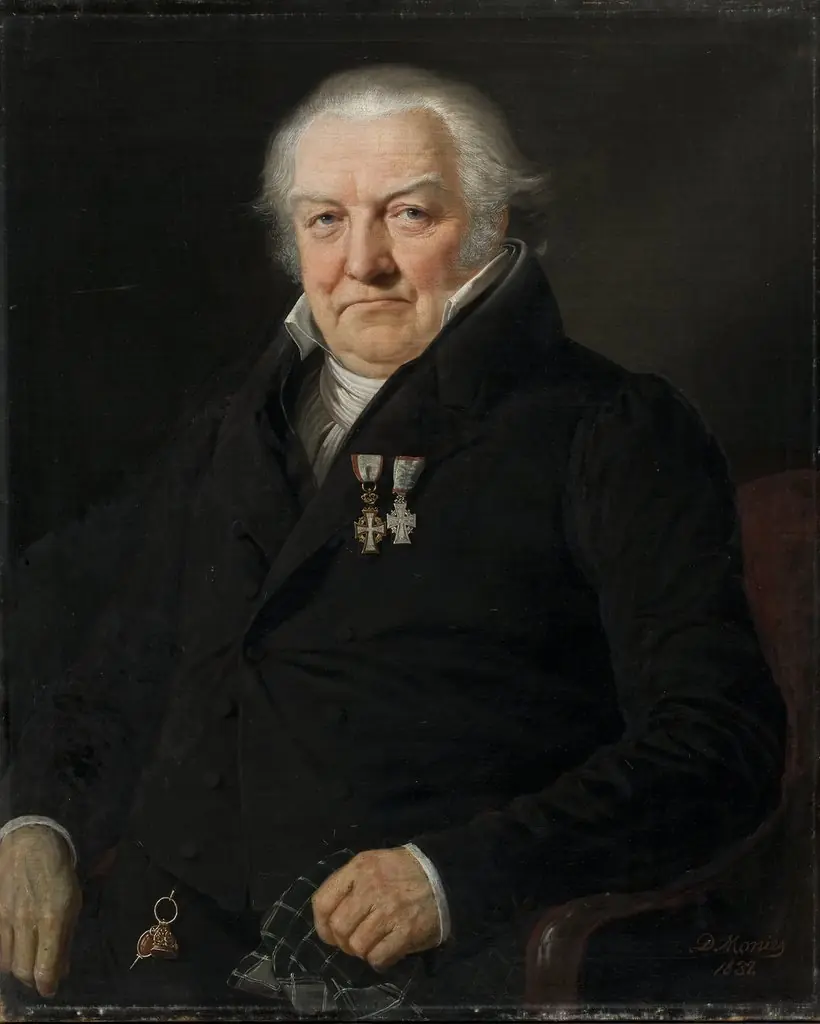 Professor, dr. med. J.D. Herholdt
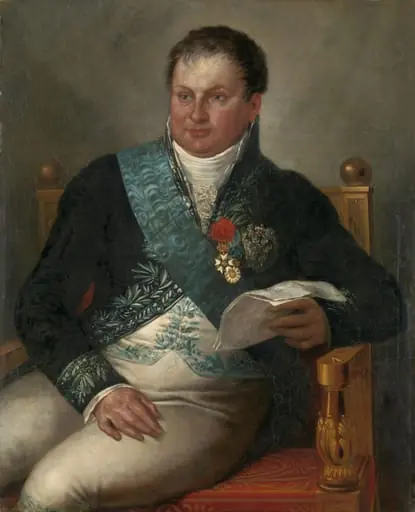 Portrait of Isaac Jan Alexander Gogel
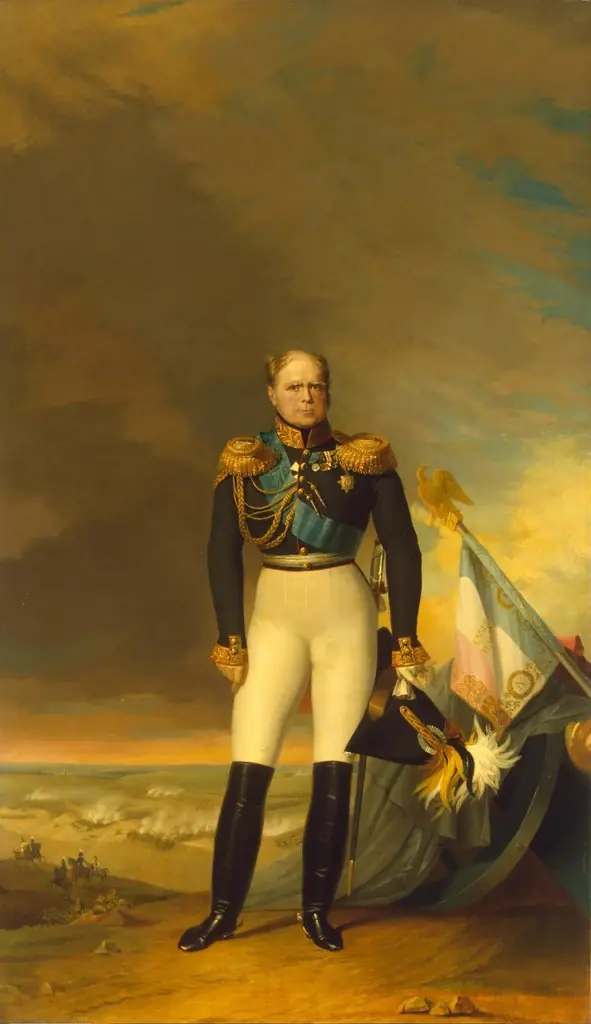 Portrait of Grand Prince Konstantin Pavlovich (1779-1831)
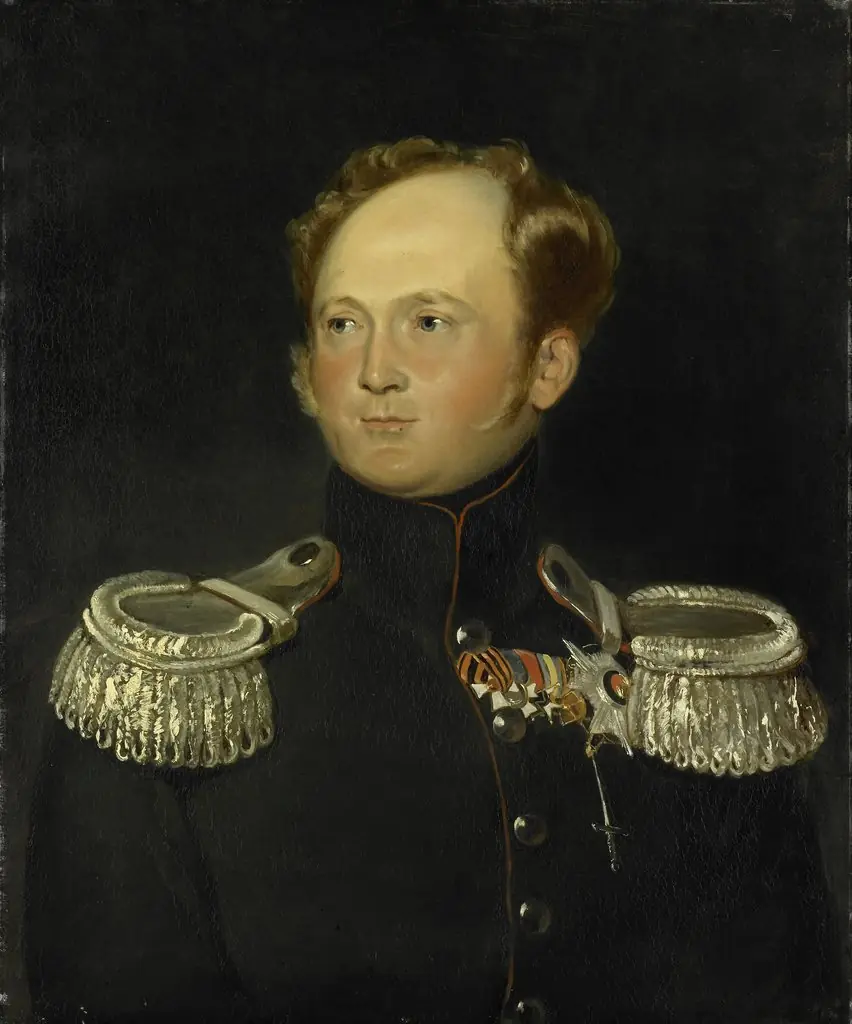 Portrait of Alexander I, Emperor of Russia
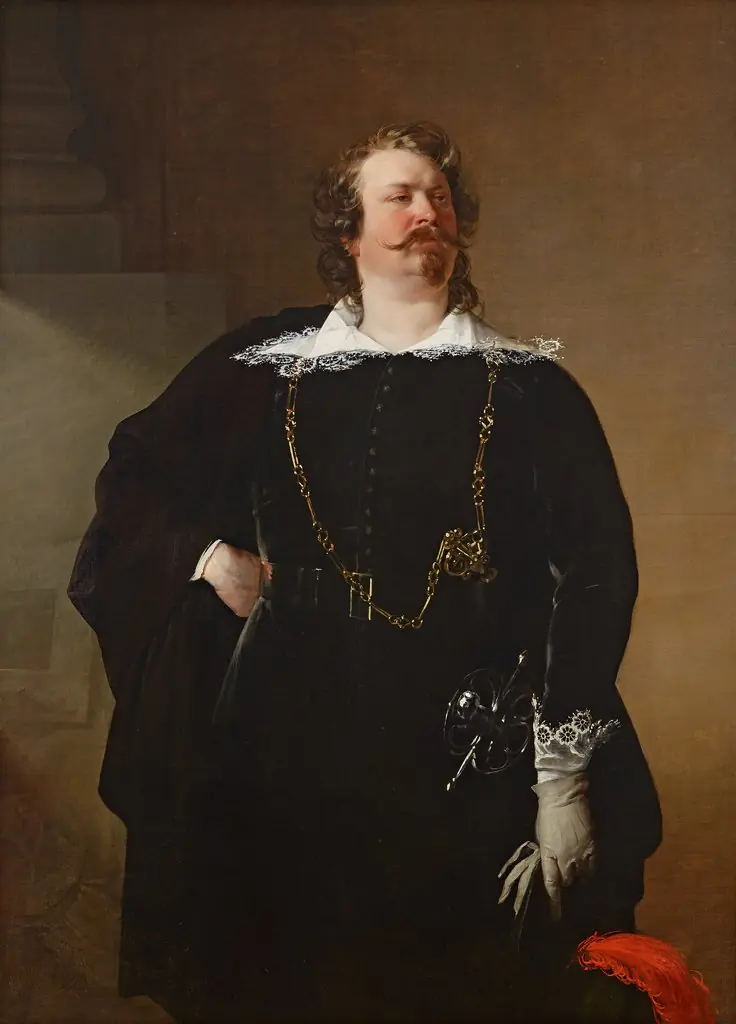 Flamand Mayor (Baron Pfuel?)
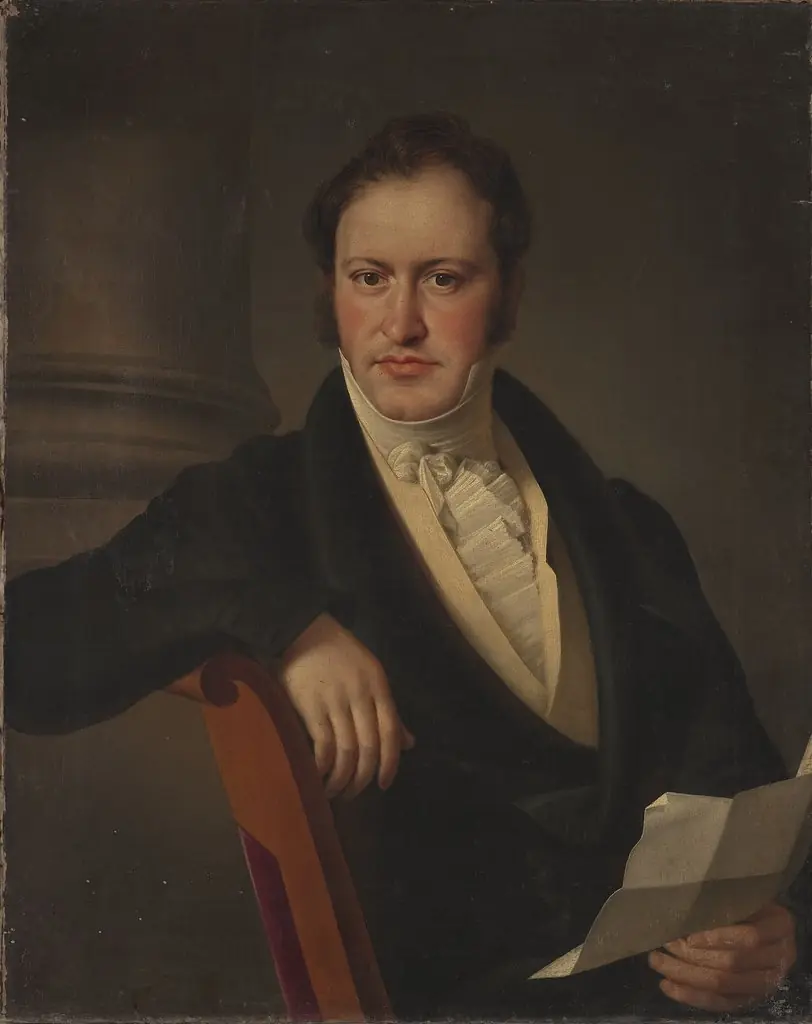 Portrait of Benedykt Pawłowski
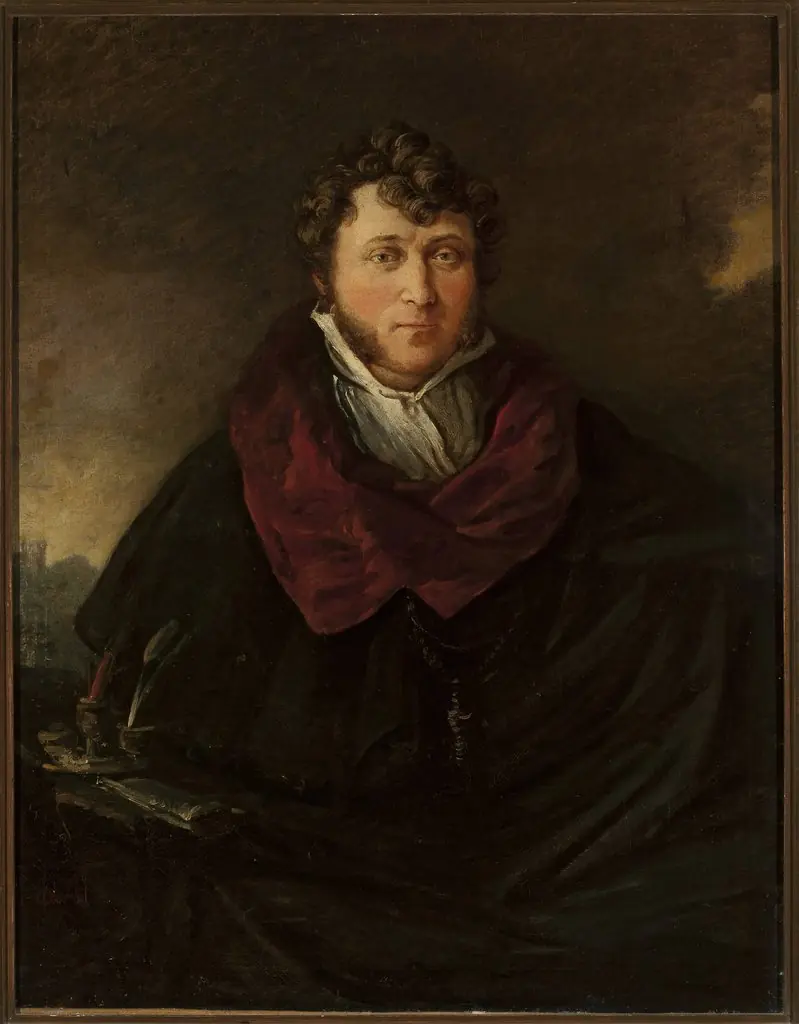 Portrait of Antoni Ostrowski
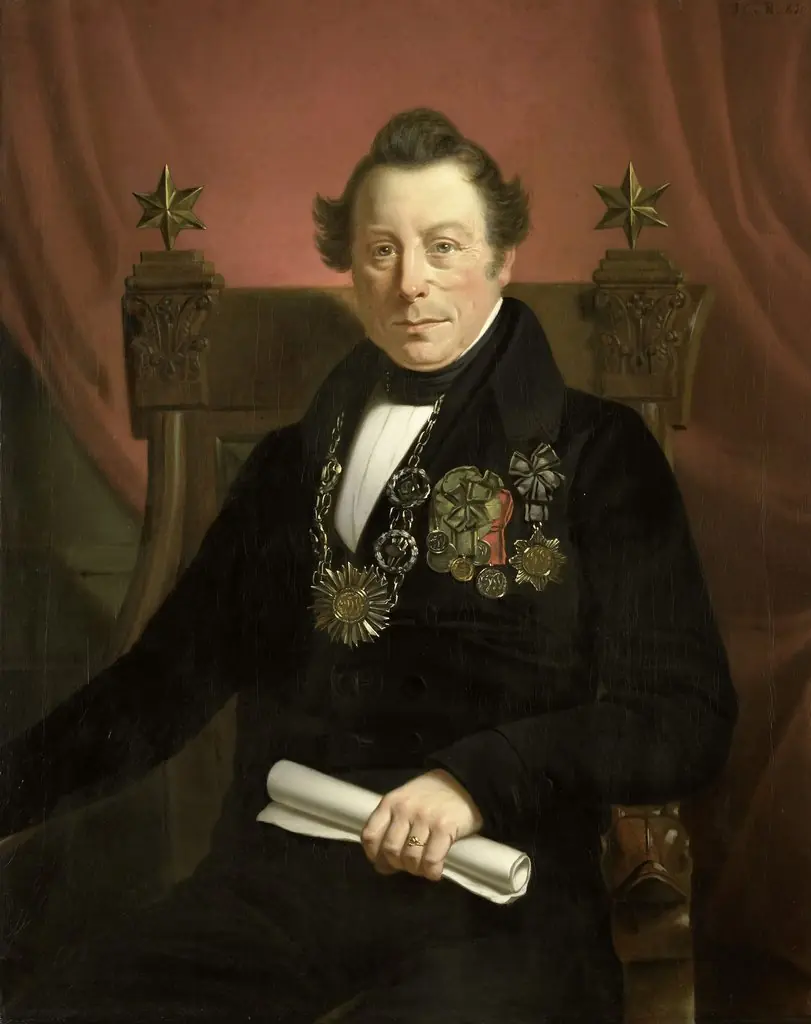 Portrait of Coenraad van Hulst, Actor, as President of the Arts-Promoting Company VW in Amsterdam (so named after the founders Casper Vreedenberg and Jan van Well)
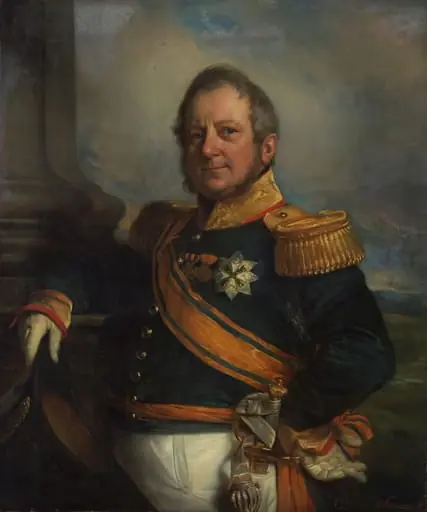 Portrait of Hendrik Merkus, Baron de Kock, Army Commandant and after 1826 Lieutenant Governor-General of the Dutch East Indies