Artwork
Convent of St. Catherine with Mount Horeb
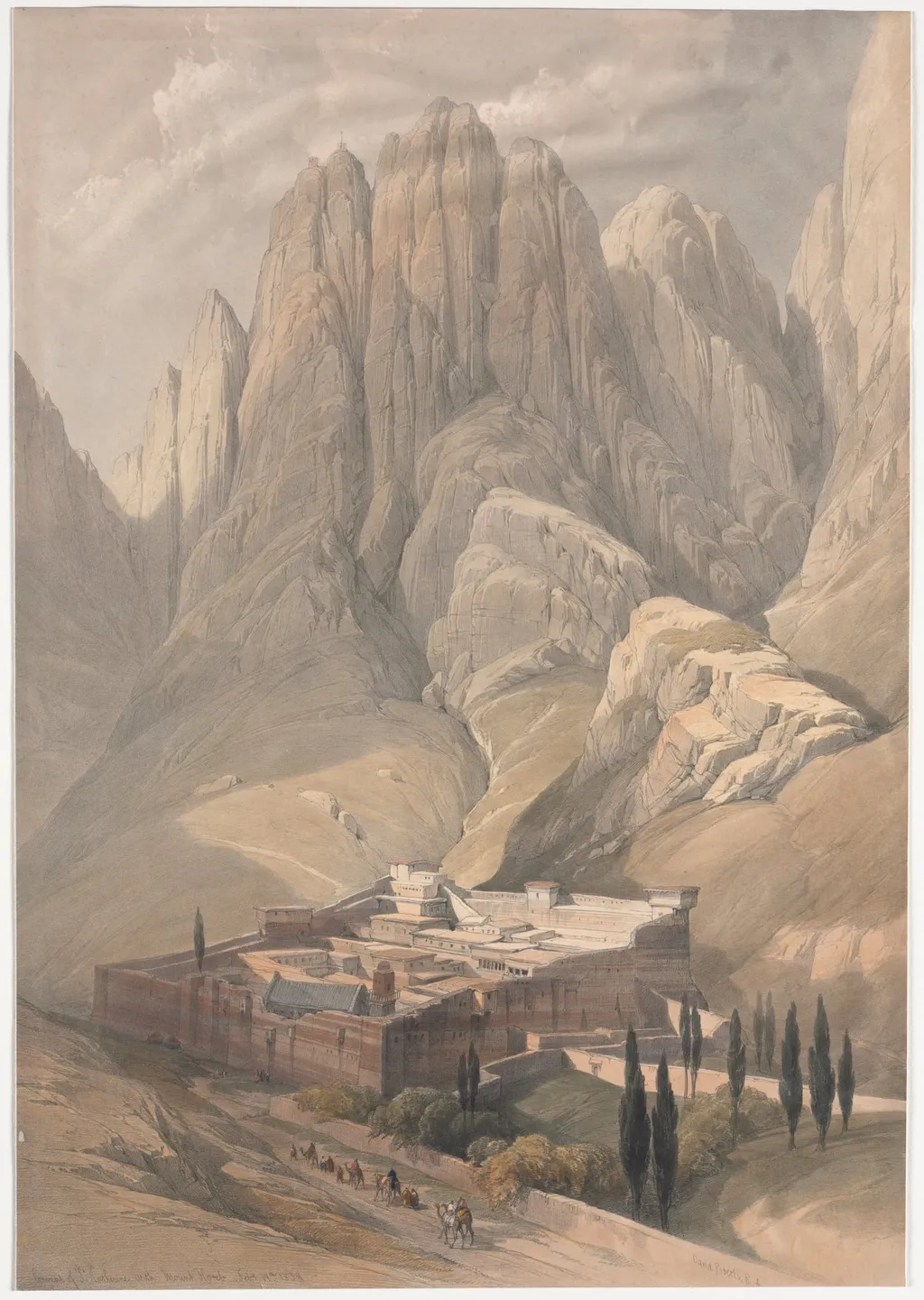
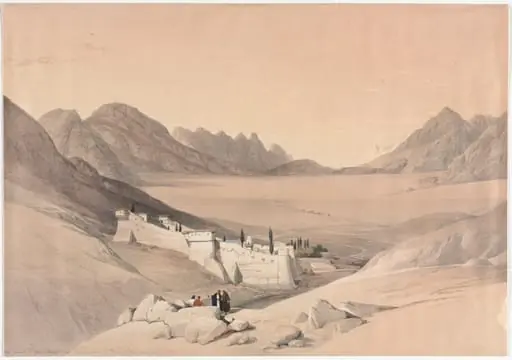
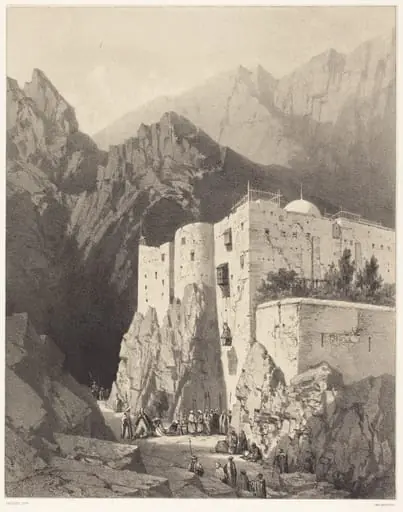
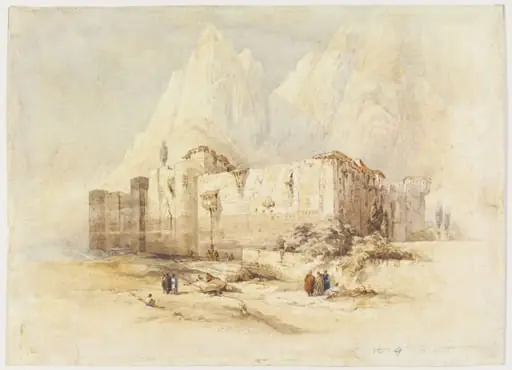
Convent of St. Catherine with Mount Horeb is a print by the Romanticist artist David Roberts. It dates from 1839 and is held in the collection of the Cleveland Museum of Art.
About this work
Overview
The piece combines precise observation with a subdued tonal palette, reflecting his interest in documenting sacred sites with fidelity.
Created in 1839 by Scottish artist David Roberts, this print depicts the Monastery of St. Catherine at the base of Mount Horeb, also known as Mount Sinai. It is one of many works produced during Roberts’s travels through the Middle East, which formed the basis for his published series on the region’s architecture and landscapes. The piece combines precise observation with a subdued tonal palette, reflecting his interest in documenting sacred sites with fidelity.
Subject & Meaning
The scene centers on the ancient monastery complex nestled against the imposing form of Mount Horeb, a site traditionally associated with Moses and the giving of the Ten Commandments. The quiet activity of figures and animals along the path suggests ongoing religious life, while the mountain’s scale evokes spiritual awe. Roberts presents the site not as a dramatic spectacle but as a lived-in place of enduring devotion, grounded in its harsh, natural surroundings.
Technique & Style
Roberts employed fine linear detail and careful shading to render the stone architecture and rugged terrain with topographical clarity. The composition emphasizes the contrast between the angular, man-made structures and the organic, towering mountain. Atmospheric perspective softens the distant peaks, while the muted earth tones and limited use of color reinforce the arid, timeless quality of the landscape, aligning with 19th-century Orientalist conventions of realism.
History & Provenance
The print originated as part of Roberts’s broader project to document sacred sites in the Near East, funded by subscribers who received engraved plates from his sketches. It entered the collection of The Cleveland Museum of Art through documented acquisition, likely as part of a larger set of his Orientalist works. The museum holds it as an example of 19th-century European engagement with Eastern religious architecture.
Context
Roberts’s travels coincided with a surge of European interest in biblical geography and archaeological exploration. His work emerged alongside early archaeological expeditions and the rise of Orientalism in art, where accurate depiction often served both scholarly and exoticizing impulses. While his renderings were valued for their precision, they also reflected contemporary Western perspectives on the East as ancient, static, and spiritually resonant.
Legacy
Roberts’s prints influenced later generations of travelers and artists documenting the Middle East, setting a standard for architectural record-keeping through visual art. Though his style is now viewed through the lens of colonial-era representation, his commitment to observational detail preserved valuable visual records of sites that have since undergone change or deterioration.
Artist & collection
Artist
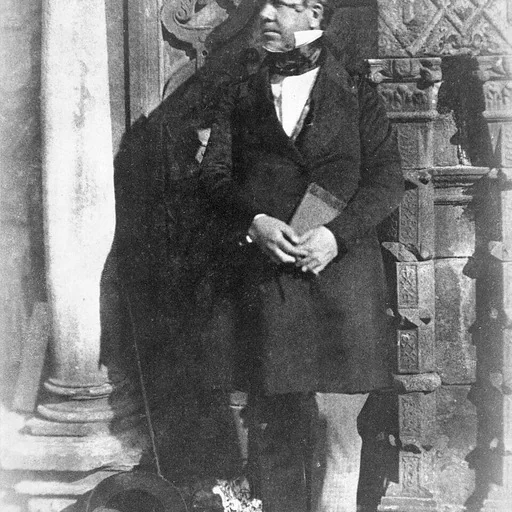
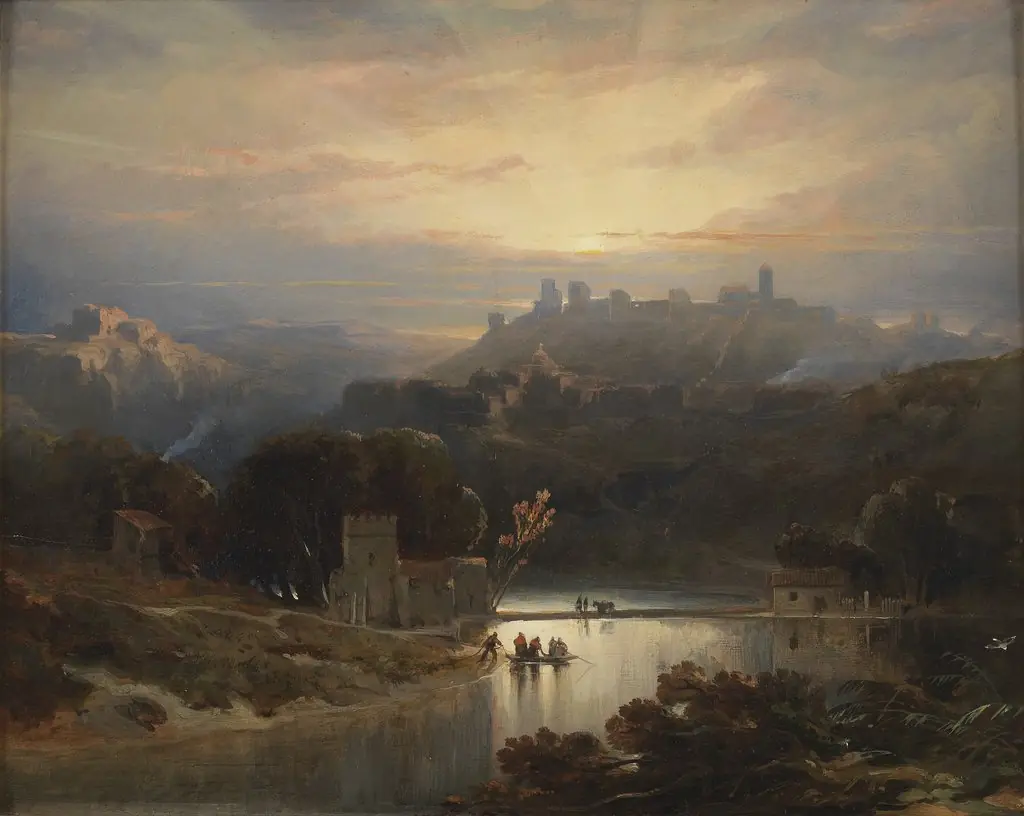
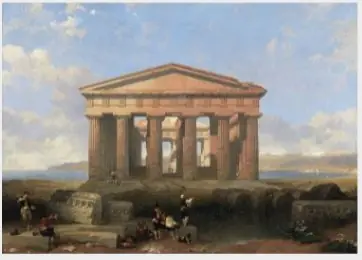
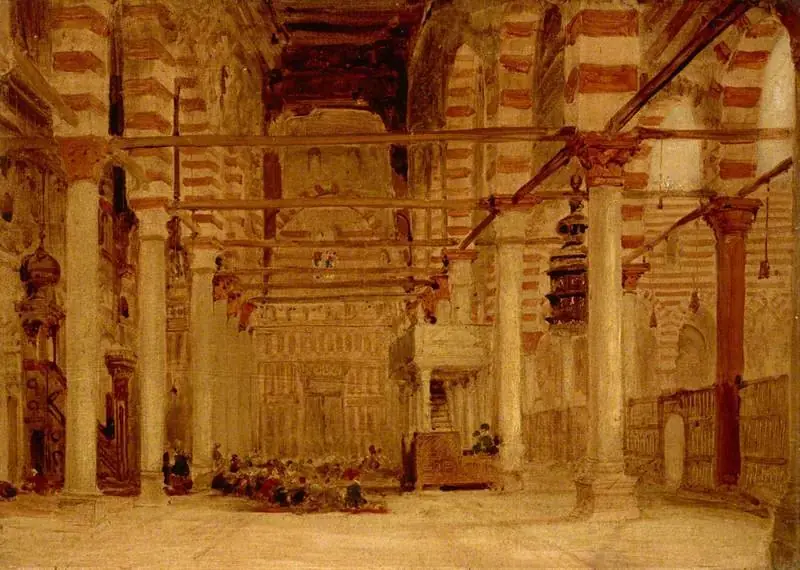
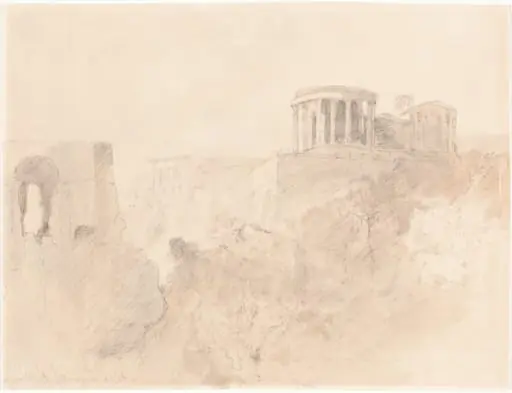
David Roberts (24 October 1796 – 25 November 1864) was a Scottish painter. He is especially known for The Holy Land, Syria, Idumea, Arabia, Egypt, and Nubia, a prolific series of detailed lithograph prints of Egypt and…

 The Convent of St. Catherine, Mount Sinai, Looking towards the Plain of the Encampment
 Fountain of Job, Valley of Hinnom
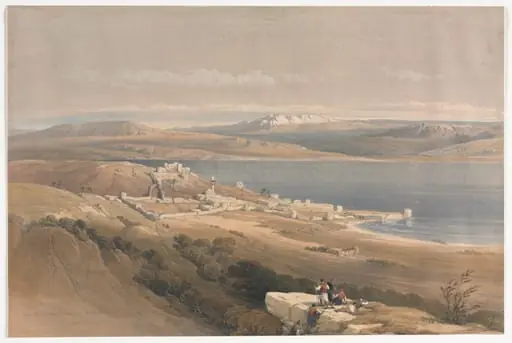 City of Tiberias on the Sea of Galilee, looking towards Hebron
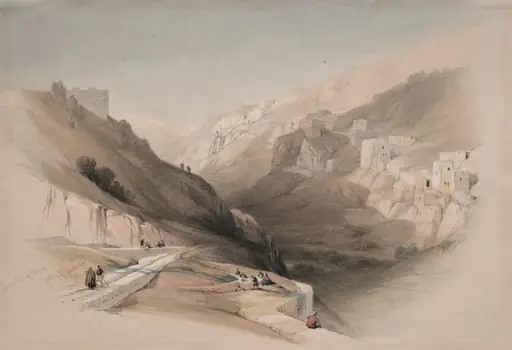 Lower Pool of Siloam, Valley of Jehoshaphat
 Bethany
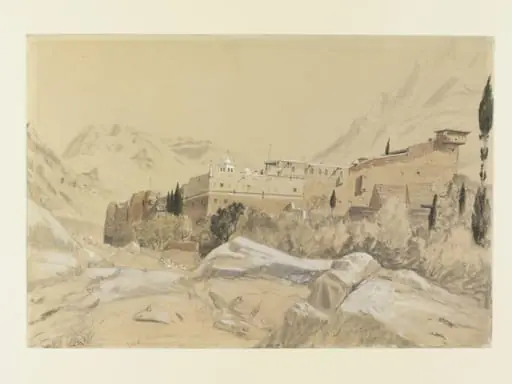 The Convent, Mount Sinai
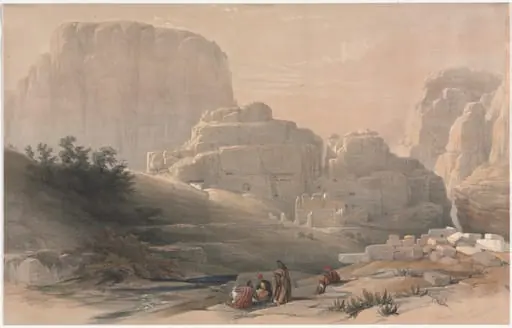 Petra, Lower End of the Valley, Viewing the Acropolis
 Mt. Sinai
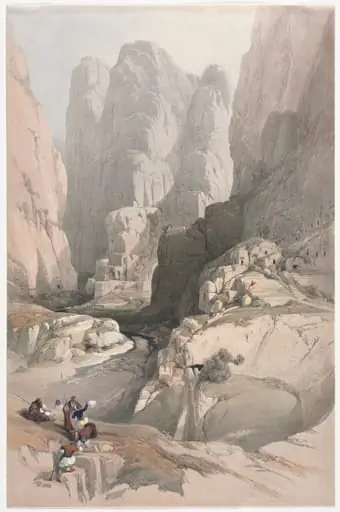 Entrance to Petra, the Theatre
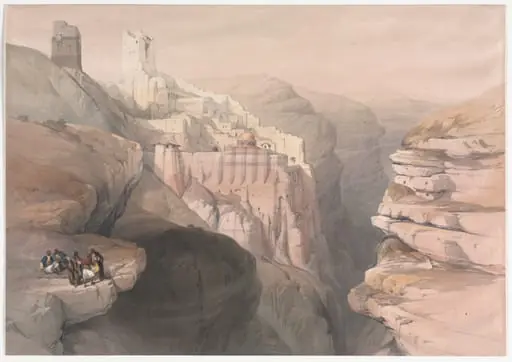 Convent of St. Saba
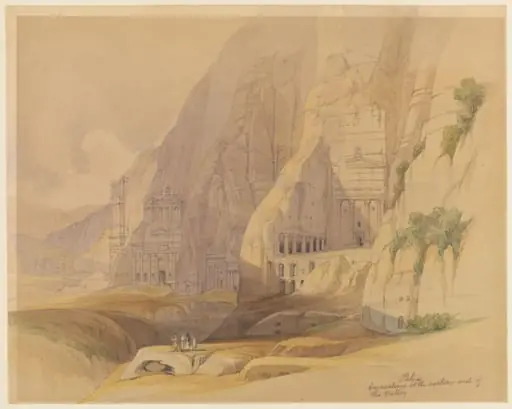 Petra Excavations at the eastern end of the Valley
 Convent of St Catherine, Mount Sinai