Artwork
Catherine Mannes
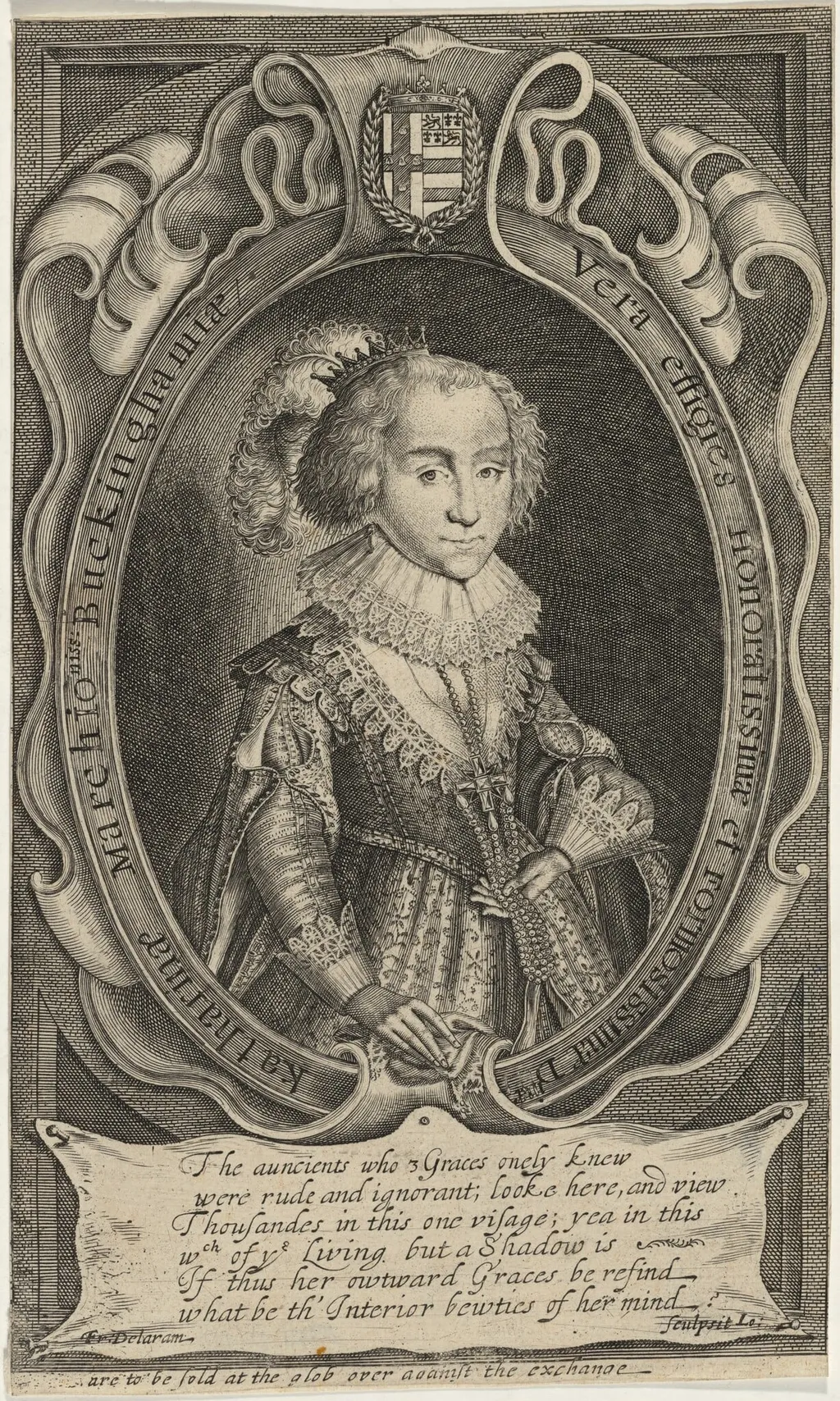
Catherine Mannes is an ink print by the Renaissance artist Francis Delaram. It dates from 1608 and is held in the collection of the National Gallery of Art.
About this work
Overview
Created in 1608, this black-and-white engraving by Francis Delaram depicts Catherine Mannes, a woman of probable gentry status.
Created in 1608, this black-and-white engraving by Francis Delaram depicts Catherine Mannes, a woman of probable gentry status. Delaram, an English printmaker of Flemish origin, specialized in portraiture during the early 17th century. The work is part of a broader tradition of engraved portraits meant for private circulation, combining likeness with symbolic elements to convey social and moral ideals. Its production reflects the growing demand for printed images among the educated classes in Jacobean England.
Subject & Meaning
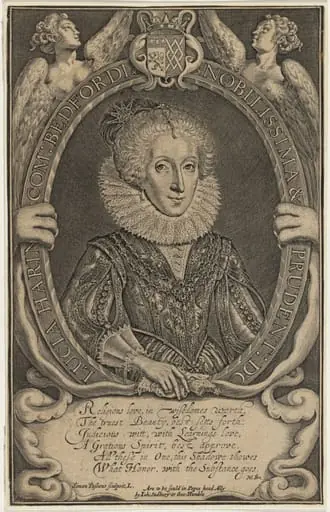
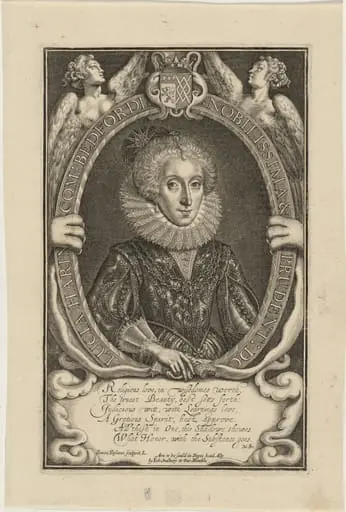
Catherine Mannes is portrayed with composed dignity, her gaze direct and expression serene. The fan and sheet of paper she holds suggest refinement and intellectual engagement, while the ornate lace and patterned dress signal wealth and status. Decorative cherubs and a heraldic shield above the image reinforce familial prestige. The accompanying poem, written in archaic verse, extols virtue and beauty as intertwined qualities, aligning the sitter with classical ideals of feminine excellence.
Technique & Style
Delaram employed fine, controlled lines typical of engraving to render texture in fabric, hair, and lace. The shading is subtle, relying on cross-hatching to model form without heavy contrast. The background lacks depth, appearing flat and minimally detailed, a common limitation in portrait engravings of the period. The ornamental borders—swirling motifs and the coat of arms—show Flemish decorative influence, distinguishing the composition from more austere English prints.
History & Provenance
The print was made during Delaram’s early career, likely before his documented work for William Camden’s historical texts. Its date, 1608, places it among his earliest known portraits. While its original commission remains unrecorded, the inclusion of a family crest suggests it was produced for private or familial use rather than public sale. No known copies or later impressions have been traced, indicating limited circulation.
Context
This engraving emerged in a period when printed portraits served as tools of social memory and status affirmation. Flemish engravers like Cornelis Boel influenced English printmakers through their detailed biblical illustrations and portrait techniques. Delaram’s work bridges continental styles and English tastes, reflecting the transnational exchange of artistic methods. The blend of portraiture with poetic text aligns with humanist ideals prevalent among the literate elite.
Legacy
Though Delaram’s output was modest and largely overlooked in his time, this engraving survives as a rare example of early Jacobean portraiture in print. It offers insight into how private identity was visually constructed outside royal or aristocratic circles. Its stylistic hybridity—Flemish ornamentation with English subject matter—makes it a minor but instructive artifact in the development of British print culture.
Artist & collection
Artist
Francis Delaram (born around 1590, fl. 1615–1624 or 1627), was an English engraver. Delaram left a substantial collection of engraved portraits, landscapes and book illustrations (specifically, William Camden's…

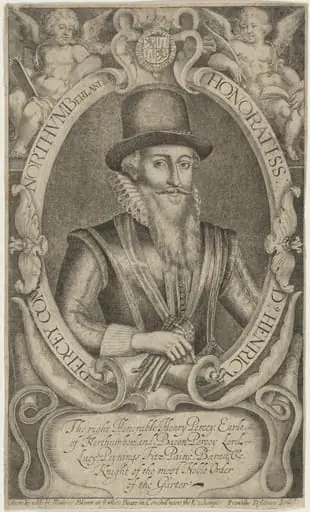 Henricus Percye (Henry Percy, Ninth Earl of Northumberland)
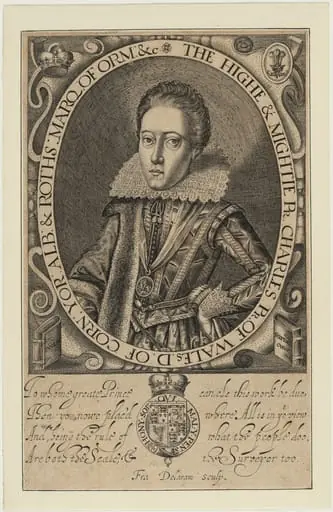 Charles I, as Prince of Wales
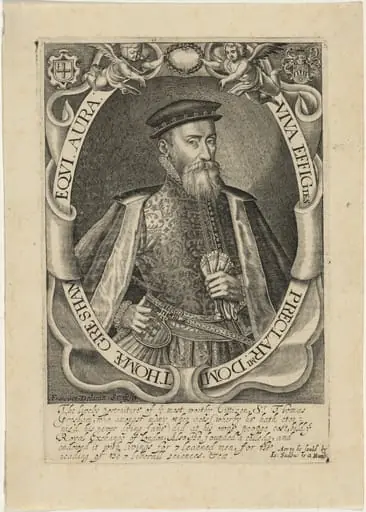 Sir Thomas Grisham
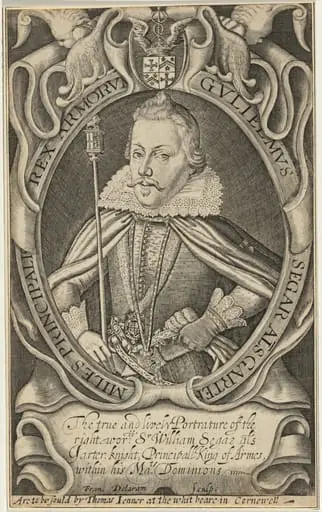 Guliemus Segar (Sir William Segar)
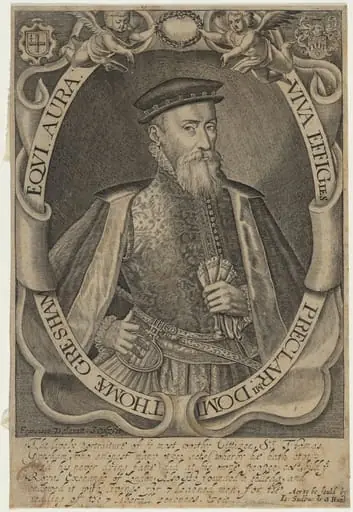 Thomae Gresham Equi. Aura (Sir Thomas Gresham)
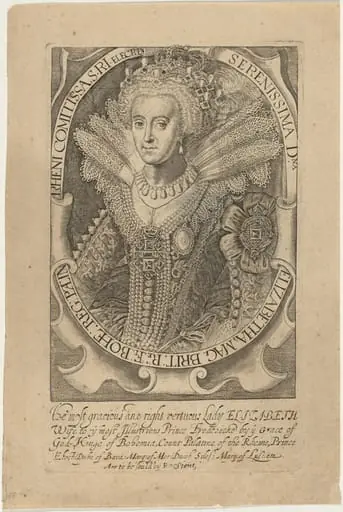 Elizabeth, Queen of Bohemia
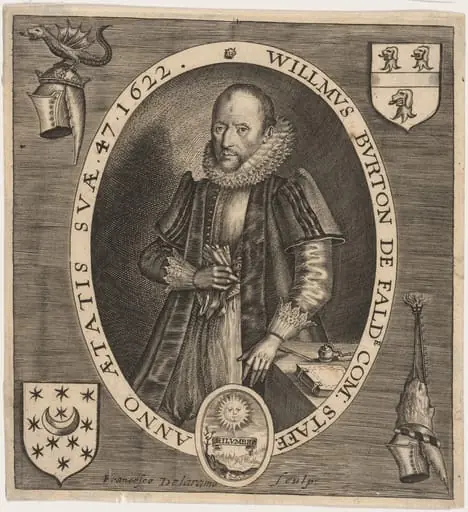 Willmus Burton de Falde (William Burton)
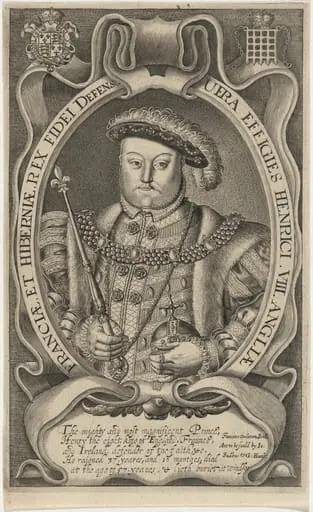 Henrici VIII Angliae, Franciae et Hiberniam Rex (King Henry VIII)
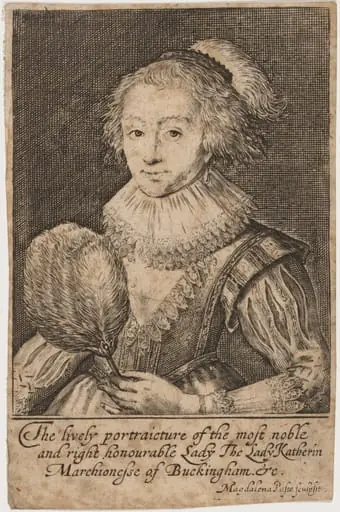 Catherine Manners, Duchess of Buckingham
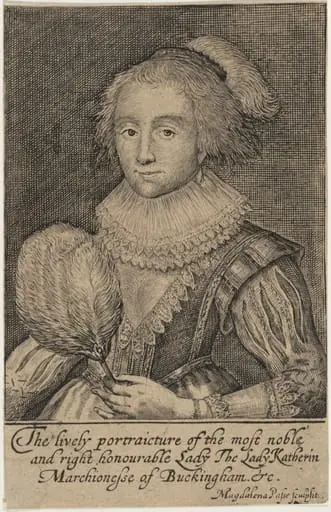 Catherine Manners, Duchess of Buckingham
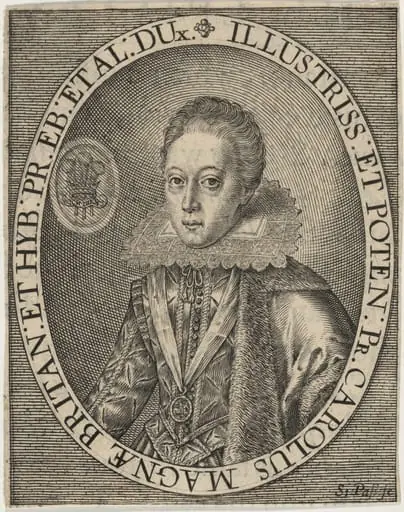 Charles I, King of England as Duke of York
 Lucia Harrington, Countess of Bedford
 Lucia Harrington, Countess of Bedford
 Elizabeth, Queen of Bohemia (?)
 Maria of Austria, Infanta of Spain
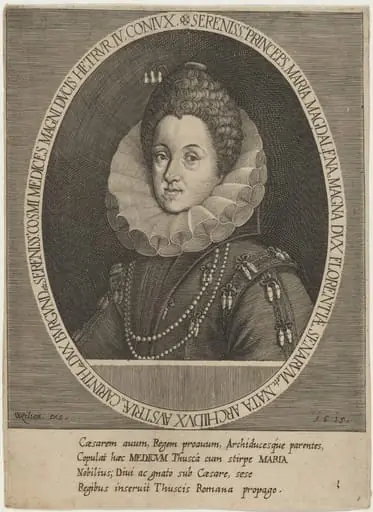 Princess Maria Magdalen
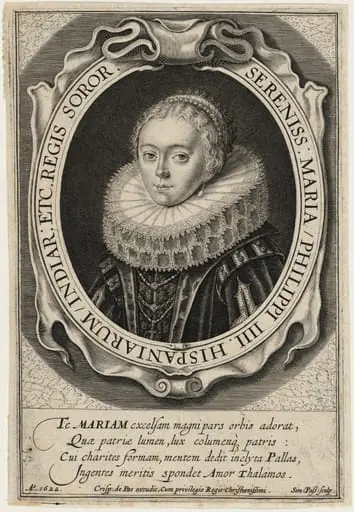 Maria of Austria, Infanta of Spain
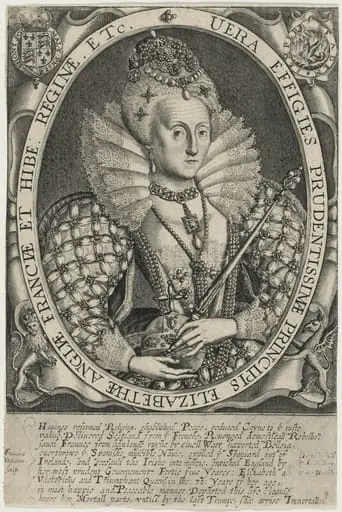 Elizabetha Anglia et Francae et Hibe. Reginae(Queen Elizabeth)
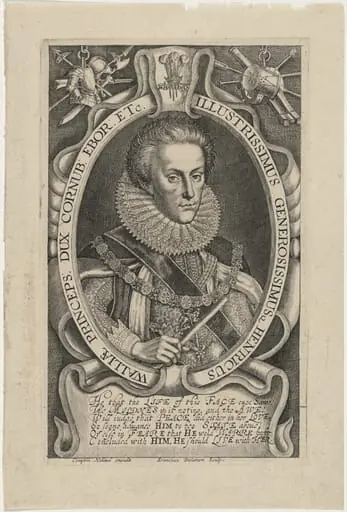 Henrici VIII Angliae, Franciae et Hiberniam Rex (King Henry VIII)
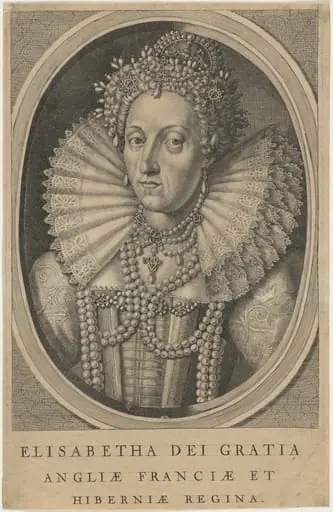 Queen Elizabeth