Artwork
Le Billet doux
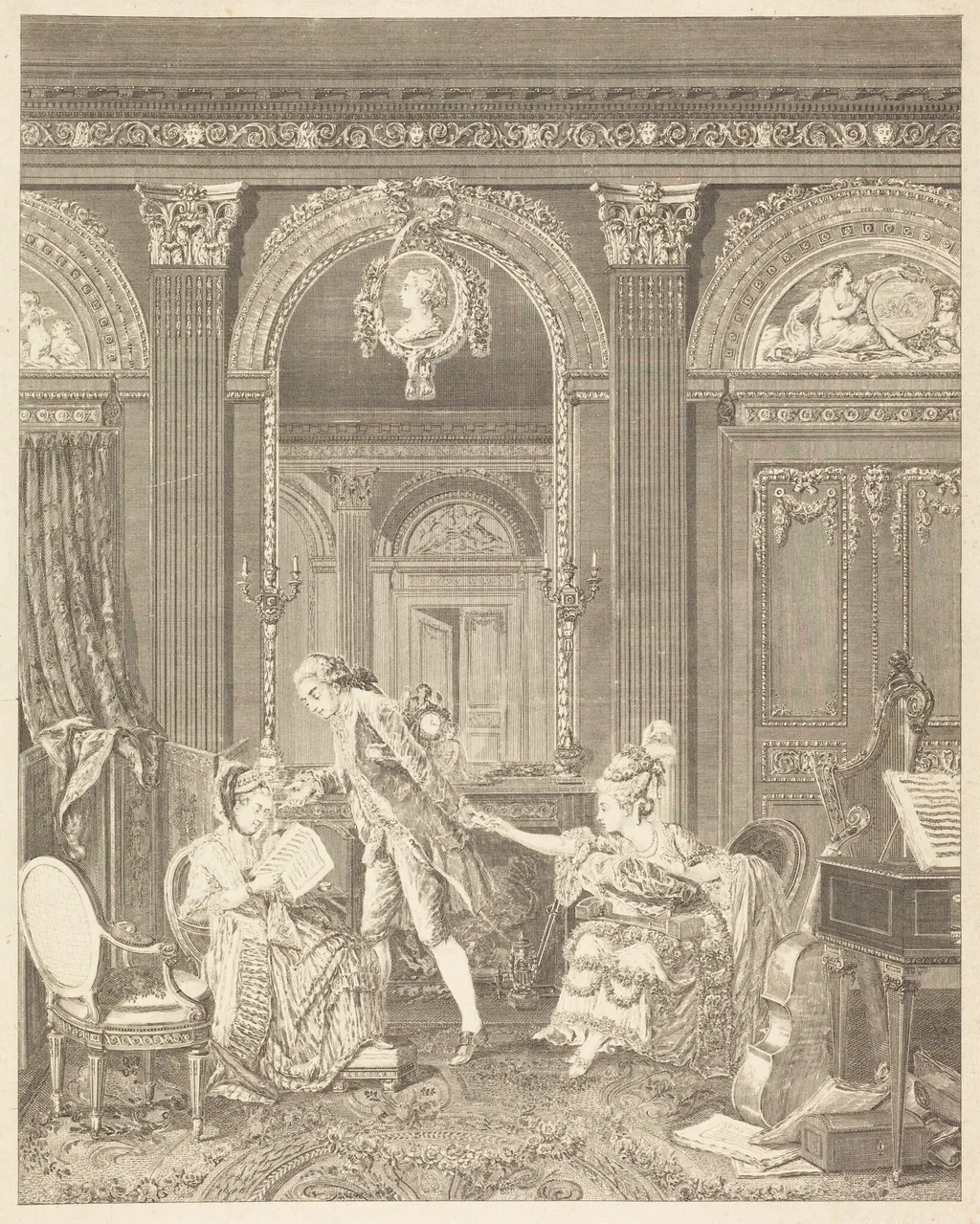
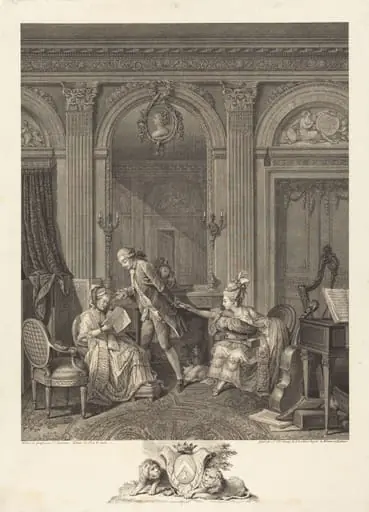
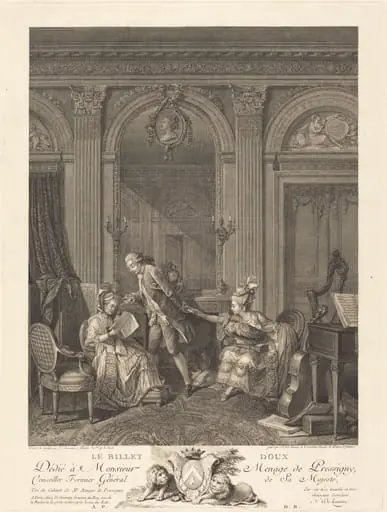
Le Billet doux is an ink print by the Romanticist artist Nicolas Delaunay. It dates from 1778 and is held in the collection of the National Gallery of Art.
About this work
Overview
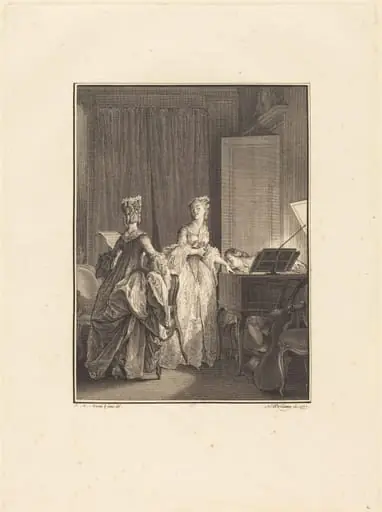
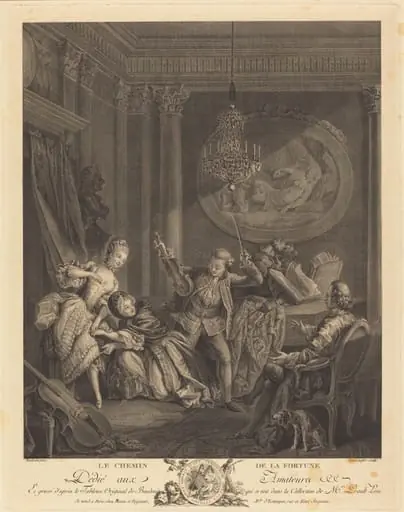
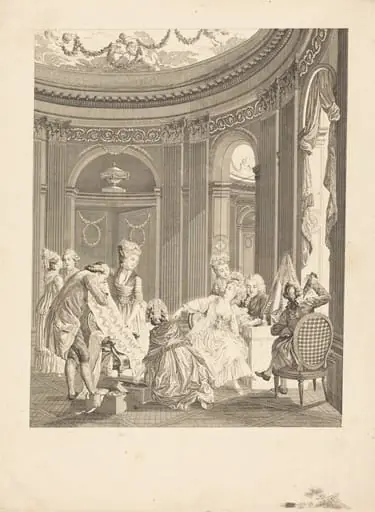
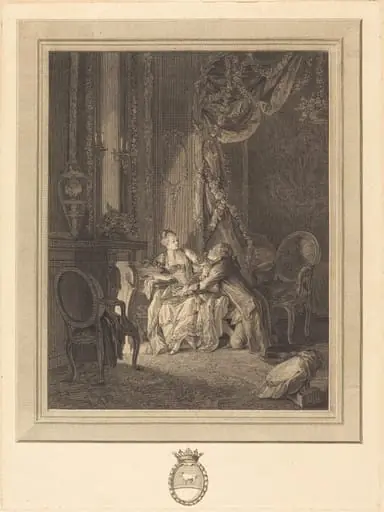
Le Billet doux, an etching produced in 1778 by Nicolas Delaunay, presents an interior scene of refined domestic life.
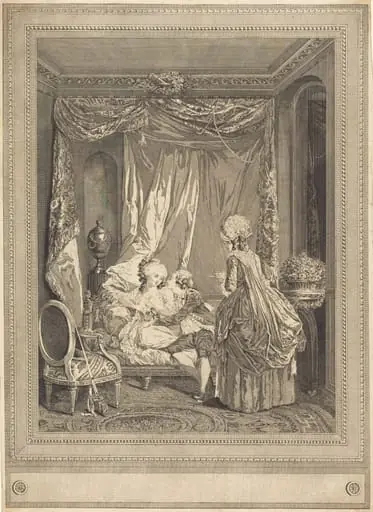
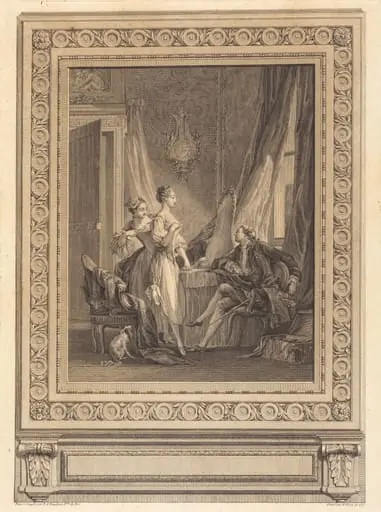
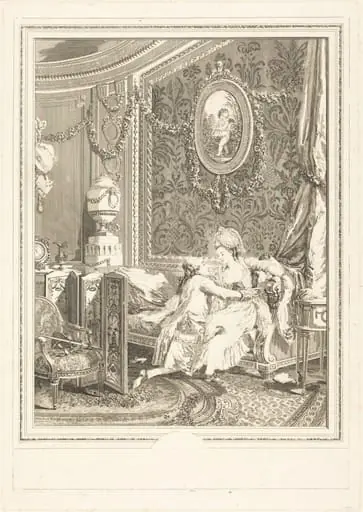
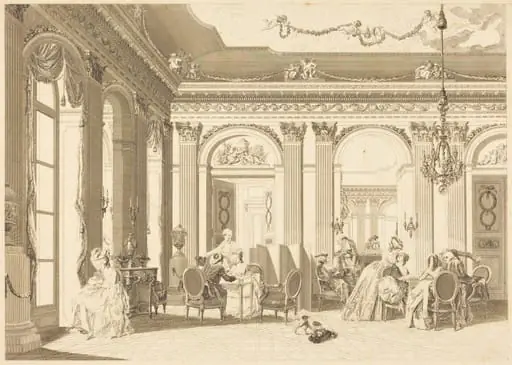
Le Billet doux, an etching produced in 1778 by Nicolas Delaunay, presents an interior scene of refined domestic life. The composition is crowded with figures and decorative architecture: a well‑dressed woman near a doorway clutching a letter, another seated on a settee reading it, a man observing from a chair, and a child kneeling nearby. The room is framed by carved panels, mirrors, and a large arched window that contains a portrait.
Subject & Meaning
The work captures a moment of private communication, suggested by the surprised expression of the woman reading the note. The juxtaposition of the letter‑holder and the attentive onlookers hints at intrigue or a concealed message, inviting viewers to imagine the social dynamics and possible romantic or familial implications within this genteel setting.
Technique & Style
Delaunay employs the etching process, rendering the scene with a varied network of lines that delineate textures such as silk drapery, wood grain, and intricate furnishings. The fine cross‑hatching creates tonal depth, while broader strokes define the architectural framework, allowing a clear yet richly detailed representation of the bustling interior.
History & Provenance
Created in the late eighteenth century, the print reflects the period’s fascination with domestic genre scenes. While specific ownership records are limited, the etching has been catalogued among Delaunay’s oeuvre of social tableaux, illustrating the artist’s engagement with contemporary French interior aesthetics.
Context
During the 1770s, French printmakers frequently depicted elegant interiors to appeal to a growing market for affordable artworks that echoed the tastes of the aristocracy. Le Billet doux aligns with this trend, offering a snapshot of fashionable attire, decorative motifs, and the social rituals surrounding written correspondence.
Artist & collection