Artwork
Portret - Nepotul lui V. Negru
Portret - Nepotul lui V. Negru is a print by Lucia Dem-Bălăcescu. It dates from 1850 and is held in the collection of the National Museum of Art of Romania.
About this work
Overview
The absence of visual content distinguishes it from conventional portraiture, suggesting an incomplete or abandoned project.
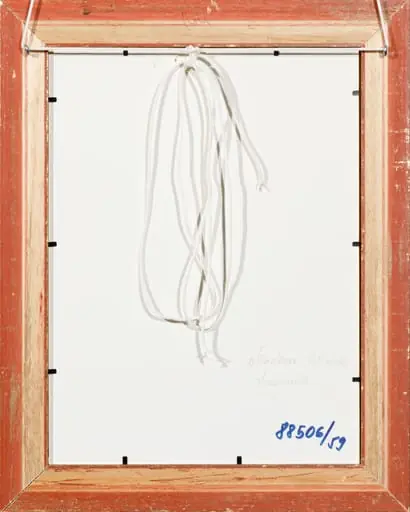
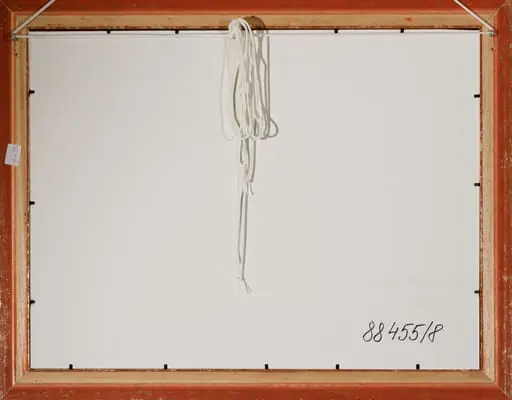
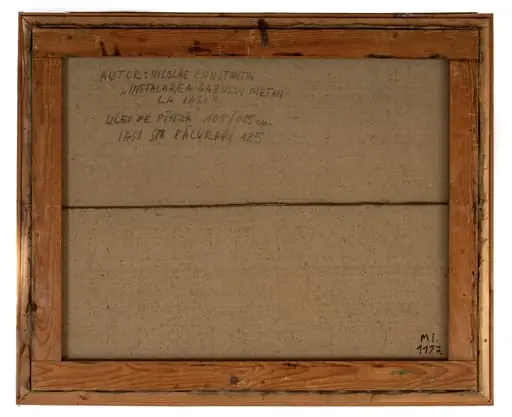
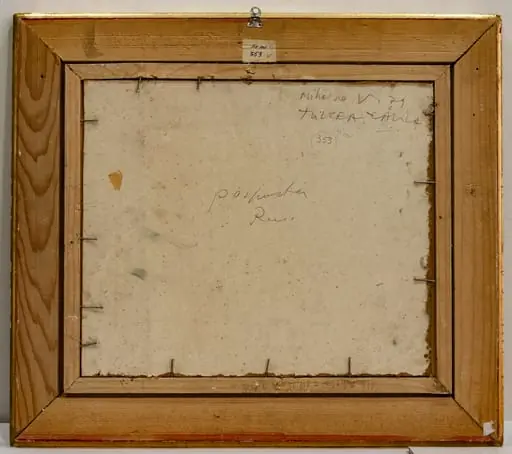
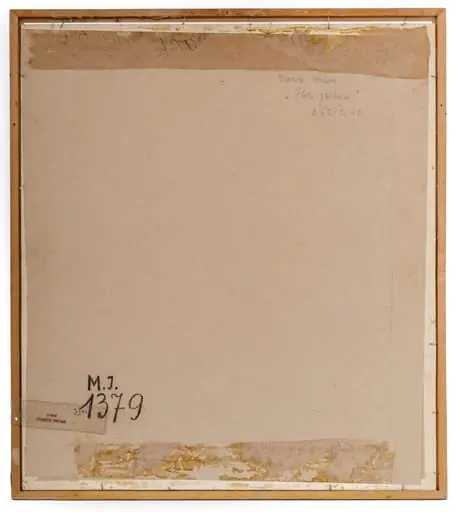
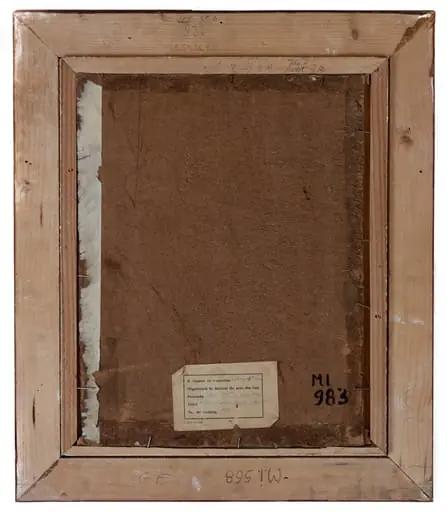
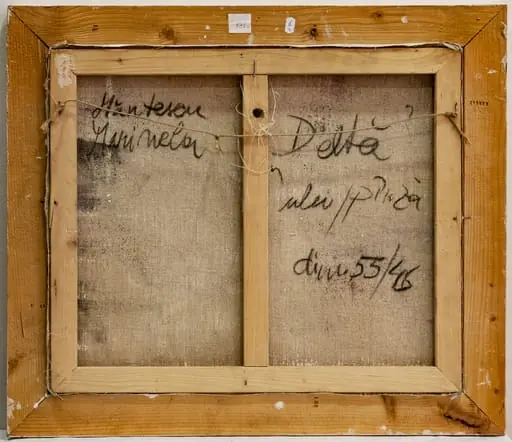
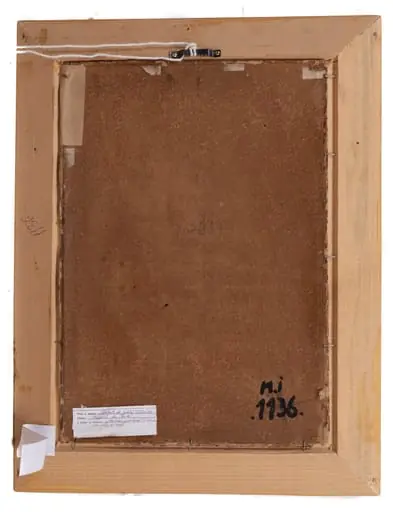
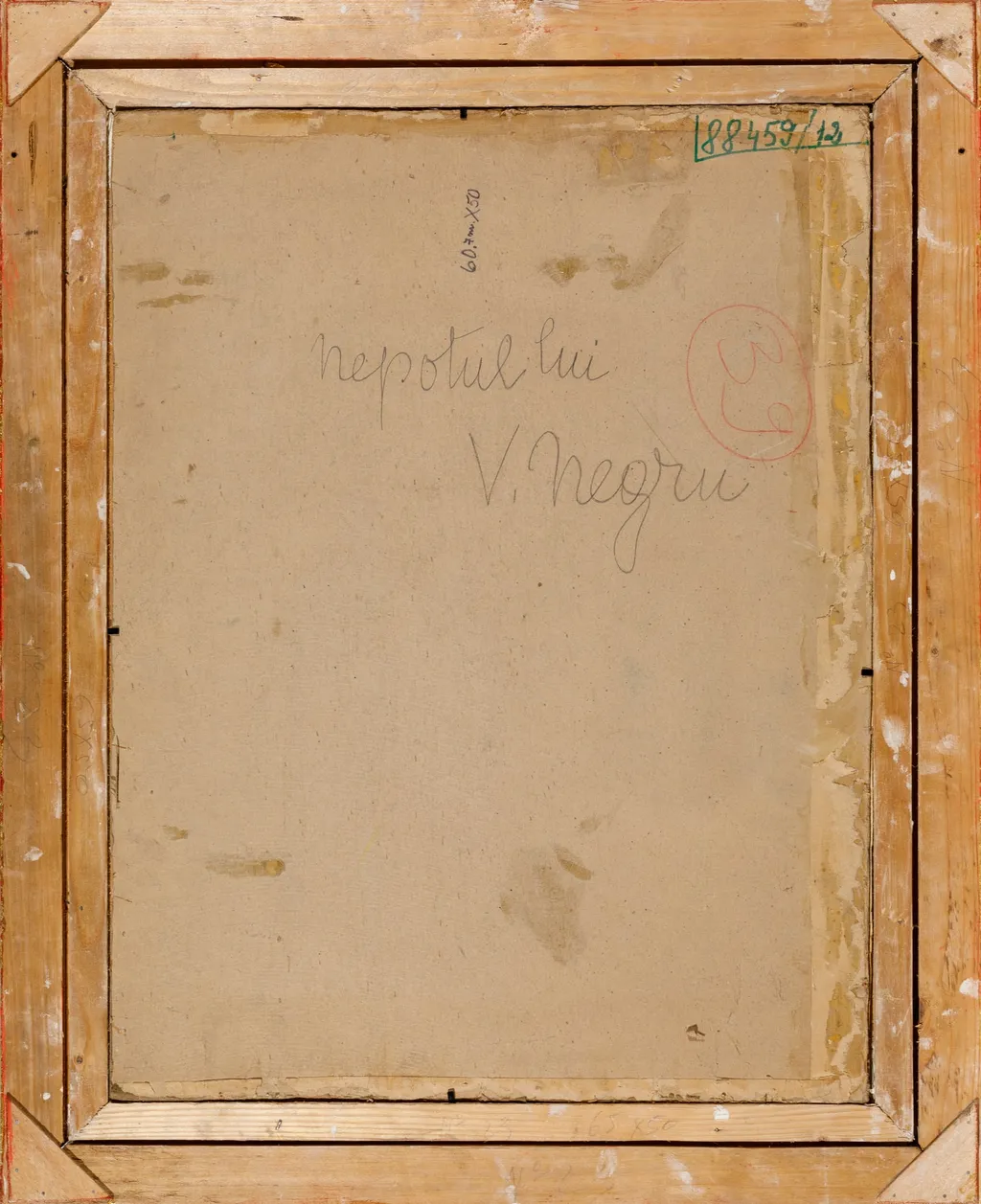
This work, dated around 1850, is attributed to Lucia Dem-Bălăcescu. It consists of an unprimed canvas within a weathered wooden frame, bearing no painted image. Pencil inscriptions on the surface identify the intended subject as 'nepotul lui V. Negru' and include the artist’s signature. The absence of visual content distinguishes it from conventional portraiture, suggesting an incomplete or abandoned project.
Subject & Meaning
The pencil notation references a male relative of V. Negru, likely a family member the artist intended to portray. The lack of imagery leaves the identity of the subject unresolved, but the personal notation implies a private, domestic context. The work may reflect an unfulfilled commission or a personal gesture that was never completed, preserving only the intention rather than the image.
Technique & Style
No paint was applied to the canvas, and the surface remains bare except for faint pencil markings. The framing is simple, with visible signs of age—flaking varnish, scuffs, and wear along the wood’s edges. The technique, or lack thereof, foregrounds the materiality of the support and the gesture of inscription, contrasting with the polished realism typical of Dem-Bălăcescu’s other works.
History & Provenance
The work’s origin lies within the artist’s personal circle, possibly linked to the Negru family. Its survival suggests it was retained despite its unfinished state, perhaps as a memento or record of an unexecuted plan. No documented exhibition or sale history exists prior to its modern recognition, indicating it remained in private hands for much of its existence.
Context
In mid-19th-century Romania, portraiture was often commissioned by middle- and upper-class families to affirm social standing. Dem-Bălăcescu, active in this milieu, typically produced formal likenesses. This unexecuted piece stands apart, revealing the gap between artistic intention and execution, and the informal, domestic nature of some commissions that never reached completion.
Legacy
The work’s significance lies in its silence—its emptiness invites reflection on absence, memory, and the fragility of artistic intent. It challenges conventional notions of completion and value in portraiture. Today, it serves as a quiet artifact of personal history, preserving the trace of a relationship and a moment when art was contemplated but never rendered.
Artist & collection