Artwork
Le Maraudeur (The Thief)
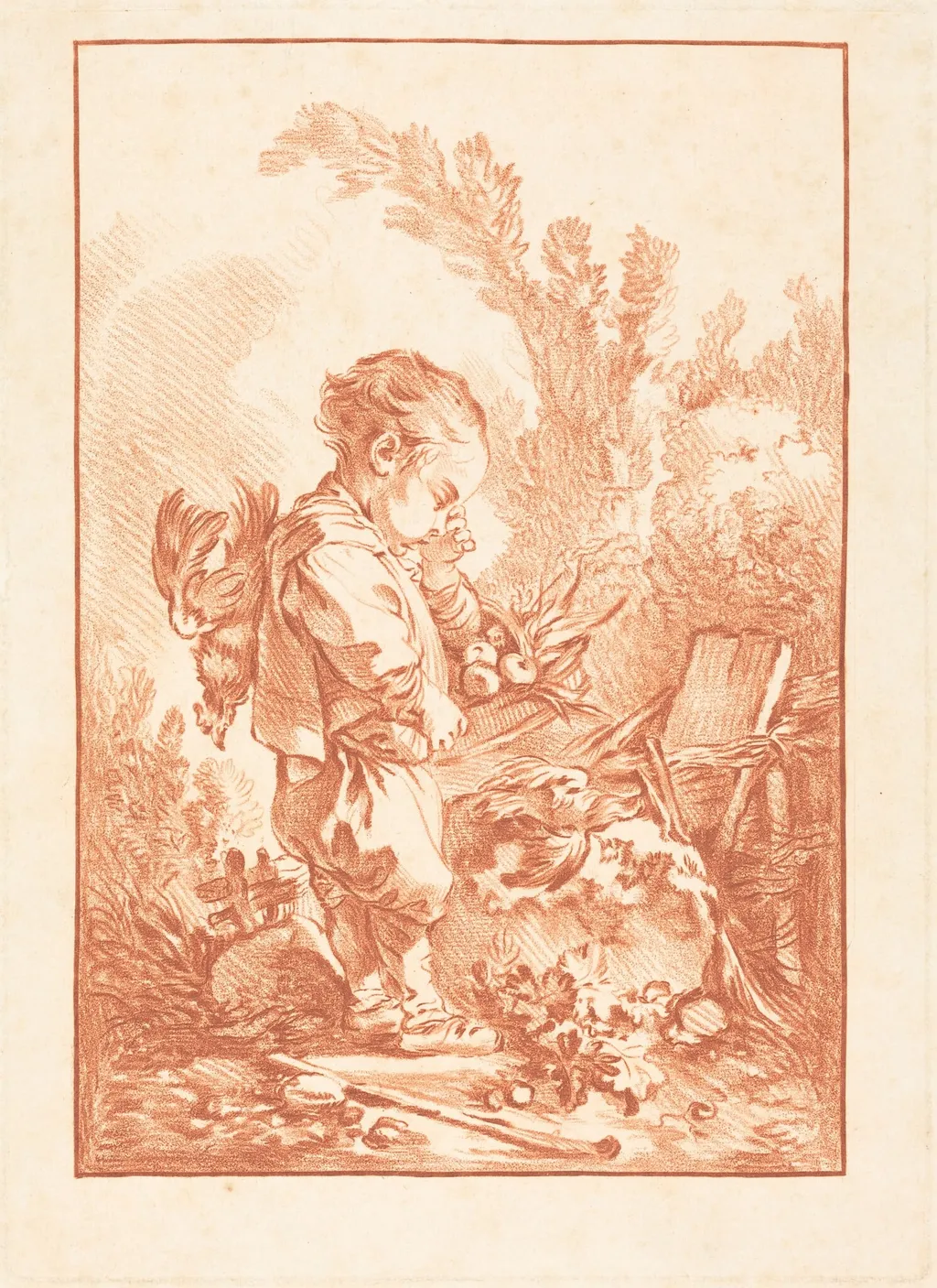
Le Maraudeur (The Thief) is a chalk print by the Romanticist artist Gilles Demarteau the Elder. It dates from 1769 and is held in the collection of the National Gallery of Art.
About this work
Overview
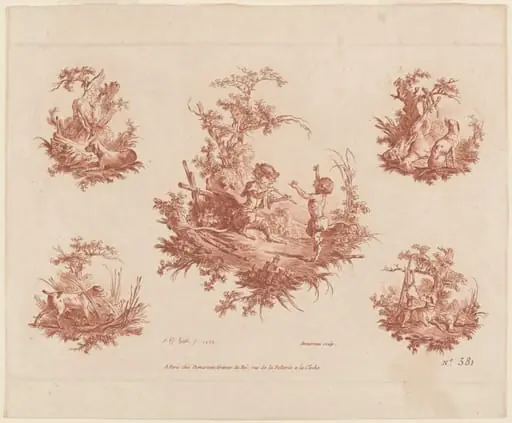
Le Maraudeur (The Thief) is a chalk-based print in red ink, produced by Gilles Demarteau the Elder around 1769. It belongs to a series of genre scenes that capture everyday moments with heightened emotional nuance. The work’s medium and tonal range reflect the technical precision of 18th-century French printmaking, particularly in its use of red chalk to evoke warmth and movement.
Subject & Meaning
The image portrays a young boy in rustic attire, standing in a wooded setting with a basket of fruit. His posture and expression suggest quiet cunning rather than overt theft. The scene avoids moral judgment, instead inviting contemplation of childhood autonomy and the subtle boundary between play and transgression. The setting grounds the moment in a natural, unidealized world.
Technique & Style
Demarteau employed red chalk to achieve a range of tones, using bold, fluid lines and layered hatching to model form and suggest texture. The ink’s warmth enhances the tactile quality of the boy’s clothing and the forest floor. Shading is expressive rather than naturalistic, emphasizing gesture and mood over precise detail, aligning with emerging sensibilities in pre-Romantic graphic art.
History & Provenance
It reflects the period’s interest in intimate, narrative-driven imagery, distinct from grand historical or mythological subjects.
Created during Demarteau’s tenure as a leading engraver for French decorative arts publishers, the print was likely part of a broader series of genre scenes circulated among collectors. It reflects the period’s interest in intimate, narrative-driven imagery, distinct from grand historical or mythological subjects. Its survival in multiple institutional collections indicates early recognition of its artistic merit.
Context
In the decades before the French Revolution, there was growing cultural interest in depictions of ordinary life, particularly those infused with emotional authenticity. Demarteau’s work responded to this shift, moving away from aristocratic themes toward scenes of rural and lower-class figures. The use of red ink, uncommon in printmaking at the time, signaled a deliberate aesthetic choice to evoke immediacy and feeling.
Legacy
Le Maraudeur exemplifies a transitional moment in print culture, bridging Rococo delicacy and Romantic sensibility. While not widely known today, it influenced later artists interested in the expressive potential of chalk and monochrome ink. Its quiet psychological depth contributed to a broader redefinition of what constituted worthy subject matter in graphic arts during the late 18th century.
Artist & collection


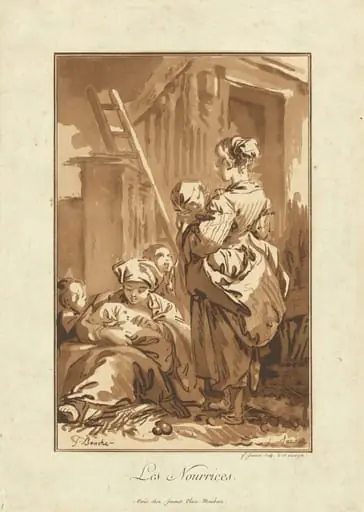 Les Nourrices (The Nurses)
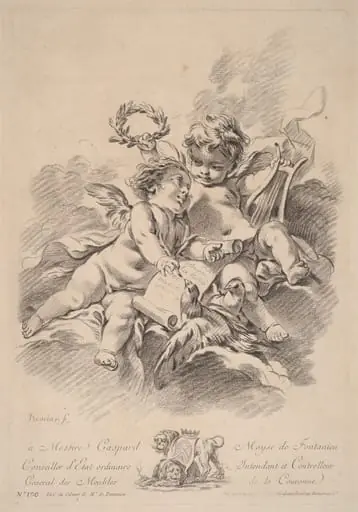 Allegory of Music with Two Cherubs and Doves (100)
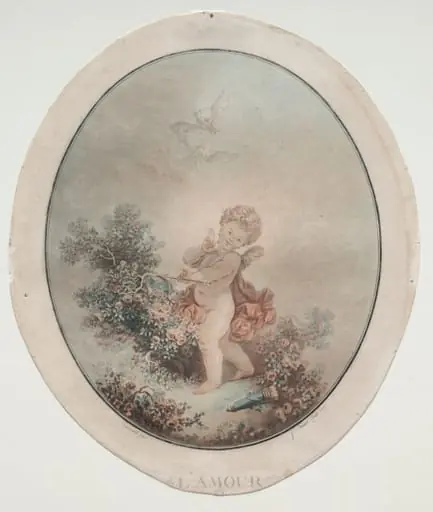 Cupid
Cupid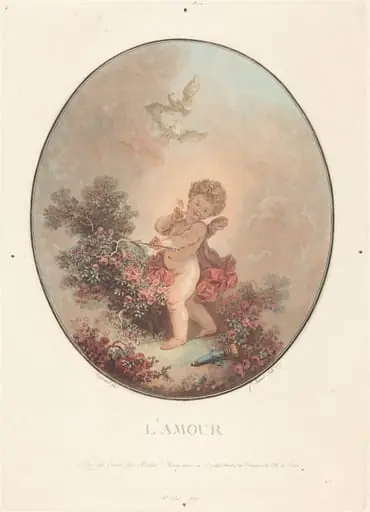 L'amour
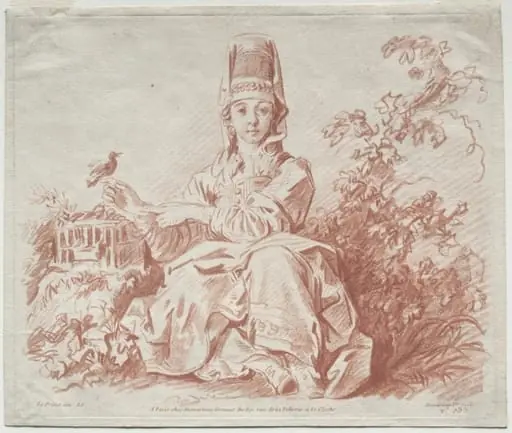 Young Girl Holding a Bird
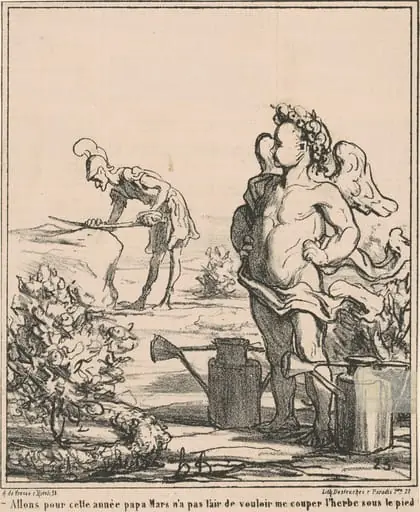 Allons pour année papa mars ...
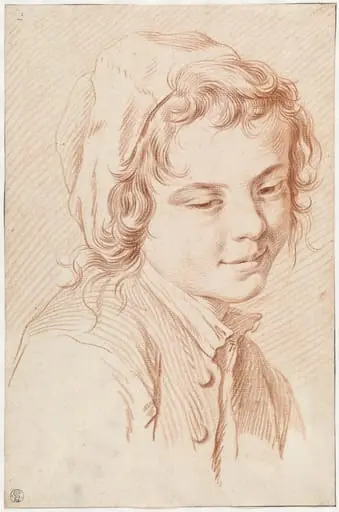 Head of a Boy
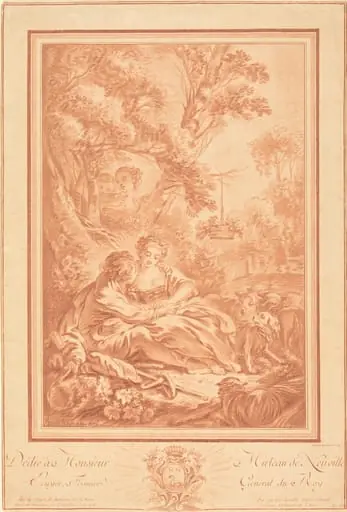 Two Lovers Seated at the Foot of a Large Tree, Surprised by Two Girls
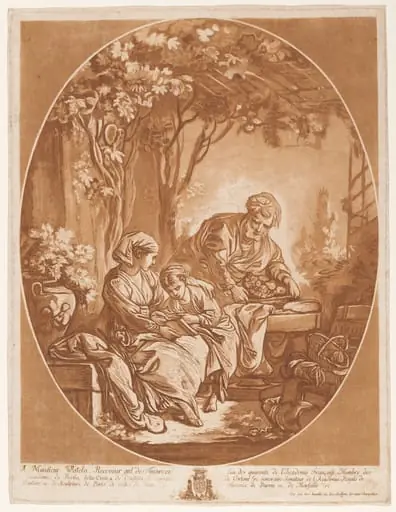 Education of the Virgin
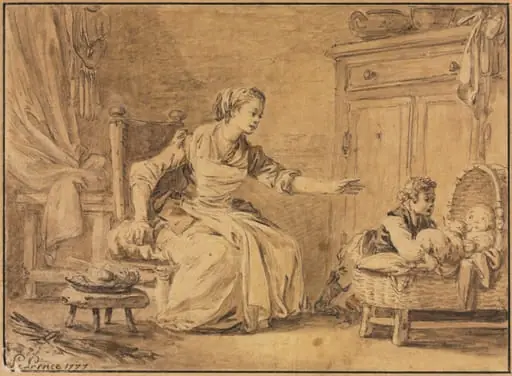 Maternal Solicitude
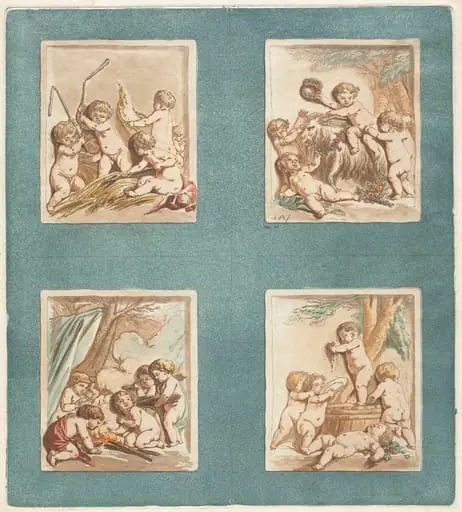 The Four Seasons
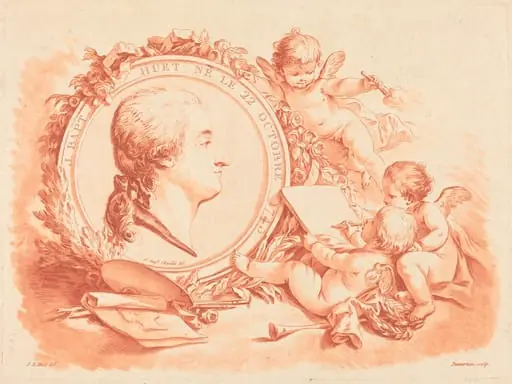 Allegorical Portrait of Jean-Baptiste Hüet