Artwork
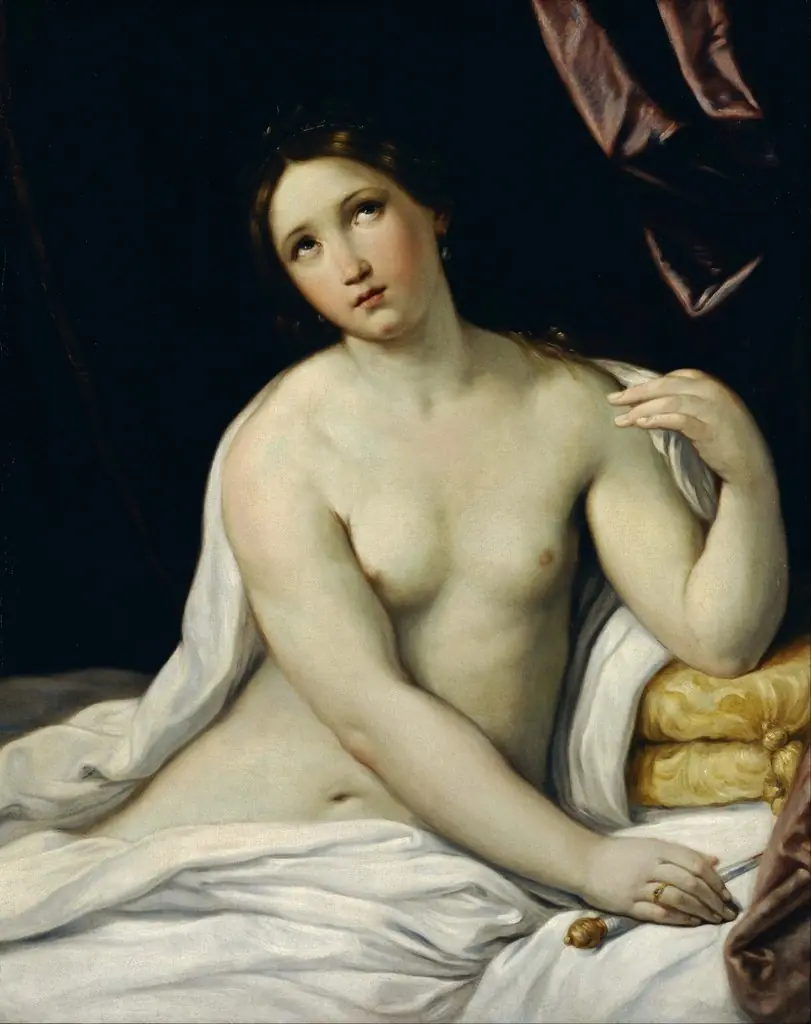
Death of Cleopatra
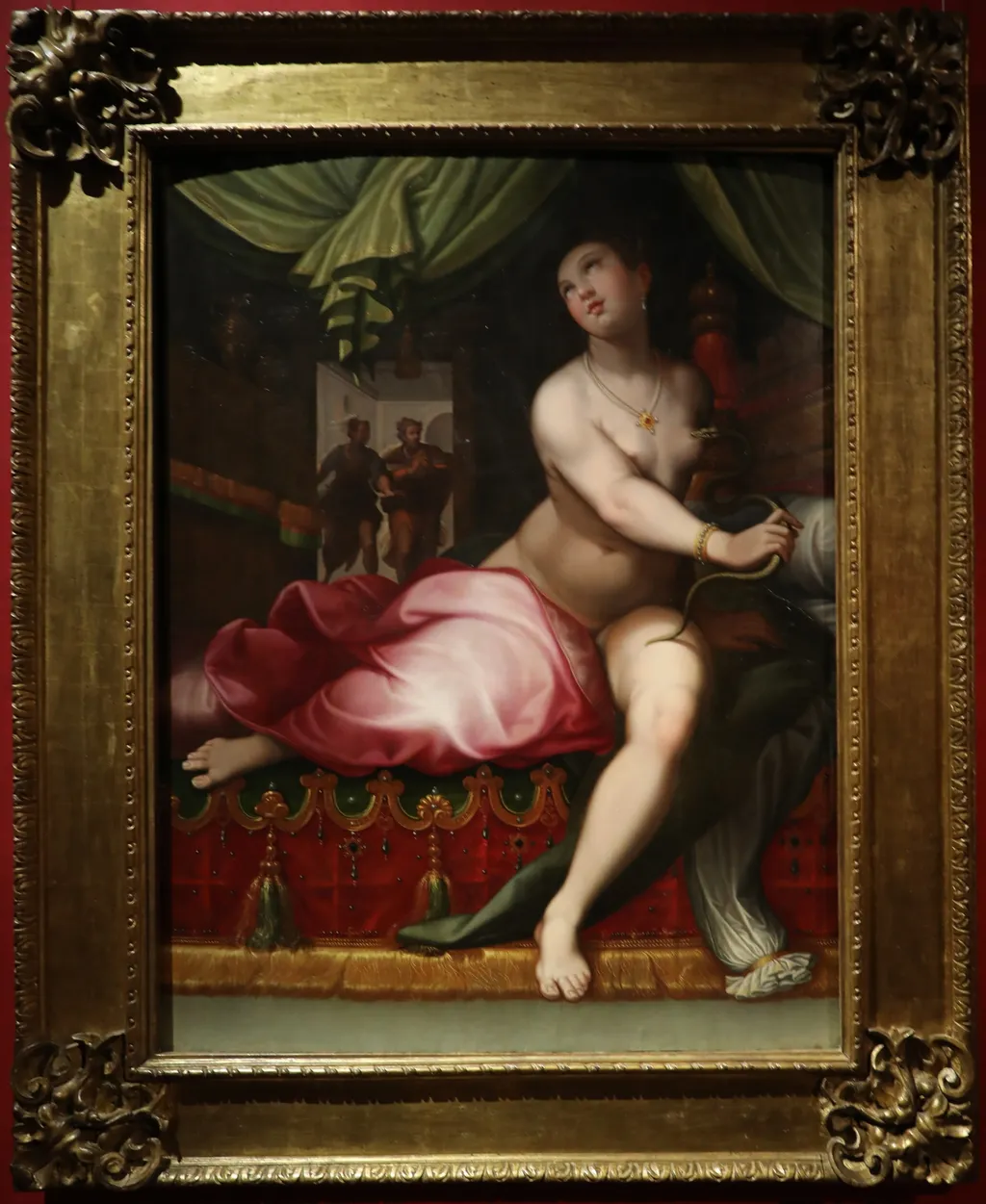
Death of Cleopatra is an oil painting by the Flemish Baroque painting artist Denys Calvaert. It dates from 1550 and is held in the collection of the Uffizi Gallery.
About this work
Overview
Painted around 1550 by Denys Calvaert, this oil-on-canvas work portrays the final moments of Cleopatra’s life.
Painted around 1550 by Denys Calvaert, this oil-on-canvas work portrays the final moments of Cleopatra’s life. It is part of the Uffizi Gallery’s collection in Florence. The composition centers on the Egyptian queen in a moment of quiet resignation, rendered with attention to texture and color to convey both luxury and solemnity. The scene avoids dramatic spectacle, instead emphasizing stillness and introspection.
Subject & Meaning
The painting illustrates Cleopatra’s suicide by asp bite, a moment traditionally associated with defiance and tragedy. Here, however, her expression is composed, her posture relaxed, suggesting acceptance rather than anguish. The snake, pressed gently against her chest, becomes a symbol of controlled surrender. Her adornments—gold jewelry and a draped pink skirt—evoke her royal status even in death, reinforcing themes of dignity amid downfall.
Technique & Style
Calvaert employs rich, saturated hues—deep reds, warm golds, and dark greens—to create a sense of opulence and depth. The figure is rendered with soft modeling, her skin rendered in delicate tones against the textured fabric of the couch and curtains. The background features a painted inset of three male figures, adding narrative layering. The brushwork is precise yet unobtrusive, favoring clarity over emotional intensity.
History & Provenance
The painting entered the Medici collection in the 16th century and has remained in Florence’s public holdings since. Its attribution to Denys Calvaert, a Flemish artist active in Bologna, reflects the international exchange of artistic styles in Renaissance Italy. Though not widely exhibited in its time, it was preserved as part of the Uffizi’s growing collection of historical and mythological subjects.
Context
Created during the mid-16th century, the work aligns with a broader European interest in classical antiquity and tragic female figures. While many contemporaries depicted Cleopatra’s death with chaos or horror, Calvaert’s version reflects a more restrained, humanist approach. The inclusion of a painted frame within the painting hints at the period’s fascination with layered narratives and self-referential art.
Legacy
The painting remains a quiet example of Mannerist sensibility, where emotional restraint and refined composition take precedence over theatricality. It contributes to the understanding of how Renaissance artists interpreted ancient history through personal, intimate lenses. Though not widely reproduced, it continues to be studied for its subtle treatment of death and royalty in early modern European art.
Artist & collection

Artist
Denis Calvaert was an Antwerp-born Flemish painter who spent most of his life in Italy, where he was known as Dionisio Fiammingo or simply Il Fiammingo.

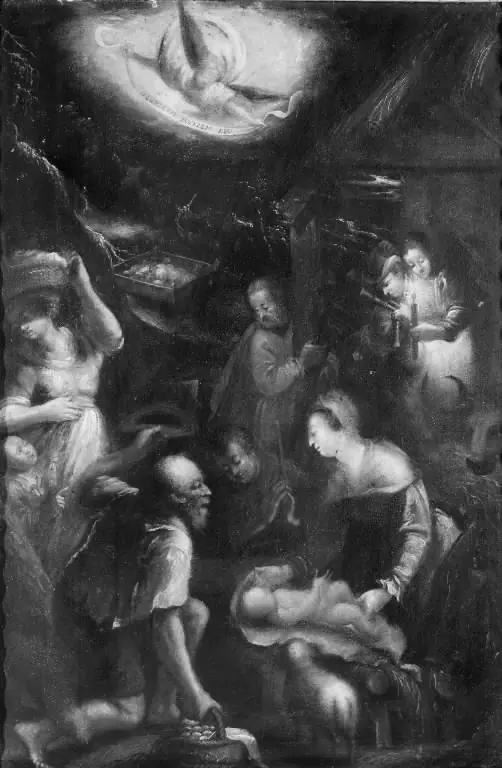 The Adoration of the Shepherds
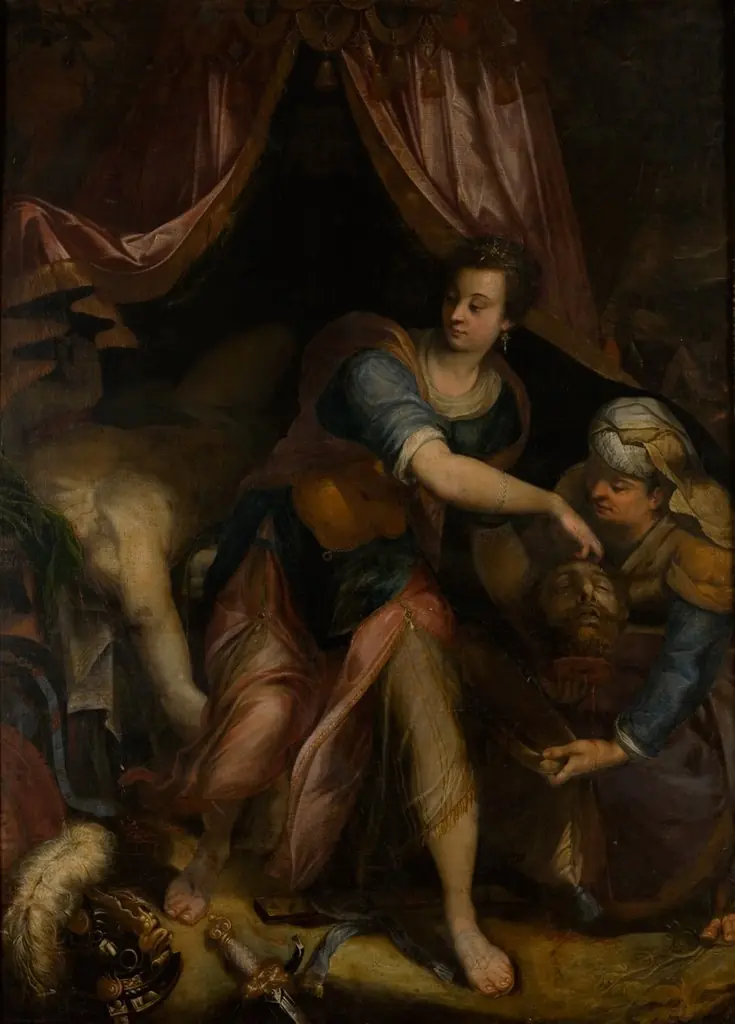 Judith with the Head of Holofernes
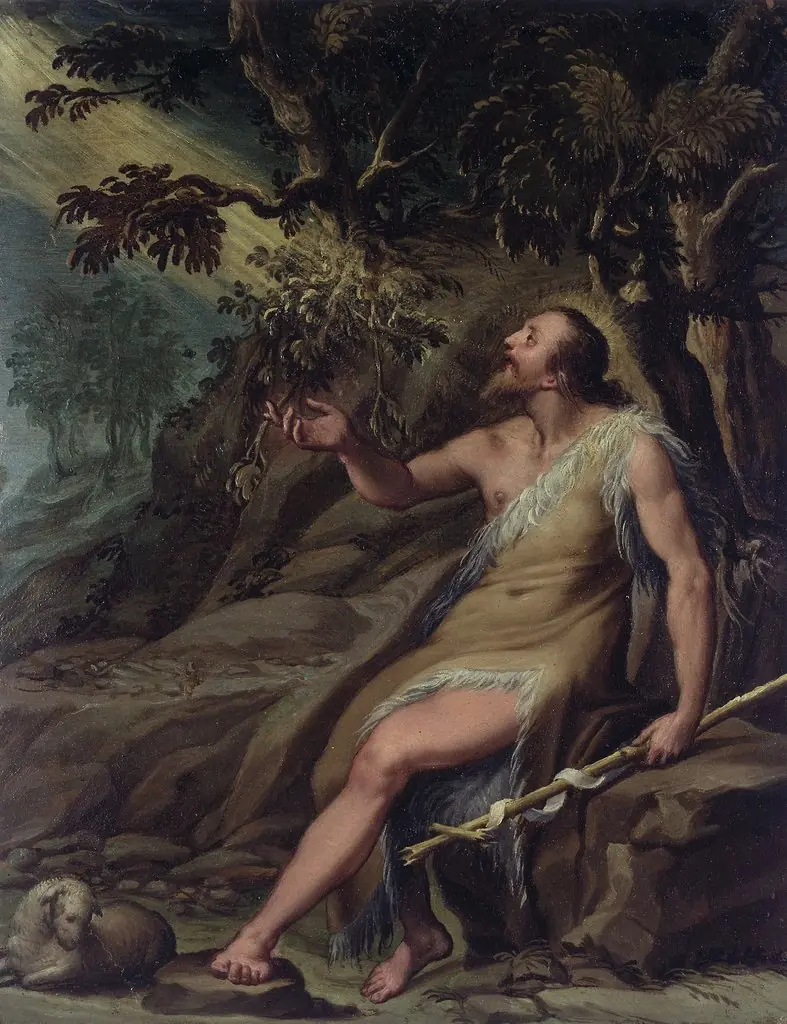 Saint John the Baptist in the Wilderness
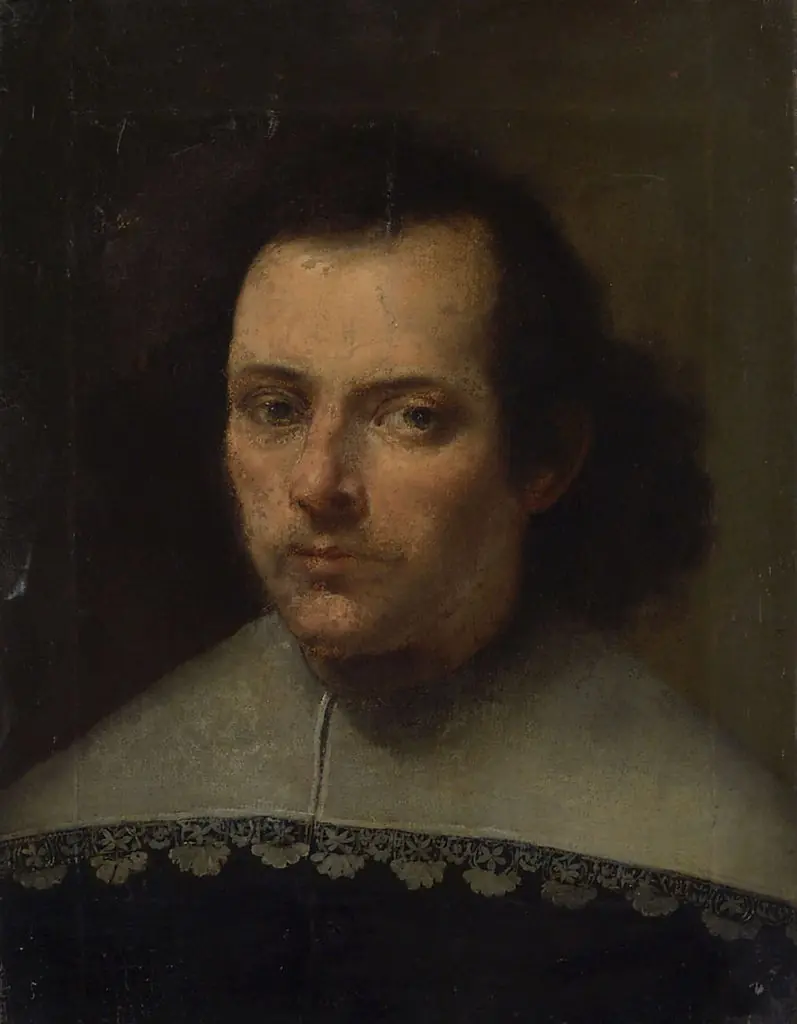 Männliches Bildnis
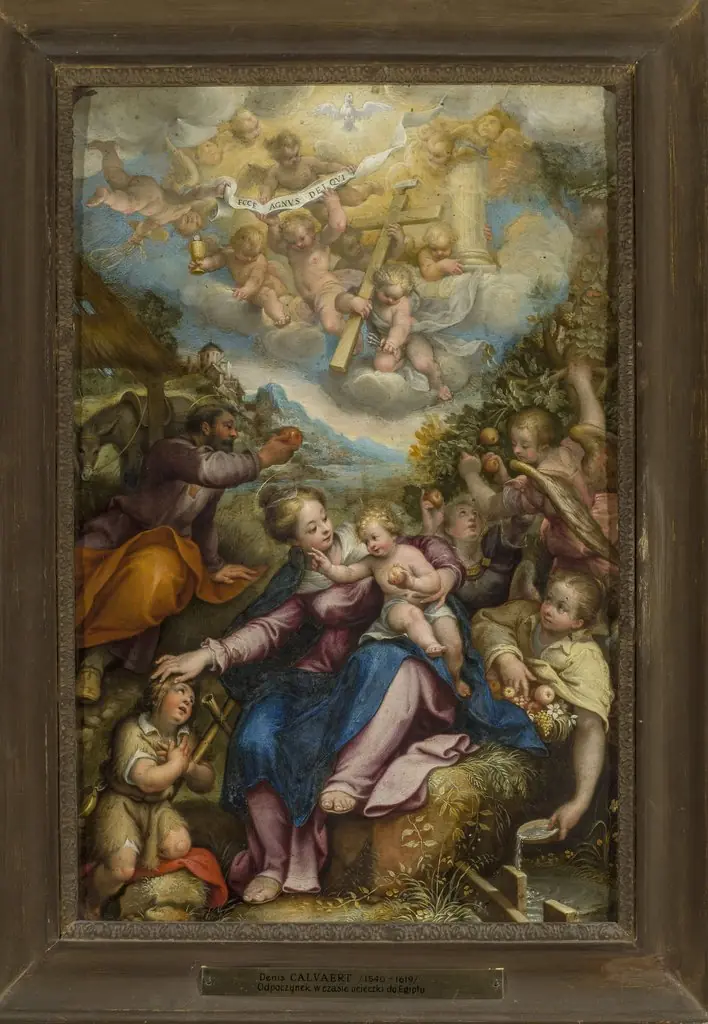 Rest during the flight to Egypt
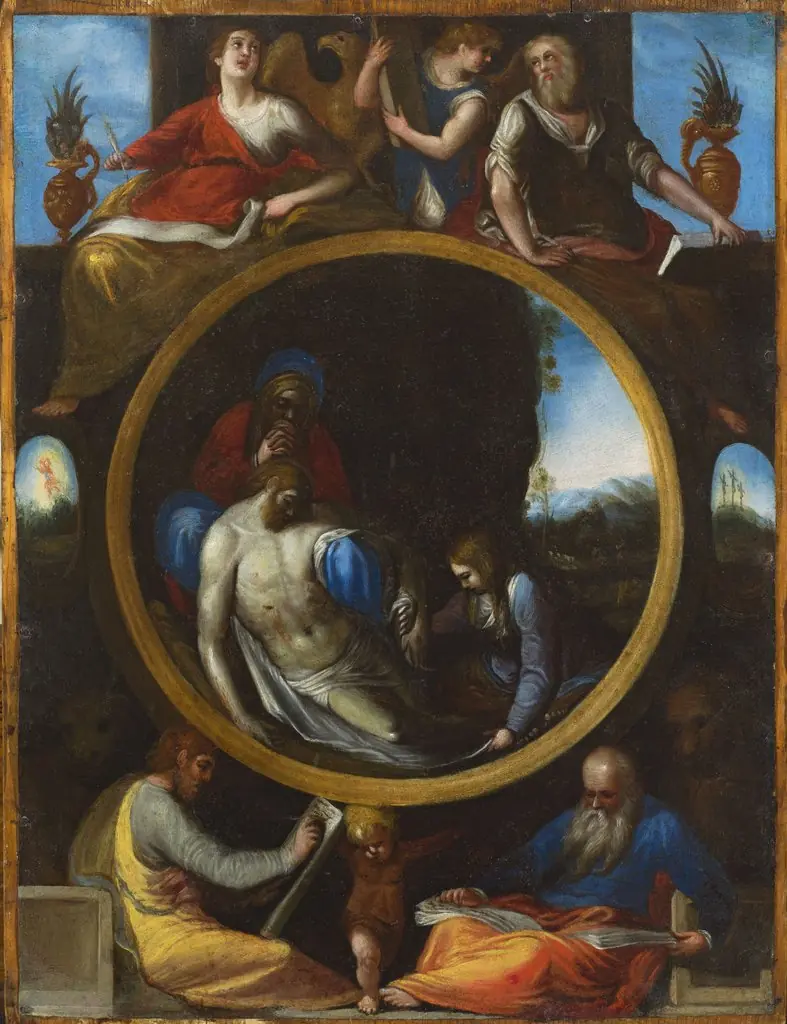 Mourning
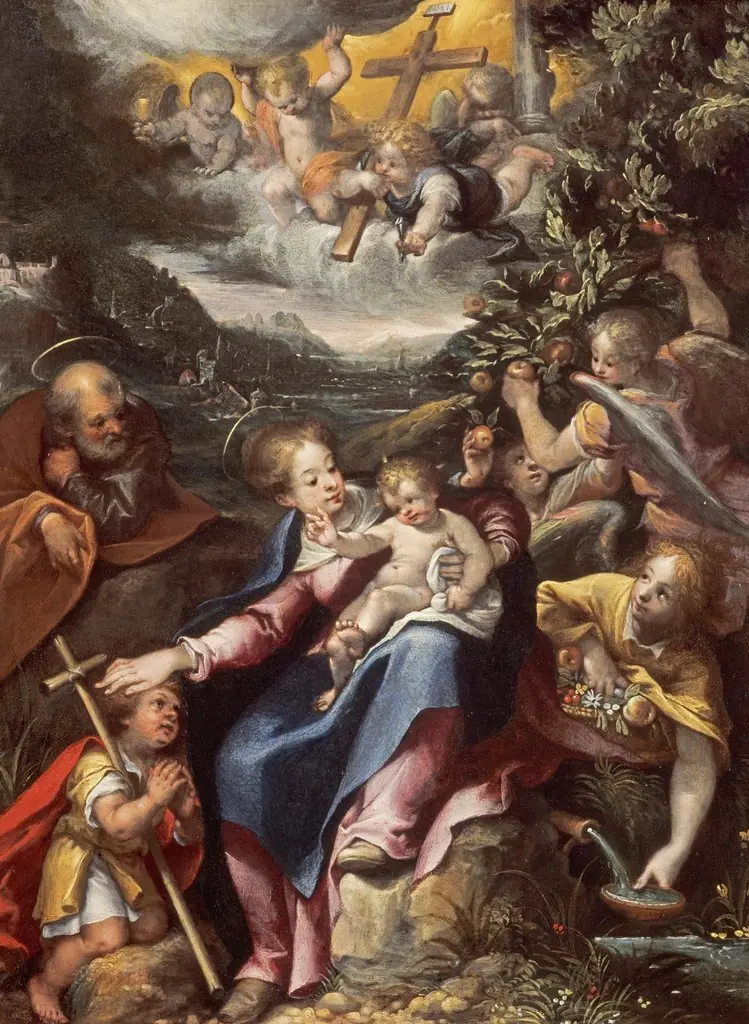 The Holy Family with the Infant Saint John the Baptist in a Landscape
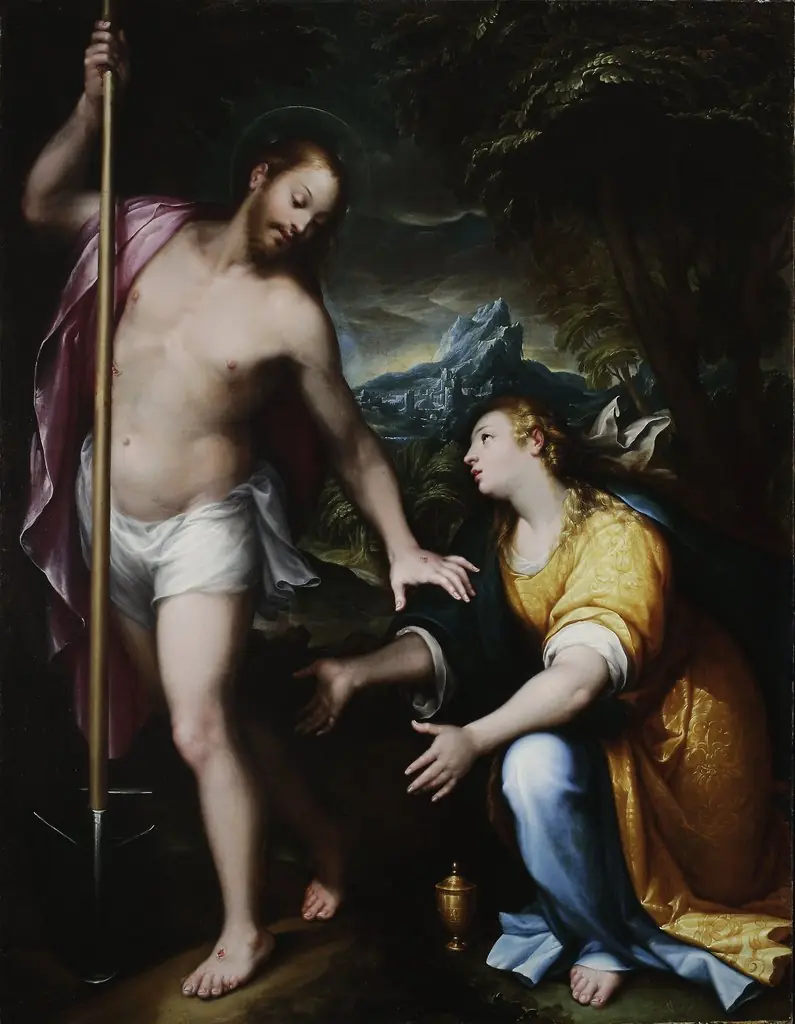 “Noli me tangere” – Resurrected Christ appearing to Mary Magdalene (John 20:14-17)