Artwork
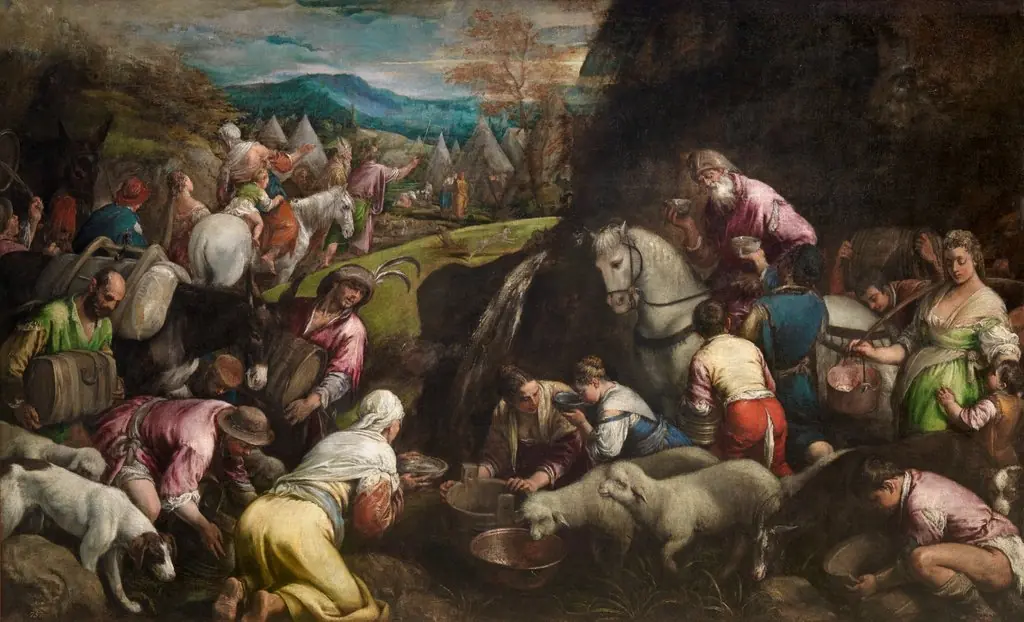
La recogida del maná
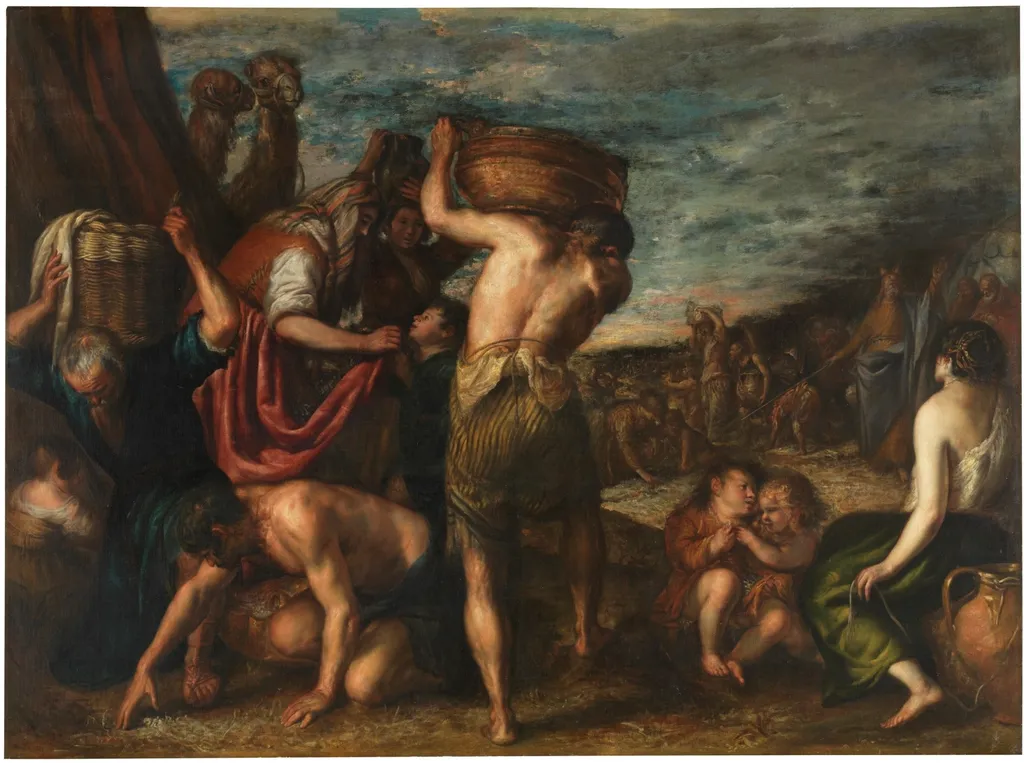
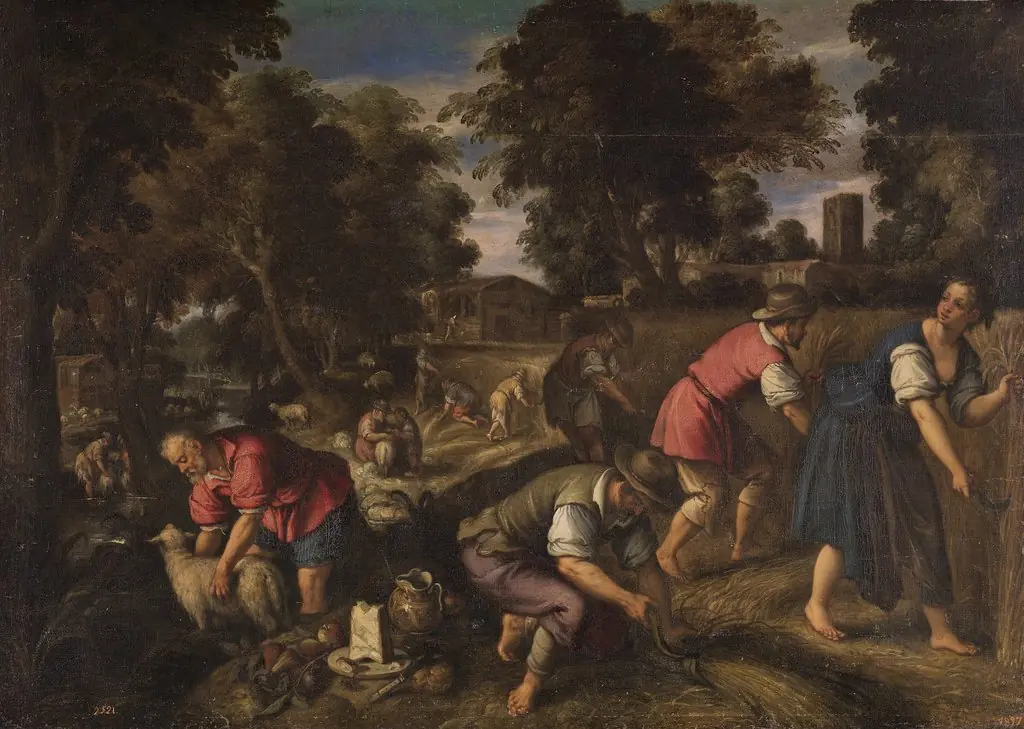
La recogida del maná is an oil painting by the Early Baroque Italian artist Diego Polo the Younger. It dates from 1626 and is held in the collection of the Museo del Prado.
About this work
Overview
Painted in 1626 by Diego Polo the Younger, this oil-on-canvas work illustrates the biblical episode of the Israelites gathering manna in the wilderness.
Painted in 1626 by Diego Polo the Younger, this oil-on-canvas work illustrates the biblical episode of the Israelites gathering manna in the wilderness. Executed during the artist’s early career, it reflects the influence of Italian Baroque tendencies absorbed in Spain. Polo, trained under Antonio Lanchares and nephew of a fellow painter, produced religious subjects for Madrid’s churches, with this piece among his earliest documented works.
Subject & Meaning
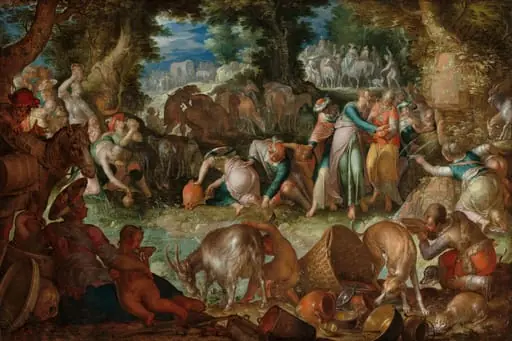
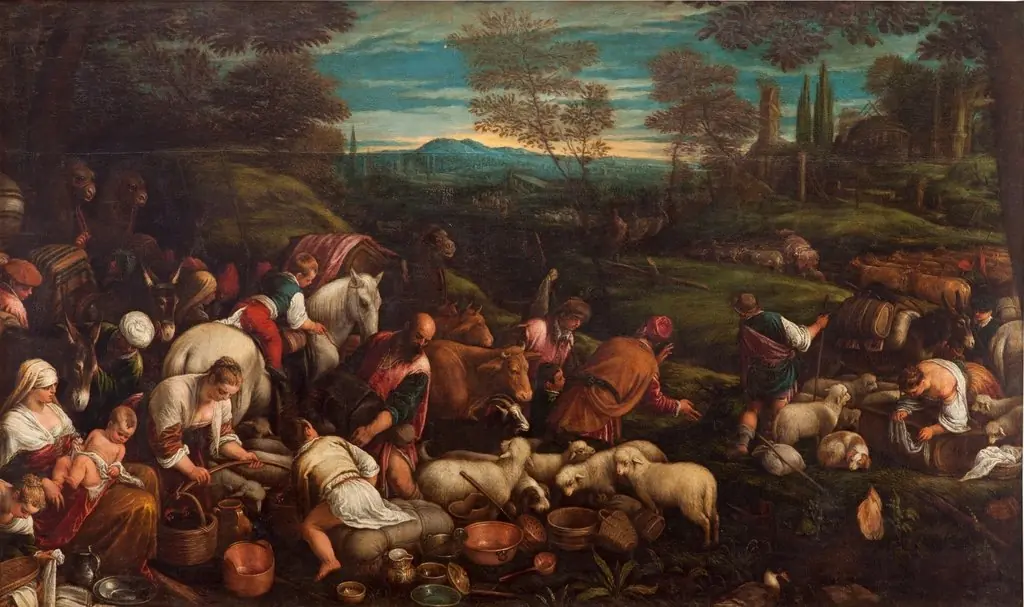
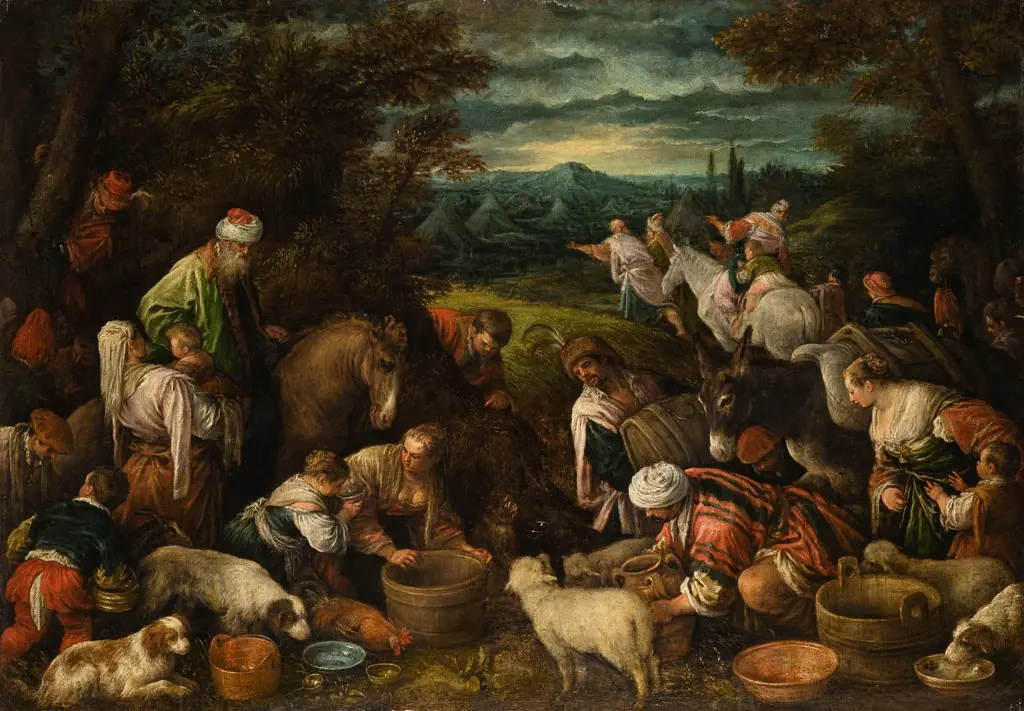
The scene captures the moment described in Exodus, when the Israelites collect manna, a divine sustenance sent by God after their escape from Egypt. Figures are shown in active, laborious motion—some hauling baskets, others stooping or reaching—emphasizing the urgency and physical strain of survival. The composition conveys both gratitude and hardship, framing the miracle as an everyday act of communal endurance rather than a distant divine spectacle.
Technique & Style
Polo employs chiaroscuro to heighten drama, contrasting sharply lit figures against deep shadows. The central figure, shirtless and straining under a heavy load, is illuminated as a focal point, while surrounding forms recede into darkness. The rough textures of clothing and the uneven ground are rendered with tactile immediacy. The brushwork is direct and unpolished, prioritizing emotional intensity over idealized form, aligning with the Baroque preference for visceral realism.
History & Provenance
Created shortly after Polo’s training, the painting likely originated as a devotional commission for a Madrid church, consistent with his known patronage. No early ownership records survive, but its style and subject align with other religious works he produced for Spanish ecclesiastical settings. It remained in Spain throughout its documented history, with no evidence of export or major collection transfers before the 20th century.
Context
In mid-17th century Spain, religious imagery was central to artistic production, especially under Counter-Reformation pressures. Artists were expected to convey biblical narratives with clarity and emotional weight. Polo’s work fits within this tradition, drawing from Italian models like Caravaggio but filtered through a distinctly Spanish sensibility—less theatrical, more grounded in the physical reality of the faithful.
Legacy
Though not widely exhibited today, the painting represents an early example of Baroque naturalism in Spanish religious art. Polo’s approach—emphasizing labor, light, and emotional immediacy—reflects a broader shift away from Mannerist elegance toward a more human-centered depiction of sacred events. His oeuvre, though modest in scale, contributes to understanding how Italian influences were adapted in provincial Spanish workshops.
Own this work as a print
Artist & collection
Artist
Diego Polo the Younger (1620–1655) was a Spanish painter of the Baroque period. He was the nephew of the elder Diego Polo. He was born in Burgos. He was a scholar of Antonio Lanchares. He painted several pictures for…