Artwork
The Deluge
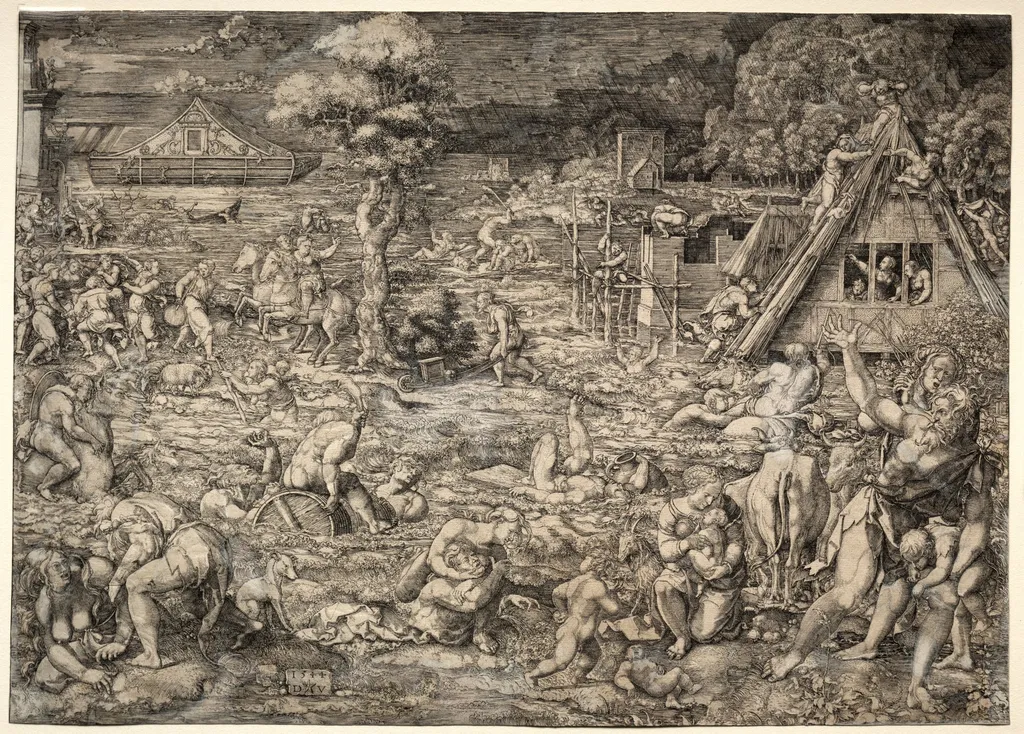
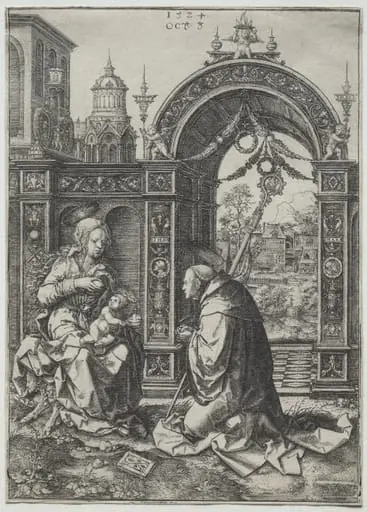
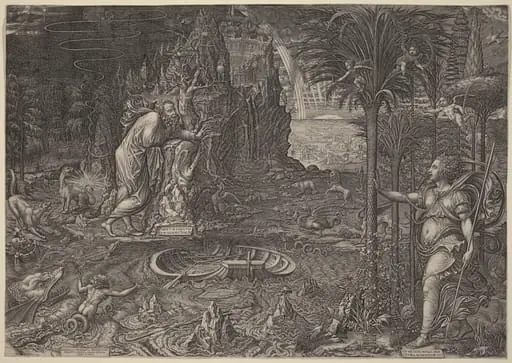
The Deluge is a print by the Renaissance artist Dirck Vellert. It dates from 1544 and is held in the collection of the Cleveland Museum of Art.
About this work
Overview
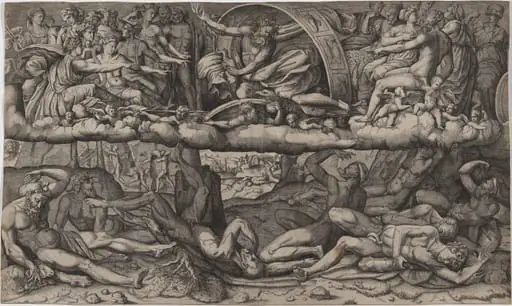
Created in 1544 by Dutch printmaker Dirk Vellert, The Deluge is a woodcut depicting the biblical flood. It is part of the collection at The Cleveland Museum of Art. The composition captures a moment of violent upheaval, with human and animal figures entangled in desperate motion. The scene is densely packed, conveying the overwhelming force of nature and the fragility of human effort against it.
Subject & Meaning
Its branches, laden with clinging bodies, suggest the last desperate grasp at survival amid universal destruction.
The work illustrates the story of Noah’s Flood from Genesis, where divine judgment sweeps away corrupt humanity. Figures scramble in panic—climbing, falling, reaching—emphasizing helplessness before catastrophe. The central tree, a symbol of both refuge and futility, becomes a visual anchor for the chaos. Its branches, laden with clinging bodies, suggest the last desperate grasp at survival amid universal destruction.
Technique & Style
Vellert employed woodcut printing to achieve sharp contrasts and intricate detail. Bold black lines define figures and forms, while areas of negative space heighten the sense of turmoil. The interplay of light and shadow, though achieved through line rather than tone, mimics chiaroscuro, lending dramatic depth. Overlapping bodies and compressed space create a sense of claustrophobic urgency, characteristic of Northern Renaissance narrative prints.
History & Provenance
The print was produced in the mid-16th century in the Southern Netherlands, a region known for its active print culture. Vellert, based in Antwerp, was among the leading woodcut artists of his time. The Cleveland Museum of Art acquired the work as part of its broader collection of Northern European prints, preserving it as an example of religious storytelling through print media in the Reformation era.
Context
During the 1540s, religious imagery in the Low Countries was shaped by both Catholic tradition and emerging Protestant thought. While the Reformation discouraged elaborate church decoration, biblical narratives remained popular in prints for private devotion. The Deluge reflects a continued interest in moral and apocalyptic themes, offering viewers a visceral reminder of divine justice and human frailty.
Legacy
Vellert’s The Deluge stands as a significant example of narrative woodcut in 16th-century Europe. Its emotional intensity and compositional complexity influenced later artists working in print. Though not widely reproduced in modern scholarship, it remains a compelling artifact of how religious stories were visually translated for a literate, devotional public during a time of profound theological change.
Artist & collection