Artwork
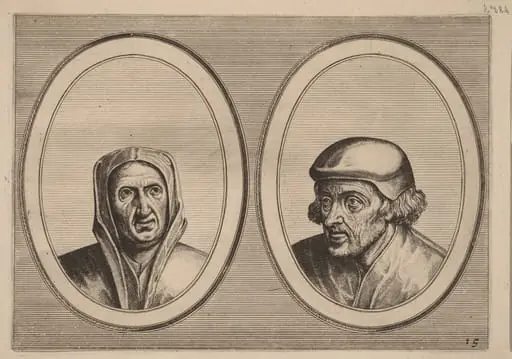
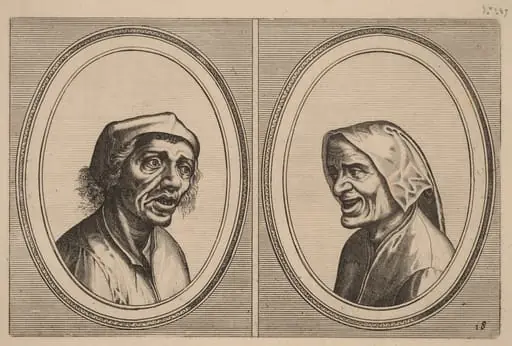
"Susanna Smuls" and "Leuye Joost"
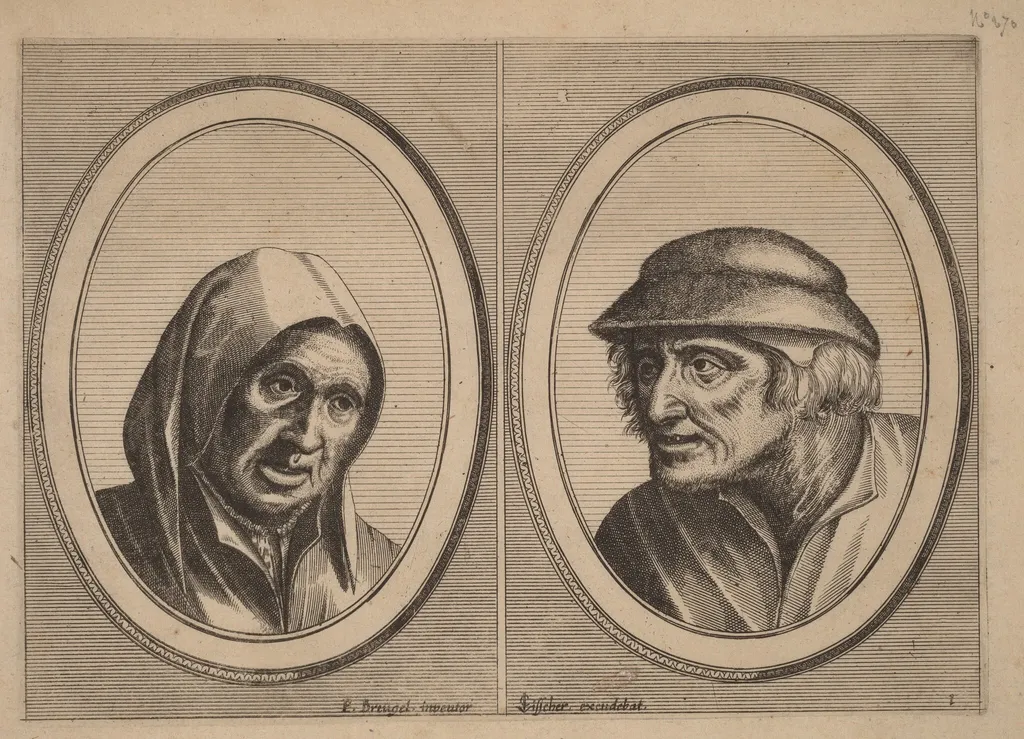
"Susanna Smuls" and "Leuye Joost" is an ink print by the Renaissance artist Lucas van Doetechum. It dates from 1564 and is held in the collection of the National Gallery of Art.
About this work
Overview
Created around 1564, this etching by Lucas van Doetechum presents two individual portraits in black and white, arranged side by side.
Created around 1564, this etching by Lucas van Doetechum presents two individual portraits in black and white, arranged side by side. Each face is enclosed within an oval frame adorned with a finely textured edge. The composition emphasizes precision and restraint, typical of Northern European printmaking of the period. The artist’s signature appears in each corner, affirming authorship and intentionality in the work’s production.
Subject & Meaning
The two figures, identified as Susanna Smuls and Leuye Joost, are depicted with individualized features suggesting personal identity rather than idealized types. The woman on the left, with a dark collar and upward gaze, conveys quiet dignity; the man on the right, wearing a low-crowned hat and bearing a lined, bearded face, suggests age and experience. Their pairing may reflect social or familial connection, though no explicit narrative is given beyond their names and likenesses.
Technique & Style
The portraits were executed using etching, a method involving acid-bitten lines on a metal plate to produce fine, controlled detail. The artist employed delicate hatching and cross-contour lines to model facial structure and texture, particularly in the beard and collar. The oval frames and border patterns are rendered with consistent precision, indicating careful planning and technical mastery within the constraints of the medium.
History & Provenance
The etching dates to the mid-16th century, a period when portrait prints were increasingly used to document individuals beyond the aristocracy. While specific early ownership records are unverified, the work aligns with the Dutch and Flemish tradition of producing small-scale, signed portraits for private circulation. Its survival suggests it was valued as a personal or commemorative object rather than a mass-produced image.
Context
In the 1560s, etching emerged as a favored medium among Northern artists for its ability to capture subtle facial expressions and textures. Unlike painted portraits, prints like this one could be reproduced and distributed more widely, making them accessible to merchants and professionals. This work reflects a growing cultural interest in individual identity and the documentation of non-noble subjects during the Renaissance.
Legacy
Though not widely known today, this etching exemplifies the quiet documentary power of 16th-century printmaking. It contributes to a broader understanding of how ordinary individuals were visually recorded outside of religious or royal contexts. Van Doetechum’s attention to personal detail in these portraits influenced later generations of printmakers who sought to capture human character with similar restraint and clarity.
Artist & collection


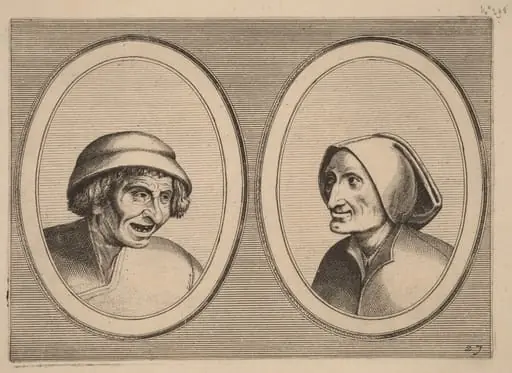 "Keesje Licht-hart" and "Verblinde Swaen"
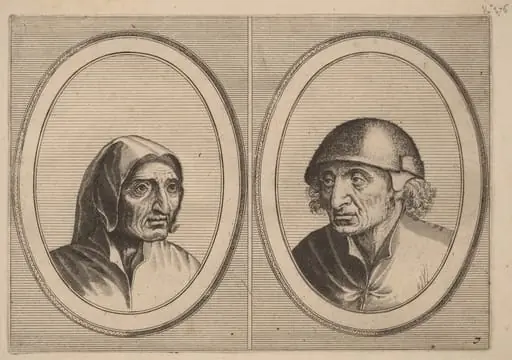 "Rijckje Schimmel-penninghs" and "Lubbert Leever-worst"
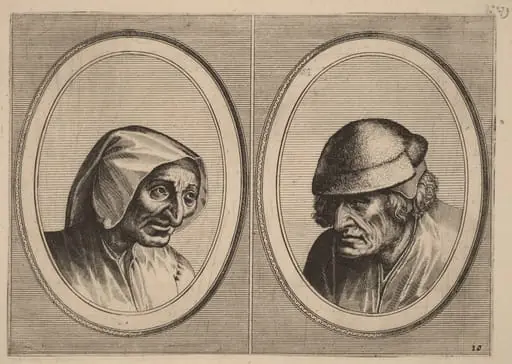 "Verdorde Nel" and "Jan Afterlam"
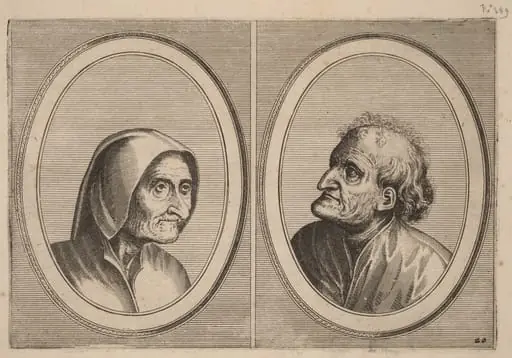 "Ritze Stijn" and "Schurckje Sonder-Baerdt"
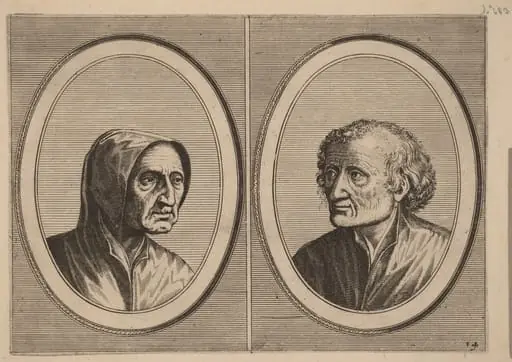 "Erlijcke Lyn" and "Snoepighe Steeve"
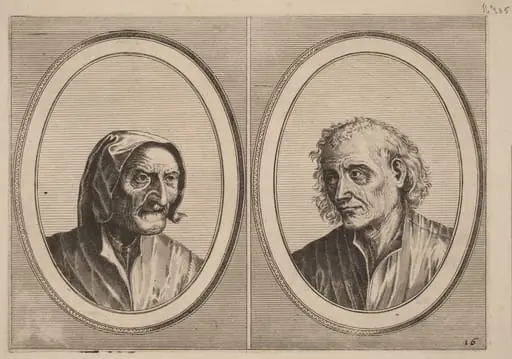 "Foockel Frons-muyl" and "Pietje Hard-loop"
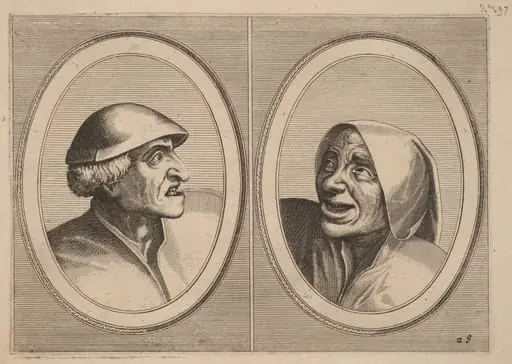 "Dief-achtighe Tijs" and "Nies Spoel-de-Nap"
 "Goe Geurtjen" and "Kribbighe Babbe"
 "Ael Pieter-mans" and "Bedorve Sloof om't Geldt"