Artwork
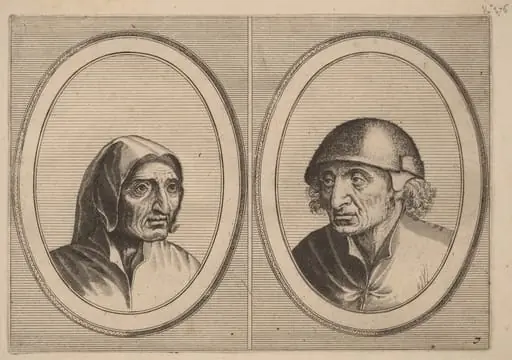
"Ael Pieter-mans" and "Bedorve Sloof om't Geldt"
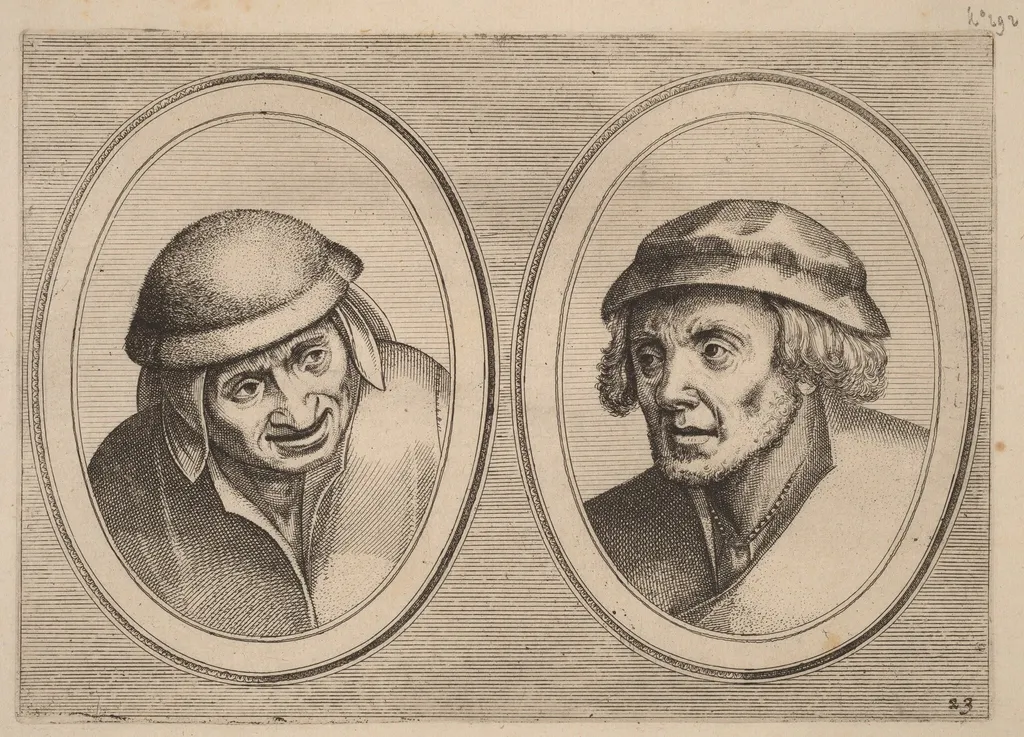
"Ael Pieter-mans" and "Bedorve Sloof om't Geldt" is an ink print by the Renaissance artist Johannes van Doetechum the Elder. It dates from 1564 and is held in the collection of the National Gallery of Art.
About this work
Overview
Van Doetecum, active in the mid-16th century, specialized in reproductive engravings and cartography.
Created around 1564 by Johannes van Doetecum the Elder, this pair of etchings—*Ael Pieter-mans* and *Bedorve Sloof om’t Geldt*—are part of a small group of prints capturing Dutch proverbs and character types. Van Doetecum, active in the mid-16th century, specialized in reproductive engravings and cartography. These works reflect his engagement with popular visual culture, translating spoken idioms into visual form through precise line work and restrained tonal modeling.
Subject & Meaning
The two portraits depict stylized male figures, likely representing archetypal Dutch personalities tied to proverbs. Their names suggest references to local sayings about greed or foolishness, common in 16th-century Netherlandish culture. The faces, framed in ovals, convey individuality without caricature—each expression is subtly nuanced, hinting at irony or quiet amusement. The pairing invites comparison, reinforcing the proverbial nature of the subjects through visual contrast.
Technique & Style
Van Doetecum employed fine, controlled etching lines to define facial contours, using cross-hatching to model shadows beneath chins and noses. The texture of the paper enhances the tactile quality of the print, while the uneven edges suggest hand-cut margins typical of early print production. The dark, clean lines and minimal tonal range reflect a deliberate restraint, prioritizing clarity and legibility over dramatic effect.
History & Provenance
Van Doetecum worked primarily in Haarlem after relocating there in 1578, though these etchings predate his move. They were likely produced in Antwerp or another Flemish center known for print circulation. No definitive early ownership records survive, but similar prints circulated widely among collectors and artisans, contributing to the dissemination of Netherlandish visual idioms across Europe.
Context
These etchings emerged during a period when Dutch and Flemish artists increasingly turned to everyday life and vernacular wisdom as subjects. Proverbial imagery, popularized by Pieter Bruegel the Elder, was adapted by printmakers like Van Doetecum for broader audiences. The focus on facial types rather than narrative scenes reflects a shift toward symbolic representation, aligning with growing literacy and the rise of printed moral instruction.
Legacy
Though not widely attributed to Van Doetecum today, these etchings exemplify the role of reproductive printmaking in preserving and transmitting cultural motifs. Their restrained aesthetic and proverbial content influenced later genre prints and contributed to the visual vocabulary of Northern European satire. They remain valuable as artifacts of how language and identity were rendered in early modern print culture.
Artist & collection

Artist
Johannes van Doetechum the Elder
Joannes van Doetecum the Elder (1530 – 1605) was a Dutch engraver-cartographer known for his etched works after genre scenes by Pieter Bruegel the Elder and maps of various cities in the Netherlands.

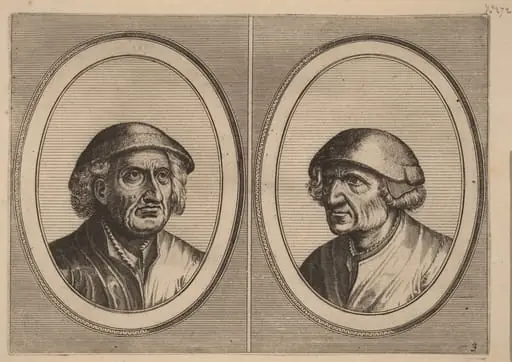
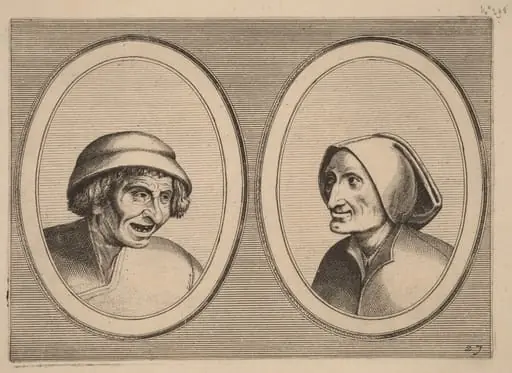 "Keesje Licht-hart" and "Verblinde Swaen"
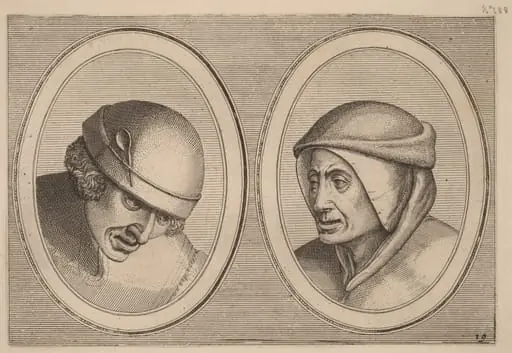 "Houte Klaes" and "Kommer-stoofs"
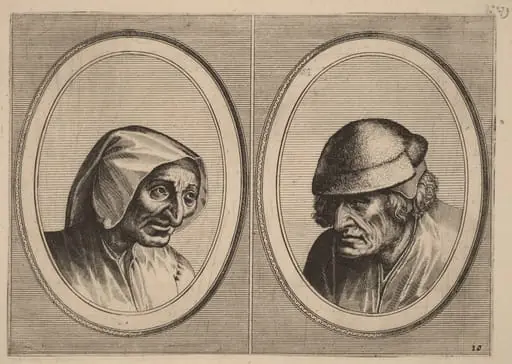 "Verdorde Nel" and "Jan Afterlam"
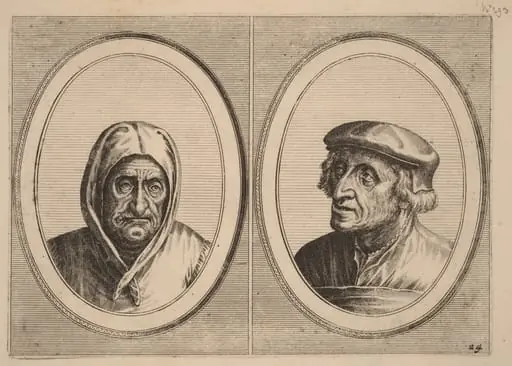 "Aecht Sonder-Ziel" and "Heertje Al-te-mooy"
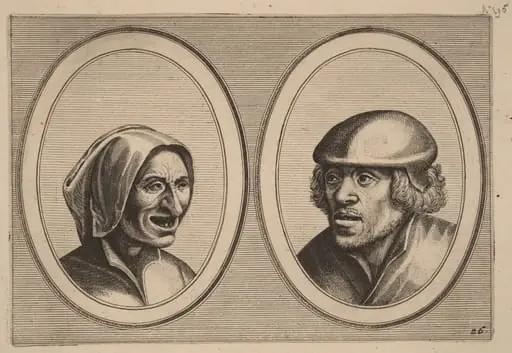 "Vrouw Verneem-al" and "Hans de Pluym-strijcker"
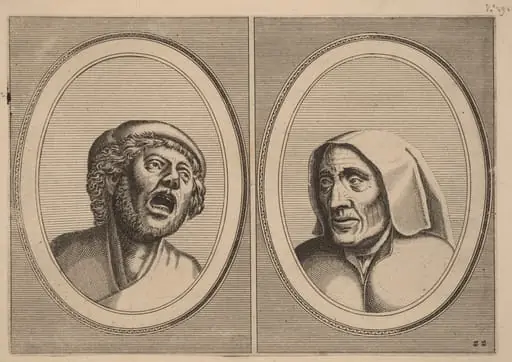 "Hansje Singh in Veldt" and "Blaeuwe Aecht"
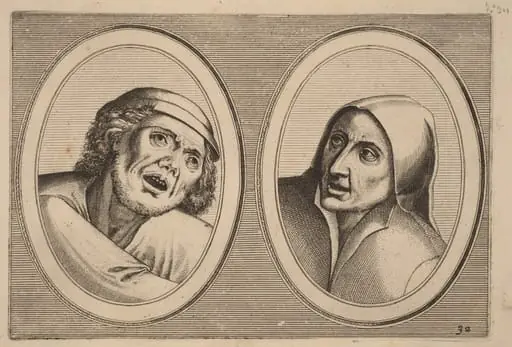 "Harme Snap-op" and "Keursje-sonder-naed"
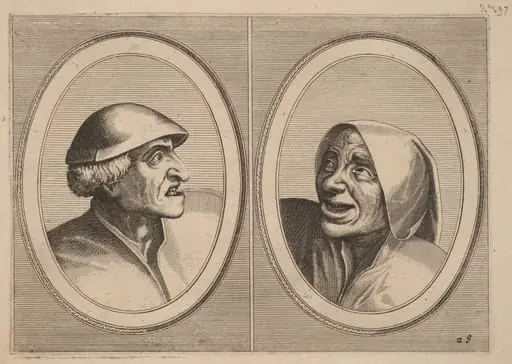 "Dief-achtighe Tijs" and "Nies Spoel-de-Nap"
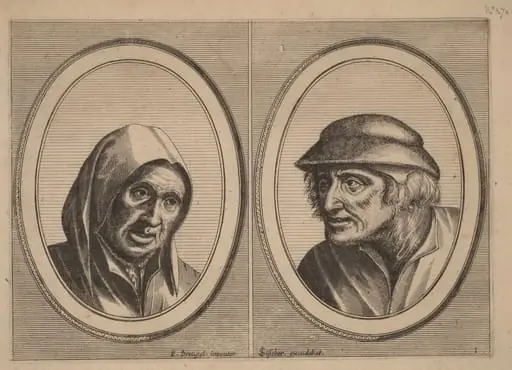 "Susanna Smuls" and "Leuye Joost"
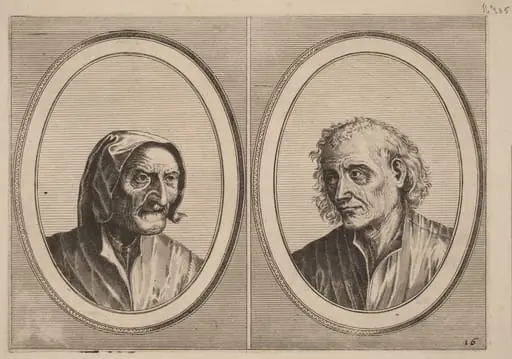 "Foockel Frons-muyl" and "Pietje Hard-loop"