Artwork
Beheading of Saint Catherine
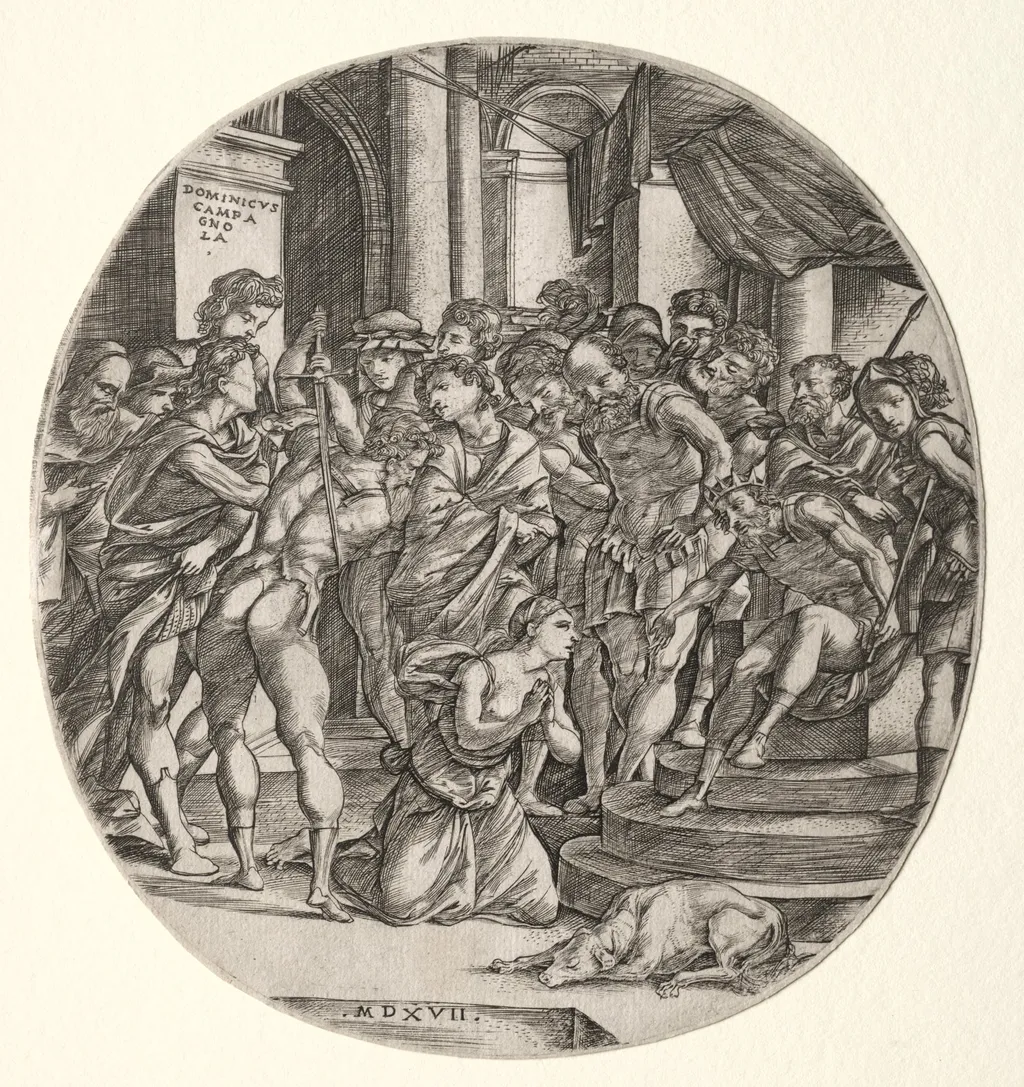
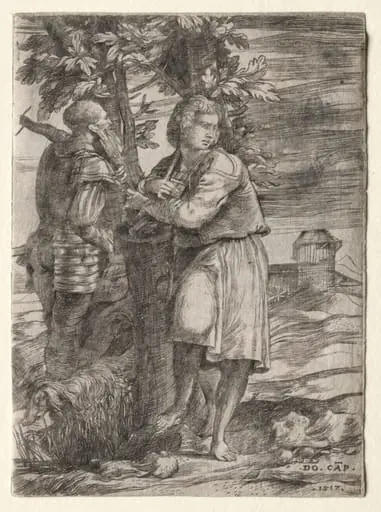
Beheading of Saint Catherine is a print by the Renaissance artist Domenico Campagnola. It dates from 1517 and is held in the collection of the Cleveland Museum of Art.
About this work
Overview
Domenico Campagnola’s 1517 print, *Beheading of Saint Catherine*, belongs to the Venetian Renaissance. Executed in the early sixteenth century, the work is part of the Cleveland Museum of Art’s collection and illustrates the period’s engagement with religious narrative.
Subject & Meaning
The image portrays the martyrdom of Saint Catherine, a figure revered for her steadfast faith. A kneeling woman, sword poised above her, occupies the center, while a tumultuous crowd surrounds her, underscoring the tension between devotion and violence.
Technique & Style
Campagnola employs incisive line work and pronounced chiaroscuro, using deep shadows to model forms and convey movement. The composition is densely populated, with figures brandishing weapons, a dog at their feet, and a barred window that adds a sense of confinement.
History & Provenance
Created in 1517, the print reflects Campagnola’s dual practice as painter and printmaker, though his reputation rests largely on his landscape drawings. The piece entered the Cleveland Museum of Art’s holdings through acquisition in the twentieth century, where it remains on view.
Context
Religious subjects dominated Renaissance art, and depictions of martyrdom served both devotional and didactic purposes. Campagnola’s treatment aligns with contemporary Venetian approaches, emphasizing dramatic lighting and crowded, narrative-rich scenes.
Artist & collection
Artist
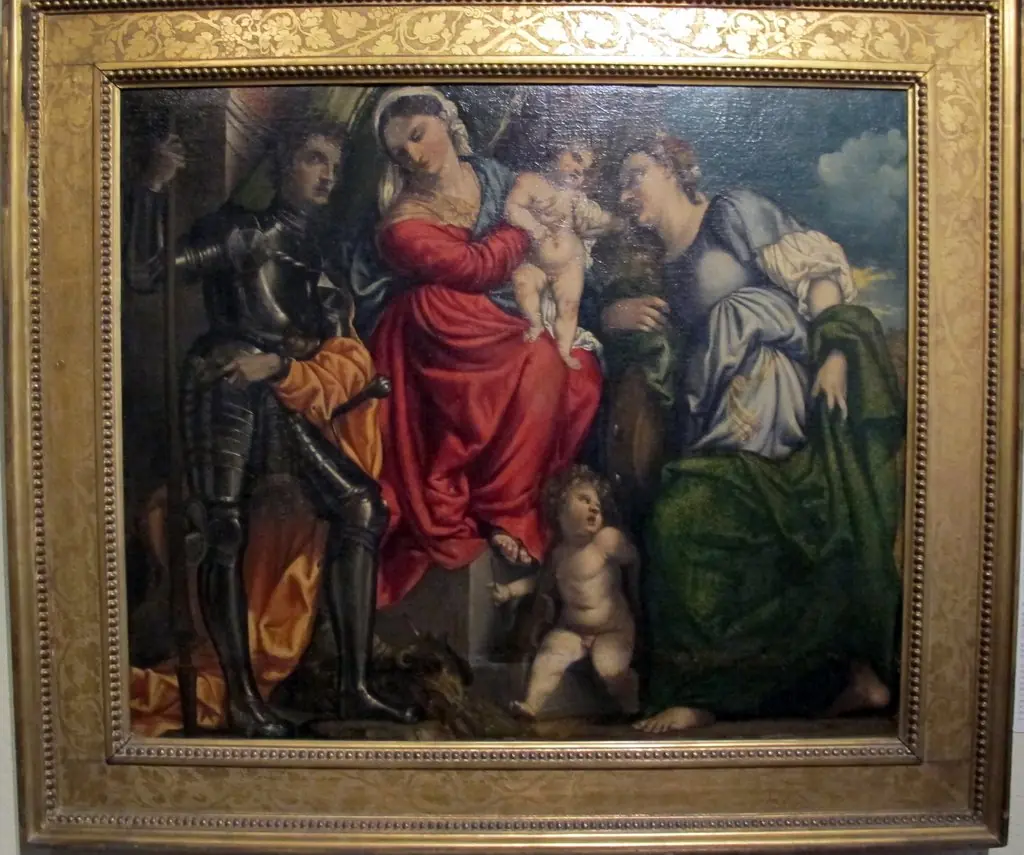
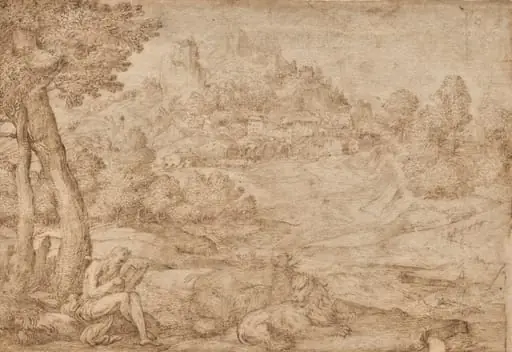
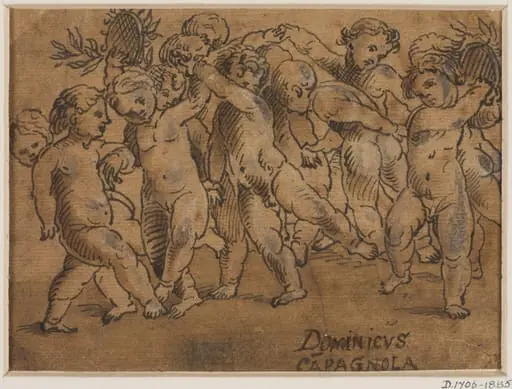
Domenico Campagnola (c. 1500–1564) was an Italian painter and printmaker in engraving and woodcut of the Venetian Renaissance, but whose most influential works were his drawings of landscapes.

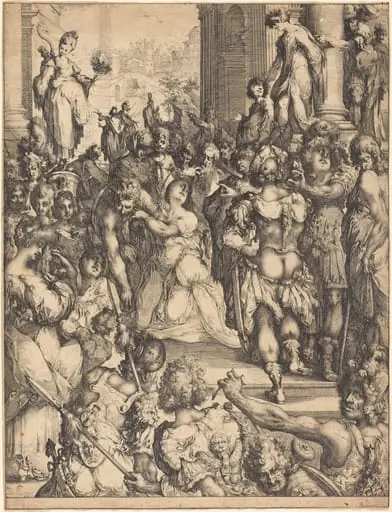 Martyrdom of Saint Lucy
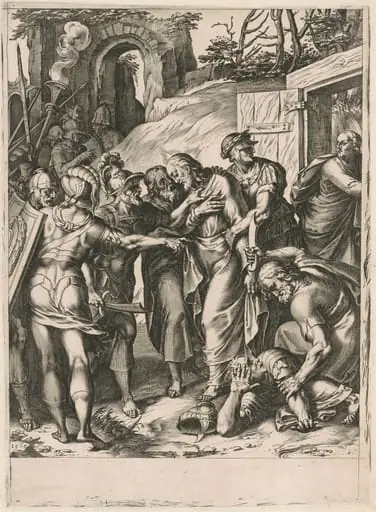 The Betrayal of Christ
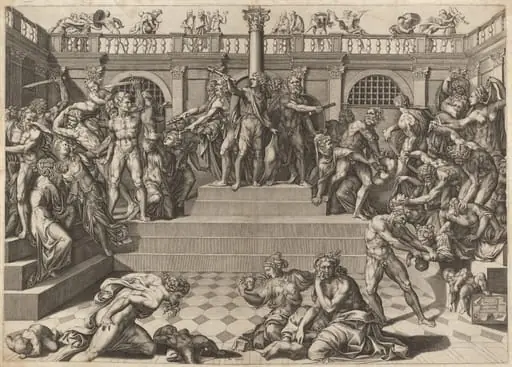 The Massacre of the Innocents
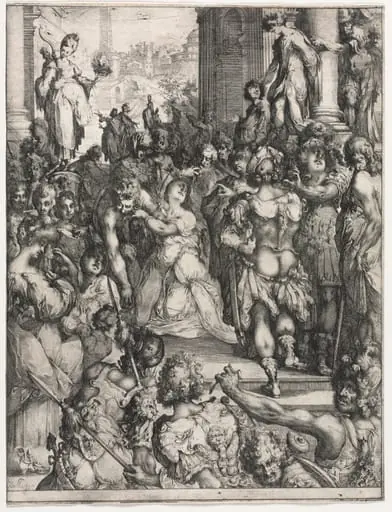 The Martyrdom of Saint Lucy
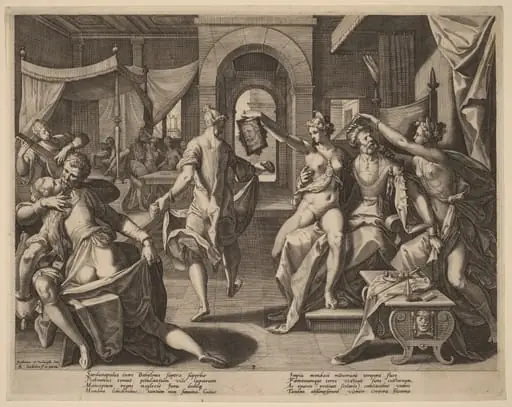 Sardanapalus among the Concubines
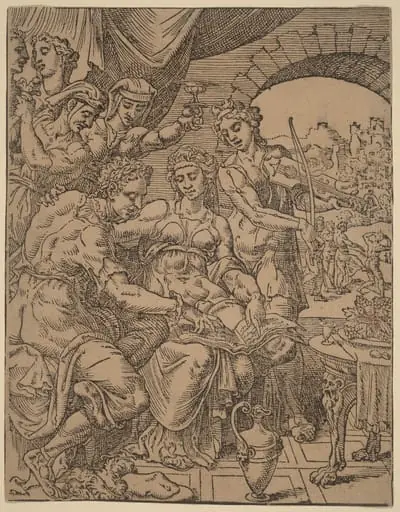 The Prodigal Son Squandering His Inheritance on Harlots
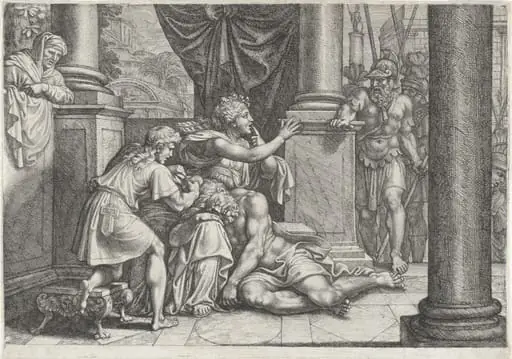 Samson and Delilah
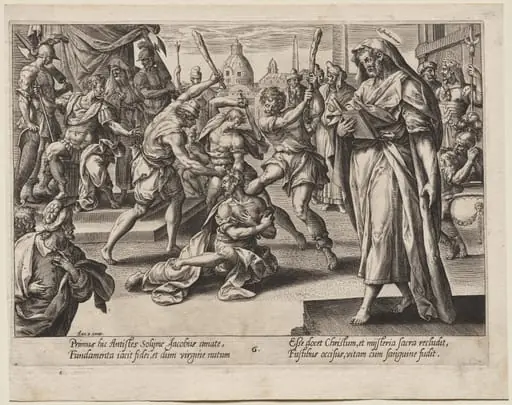 St. James the Less
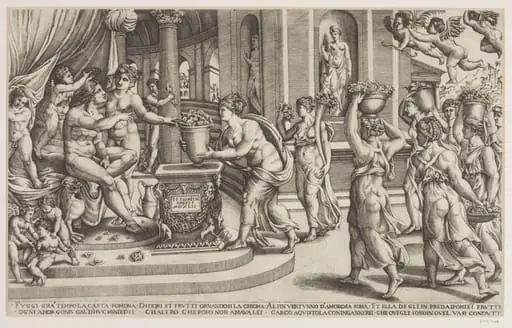 Marriage of Vertumnus and Pomona
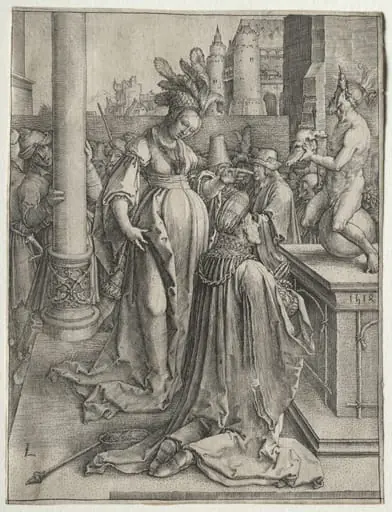 Solomon's Idolotry
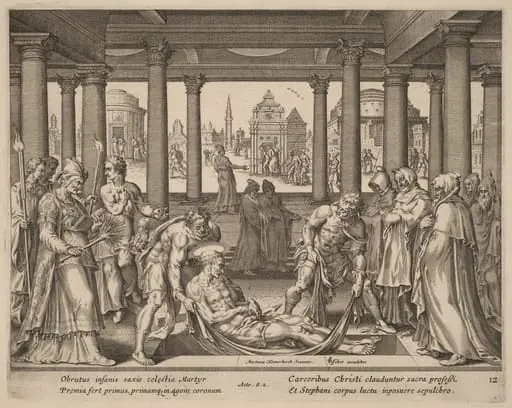 Devout Men Carrying Saint Stephen to His Burial
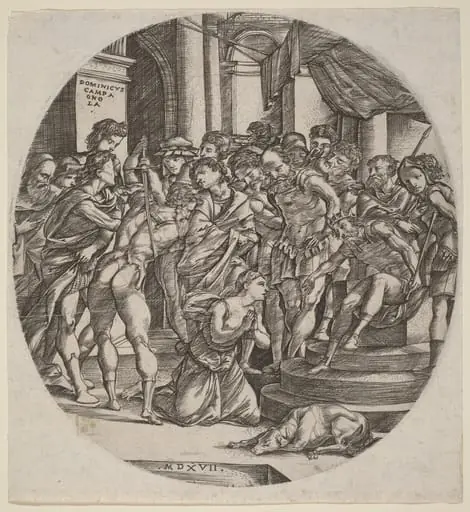 Beheading of Saint Catherine