Artwork
Innocence
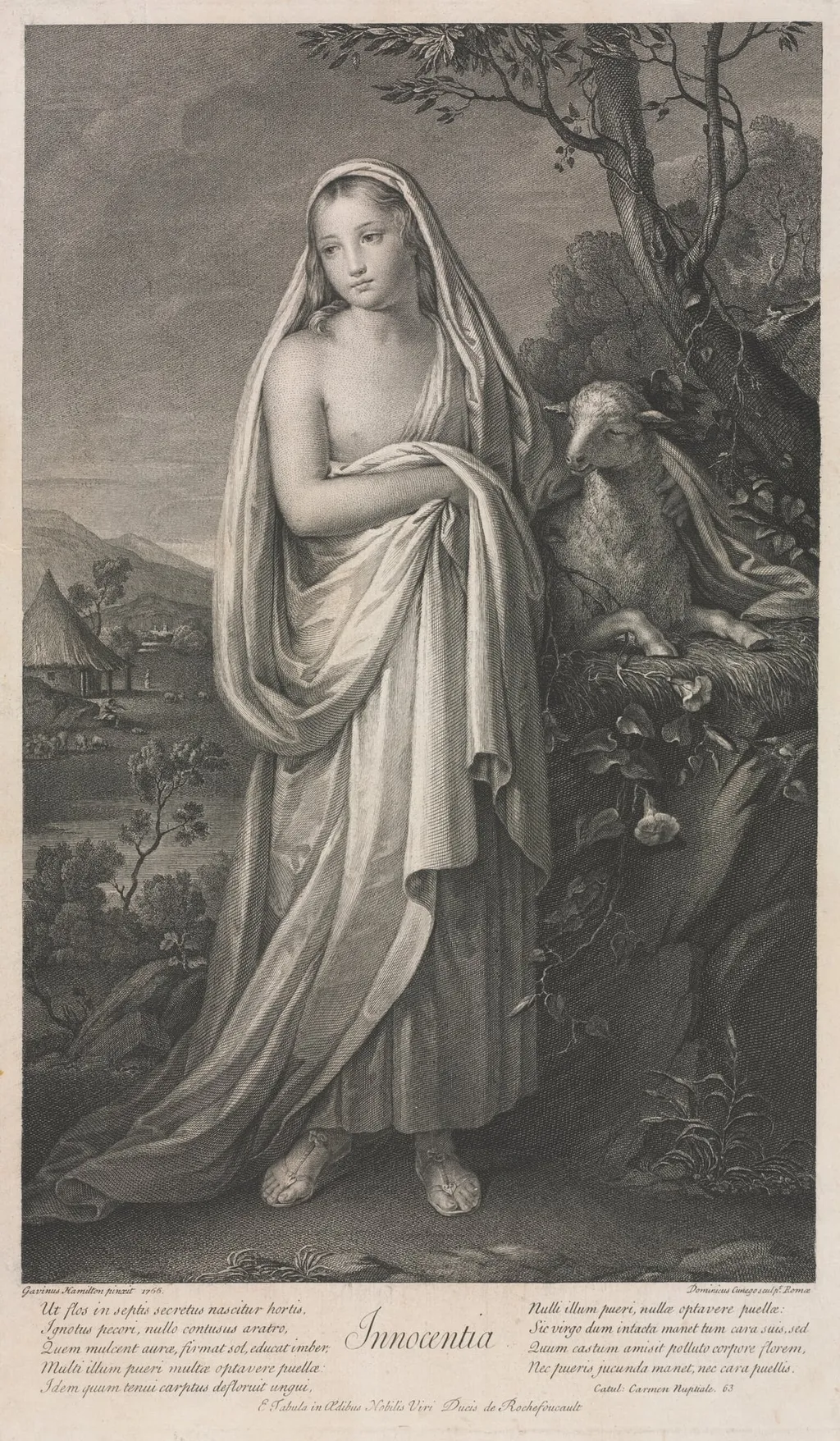
Innocence is a print by the Romanticist artist Domenico Cunego. It dates from 1766 and is held in the collection of the Cleveland Museum of Art.
About this work
Overview
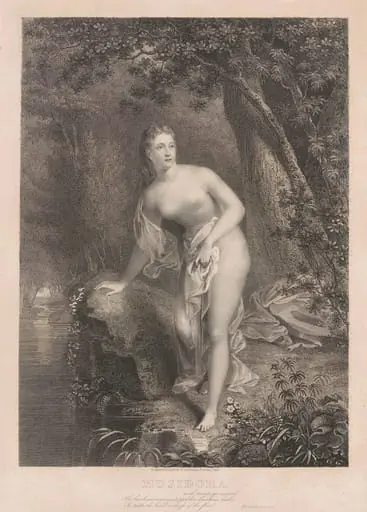
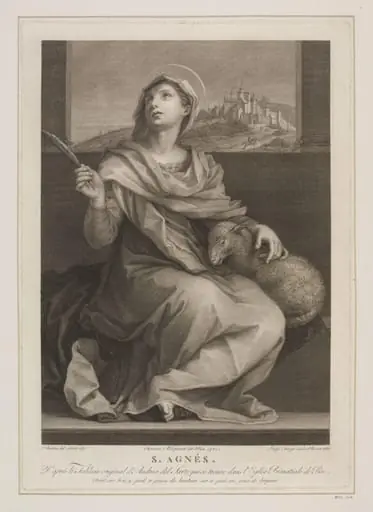
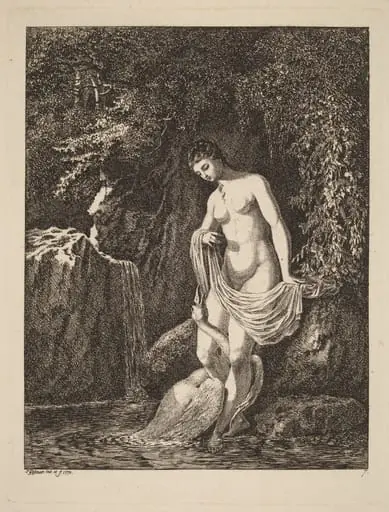
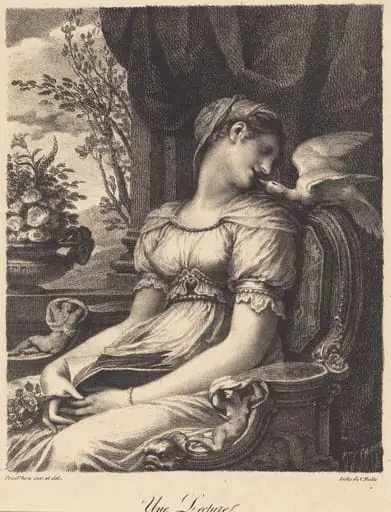
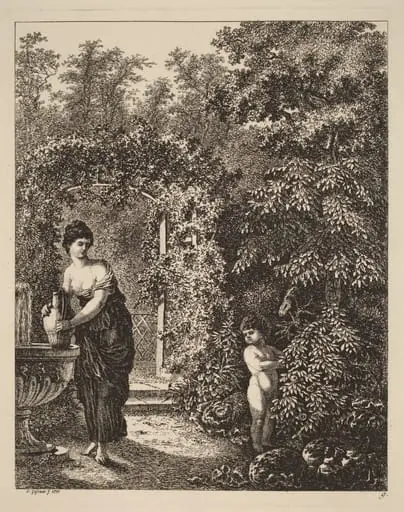
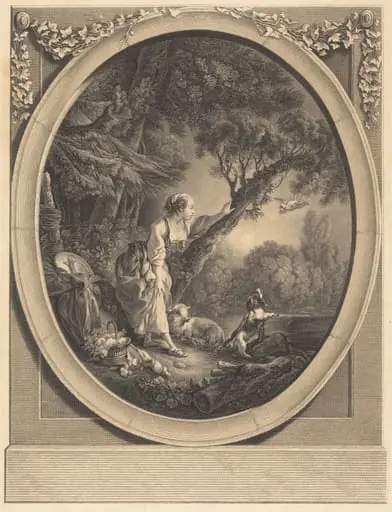
Innocence is an etching by Domenico Cunego, dated 1766, and currently held in the collection of The Cleveland Museum of Art. Executed in black ink on paper, the print presents a solitary female figure in a pastoral setting. The composition emphasizes stillness and quietude, with careful attention to the interplay of shadow and illumination to define form and space.
Subject & Meaning
The distant village and rolling hills suggest a world beyond the immediate scene, yet the focus remains on the figure’s quiet presence.
The central figure is a young woman, modestly draped, her posture serene and introspective. A sheep grazes nearby, reinforcing themes of rural tranquility and natural harmony. The distant village and rolling hills suggest a world beyond the immediate scene, yet the focus remains on the figure’s quiet presence. The work evokes an idealized notion of purity, rooted in classical and pastoral traditions rather than narrative specificity.
Technique & Style
Cunego employed etching to achieve fine linear detail and tonal variation. Strong chiaroscuro contrasts define the woman’s form, with deep shadows anchoring her against lighter, softly modeled backgrounds. The landscape elements are rendered with delicate, suggestive lines, avoiding overt detail in favor of atmospheric suggestion. This method reflects 18th-century printmaking’s emphasis on emotional tone over literal representation.
History & Provenance
The print was produced in Rome during Cunego’s active years as an engraver, known for reproducing Old Master compositions. While the original source of this composition is not definitively recorded, it aligns with his practice of adapting classical and religious themes for a broader audience. It entered the Cleveland Museum of Art’s collection through documented acquisition, preserving its 18th-century origin.
Context
Created during the late Enlightenment, the print reflects a cultural fascination with idealized nature and moral virtue. Such imagery resonated with contemporary tastes for sentimental, morally uplifting subjects, often inspired by literature and classical antiquity. Cunego’s work contributed to the dissemination of these ideals through accessible printed formats, bridging elite and public visual culture.
Legacy
Though not widely reproduced in modern scholarship, Innocence exemplifies the quiet elegance of 18th-century Italian printmaking. Its restrained composition and emotional subtlety stand as a counterpoint to more dramatic Baroque traditions. The work remains a quiet testament to the period’s enduring interest in harmony, simplicity, and the symbolic power of the natural world.
Artist & collection

Artist
Domenico Cunego was an Italian printmaker. The engravings he made depicting Michelangelo's Sistine Chapel ceiling, published in Gavin Hamilton's Schola Italica Picturae (1773), were an important source for the artists of his time.