Artwork
Hl. Paulus
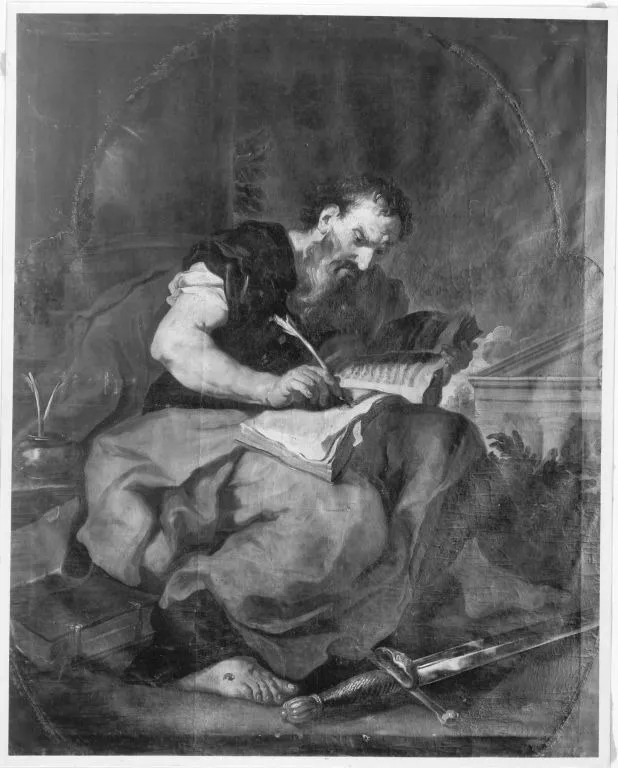
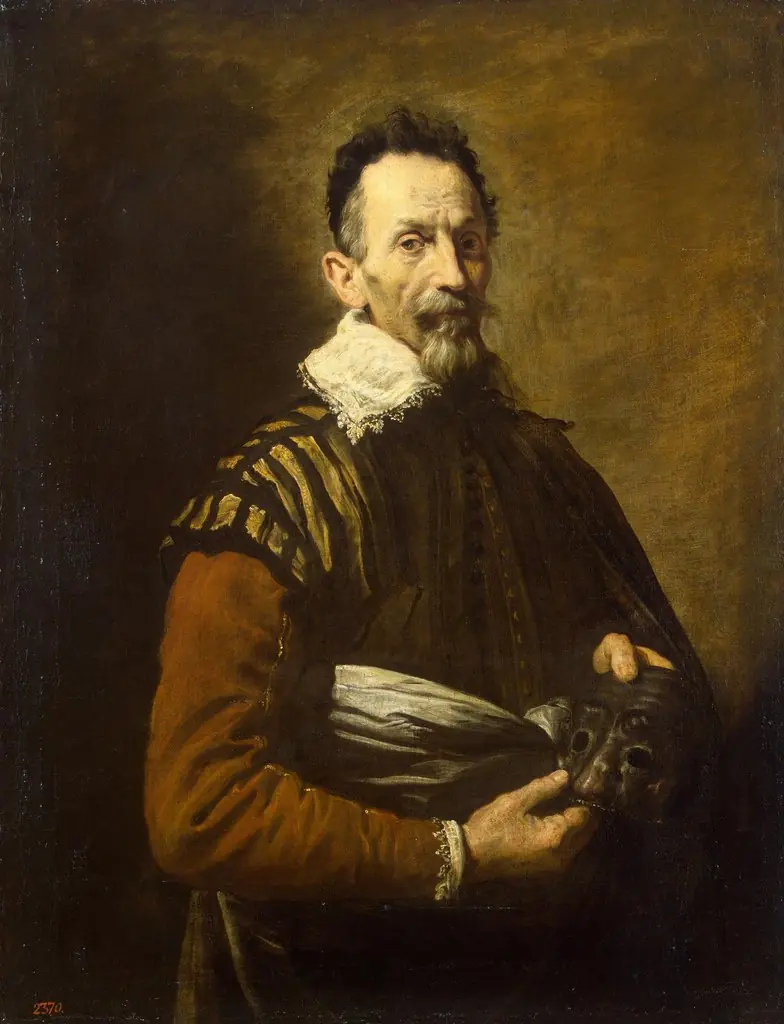
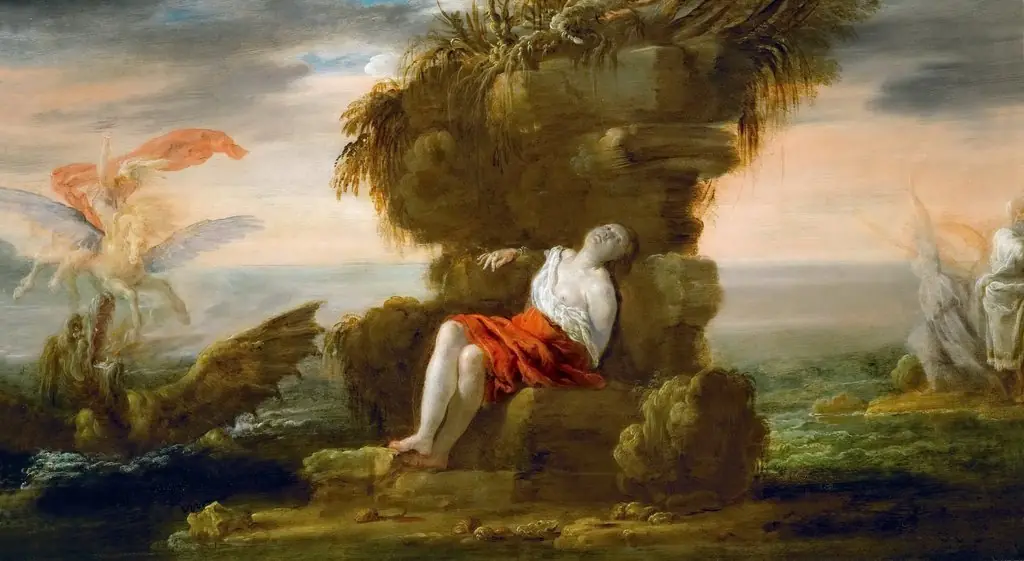
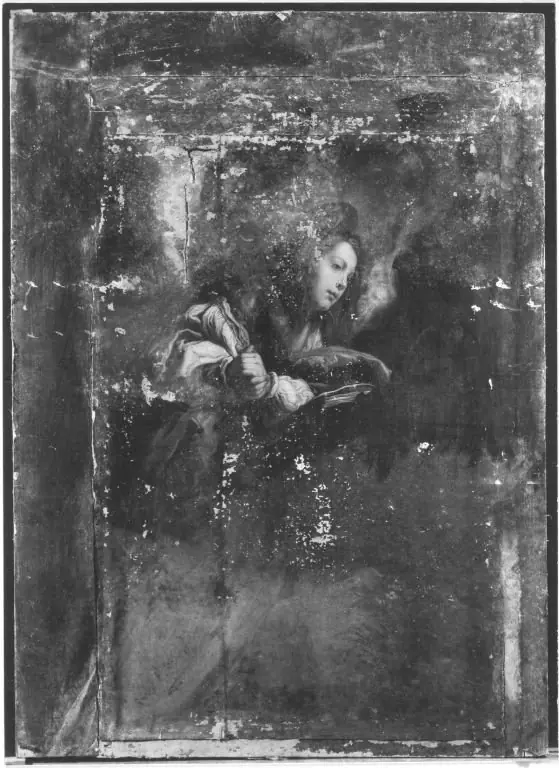
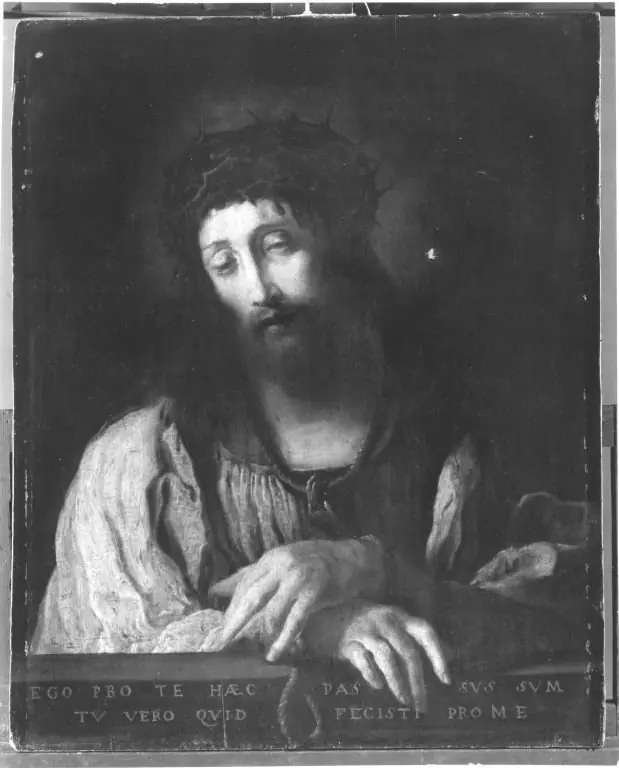
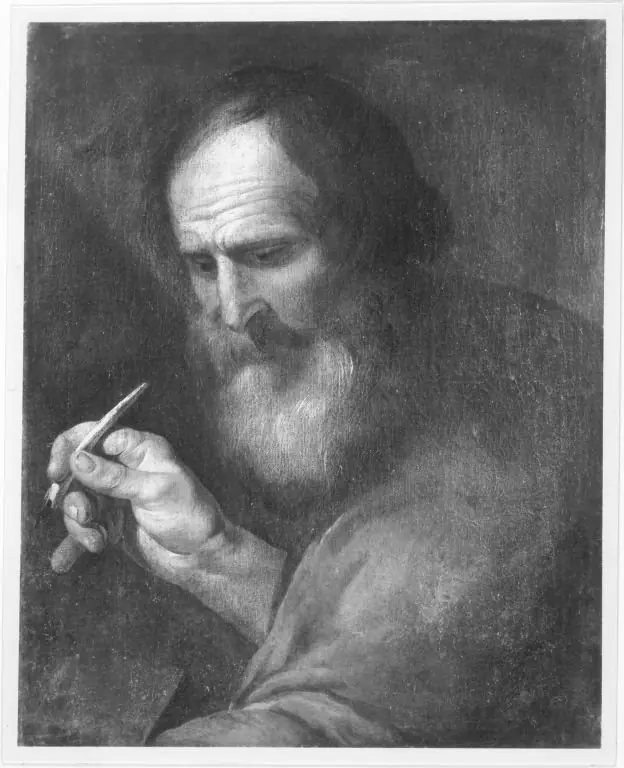
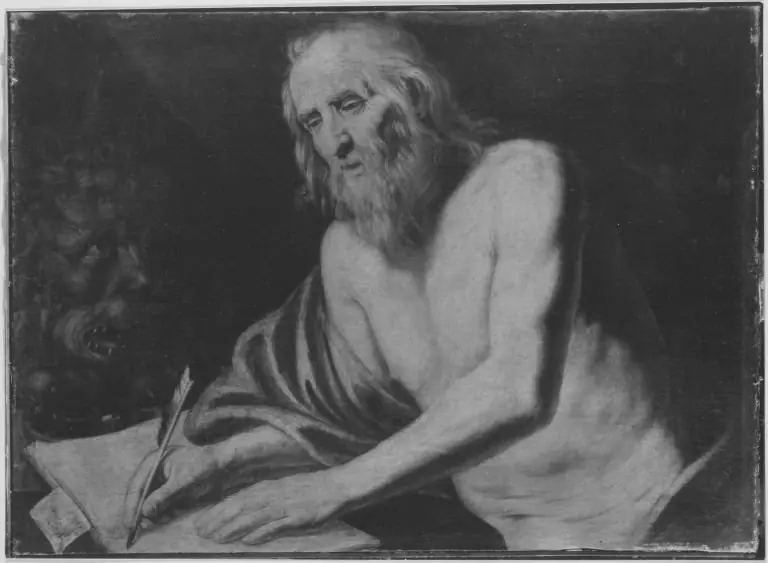
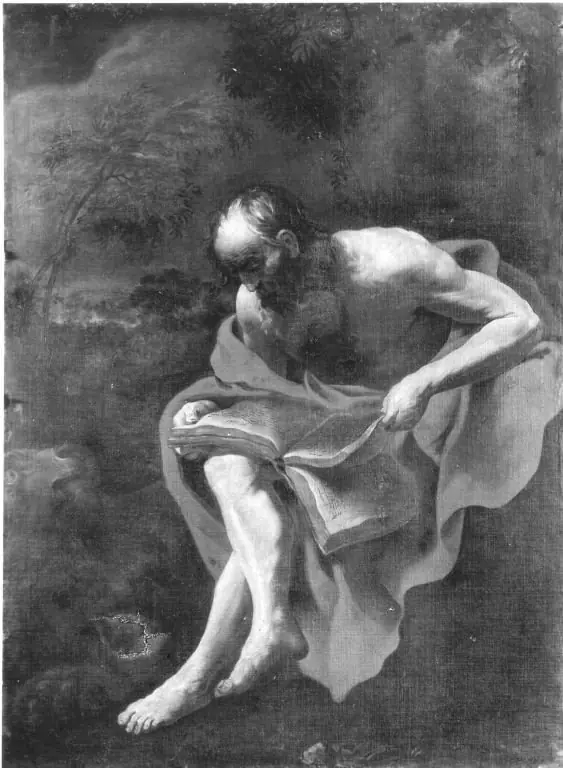
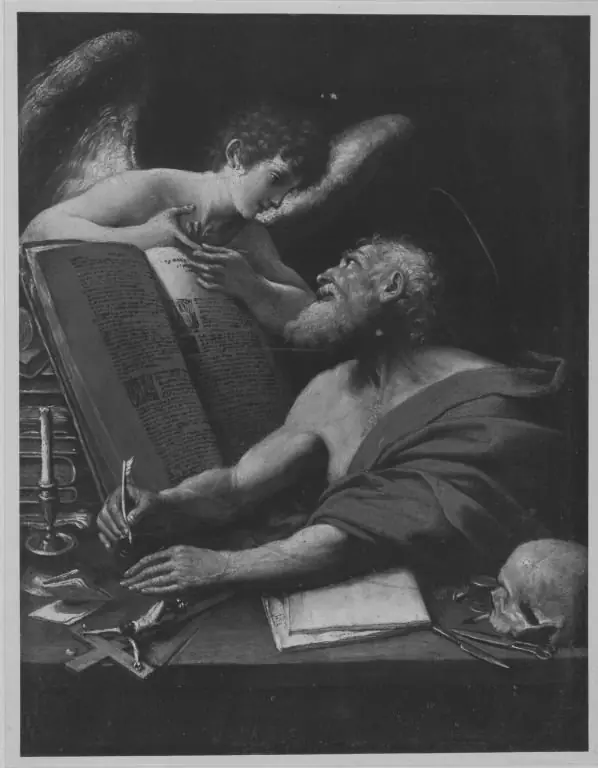
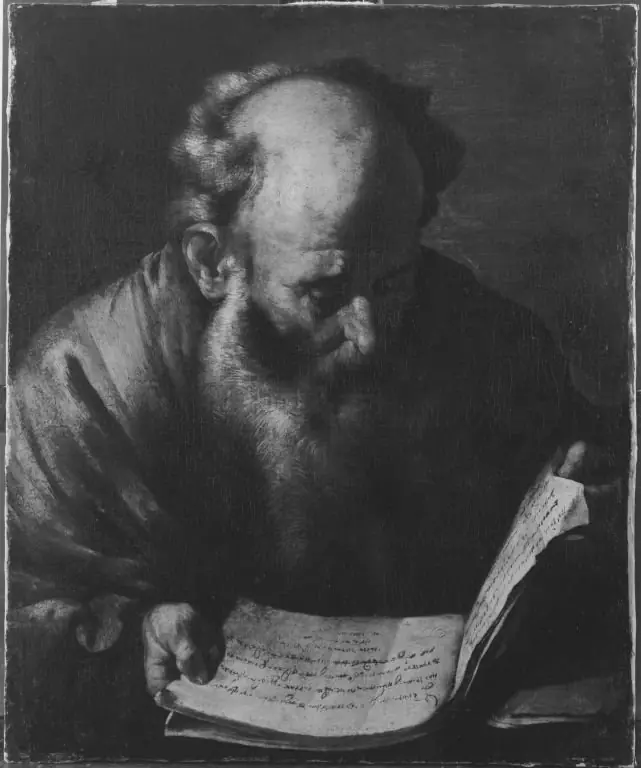
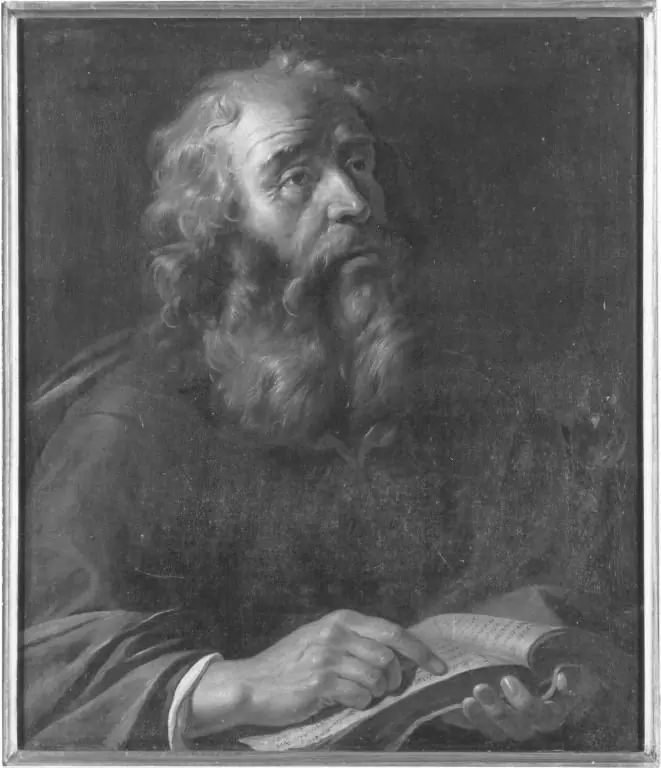
Hl. Paulus is an unspecified painting by the Early Baroque Italian artist Domenico Fetti. It dates from 1606 and is held in the collection of the Bavarian State Painting Collections.
About this work
Overview
Domenico Fetti’s *Hl. Paulus* was painted in 1606 during the early phase of the Italian Baroque. Executed in oil on canvas, the work portrays a solitary, bearded figure absorbed in writing. It is part of the collection of the Alte Pinakothek in Munich, where it is displayed among other 17th‑century religious paintings.
Subject & Meaning
The composition centers on a contemplative saint, identified by his attire and the presence of a book and writing implements. The act of transcribing suggests a moment of scholarly devotion, emphasizing the intellectual labor associated with holy figures. A small bird at his feet adds a subtle symbol of the soul’s yearning for spiritual ascent.
Technique & Style
Fetti employs a pronounced chiaroscuro, casting deep shadows that isolate the saint’s face and hands in bright light. This contrast heightens the sense of concentration and gives the figure a three‑dimensional presence. The loose, draped garments are rendered with fluid brushwork, characteristic of early Baroque naturalism.
History & Provenance
Created while Fetti was active in Rome, the painting later entered the holdings of the Bavarian court before being transferred to the Alte Pinakothek. Its documented presence in the museum’s catalogue dates to the 19th century, confirming a continuous public display for over three hundred years.
Context
*Hl. Paulus* reflects the Baroque interest in dramatic lighting and emotional immediacy, aligning with contemporary works by Caravaggio and his followers. The focus on a solitary, scholarly saint mirrors Counter‑Reformation goals of promoting personal piety through contemplation and the written word.
Artist & collection
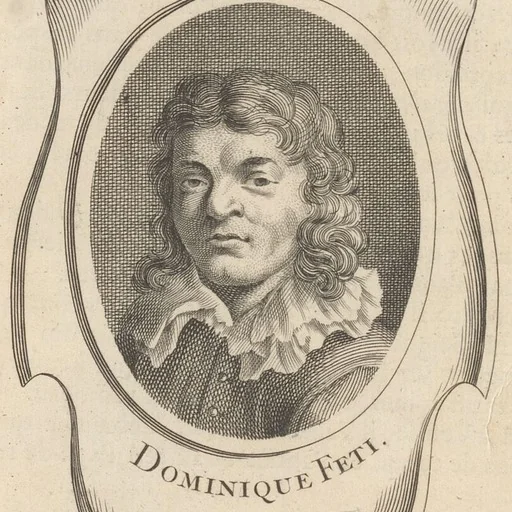
Artist
Domenico Fetti (also spelled Feti) (c. 1589 – 16 April 1623) was an Italian Baroque painter who was active mainly in Rome, Mantua and Venice.