Artwork
The Assumption of the Virgin
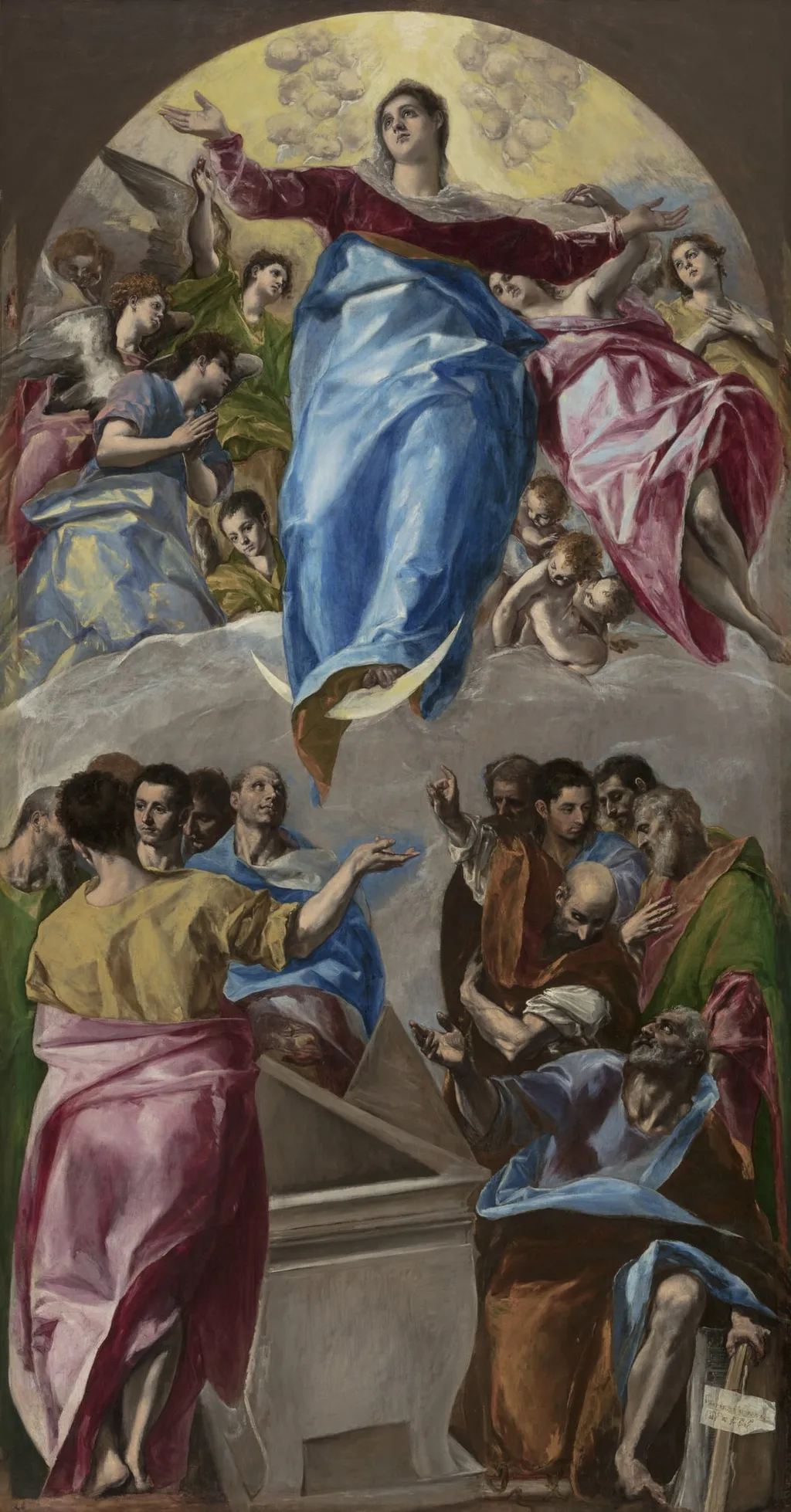
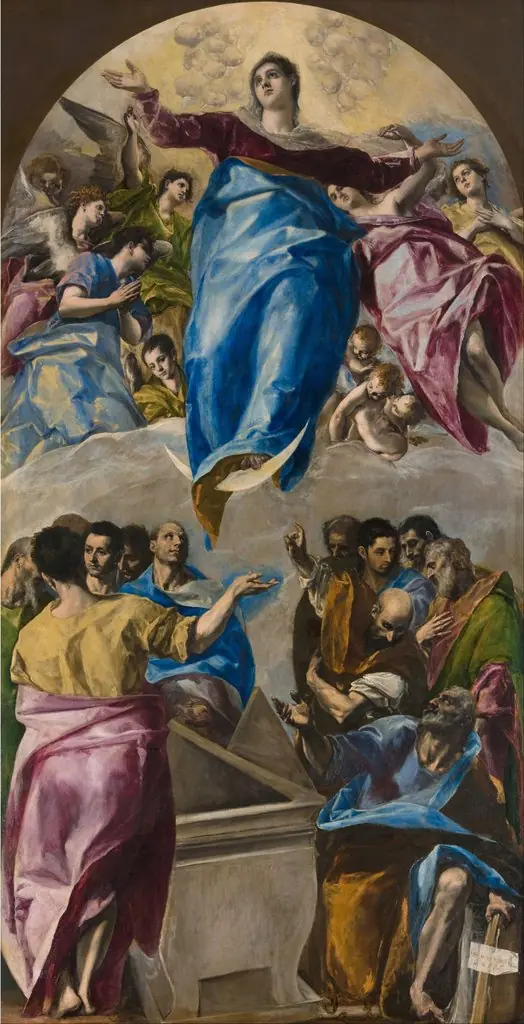
The Assumption of the Virgin is an oil painting by the Mannerist artist Domenico Theotokópoulos, called El Greco. It dates from 1578 and is held in the collection of the Art Institute of Chicago.
About this work
Overview
Painted in oil on canvas, The Assumption of the Virgin was El Greco’s first major commission, created for the high altar of Santo Domingo el Antiguo in Toledo.
Painted in oil on canvas, The Assumption of the Virgin was El Greco’s first major commission, created for the high altar of Santo Domingo el Antiguo in Toledo. It formed the centerpiece of a multi-panel altarpiece commissioned to honor Doña Maria de Silva, whose tomb was housed in the church. The work’s spiritual theme of ascension aligned with the convent’s role as a memorial site, reinforcing themes of mortality and divine redemption.
Subject & Meaning
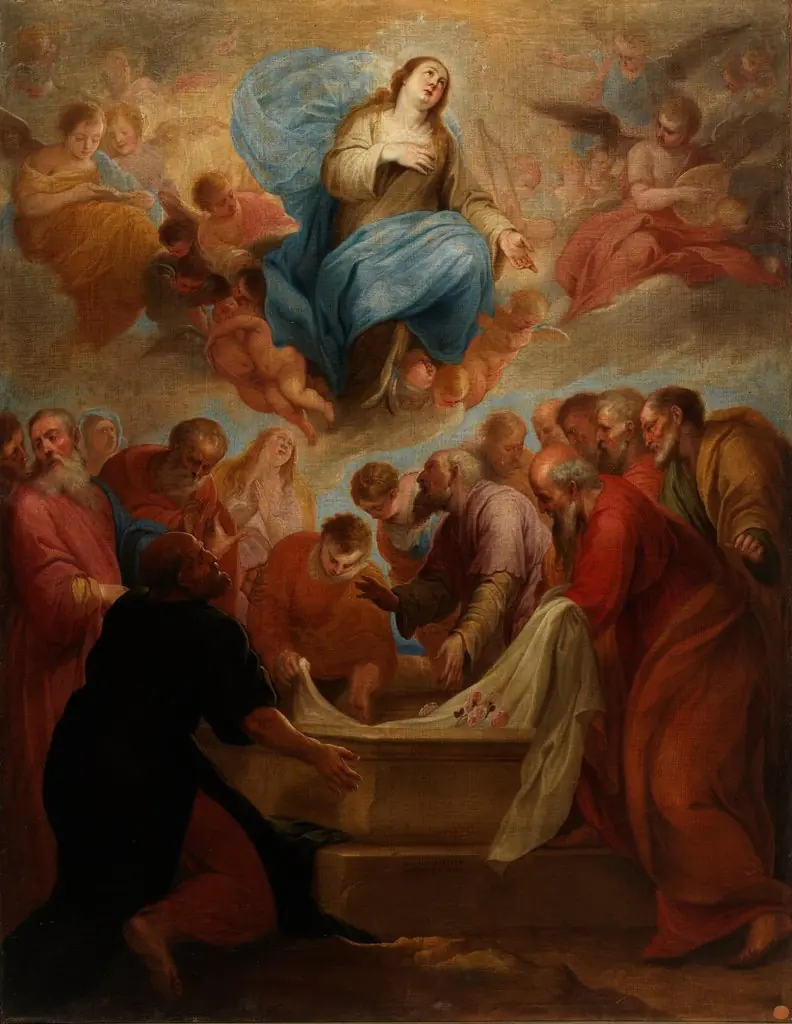
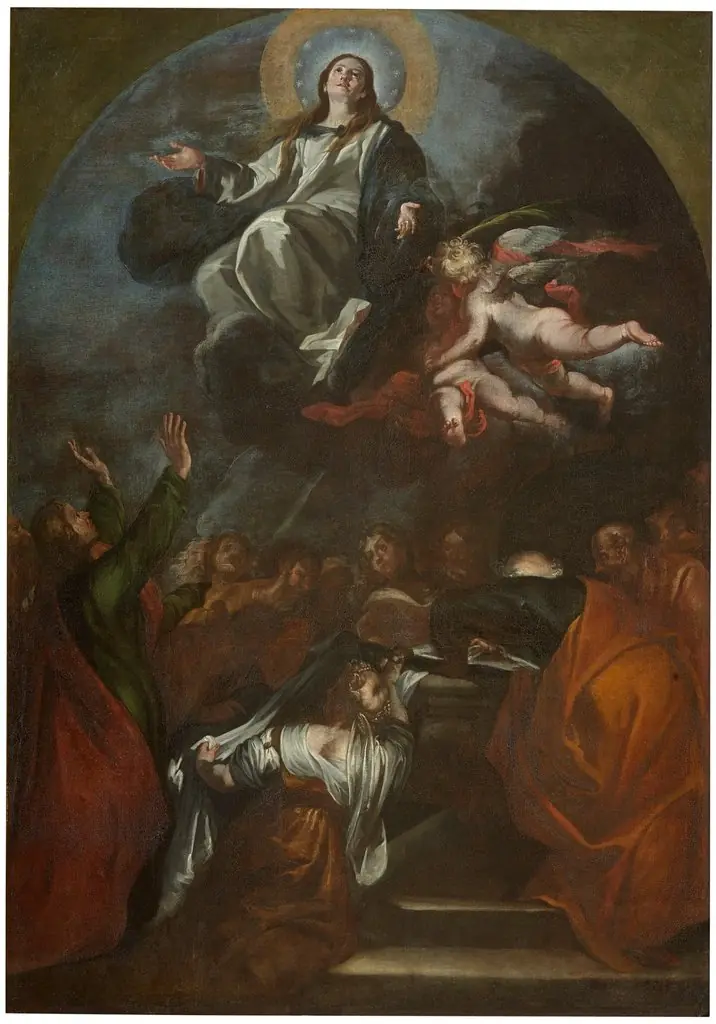
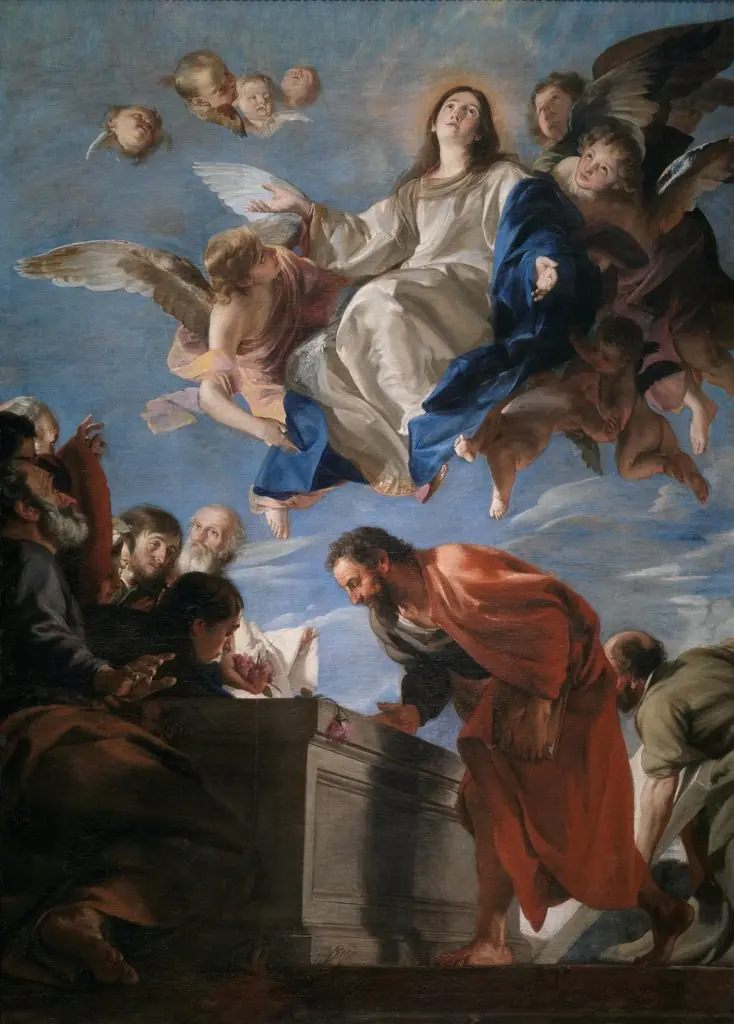
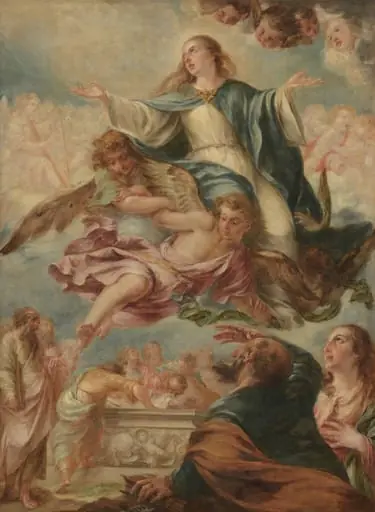
The painting depicts the Virgin Mary being lifted bodily into heaven, a doctrine central to Catholic belief. Below, the apostles react with varied expressions of awe and grief, their gestures conveying human emotion amid divine mystery. Above, angels gather in serene formation, directing attention toward Mary’s ascent. The dual zones reflect the transition from earthly sorrow to celestial triumph, resonating with the funerary purpose of the church and its patron’s legacy.
Technique & Style
El Greco employed loose, expressive brushwork and layered glazes to achieve luminous color effects. His palette features intense, non-naturalistic hues—crimson, gold, and deep blue—that heighten emotional intensity. Figures are elongated and dynamically arranged to fit the vertical format, with the earthly group rendered in turbulent motion and the heavenly realm in calm, flowing lines. The technique emphasizes spiritual transcendence over physical realism.
History & Provenance
Commissioned around 1577, the altarpiece was installed in Santo Domingo el Antiguo shortly after El Greco settled in Toledo. It remained in its original location for centuries, with only minor alterations. The painting’s survival in situ is rare among Spanish Renaissance altarpieces, many of which were dismantled or dispersed. Its continued presence in the church underscores its enduring liturgical and commemorative function.
Context
The painting emerged during a period of intense religious reform in Spain, when art was expected to inspire piety and doctrinal clarity. The choice of the Assumption as subject was particularly apt for a funerary chapel, as it affirmed bodily resurrection and Mary’s intercessory power. Doña Maria de Silva’s patronage linked her memory to this theological promise, embedding personal devotion within a broader ecclesiastical narrative.
Legacy
Though initially received within the context of Counter-Reformation devotional art, the painting’s emotional intensity and unconventional composition later influenced modern artists drawn to its expressive distortion and spiritual abstraction. Its preservation in the original chapel allows ongoing study of how El Greco fused liturgical function with personal vision, setting a precedent for later spiritual modernism in painting.
Artist & collection
Artist
Domenico Theotokópoulos, called El Greco
El Greco painted dramatic, elongated figures in oil on canvas, blending late Renaissance technique with something more spiritual and restless.