Artwork
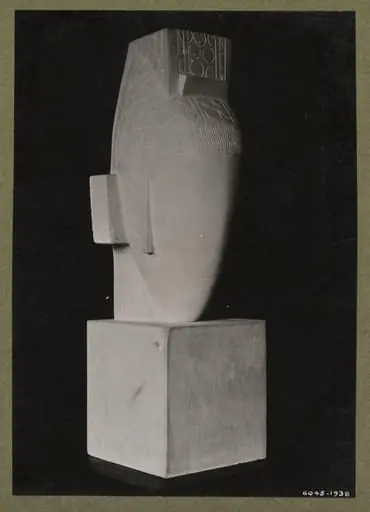
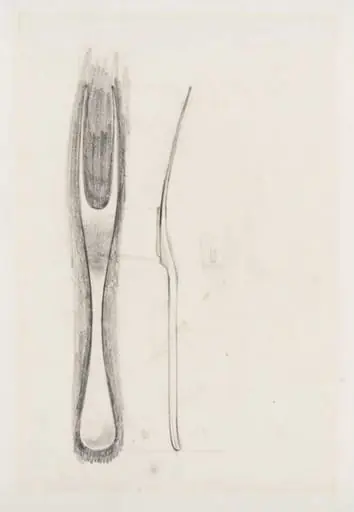
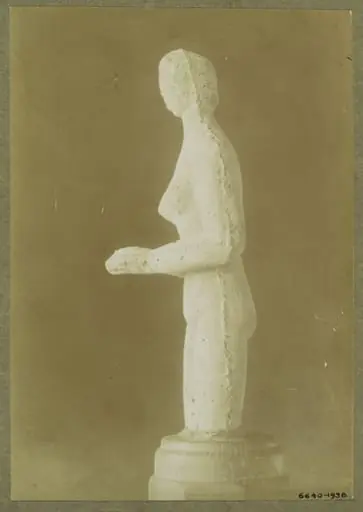
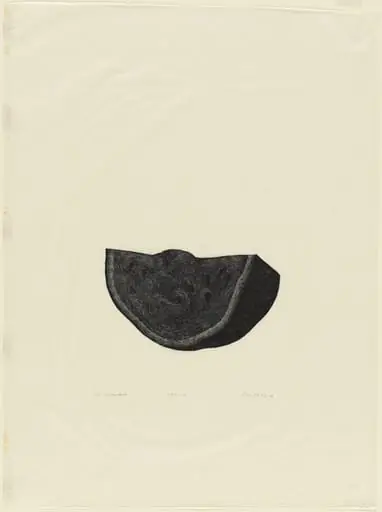
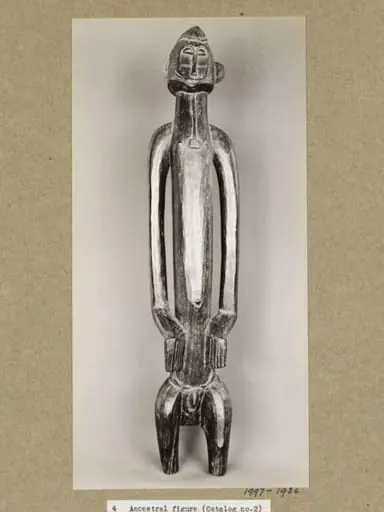
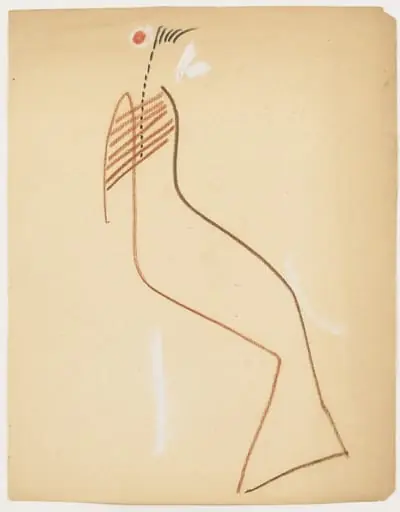
Sketchbook of 28 leaves of yellow wove paper, 29 pages blank, ring bound with stiff card covers, containing designs for jewellery, necklaces, bracelets, rings, candlesticks, pendants, cigarette cases, spoons, an evening bag, a drawing of an arab's head after Delacroix, sketches of cycladic sculpture, a mosque in Iran, an Etruscan bronze vessel, an Etruscan warrior and two sketches of a rocky headland, Capri [?].
![Sketchbook of 28 leaves of yellow wove paper, 29 pages blank, ring bound with stiff card covers, containing designs for jewellery, necklaces, bracelets, rings, candlesticks, pendants, cigarette cases, spoons, an evening bag, a drawing of an arab's head after Delacroix, sketches of cycladic sculpture, a mosque in Iran, an Etruscan bronze vessel, an Etruscan warrior and two sketches of a rocky headland, Capri [?]., by Dr Emanuele Pantanella, 1992](https://artifactworldgallery.com/img/dr-emanuele-pantanella--sketchbook-of-28-leaves-of-yellow-wove-paper-29-pages-blank--f4652581b5c61fae-w1024.webp)
Sketchbook of 28 leaves of yellow wove paper, 29 pages blank, ring bound with stiff card covers, containing designs for jewellery, necklaces, bracelets, rings, candlesticks, pendants, cigarette cases, spoons, an evening bag, a drawing of an arab's head after Delacroix, sketches of cycladic sculpture, a mosque in Iran, an Etruscan bronze vessel, an Etruscan warrior and two sketches of a rocky headland, Capri [?]. is a drawing by Dr Emanuele Pantanella. It dates from 1992 and is held in the collection of the Victoria and Albert Museum. This sketchbook comprises 28 leaves of yellow wove paper, bound with stiff card covers and a ring mechanism.
About this work
Overview
This sketchbook comprises 28 leaves of yellow wove paper, bound with stiff card covers and a ring mechanism.
This sketchbook comprises 28 leaves of yellow wove paper, bound with stiff card covers and a ring mechanism. Twenty-nine pages remain blank, suggesting the volume was used selectively. The filled pages contain a range of observational and inventive drawings, primarily focused on small decorative objects and architectural or sculptural forms, all rendered in pencil with occasional Italian annotations and dates.
Subject & Meaning
The drawings draw from diverse cultural sources: Cycladic figures, Etruscan artifacts, a mosque in Iran, and a head after Delacroix. These are not mere copies but transformed into design prompts for jewelry and household items. The inclusion of Capri’s rocky terrain suggests a personal engagement with landscape as form. The sketches reflect a practice of synthesizing historical motifs into contemporary object design.
Technique & Style
Lines are light, fluid, and often provisional, indicating rapid observation or ideation. Forms are simplified, with emphasis on silhouette and proportion rather than detail. Quick, almost accidental doodles—such as small animals in margins—appear alongside precise studies, revealing a mind in motion between observation and invention. Notes in Italian accompany some drawings, anchoring them in specific sources or intentions.
History & Provenance
The sketchbook dates to the early 1990s and was used by a designer engaged in object-making. Some designs, particularly those inspired by Cycladic sculpture, directly informed the creation of a macassar ebony evening bag now held by the Victoria & Albert Museum. Its preservation suggests the artist or an institution recognized its value as a working document rather than a finished artwork.
Context
This sketchbook aligns with late 20th-century design practices that revisited ancient forms as a means of renewing contemporary craft. The blending of ethnographic references—Etruscan, Cycladic, Islamic—with personal sketches of Capri reflects a broader trend among designers seeking authenticity through historical dialogue. The use of Italian notes hints at the artist’s geographic or cultural ties to Italy.
Legacy
Though unsigned, the sketchbook’s influence is traceable through its realized objects, notably the V&A’s evening bag. It stands as a quiet testament to the iterative nature of design, where sketches serve as bridges between archaeological inspiration and functional form. Its unpolished quality underscores the value of process over finality in creative practice.
Artist & collection
Artist
Emanuele Pantanella kept a tiny, ring-bound sketchbook in his pocket for years, filling it with sharp little drawings of jewelry he wanted to make—a cigarette case here, a bracelet there—and stray things that caught his…