Artwork
Erechtheion
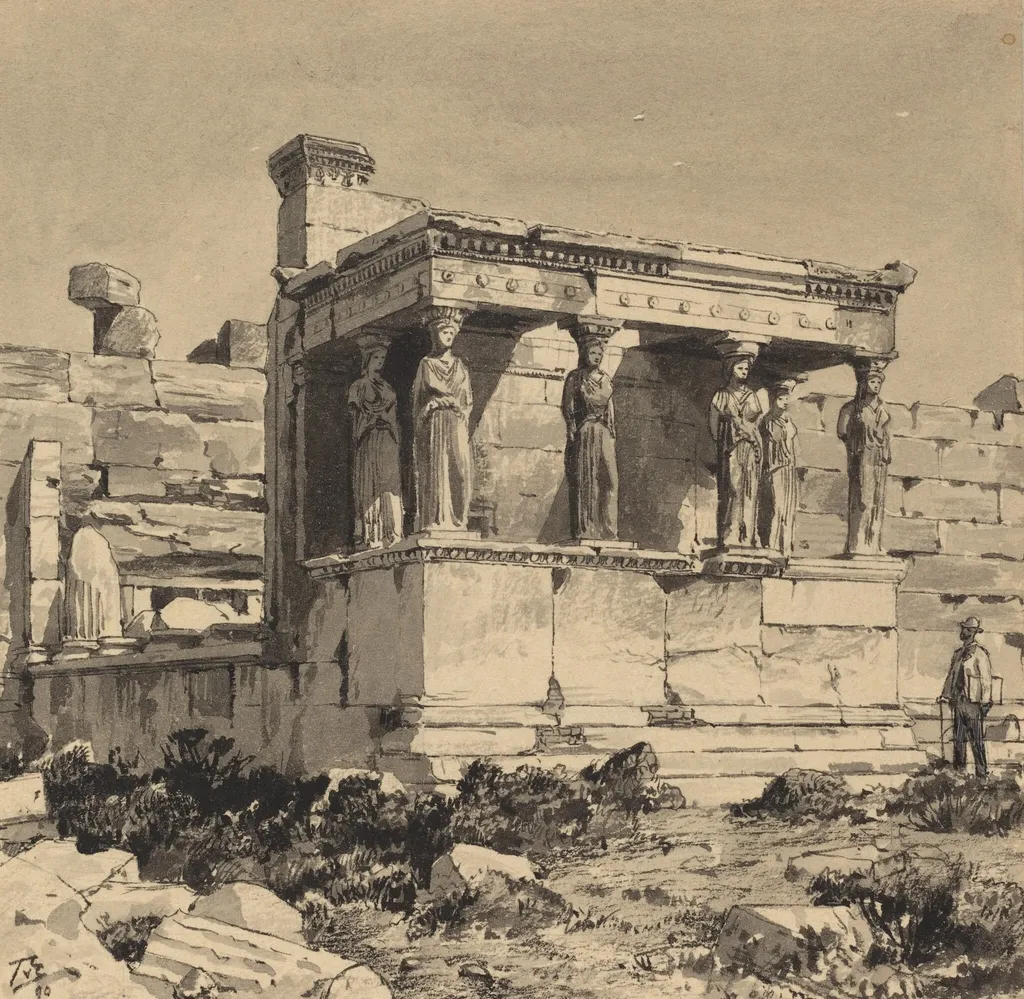
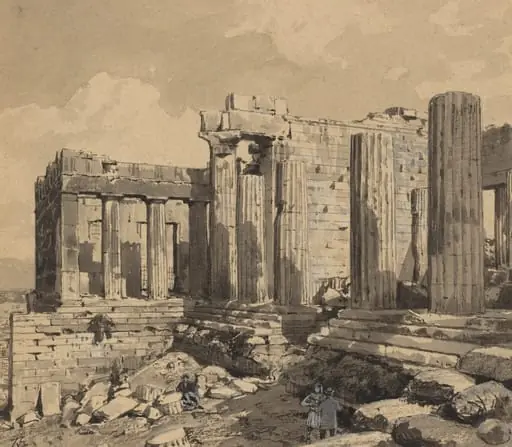
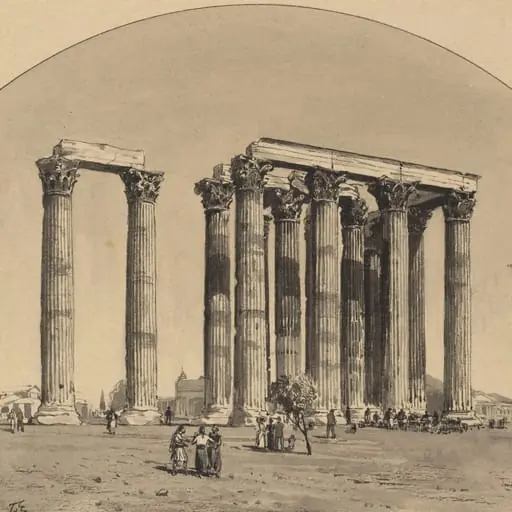
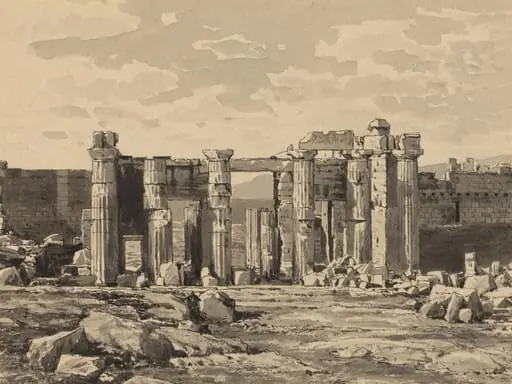
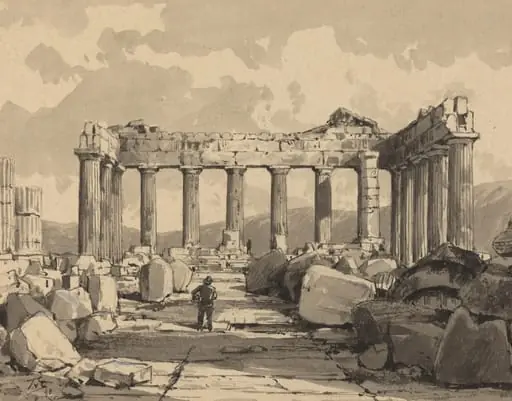
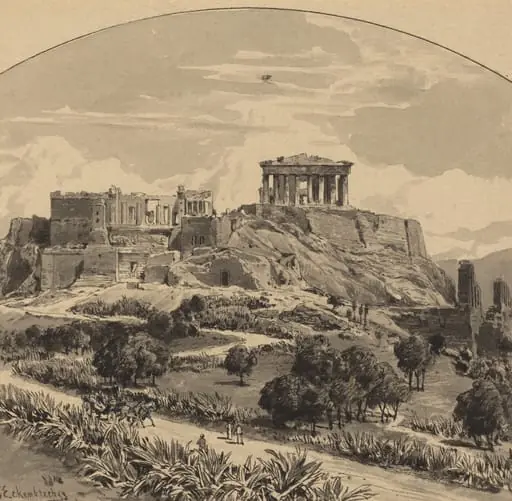
Erechtheion is an ink drawing by the Impressionist artist Themistocles von Eckenbrecher. It dates from 1890 and is held in the collection of the National Gallery of Art.
About this work
Overview
Erechtheion is a drawing created by Themistocles von Eckenbrecher in 1890, combining pen and black ink, watercolor, black chalk, and graphite. It represents the ancient Athenian temple of the same name.
Subject & Meaning
The drawing depicts the Erechtheion, an ancient Greek temple distinguished by its Caryatids, six statues of women supporting the roof. The work reflects Eckenbrecher's interest in classical architecture and scenic views.
Technique & Style
Executed in a realistic style, the drawing showcases Eckenbrecher's attention to detail in rendering the temple and its surroundings. The use of multiple media adds depth and texture to the work.
History & Provenance
Themistocles von Eckenbrecher, born in Athens and later based in Germany, created Erechtheion in 1890. His background and training influenced his focus on architectural and maritime subjects, often treated in a Romantic manner.
Artist & collection

Artist
Karl Paul Themistokles von Eckenbrecher (17 November 1842, Athens – 4 December 1921, Goslar) was a German landscape and marine painter, in the late Romantic style.