Artwork
Shepherd and Ruins
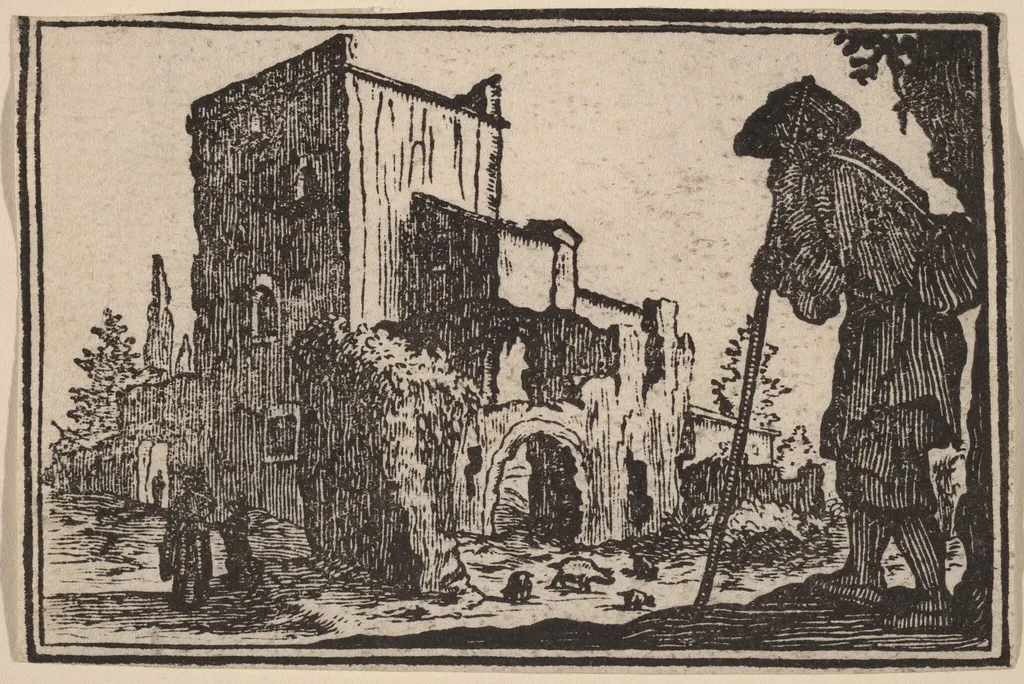
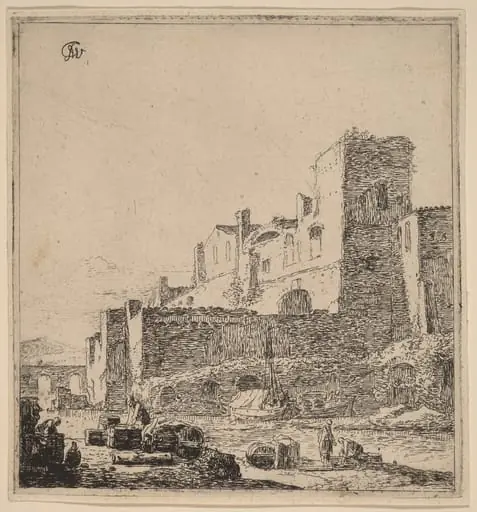
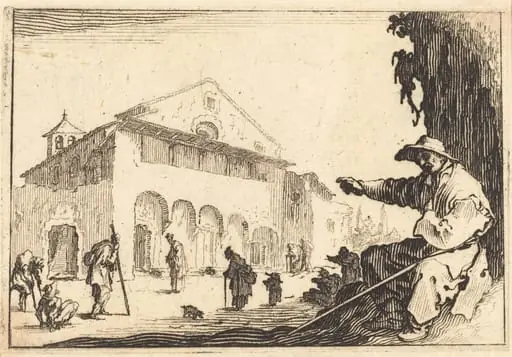
Shepherd and Ruins is an ink print by the Baroque artist Edouard Eckman. It dates from 1621 and is held in the collection of the National Gallery of Art.
About this work
Overview
The technique reflects early 17th-century printmaking practices, where hand-carved surfaces transferred ink onto paper to yield multiple copies.
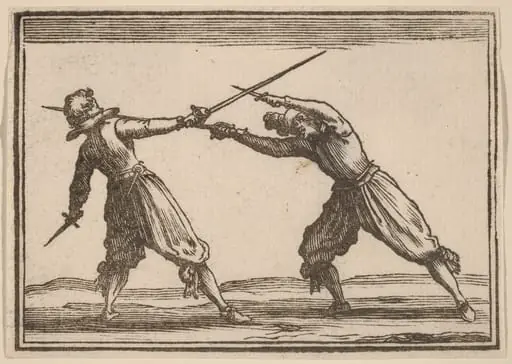
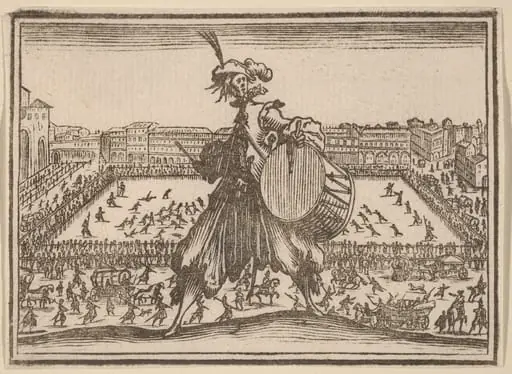
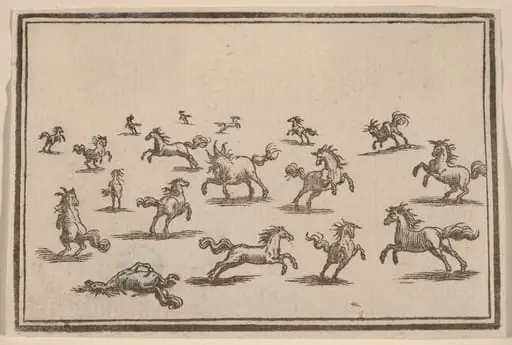
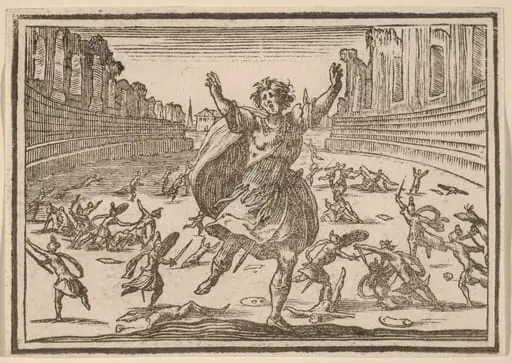
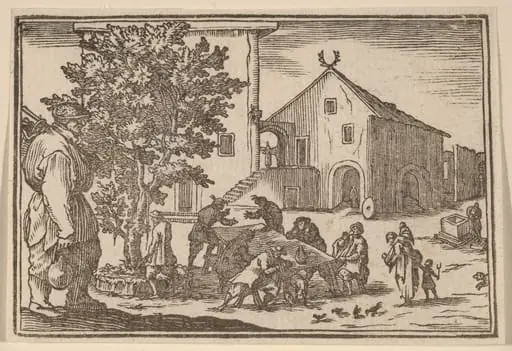
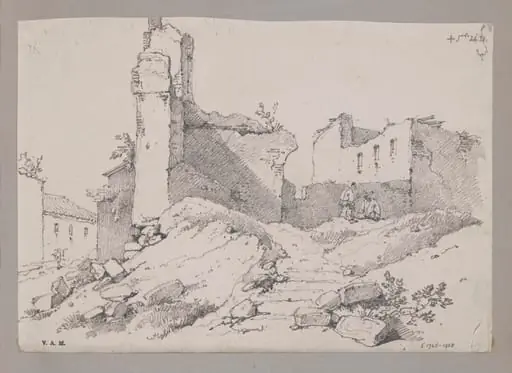
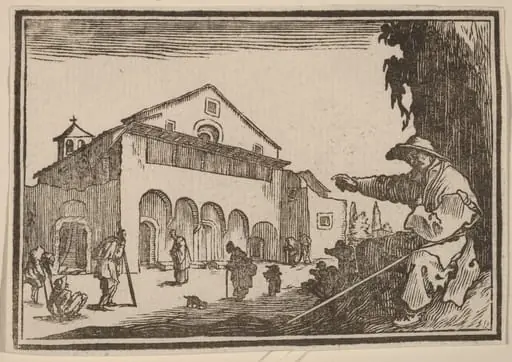
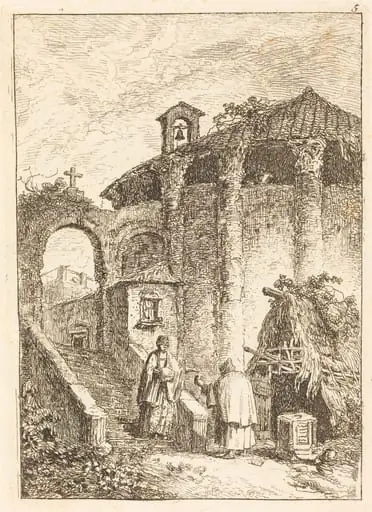
Created in 1621 by Edouard Eckman, this woodcut on laid paper depicts a solitary shepherd beside ancient stone ruins. The image is rendered in monochrome, using carved woodblocks to produce a printed impression. The composition balances human stillness with the decay of architecture, emphasizing texture over detail. The technique reflects early 17th-century printmaking practices, where hand-carved surfaces transferred ink onto paper to yield multiple copies.
Subject & Meaning
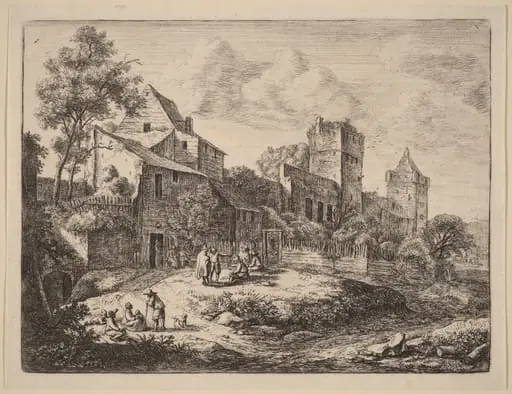
The lone shepherd, leaning on a staff, stands amid the remnants of a once-functional structure—arched windows, a tower, and climbing ivy suggest abandonment. Distant figures near a river imply a broader world beyond the scene’s quiet isolation. The pairing of pastoral life with ruined architecture may evoke themes of transience, the passage of time, or the quiet endurance of rural existence against the collapse of human endeavor.
Technique & Style
As a woodcut, the image was produced by carving lines into a wooden block, inking the raised surfaces, and pressing paper onto it. Eckman employed coarse, rhythmic lines to suggest the roughness of stone and fabric, avoiding fine detail in favor of bold, tactile patterns. The contrast between dark areas and the paper’s natural tone enhances the sense of age and texture, characteristic of Northern European printmaking of the period.
History & Provenance
The print originates from the early 17th century and is attributed to Edouard Eckman, a lesser-known printmaker active in the Low Countries. Few documented examples of his work survive, and this piece is among the few securely dated. Its presence in institutional collections suggests it was preserved as an example of regional printmaking, though its original commission or audience remains undocumented.
Context
In the decades following the Eighty Years’ War, the Low Countries saw a surge in landscape and ruin imagery, reflecting both economic shifts and a growing interest in antiquity. Woodcuts like this one circulated among collectors and artisans, offering accessible images of contemplative scenes. The focus on solitude and decay aligns with broader cultural preoccupations with impermanence and the quiet dignity of rural life.
Legacy
Though Eckman’s name did not endure in the canon of major printmakers, this work contributes to the understanding of vernacular print culture in early modern Europe. Its preservation highlights how everyday imagery—unadorned and uncelebrated—was valued for its emotional resonance and technical clarity. The piece remains a quiet testament to the role of print in shaping visual memory before the age of photography.
Artist & collection