Artwork
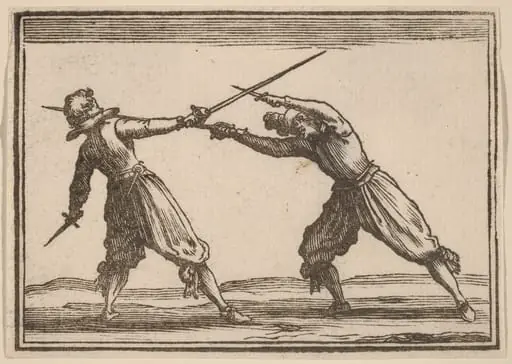
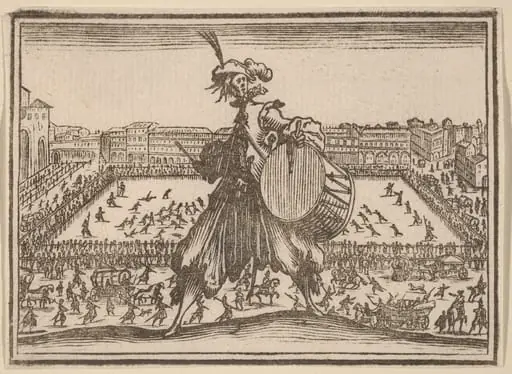
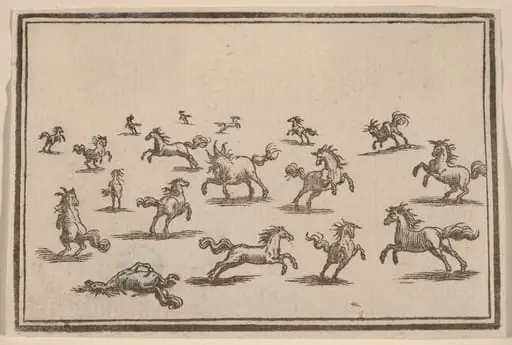
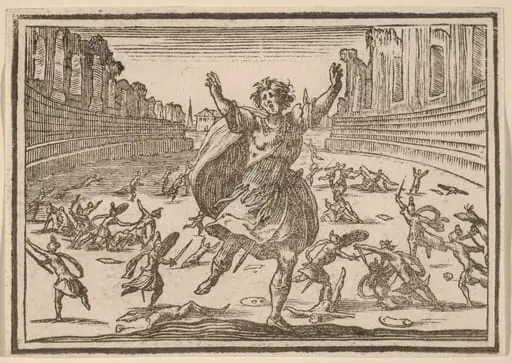
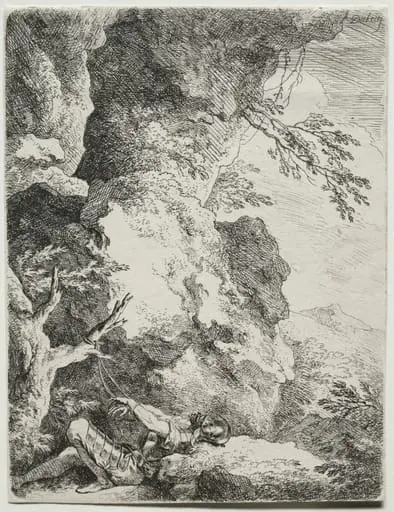
Soldiers Attacking Robbers
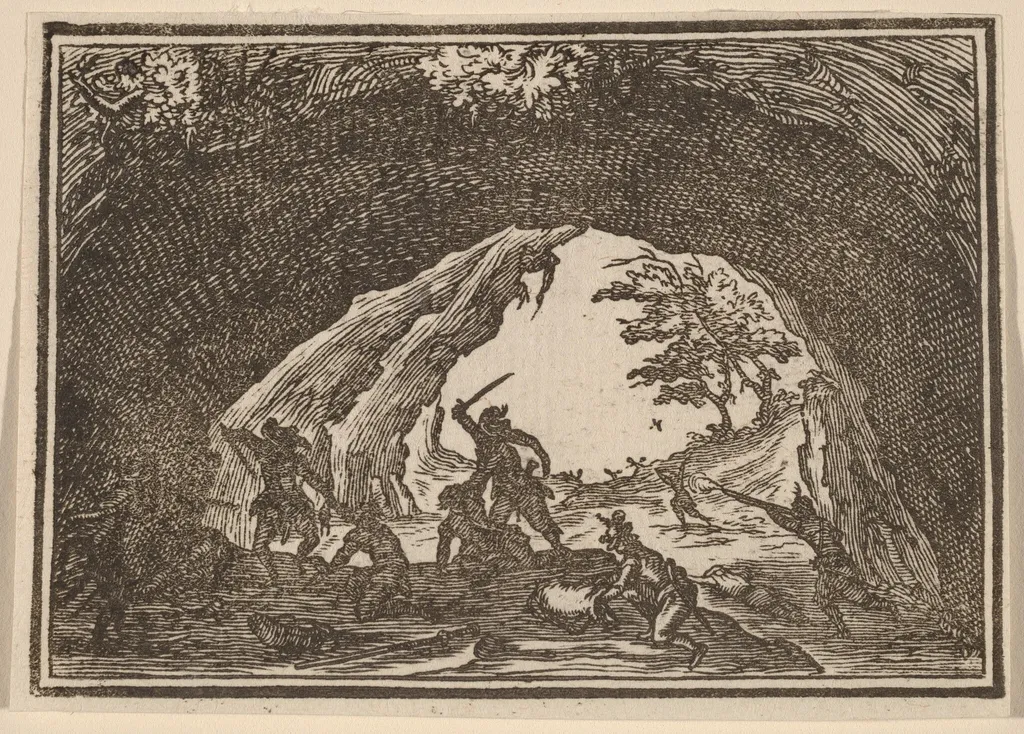
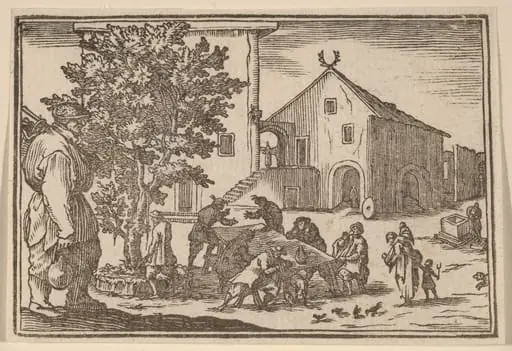
Soldiers Attacking Robbers is an ink print by the Baroque artist Edouard Eckman. It dates from 1621 and is held in the collection of the National Gallery of Art.
About this work
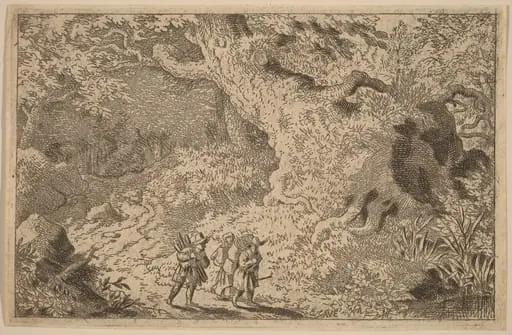
The scene feels urgent—swords clash, torches flicker, and shadows swallow the men.
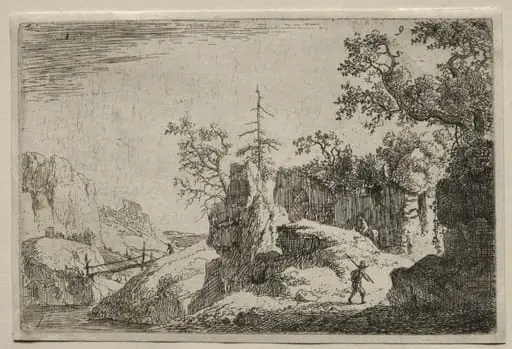
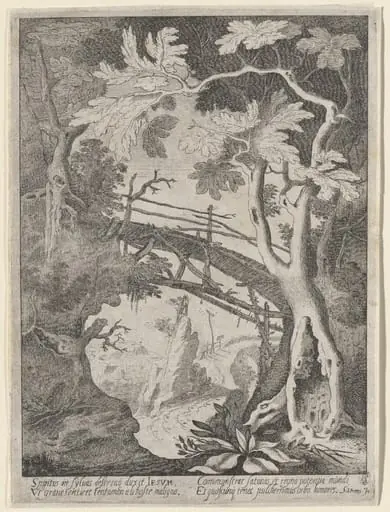
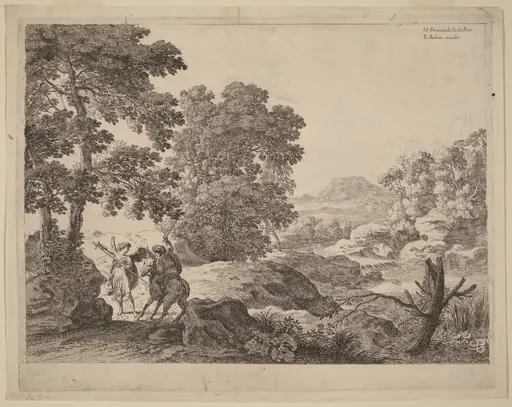
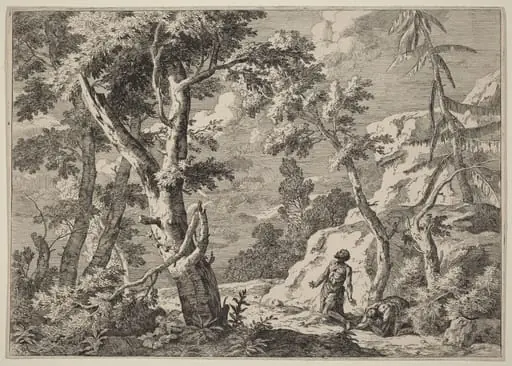
Edouard Eckman’s 1621 woodcut shows soldiers attacking robbers in a dark forest. The scene feels urgent—swords clash, torches flicker, and shadows swallow the men. The artist cut the image into wood, then pressed ink onto paper.
Look close and you’ll spot the robbers holding stolen bags. One robber lies on the ground. The soldiers aim spears at him. Woodcuts like this were cheap prints in the 1600s, passed around fast.
Want to see it? Go to the National Gallery of Art, Washington.
Overview
Created in 1621, the woodcut titled *Soldiers Attacking Robbers* was produced by the German printmaker Edouard Eckman. Executed on laid paper, the work belongs to the print medium and depicts a dramatic confrontation in a forested setting. The image is presently held in the collection of the National Gallery of Art in Washington, D.C.
Subject & Meaning
The composition portrays a group of armed soldiers engaging a band of thieves within a dimly lit woodland. The robbers clutch sacks that suggest stolen goods, while one lies prone, his weapon lowered as soldiers thrust spears toward him. The scene conveys a narrative of law enforcement restoring order, emphasizing the peril and urgency of the clash.
Technique & Style
Eckman employed the traditional woodcut process, carving the design into a wooden block and then inking the raised surfaces before pressing them onto laid paper. The stark contrasts of black ink against the paper’s texture create a sense of depth, while the use of torches and overlapping figures generates movement and tension typical of early‑17th‑century Northern European prints.
History & Provenance
Woodcuts of this period were inexpensive, allowing rapid dissemination of visual news and moralizing scenes. Eckman’s print circulated among a broad audience in the early 1600s. Over the centuries it entered various private collections before being acquired by the National Gallery of Art, where it remains accessible to scholars and the public.
Artist & collection