Artwork
Violinist
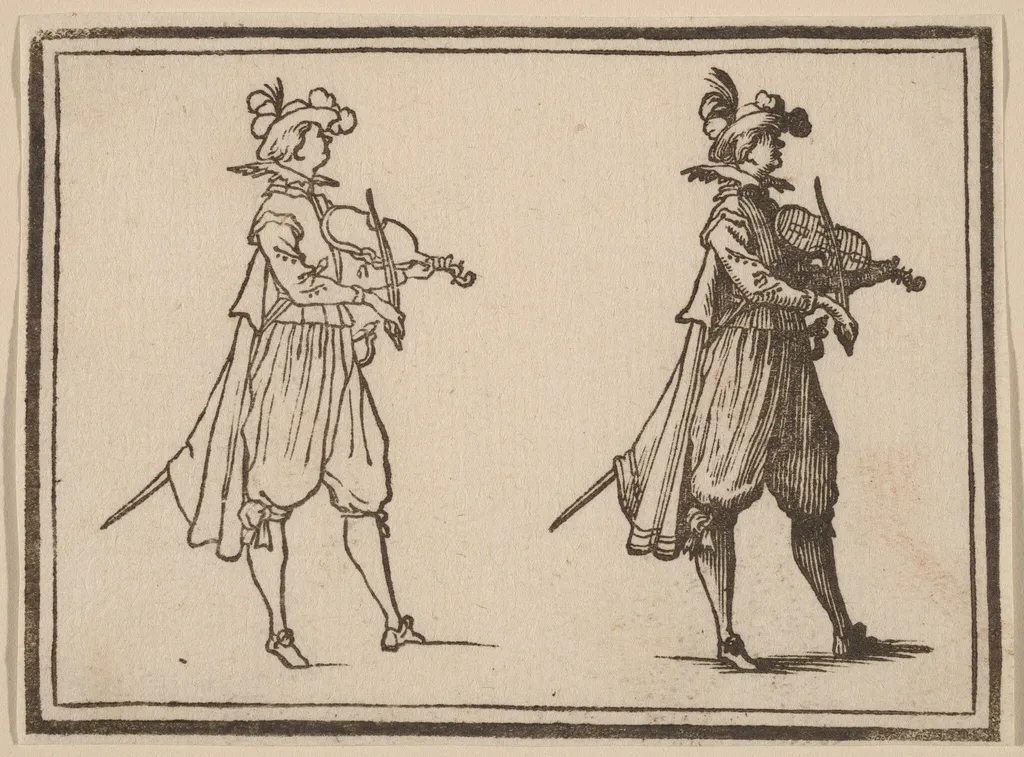
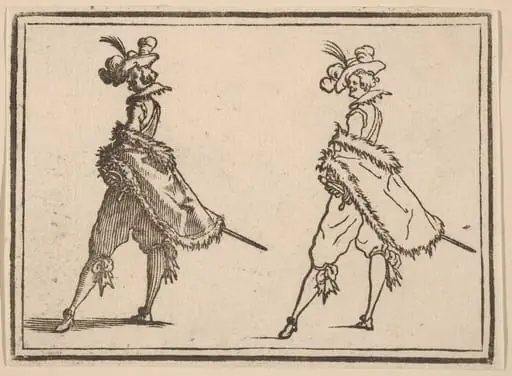
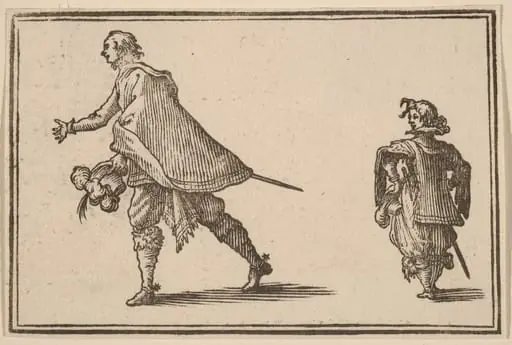
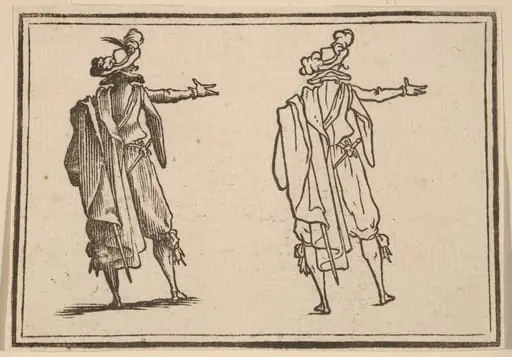
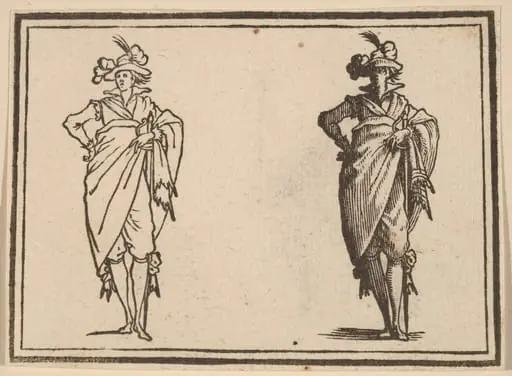
Violinist is an ink print by the Baroque artist Edouard Eckman. It dates from 1621 and is held in the collection of the National Gallery of Art.
About this work
Overview
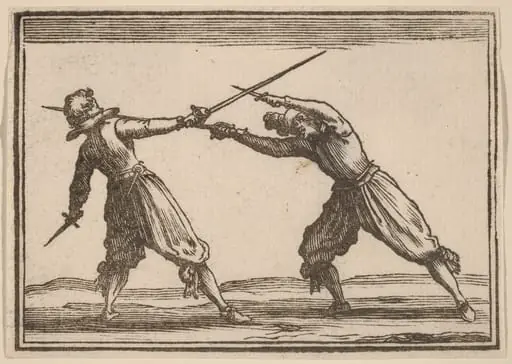
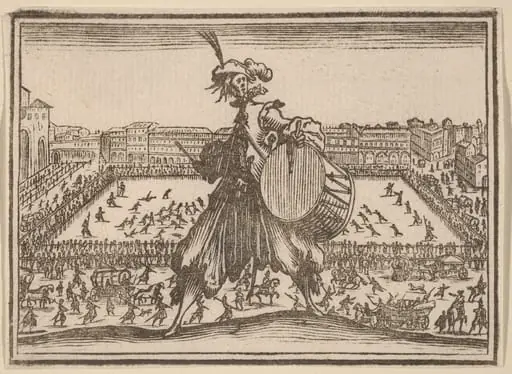
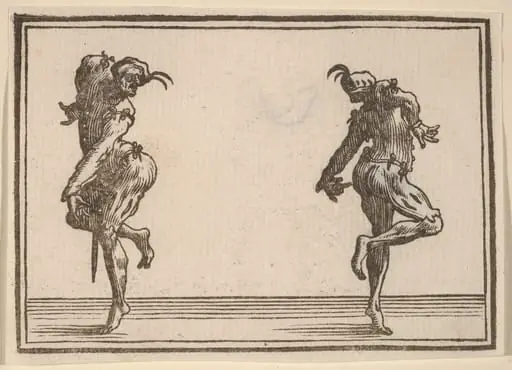
‘Violinist’ is a 1621 woodcut print executed by Edouard Eckman on laid paper. The composition presents a pair of figures moving together, each bearing a violin that dominates their silhouette. Rendered in stark, linear incisions, the image conveys a sense of movement and balance through its minimal yet decisive marks.
Subject & Meaning
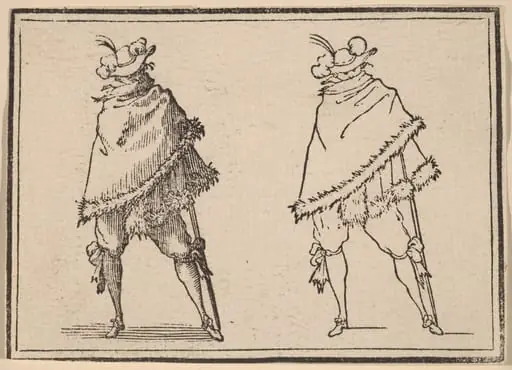
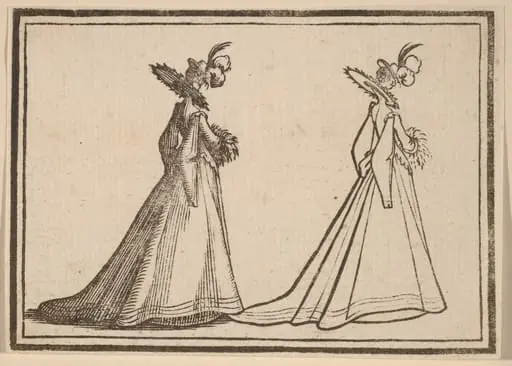
The work depicts two individuals dressed in period attire, complete with tall feathered hats and flowing garments, suggesting a 17th‑century setting. By giving the violins a scale comparable to the bodies, Eckman emphasizes the instrument’s cultural weight, perhaps alluding to music’s pervasive role in everyday life.
Technique & Style
Created through the woodcut process, the design was cut into a wooden block, inked, and transferred onto paper, producing bold, crisp lines. The use of laid paper adds a subtle texture, while the simplicity of the carving yields a sketch‑like quality that foregrounds form over detail.
History & Provenance
The print originates from Eckman’s early career, dated to 1621, a period when woodcut remained a common medium for disseminating images. Though specific ownership records are scarce, the piece has been catalogued in several European print collections, confirming its circulation among connoisseurs of the era.
Context
In the early 17th century, woodcuts served both artistic and documentary purposes, often illustrating musical scenes for books or pamphlets. Eckman’s choice of a solitary, everyday moment reflects contemporary interests in genre subjects, aligning the work with broader trends in Dutch and Flemish printmaking.
Artist & collection