Artwork
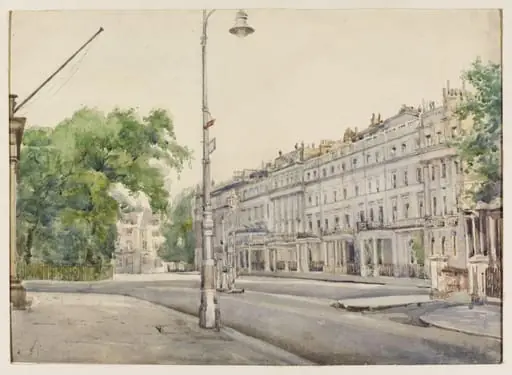
Carlton Terrace
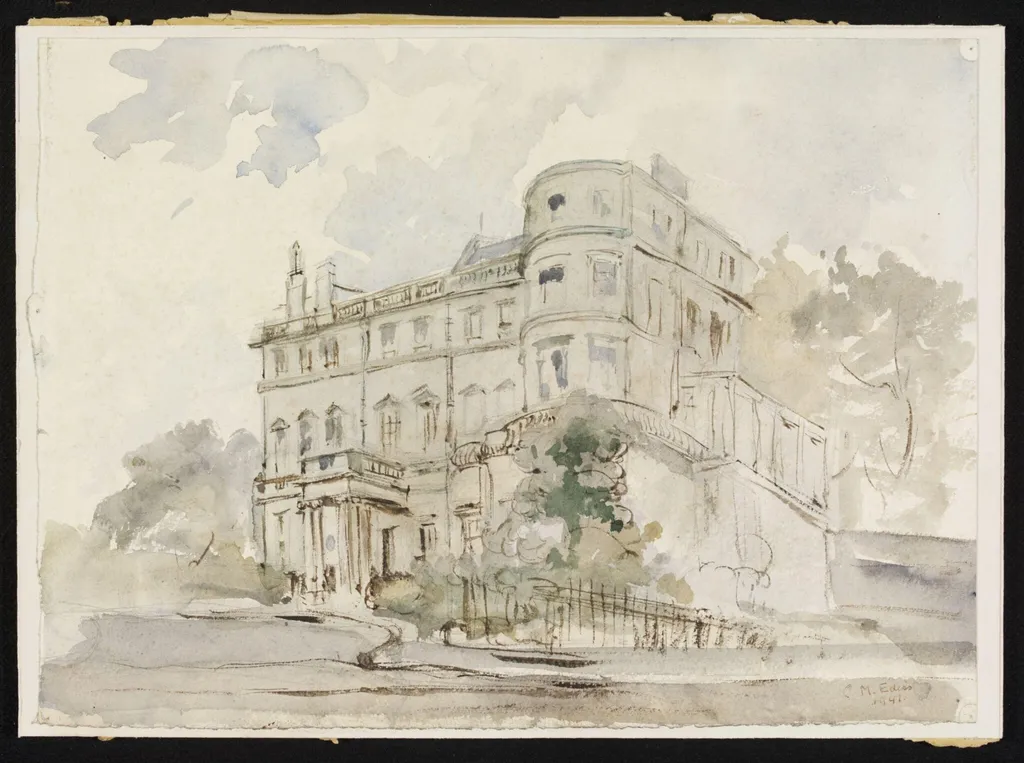
Carlton Terrace is a watercolor work on paper by the Impressionist artist Ediss. It dates from 1941 and is held in the collection of the Victoria and Albert Museum.
About this work
Overview
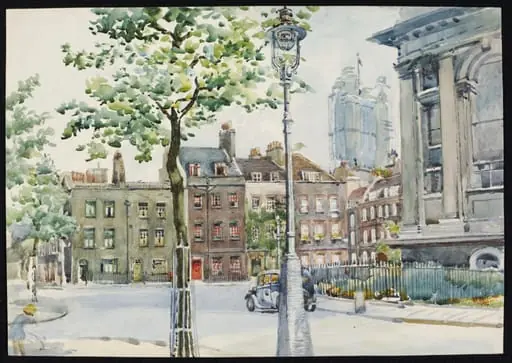
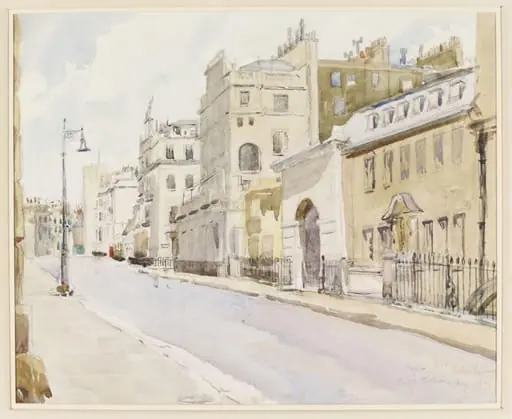
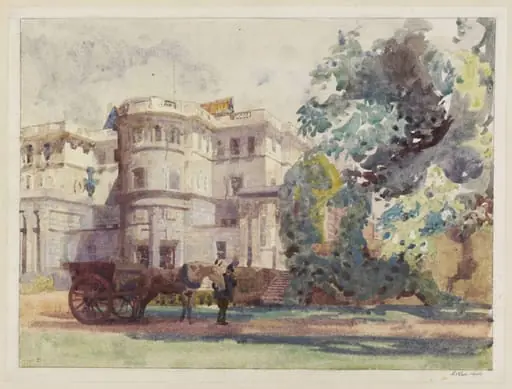
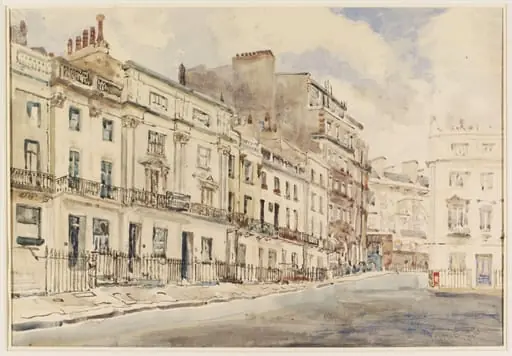
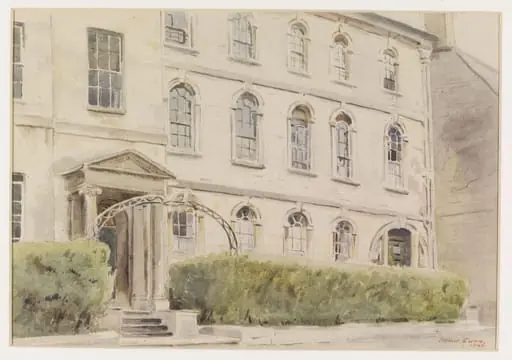
Carlton Terrace is a watercolour painting created by Ediss in 1941, part of the Recording Britain project. The work captures a specific English location, characterized by a grand, pale-colored building with columns and a rounded tower, set amidst trees, a fence, and a lightly suggested blue sky.
Subject & Meaning
The painting's subject reflects the Recording Britain initiative's goal of documenting Britain's cultural heritage during World War II, amid threats of destruction and change. It preserves a scene of national significance, focusing on architectural lines and shadows rather than detailed ornamentation.
Technique & Style
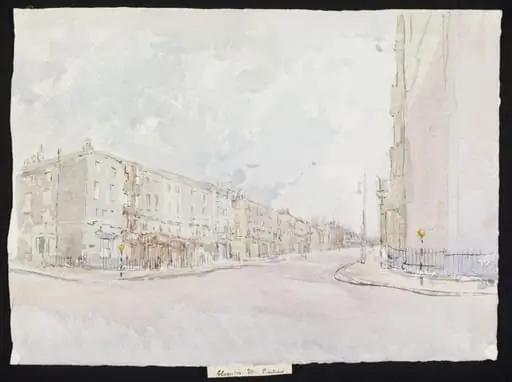
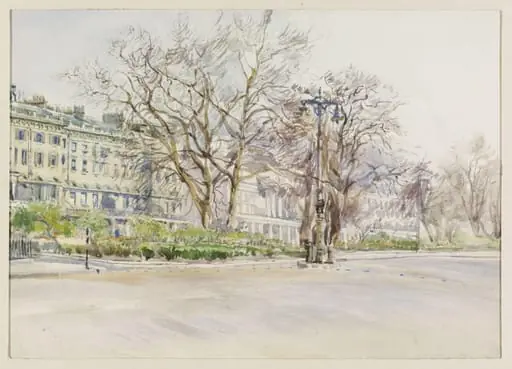
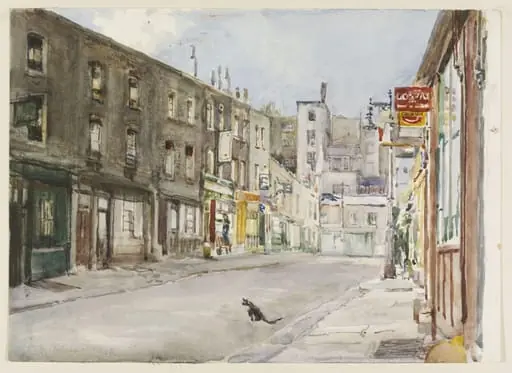
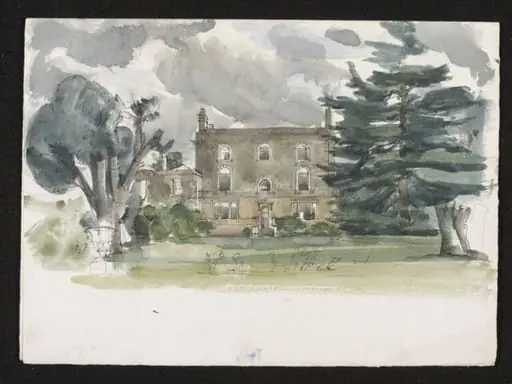
Executed in a light, soft watercolour technique, the painting features fuzzy edges and loose brushstrokes, particularly in the sky. This approach suggests a prioritization of capturing the building's form and atmosphere over meticulous detail, resembling a quick, expressive sketch.
History & Provenance
Commissioned by the Committee for the Employment of Artists in Wartime and funded by the Pilgrim Trust, Carlton Terrace was produced under the oversight of Sir Kenneth Clark, then director of the National Gallery. The project aimed to support artists while documenting a vanishing Britain during wartime.
Context
Created amidst the backdrop of World War II, the painting is part of a broader effort to record Britain's landscape and cultural identity. Similar works can be found in collections like the Victoria and Albert Museum, highlighting the project's scope and legacy.
Artist & collection
Artist
Ediss painted London’s quiet streets and squares in delicate watercolours during the early 1940s.