Artwork
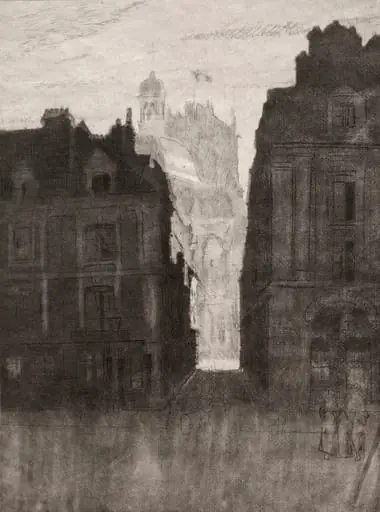
La Galerie Notre Dame
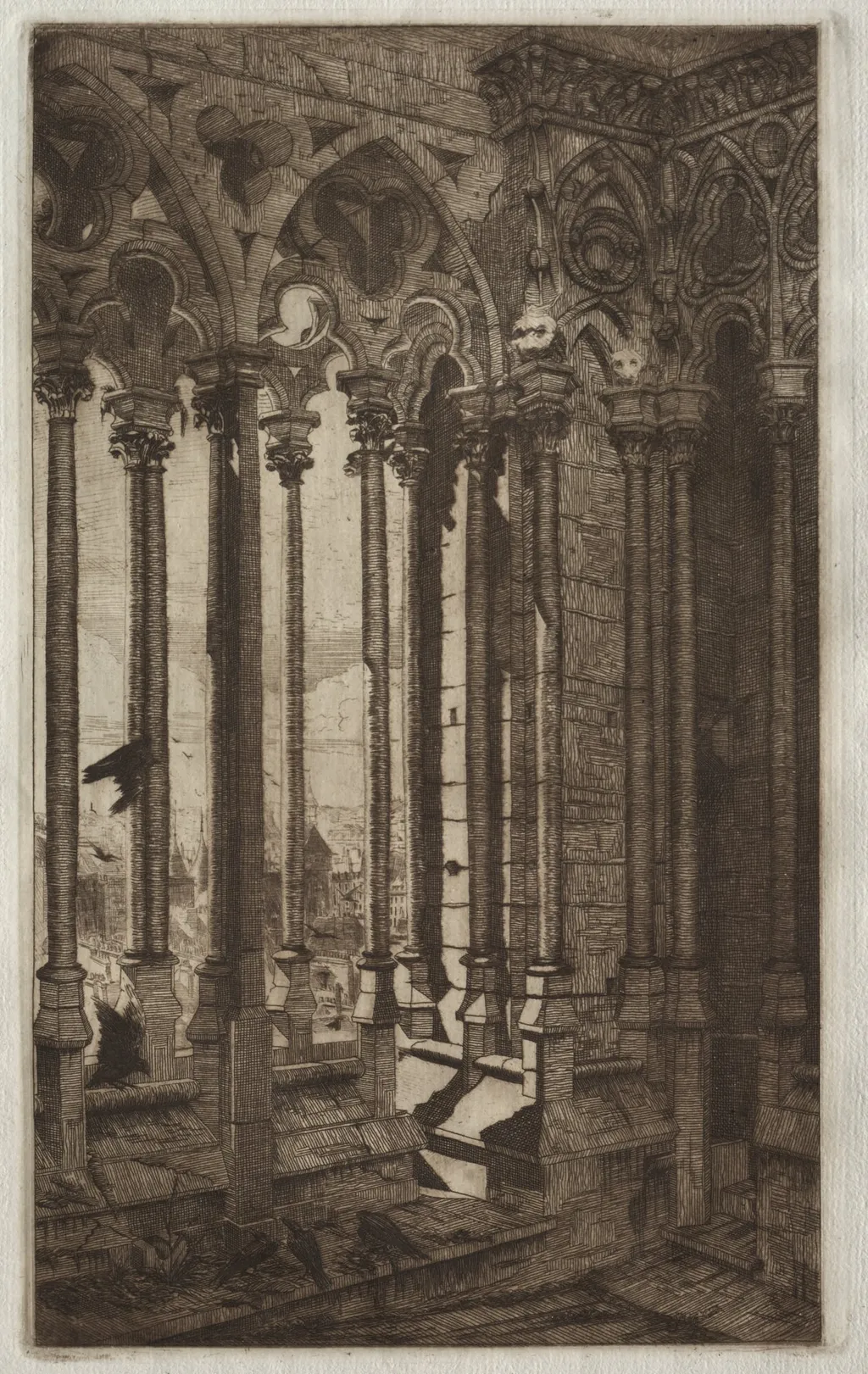
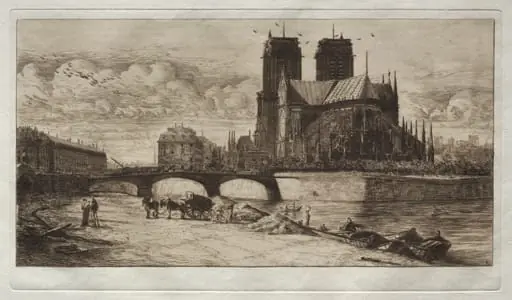
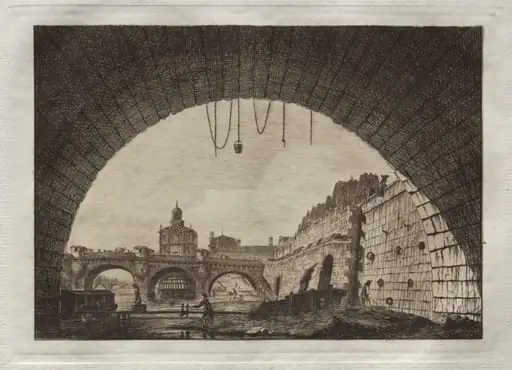
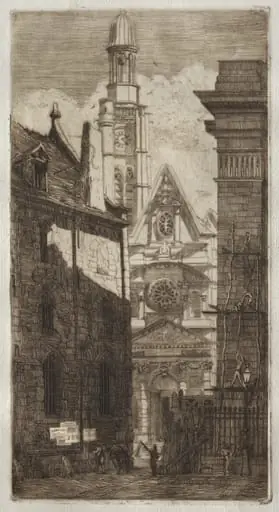
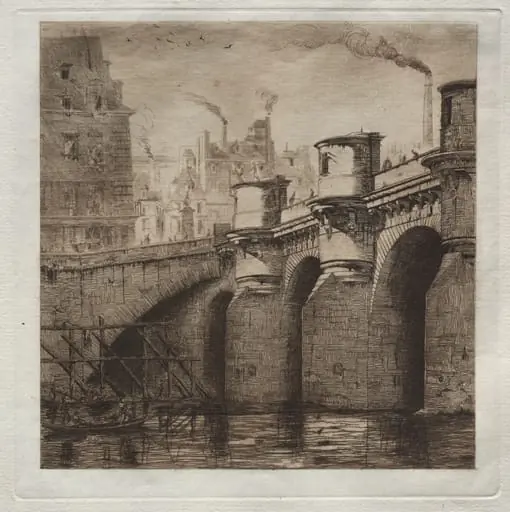
La Galerie Notre Dame is a print by the Impressionist artist Edmond Gosselin. It dates from 1881 and is held in the collection of the Cleveland Museum of Art.
About this work
Overview
The work is part of the collection at The Cleveland Museum of Art, where it is preserved as an example of 19th-century architectural printmaking.
La Galerie Notre Dame is a print made around 1881 by Canadian artist Edmond Gosselin. It depicts an architectural interior characterized by a series of slender, highly detailed columns. The composition draws the eye toward a distant vista of buildings and a dome, suggesting a vast, vaulted space. The work is part of the collection at The Cleveland Museum of Art, where it is preserved as an example of 19th-century architectural printmaking.
Subject & Meaning
The print captures the interior of a grand gallery, likely inspired by the architecture of Notre-Dame in Paris. The repetition of columns and the receding perspective evoke a sense of solemnity and spatial continuity. Rather than focusing on human activity, the image emphasizes structure and atmosphere, inviting contemplation of architectural grandeur and the quiet passage of time within sacred or public spaces.
Technique & Style
Gosselin employed precise linework and controlled tonal contrasts to render depth and texture. The columns are defined by sharp outlines and gradations of light and shadow, creating a three-dimensional effect on a flat surface. This use of chiaroscuro enhances the illusion of volume and spatial recession, reflecting a disciplined approach to architectural representation common in topographical prints of the period.
History & Provenance
Created in the early 1880s, the print was likely made during Gosselin’s travels in Europe, where he studied and documented historic buildings. It entered the collection of The Cleveland Museum of Art in the 20th century, acquired as part of a broader effort to preserve examples of international printmaking. Its provenance remains largely tied to institutional holdings, with no known prior private collectors documented.
Context
In the late 19th century, architectural prints served both documentary and aesthetic purposes, often produced by artists traveling to record historic sites. Gosselin’s work aligns with a European tradition of topographical drawing, influenced by French and Italian precedents. Such prints were valued for their accuracy and were used by architects, scholars, and the educated public to study and appreciate classical forms.
Legacy
Though not widely exhibited today, La Galerie Notre Dame remains a representative example of Gosselin’s architectural studies. It contributes to the understanding of how Canadian artists engaged with European heritage during the 19th century. The print’s technical precision and restrained composition continue to inform discussions on the role of printmaking in architectural documentation.
Artist & collection

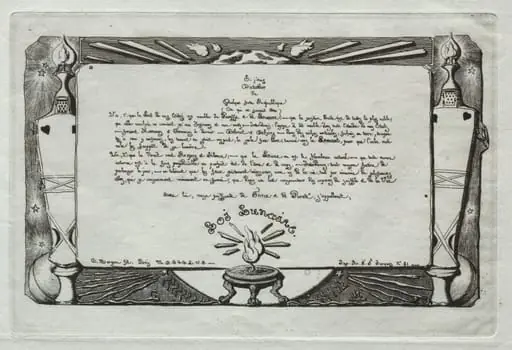
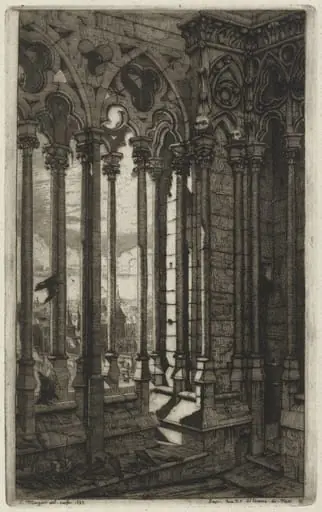 La galerie Notre-Dame, Paris (The Gallery of Notre Dame, Paris)
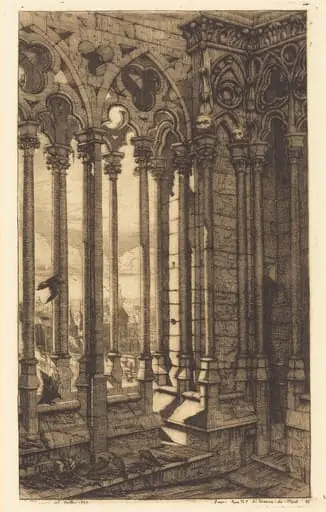 La galerie Notre-Dame, Paris (The Gallery of Notre Dame, Paris)
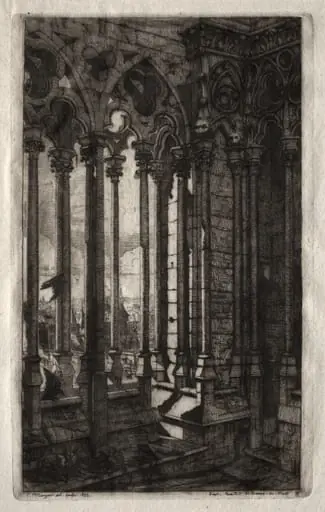 Etchings of Paris: The Gallery of Notre Dame
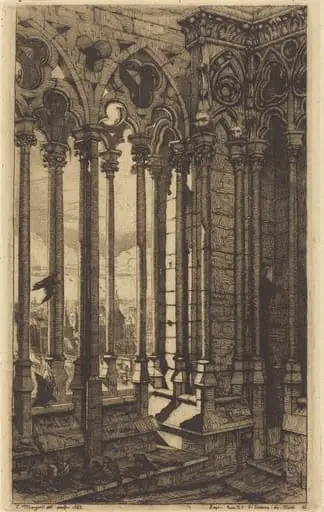 La galerie Notre-Dame, Paris (The Gallery of Notre Dame, Paris)
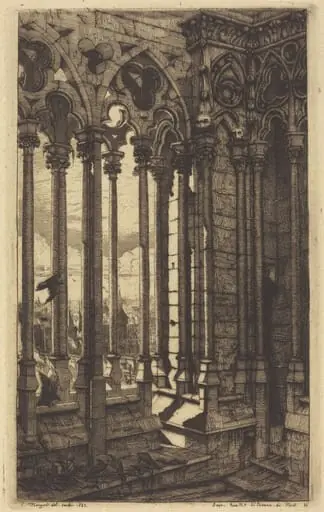 La galerie Notre-Dame, Paris (The Gallery of Notre Dame, Paris)
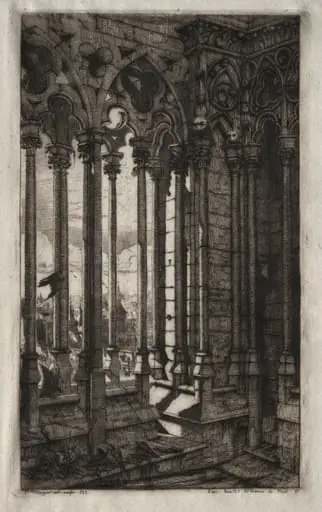 The Etchings of Paris: The Gallery of Notre Dame
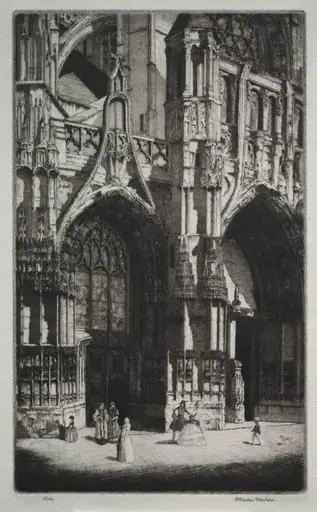 Nôtre Dame de Caudebec, France
 Dieppe, La Rue Notre Dame
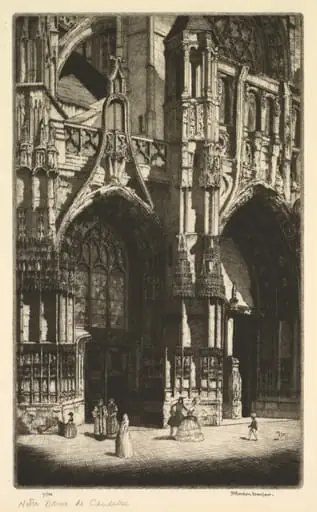 Notre Dame de Caudebec