Artwork
Etchings of Paris: The Gallery of Notre Dame
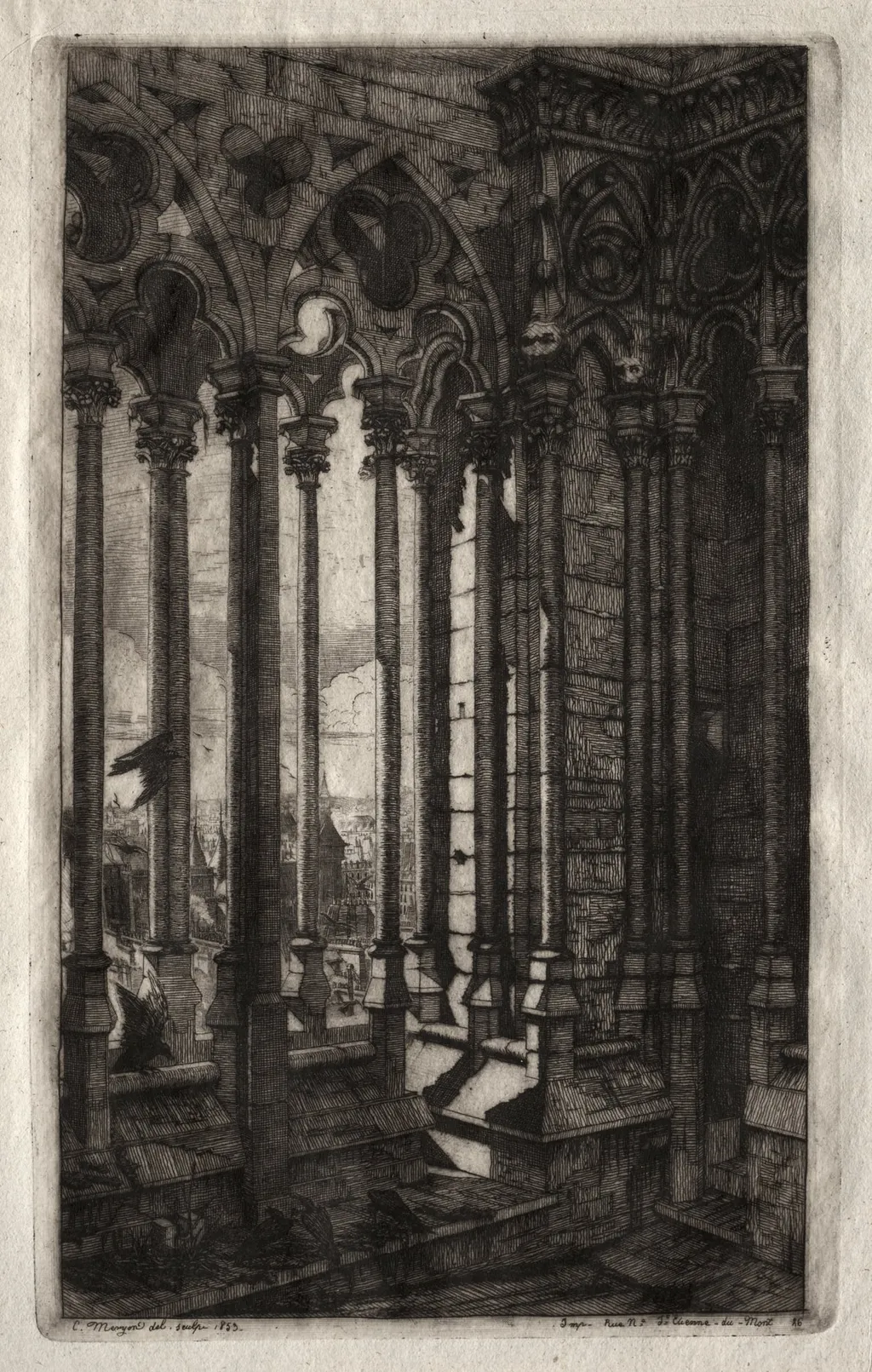
Etchings of Paris: The Gallery of Notre Dame is a print by the Impressionist artist Charles Meryon. It dates from 1853 and is held in the collection of the Cleveland Museum of Art.
About this work
Overview
His work captured the medieval fabric of the city with unusual intensity, though he remained largely unrecognized outside France during his lifetime.
Charles Meryon produced *Etchings of Paris: The Gallery of Notre Dame* in 1853 as part of a sustained exploration of Parisian architecture. Diagnosed with color blindness, he turned entirely to etching, refining a monochromatic style that emphasized texture and atmosphere. His work captured the medieval fabric of the city with unusual intensity, though he remained largely unrecognized outside France during his lifetime.
Subject & Meaning
The print centers on a vertical arcade of slender, carved columns rising from a shadowed void. The empty space at the center suggests an architectural opening, perhaps a doorway or nave entrance, but its ambiguity invites contemplation. The surrounding stonework, densely patterned with geometric and organic motifs, evokes the weight of time and the quiet decay of sacred space, reflecting Meryon’s preoccupation with memory and ruin.
Technique & Style
Meryon employed fine, controlled lines to model the roughness of aged stone, using cross-hatching and stippling to build depth without color. The contrast between light and dark is stark, enhancing the tactile quality of the carvings. Delicate tracery mimics lacework, while the central void remains deliberately unresolved, creating a sense of spatial tension that draws the viewer into the architecture’s silence.
History & Provenance
Created during Meryon’s most productive period, this print belongs to a larger series documenting Paris’s Gothic structures before widespread modernization. It was privately circulated among collectors and printmakers, but public acclaim came posthumously. The artist’s institutionalization in 1867 and death the following year left his legacy fragmented, though his prints were later championed by French Symbolists and modern print historians.
Context
In the mid-19th century, Paris underwent radical transformation under Haussmann’s renovations. Meryon’s focus on medieval ruins stood in quiet opposition to this progress, offering a melancholic counter-narrative. His etchings preserved architectural details soon to be lost, aligning his work with emerging interests in historical preservation and the emotional resonance of decay.
Legacy
Though overlooked in English-speaking circles during his lifetime, Meryon’s influence grew in the 20th century among artists and scholars drawn to his psychological depth and technical precision. His series of Parisian views, including this print, are now held in major collections as pivotal examples of 19th-century graphic art, valued for their quiet intensity and unflinching gaze at urban transformation.
Artist & collection
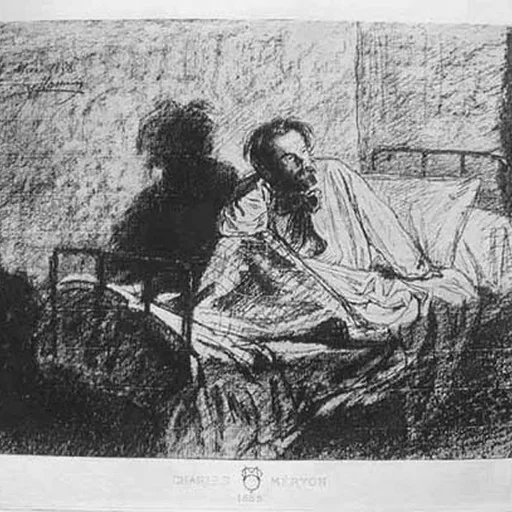
Artist
Charles Meryon (sometimes Méryon, 23 November 1821 – 14 February 1868) was a French artist who worked almost entirely in etching, as he had colour blindness.

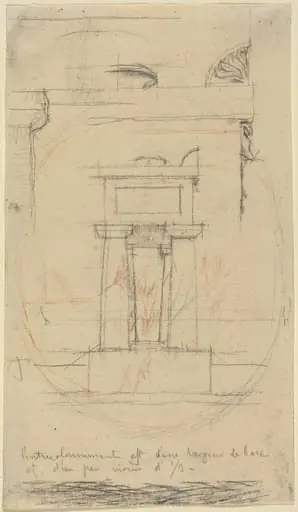
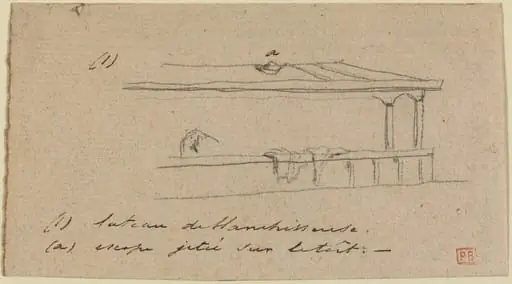
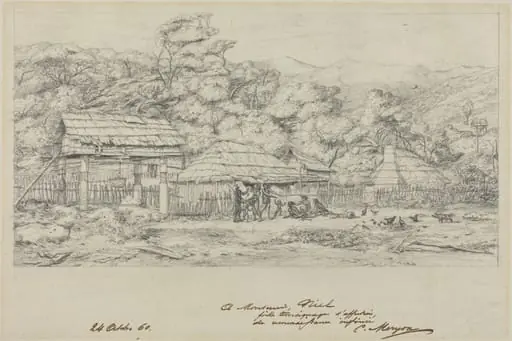
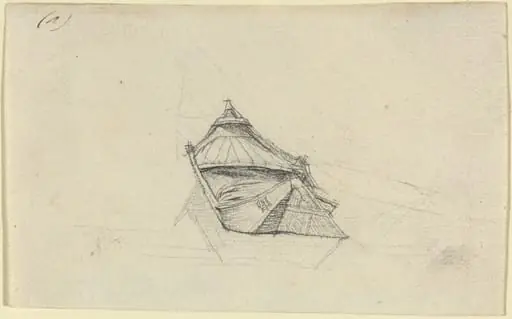
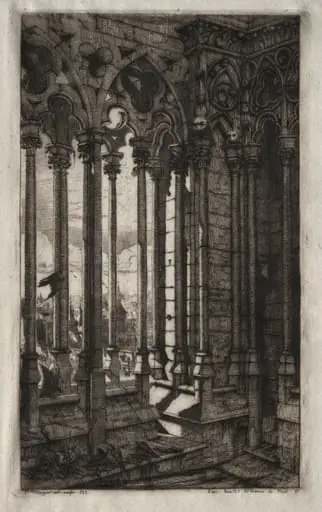 The Etchings of Paris: The Gallery of Notre Dame
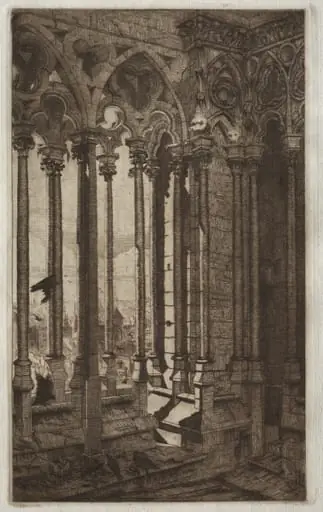 La Galerie Notre Dame
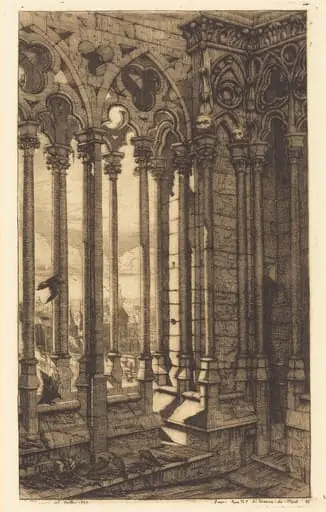 La galerie Notre-Dame, Paris (The Gallery of Notre Dame, Paris)
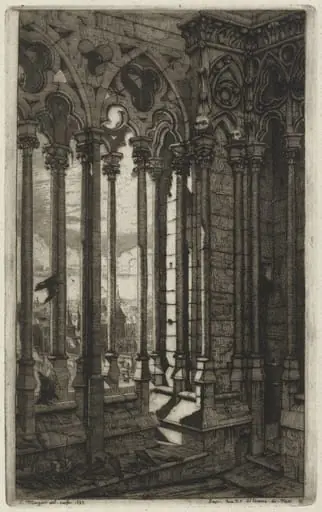 La galerie Notre-Dame, Paris (The Gallery of Notre Dame, Paris)
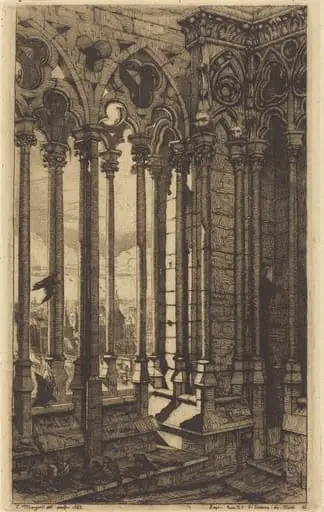 La galerie Notre-Dame, Paris (The Gallery of Notre Dame, Paris)
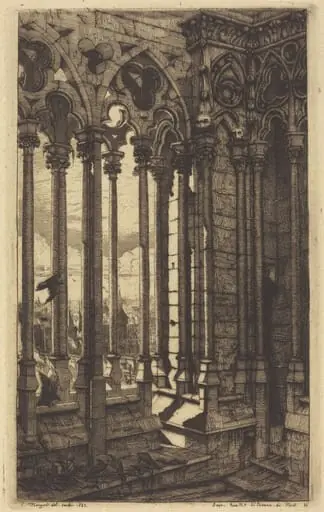 La galerie Notre-Dame, Paris (The Gallery of Notre Dame, Paris)
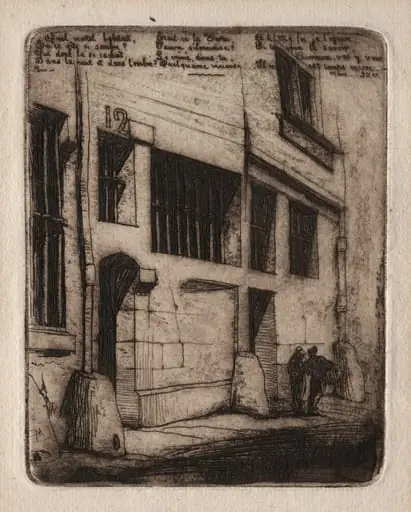 Etchings of Paris: The Street of the Bad Boys